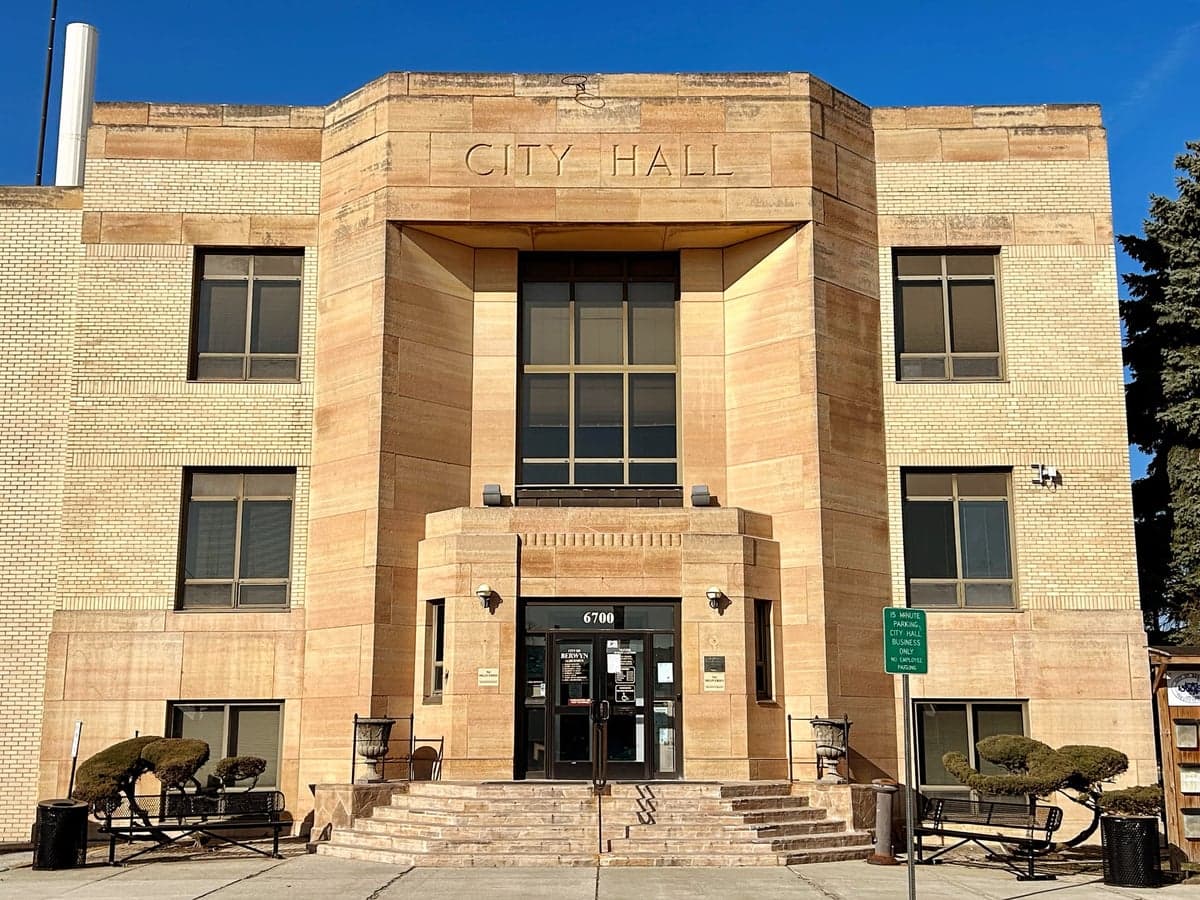
Photo: Wikipedia
Strategic Assessment of Berwyn, IL
Multiple tactical vulnerabilities. Population density, target proximity, or disaster risk are likely compounding. A retreat property and exit planning is required.
What does the Strategic Assessment tell us?
Our Strategic Assessment grades tactical survivability of an area. Major population centers, military targets, fallout zones, natural disasters, and border exposure all drive risk — lower exposure means a more defensible position in a crisis.
This is heavily inspired by Joel Skousen's Strategic Relocation book. Highly recommended you checkout the book ($)What does this tell us?
Our Strategic Assessment grades tactical survivability of an area. Major population centers, military targets, fallout zones, natural disasters, and border exposure all drive risk — lower exposure means a more defensible position in a crisis.
This is heavily inspired by Joel Skousen's Strategic Relocation book. Highly recommended you checkout the book ($)Strategic Pillars

Key Distances
Regional Safe Places
Below is our recommended "safe zones" in Illinois and the surrounding area based on our strategic heuristics. For most people, it's unrealistic to live in a “safe zone” full-time due to work, family or other personal reasons. They tend to be more rural. However, many of these areas are perfect for second homes and retreat properties that double as a vacation home or even a short-term rental.
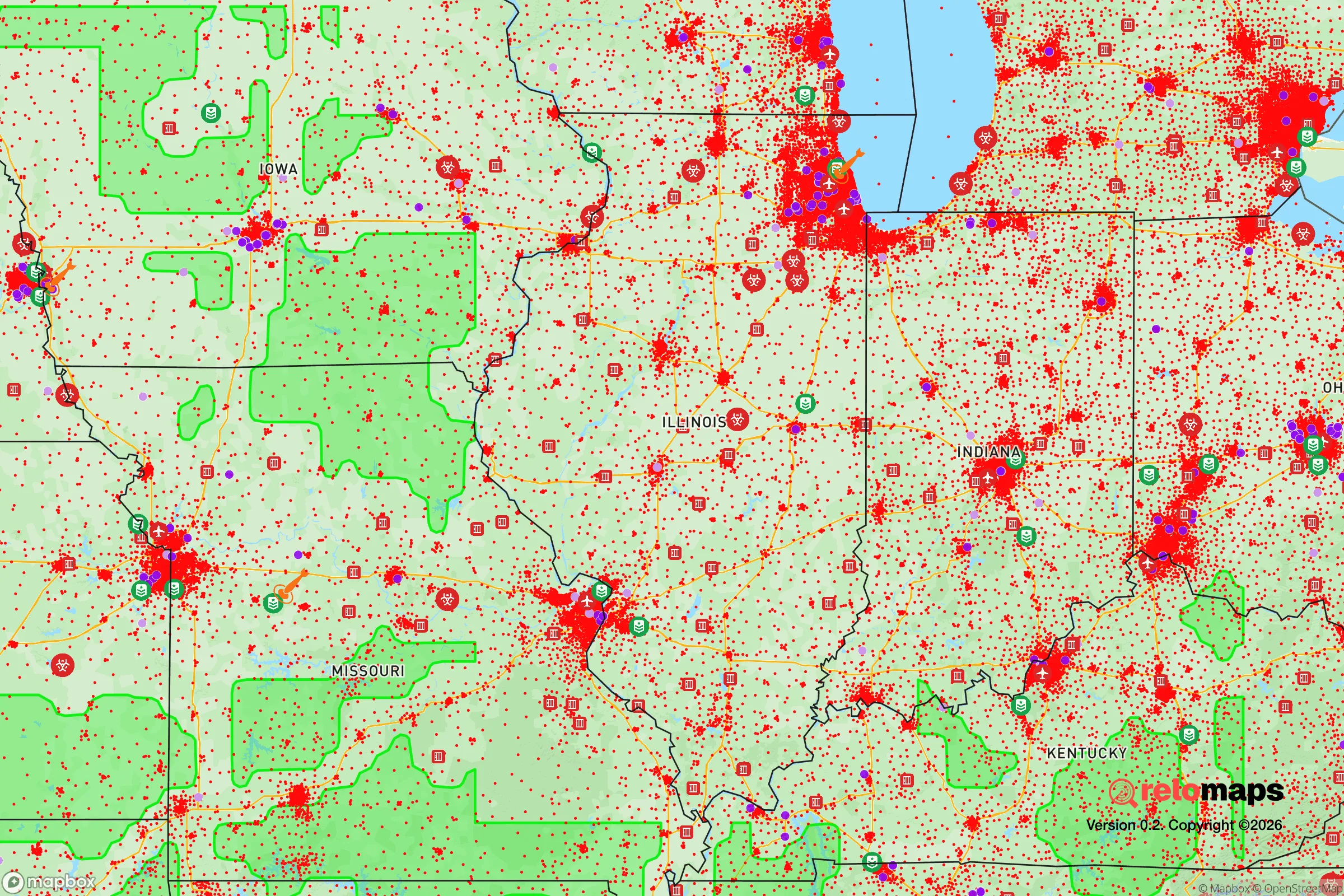
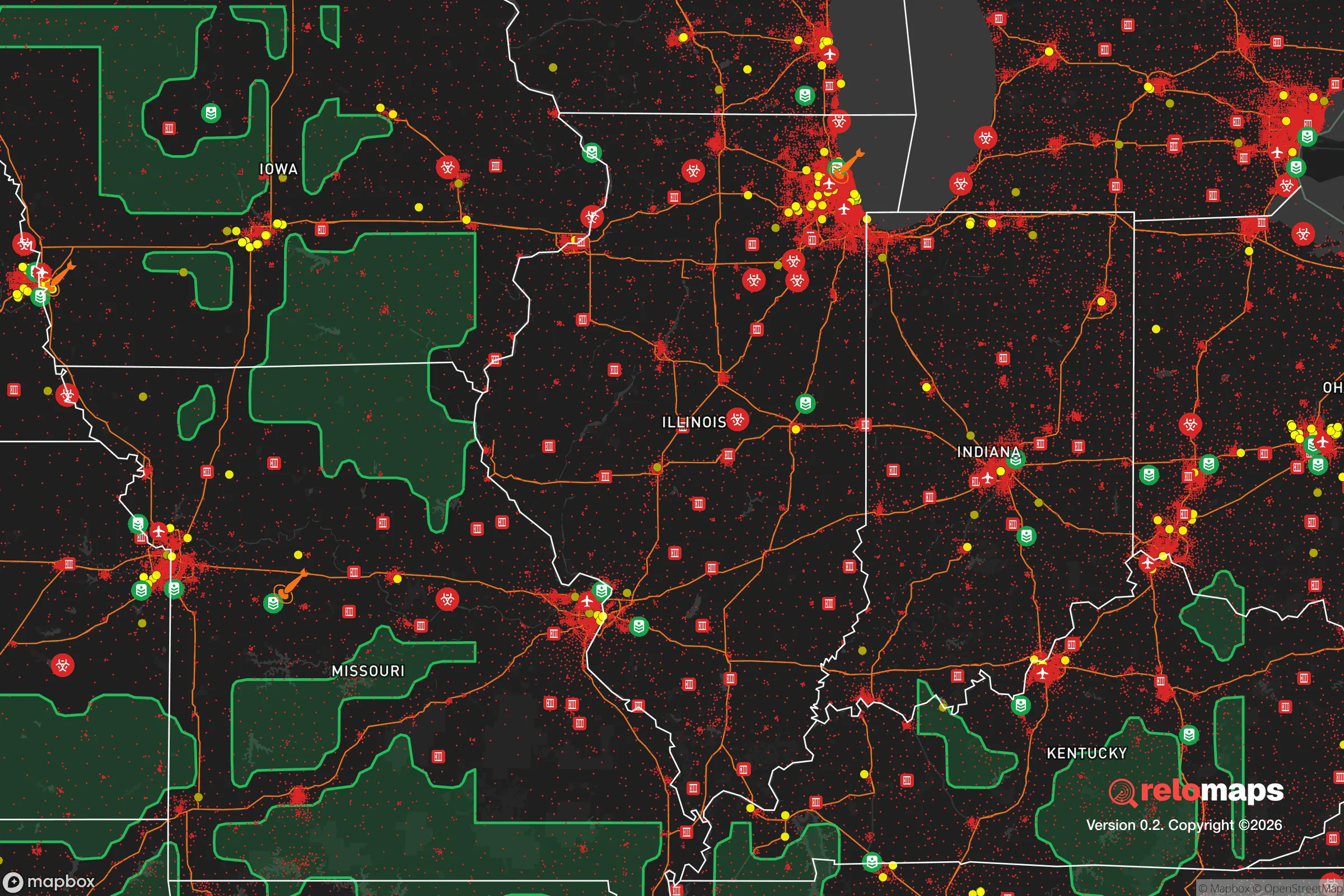


Important Note: For informational purposes only. This does not mean nothing bad ever happens in the green zones. Please use common sense. This is based on public data and modeled with AI. We tried to take a conservative approach but mistakes happen. We update this regularly as new information becomes available.
Solar Generator Recommendations
Backup power matters more here than in safer locations. We've picked three solar generators across budgets and capacity tiers — start with the budget unit if you only need a few essentials, or step up if you want to run a fridge and HVAC for days at a time.

Jackery Portable Power Station Explorer 300
Budget OptionPower on the Go: Weighing only 11 lbs, it's convenient to set up and store with book-sized foldable solar panels

BLUETTI Portable Power Station AC180
Designed for both indoor and outdoor scenarios, AC180 is highly capable as it has a robost capacity and continuous output power.

EF ECOFLOW DELTA Pro Ultra Power Station
Upgraded PickEcoFlow DELTA Pro Ultra is a whole-home energy system designed to grow with your family. Integrated with the Smart Home Panel 2, it scales to meet your evolving energy needs — keeping your home powered, intelligent, and secure through every stage of life.
We earn a commission, at no additional cost to you.
Strategic Assessment Analysis
Berwyn, Illinois, presents a complex strategic picture for the conservative prepper or survivalist. Its primary resilience advantage is its location within a dense, older suburban ring of Chicago, offering a degree of anonymity and a built-in, walkable infrastructure that many newer exurbs lack. However, this same proximity to a major metropolitan center is its most significant vulnerability. For a relocator prioritizing long-term security, self-sufficiency, and distance from likely civil unrest zones, Berwyn is a location that demands a clear-eyed assessment of its trade-offs: it offers immediate logistical convenience but carries substantial risk in a crisis scenario.
Geographic position and natural advantages for long-term security
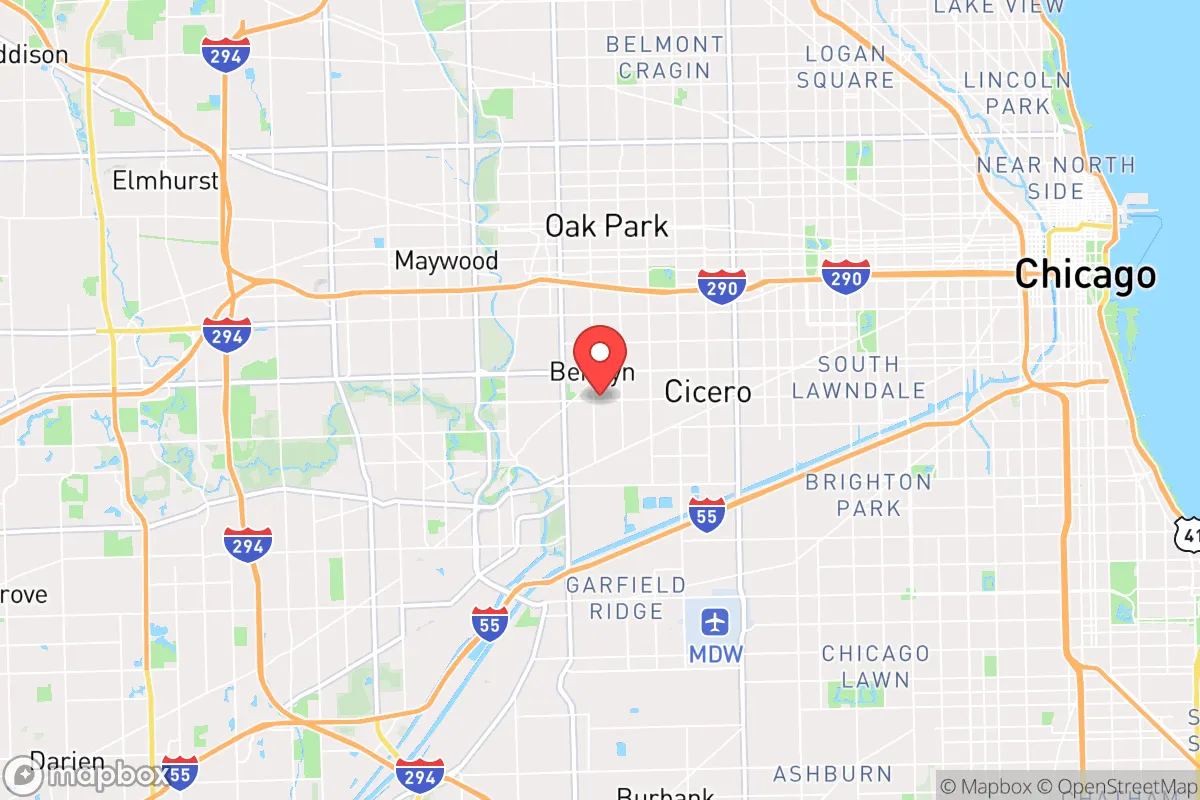
Berwyn sits roughly 8 miles west of downtown Chicago, a location that places it squarely within the region's most densely populated corridor. The area is flat, part of the broader Lake Michigan plain, with no significant natural barriers or defensible terrain. The Des Plaines River runs just east of the city, and the Chicago Sanitary and Ship Canal is nearby, providing water sources but also potential contamination and flood risks. The city itself is a compact, 3.8-square-mile grid of mostly single-family homes and two-flats, with a population density of over 15,000 people per square mile. This density is a double-edged sword: it allows for a tight-knit community but also means that any localized disaster—a chemical spill from the nearby rail lines, a prolonged power outage, or civil unrest—will affect a very large number of people in a very small area. The natural advantages are minimal; the area lacks the forest cover, elevation, or water features that would aid in a retreat or defensive posture. The primary natural asset is the flat, open land that makes movement on foot or by bicycle relatively easy, but this same openness offers no concealment.
Risks, exposures, and proximity to fallout-relevant landmarks
The most pressing strategic risk for Berwyn is its proximity to Chicago and the associated fallout from a major urban crisis. In the event of a mass casualty event, civil unrest, or a breakdown of civil order, Berwyn would be directly in the path of any exodus from the city. The major east-west arteries—Roosevelt Road, Cermak Road, and the Eisenhower Expressway (I-290)—run through the city and would become choke points for both fleeing populations and potential looters or hostile actors. Berwyn is also within a few miles of several high-value targets: the Argonne National Laboratory (a major nuclear research facility) is about 12 miles southwest, and the O'Hare International Airport is roughly 12 miles north. While not directly in a blast zone, these locations make the broader region a potential target for state-level adversaries. Furthermore, the city is crisscrossed by multiple freight rail lines carrying hazardous materials, including the BNSF and Union Pacific tracks. A derailment or chemical release in this dense corridor would be catastrophic, with limited evacuation routes. The city's own infrastructure—aging water mains, a combined sewer system, and a reliance on the regional power grid—means that a prolonged grid-down scenario would quickly degrade sanitation and water availability. For the prepper, the risk of being caught in a secondary disaster zone—a chemical plume, a fire from a ruptured gas line, or a crowd surge from fleeing city residents—is very real.
Practical resilience for a relocator: food, water, energy, and defensibility
For a single individual or family looking to establish a resilient household in Berwyn, the practical challenges are significant but not insurmountable. Water is the most critical concern. The city draws its water from Lake Michigan via the Chicago water system, which is a centralized, vulnerable target. A prepper in Berwyn must have a minimum of two weeks of stored water per person, plus a reliable means of purification (e.g., a Berkey filter or a supply of purification tablets) for any local sources like the Des Plaines River, which is heavily polluted. Food storage is easier due to the density of local markets, but a long-term grid-down scenario would see those shelves emptied within hours. A deep pantry of non-perishable goods, supplemented by a small vegetable garden in a backyard or even a community garden plot, is essential. Energy is a weak point. The grid is old and prone to outages during storms. A portable generator with a safe, outdoor fuel storage plan is a minimum; solar panels on a south-facing roof are a better long-term investment, though the city's tree cover and building shadows can limit their effectiveness. Defensibility is the hardest factor. A typical Berwyn home is a wood-frame bungalow or a two-flat with a front and back door, often with a shared wall. This is not a defensible structure. A prepper must harden the home: reinforce doors, install security film on windows, and establish a clear plan for a safe room. The best defensive strategy in Berwyn is not to fight but to blend in and avoid drawing attention. A low-profile home, a well-stocked basement, and a network of trusted neighbors are far more valuable than any visible security measures. The city's walkability is a genuine asset here—you can move supplies on foot or by bicycle without a vehicle, which is critical if roads are blocked.
The overall strategic picture for Berwyn is one of calculated risk. It is not a location for a full-scale retreat or a long-term survival homestead. Its strengths are logistical: proximity to supply chains, medical facilities (MacNeal Hospital is within the city), and a dense population that can provide labor and skills in a cooperative scenario. Its weaknesses are equally clear: vulnerability to urban contagion, a lack of natural defenses, and a high dependence on fragile infrastructure. For a conservative prepper who values community, anonymity, and the ability to operate within a functioning urban environment during a period of low-grade instability, Berwyn could work as a base of operations. But for anyone planning for a full societal collapse, a major earthquake, or a nuclear event, the risks of being this close to Chicago far outweigh the benefits. The prudent move is to treat Berwyn as a temporary staging point—a place to build skills, stockpile supplies, and establish a network—while actively planning a relocation to a more defensible, lower-density area further west or north, where the fallout from a major urban crisis is less likely to reach. In short, Berwyn is a place to prepare from, not a place to prepare for the worst.

* Values derived from national, state, county, city and local statistics and may differ in a specific area. Last updated: 2026-04-30T07:03:34.000Z
Narrative content on this page is AI-generated and may contain mistakes. Verify any details that matter before acting on them.
ReloMaps may earn a commission from affiliate links at no extra cost to you.

