Photo: Wikipedia
Find The Best Places To Live
in Des Plaines
PRO TIP! You can paste a Zillow or Redfin link to get info on that property.
What It's Like Living in Des Plaines, IL
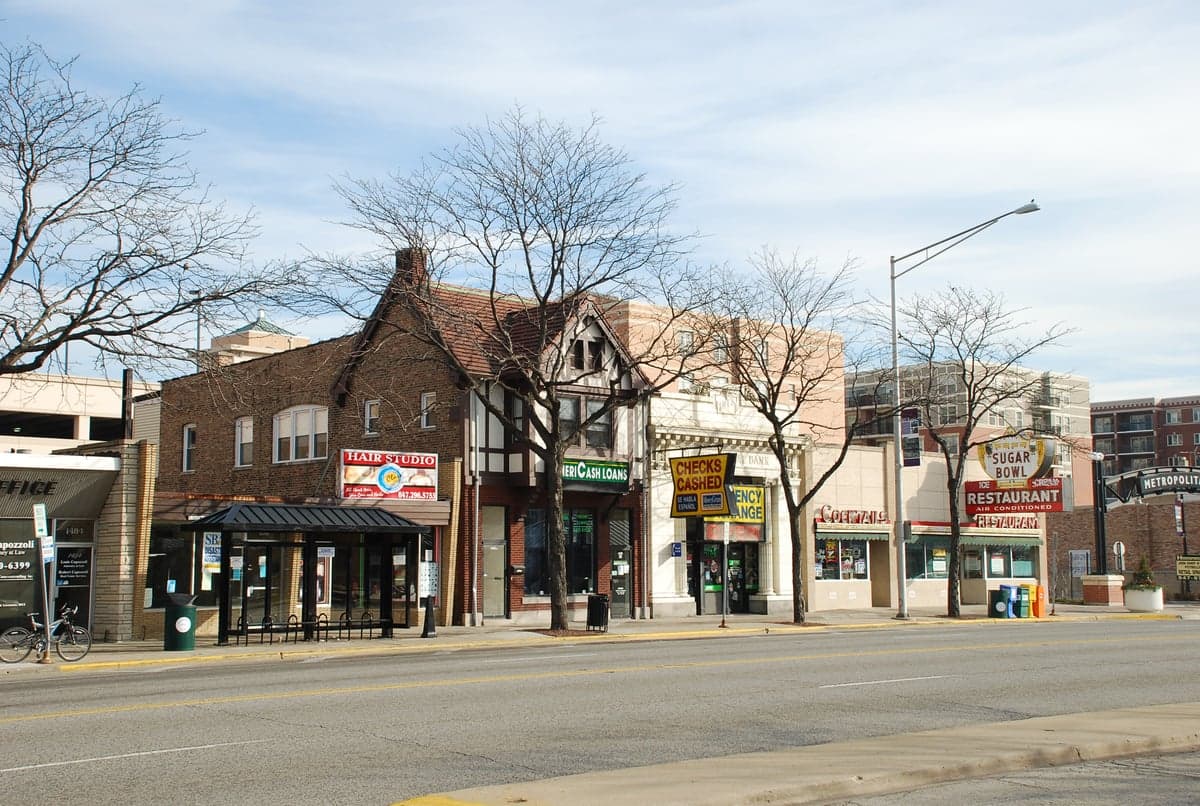
Des Plaines has a way of sneaking up on you. It’s not a flashy suburb, but after a few months here, you start to notice the rhythm: the sound of the Metra train rumbling through downtown, the smell of Polish sausage drifting from a corner deli, and the sight of kids biking to the public library on a summer afternoon. This is a place where people stay for decades—not because it’s perfect, but because it works. With a population just under 60,000 and a median age of 42.8, it’s a community that feels settled, not stagnant. If you’re looking for a suburb that balances affordability with genuine character, Des Plaines is worth a serious look.
The Daily Rhythm: Work, Errands, and Weekend Rituals
Most mornings here start with a commute. The average drive to work clocks in at about 28 minutes—long enough to finish a podcast, short enough to avoid road rage. Many residents head into Chicago via the Metra Union Pacific Northwest Line, which drops you downtown in under 40 minutes. For those who drive, the proximity to I-90 and I-294 is a double-edged sword: convenient for getting around, but traffic on the highways can snarl during rush hour. Once you’re home, the pace slows. Weekends often revolve around errands at the Golf Mill Shopping Center or a trip to the Des Plaines Farmers Market (May through October) at the Prairie Lakes Community Center. Families gravitate toward the Des Plaines History Center for a low-key afternoon, while singles might grab a beer at Mikerphone Brewing, a local nano-brewery that’s become a quiet hangout for craft beer enthusiasts. The weather shapes everything: winters are cold and snowy (expect to shovel), summers are humid but pleasant, and fall is genuinely beautiful, with the leaves turning along the Des Plaines River Trail.
Sports, Entertainment, and Where People Actually Go
High school sports are a big deal here. Maine West High School and Maine East High School draw solid crowds for Friday night football and basketball games, especially when rivalries heat up. For pro sports, it’s all about Chicago teams—Cubs, Bears, Bulls, Blackhawks—but the fandom is real. You’ll see flags and jerseys everywhere during the season. Beyond sports, entertainment leans local and low-key. The Des Plaines Theatre on Miner Street hosts live music and comedy acts, from cover bands to national touring artists. For outdoor activity, the Des Plaines River Trail runs for miles through the forest preserves, perfect for biking, running, or walking the dog. Lake Opeka in Lake Park offers paddleboats and fishing in the summer, and the park hosts the annual Des Plaines Fest (usually late June), a three-day block party with carnival rides, food vendors, and live bands. Restaurants are a strong point: Kappy’s American Grill is a classic spot for burgers and beer, Mitsuwa Marketplace (just north in Arlington Heights) draws people from across the region for its Japanese food court, and Gracie’s on Devon serves up solid Italian-American fare. For a late night, Moretti’s Ristorante & Pizzeria has a lively bar scene with karaoke on weekends.
Who Fits In Here—and Who Might Not
Des Plaines works best for people who value practicality over prestige. The median household income is $94,303, and the median home value sits at $318,200—well below the Chicago-area average, which means you can actually buy a house here without a six-figure down payment. The cost of living index is 119 (19% above the national average), but that’s typical for the region, and you get more square footage for your money than in closer-in suburbs like Evanston or Oak Park. About 38.7% of residents hold a college degree, so it’s a mix of white-collar and blue-collar households. Families dominate the scene—the schools (District 62 for elementary, District 207 for high school) are decent but not elite, and they anchor the community with events like school plays and sports tournaments. Single people might find the social scene a bit quiet, though the proximity to Chicago’s nightlife makes up for it. The cultural identity here is proudly blue-collar and diverse: you’ll hear Polish, Spanish, and Korean spoken in grocery stores, and the local Catholic churches (like St. Mary’s and St. Zachary) are community hubs. One quirk: the city is famously the home of the McDonald’s #1 Store Museum (the original Ray Kroc franchise), which locals treat with a mix of pride and eye-rolling—it’s a tourist stop, not a hangout.
Pros and Cons of Living in Des Plaines
- Pro: Affordability relative to the region. You can buy a solid single-family home for under $350K, which is rare in Cook County. Rentals are also reasonable compared to Chicago proper.
- Pro: Commute flexibility. The Metra station puts downtown Chicago within reach without the parking headaches. The highway access is good, though you’ll pay for it in traffic.
- Pro: Low violent crime. The violent crime rate is 106.1 per 100,000—well below the national average. Property crime is more of a concern, but most neighborhoods feel safe day-to-day.
- Con: Property taxes are high. Illinois is notorious for this, and Des Plaines is no exception. Expect to pay $5,000–$8,000 annually on a typical home, depending on the assessment.
- Con: Winters are real. Snow removal is handled well by the city, but the cold stretches from November to March. If you hate shoveling, this isn’t the place.
- Con: Not a nightlife destination. The bars and restaurants are solid but limited. For a big night out, you’re driving or taking the train into Chicago.
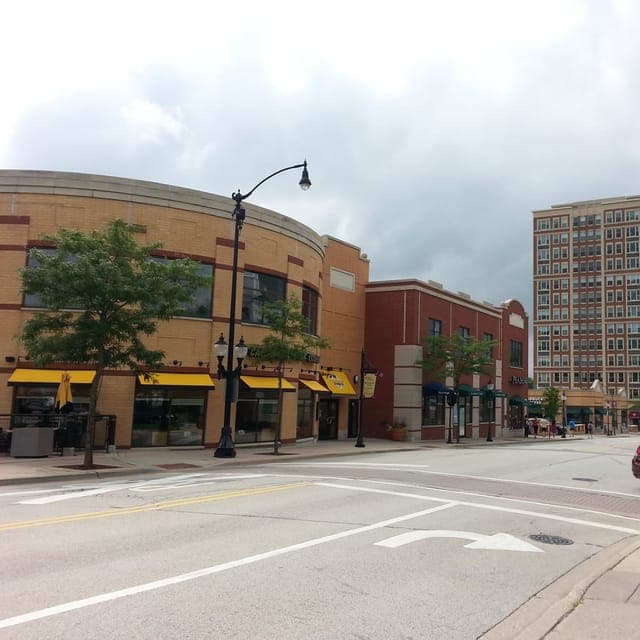
Longtime residents love the sense of stability—neighbors who’ve known each other for 30 years, block parties in the summer, and a city government that actually responds to pothole complaints. What frustrates them is the slow pace of change: downtown Des Plaines has seen redevelopment efforts (like the new apartment buildings near the Metra station), but it still feels a bit sleepy compared to suburbs like Arlington Heights or Schaumburg. The schools are a mixed bag—District 62 is solid for elementary, but high school options are limited to Maine West and Maine East, which have varying reputations. For families, the trade-off is clear: you get a safe, affordable home base with decent schools, but you won’t find the academic prestige of a Naperville or a Barrington. For singles, the appeal is the easy access to Chicago’s job market and social scene, with a quieter place to come home to. It’s not a suburb that tries to impress you—it’s one that grows on you, year by year.

Similar small cities to Des Plaines
* Values derived from national, state, county, city and local statistics and may differ in a specific area. Last updated: 2026-04-23T09:59:48.000Z
Narrative content on this page is AI-generated and may contain mistakes. Verify any details that matter before acting on them.
ReloMaps may earn a commission from affiliate links at no extra cost to you.

