 Popular
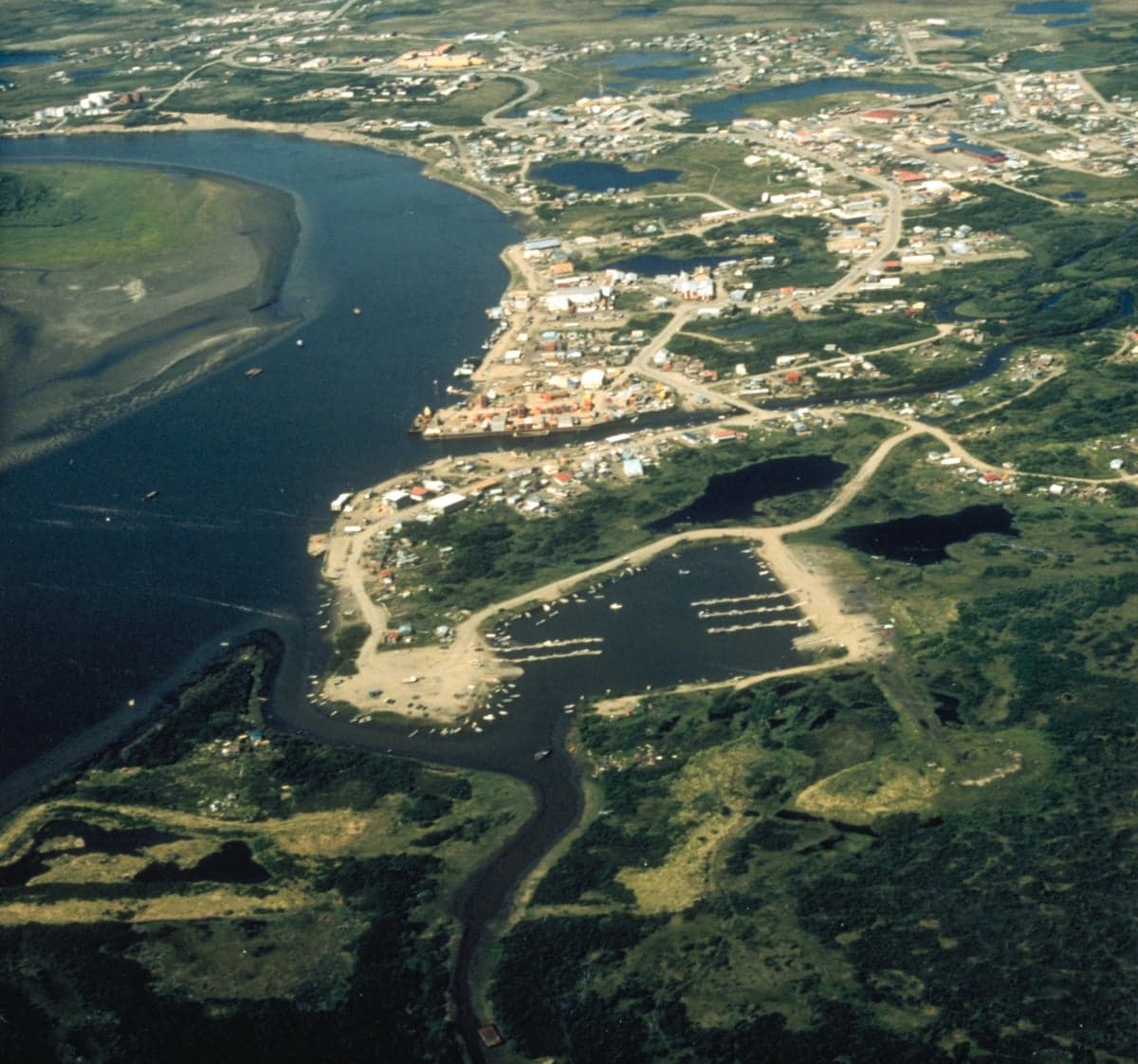
Photo: Wikipedia
Quality of Life in Bethel, AK
Above-average quality of iife. The area offers a reasonable cost of living, decent mobility, and a mix of neighborhood amenities.
What does Quality of Life tell us?
Quality of Life blends cost of living, nearby amenities, socioeconomic signals, and neighborhood character. City-level scores represent the whole municipality; individual neighborhoods can differ.
What does this tell us?
Quality of Life blends cost of living, nearby amenities, socioeconomic signals, and neighborhood character. City-level scores represent the whole municipality; individual neighborhoods can differ.
Cost of Living
36% above national average
The Real Cost of Living in Bethel, AK for 2026
| Tier | Individual | Family (4) |
|---|---|---|
| Survival | $26k | $50k |
| Comfortable | $69k | $101k |
| Luxury | $143k+ | $221k+ |
| Elite (Top 5%) | $168k+ | $260k+ |
108%
The Area Signal
A metric tracking the socioeconomic signals of the area.


Hobbies
Explore the areaGroceries
4 within 10 miles
Gas
0 within 10 miles
Hospital
3 within 20 miles
Airport
Bethel Seaplane Base
Post Office
USPS — Bethel, AK
Critical Amenities
Quality-of-Life Analysis
Bethel, Alaska, presents a unique quality-of-life profile shaped by its remote location as the regional hub of the Yukon-Kuskokwim Delta. With a cost of living index of 136 (36% above the U.S. average), the area is notably less affluent than its high prices might suggest, drawing a population of primarily Yup'ik Alaska Natives, public-sector employees, and healthcare workers who value cultural connection and community resilience over material wealth. The median household income of roughly $58,000 struggles to keep pace with expenses, making Bethel a place where financial trade-offs are a daily reality for most residents.
Cost of living, housing affordability, and how Bethel compares to nearby communities
Housing in Bethel is the primary driver of its elevated cost of living, with a median home value of $354,400—comparable to suburban Anchorage but far higher than any community on the road system. Median rent sits at $1,657, a figure that often consumes over 40% of a household's gross income, pushing many residents into shared or subsidized housing. Unlike the Anchorage Bowl or Fairbanks, where lower land costs and road access moderate prices, Bethel's isolation means nearly all building materials and labor must be flown or barged in, inflating construction and renovation costs by 30-50%. The average commute of just 19.5 minutes is a rare bright spot, reflecting the town's compact layout—most residents walk, bike, or drive short distances between work, school, and the airport. For context, a comparable home in Dillingham or Nome would cost 10-15% less, but those communities lack Bethel's hospital, college, and retail infrastructure, making the higher housing price a trade-off for access to essential services.
What daily life is like for families: amenities, schools, and community rhythm
Daily life in Bethel revolves around a tight-knit, seasonal rhythm defined by subsistence activities—fishing for salmon, berry picking, and hunting—alongside a modest set of urban amenities. The Kuskokwim Campus of the University of Alaska Fairbanks offers associate degrees and vocational training, while the Lower Kuskokwim School District operates several K-12 schools, including Bethel Regional High School, which serves roughly 400 students. Healthcare is anchored by the Yukon-Kuskokwim Health Corporation, a tribal consortium that runs a 50-bed hospital and employs over 1,400 people, making it the largest employer in the region. Groceries at the local AC Value Center or Swanson's run 40-60% higher than Anchorage prices, with a gallon of milk often exceeding $8 and fresh produce arriving by air only twice a week. Entertainment is limited to the Yukon-Kuskokwim Community Center, a bowling alley, and the annual Kuskokwim 300 sled dog race, which draws mushers from across Alaska. Families with children find a safe, slow-paced environment where outdoor play is year-round, but those seeking shopping malls, movie theaters, or diverse dining will need to plan trips to Anchorage—a $500 round-trip flight away.
Bethel is best suited for individuals and families who prioritize cultural immersion, community service, or subsistence living over career advancement and material convenience. Healthcare professionals, educators, and public administrators who can secure housing subsidies or employer-provided lodging will find the financial burden more manageable. Retirees on fixed incomes may struggle with the high cost of food and utilities, while young professionals seeking nightlife or career mobility should look to Anchorage or the Lower 48. For those who thrive in a place where neighbors know each other, the river is a highway, and traditional Yup'ik values shape daily interactions, Bethel offers a quality of life unmatched by any other American town—but it demands a willingness to pay a steep premium for that privilege.

Crime in Bethel, AK
Higher crime rates than 61% of comparable U.S. locations.
Violent CrimeViolent Crime Analysis
Property CrimeProperty Crime Analysis
Crime Analysis
Bethel, Alaska, reports a violent crime rate of 1,136.4 per 100,000 residents and a property crime rate of 852.3 per 100,000, placing it well above both state and national averages. These figures indicate a significant public safety challenge, particularly for a remote community of roughly 6,300 people. The city’s geographic isolation and limited law enforcement resources compound the impact of these crime statistics on daily life.
Crime in context
Bethel’s violent crime rate is nearly three times the national average of roughly 380 per 100,000 and significantly higher than Alaska’s state rate of about 800 per 100,000. Property crime, while lower than violent crime in Bethel, still exceeds the national average of approximately 1,950 per 100,000. These numbers place Bethel among the higher-crime communities in Alaska, a state that already leads the nation in per-capita violent crime. The Alaska Department of Public Safety and local tribal police are the primary law enforcement agencies, but response times can be slow due to the vast, roadless terrain.
What residents experience
Residents report that violent incidents, including assault and sexual assault, are the most pressing concerns, often linked to high rates of alcohol and substance abuse. The community’s small size means that victims and offenders are frequently known to one another, which can create a climate of fear and underreporting. Property crimes like burglary and theft are also common, particularly targeting homes and vehicles left unsecured. The local judicial system, including the Bethel District Court, operates under state-level policies; Alaska has seen a trend toward progressive sentencing reforms in recent years, which some critics argue prioritizes offender rehabilitation over public safety. This approach can result in shorter sentences and more offenders remaining in the community, directly impacting victim confidence and increasing the perception of risk among law-abiding residents.
Neighborhood-level variation
Crime in Bethel is not evenly distributed. The core commercial area around the Bethel airport and the main hospital tends to see more property crime, while residential neighborhoods—particularly those with higher concentrations of public housing—report more violent incidents. The outlying villages within the Yukon-Kuskokwim Delta, accessible only by air or river, often have even higher rates of violent crime due to extreme isolation and limited policing. Within Bethel itself, areas near the Kuskokwim River and the old hospital district are considered higher-risk, while newer subdivisions on the outskirts may offer slightly lower crime exposure. However, no neighborhood in Bethel is immune from the broader safety challenges facing the community.
* Values derived from national, state, county, city and local statistics and may differ in a specific area. Last updated: 2026-04-19T19:15:28.000Z
Narrative content on this page is AI-generated and may contain mistakes. Verify any details that matter before acting on them.
ReloMaps may earn a commission from affiliate links at no extra cost to you.

