 Popular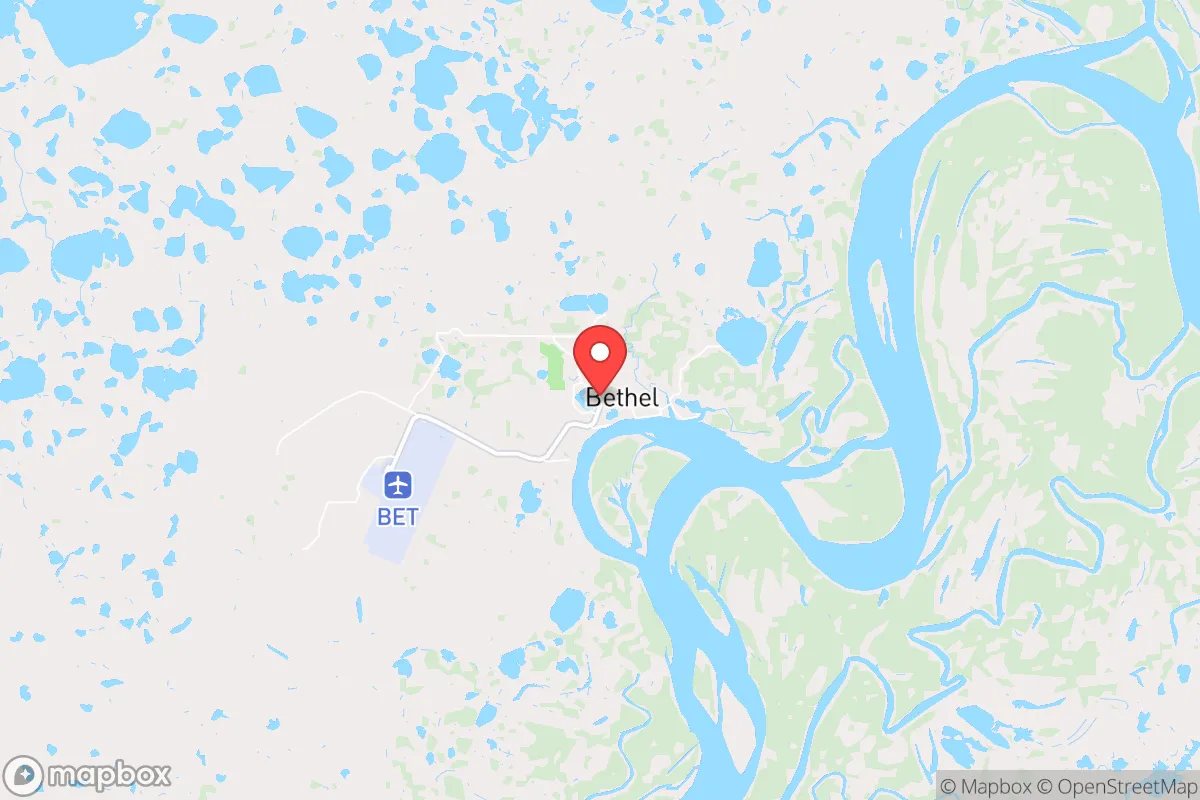
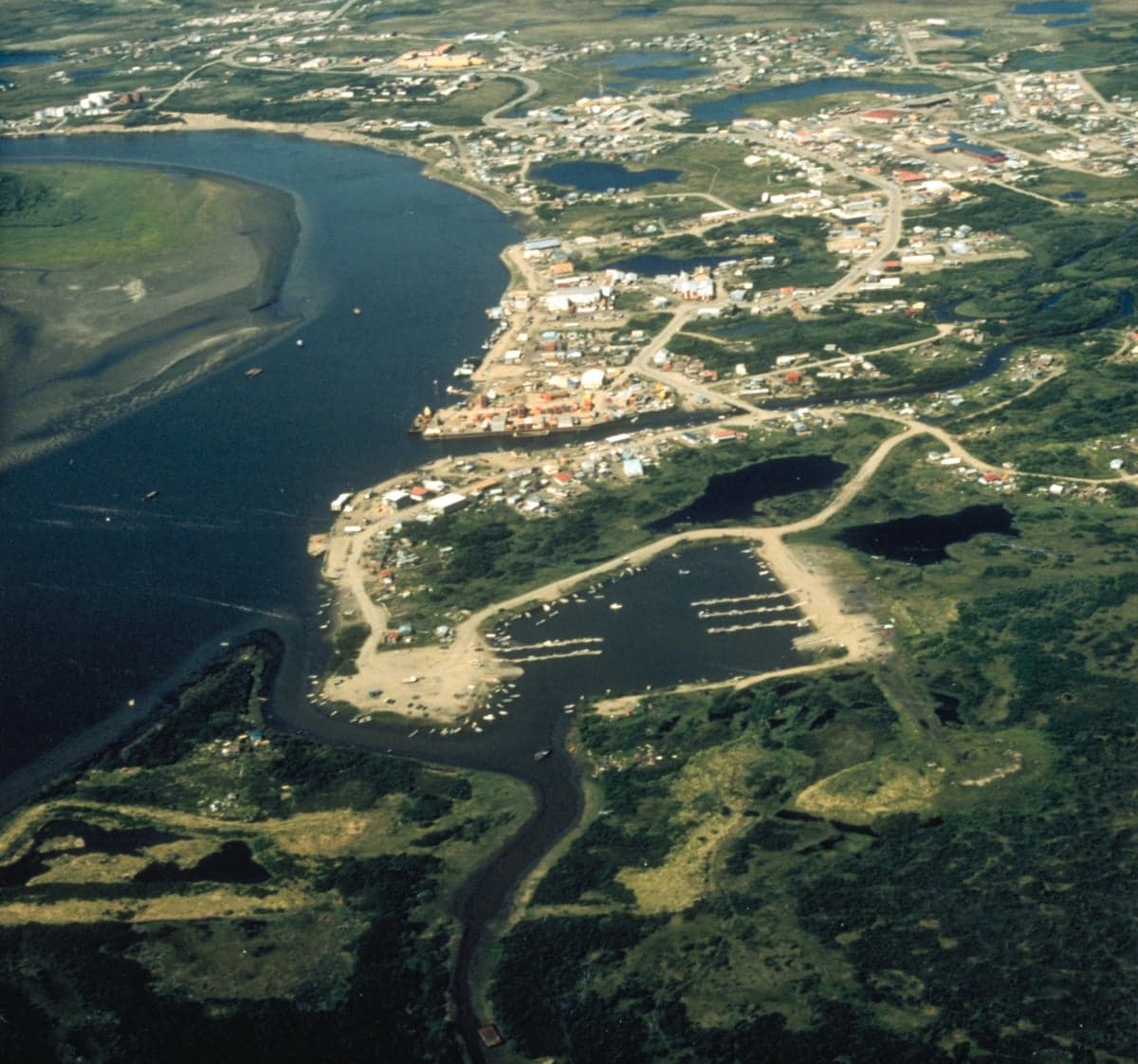
Photo: Wikipedia
Political ClimatePolitical Climate in Bethel, AK
District shown is the primary district for this city’s centroid. Cities may span multiple districts.
Inherited from parent state — no local data available.
Local Political AnalysisPolitical Analysis of Bethel, AK
Bethel’s political climate has long been a quiet, conservative stronghold in a region that otherwise leans left, but that’s shifting in ways that should give any freedom-minded resident pause. The Cook PVI of R+6 tells you the math: this area has historically voted Republican by a solid margin, and for good reason—folks here value self-reliance, local control, and keeping government out of their daily lives. But over the last decade, you’ve seen a slow creep of progressive influence, especially from Anchorage and the state capital in Juneau, that’s testing those old values. If you’re looking for a place where your rights to hunt, fish, and run your own life without a bureaucrat’s permission are still respected, Bethel’s still a decent bet—but you’ve got to keep an eye on the trends.
How it compares
Compared to the surrounding villages like Napaskiak or Kwethluk, Bethel is actually more conservative on paper—those smaller communities often vote Democrat due to heavy reliance on federal subsidies and tribal programs. But the real contrast is with Anchorage, 400 miles to the south, where progressive policies on land use, education, and public health have taken hold. In Bethel, you still see a strong preference for limited government: local leaders push back against state mandates on everything from school curriculum to subsistence hunting rules. That R+6 rating isn’t just a number—it reflects a community that remembers when the feds weren’t in every corner of your life. Still, the younger generation, many of whom leave for college in Anchorage or Fairbanks, are coming back with ideas that don’t always fit the old way of doing things. That’s where the tension is.
What this means for residents
For the average Bethel resident, the political climate directly affects your wallet and your freedoms. Property taxes are low, and there’s no state income tax—a big deal when you’re trying to make ends meet in a place where everything costs double what it does down south. But you’re seeing more pressure from Juneau to adopt progressive policies on carbon emissions and land use that could hit your hunting and fishing rights hard. The real red flag is the push for expanded government oversight in education and healthcare—mandates that sound good in a city council meeting but land on your doorstep as higher costs and less choice. If you value the ability to homeschool, choose your own doctor, or carry a firearm without a permission slip, Bethel’s still a safer bet than most of Alaska’s urban centers. But the trajectory is concerning: each election cycle brings more ballot measures that chip away at local control.
Culturally, Bethel has always been a place where community ties matter more than party labels—neighbors help neighbors, and nobody asks for your voter registration before lending a hand. That’s the good part. But the policy distinctions are real: Bethel’s resistance to state-level mandates on subsistence fishing and land use is a direct fight for personal freedom, not just a political stance. The long-term outlook depends on whether the next generation holds onto that independent spirit or trades it for the kind of top-down governance that’s already creeping in from the cities. For now, if you’re a conservative who wants to live your life without a government checklist, Bethel’s still worth a look—just don’t expect it to stay that way without some pushback.

State Political ClimatePolitical Climate in Alaska
State Political AnalysisPolitical Environment in the State
Alaska has long been a unique political outlier—a state where a fierce libertarian streak, resource-dependent economy, and deeply independent culture create a conservative lean that’s more about personal freedom than party loyalty. Over the past 20 years, the state has shifted from reliably Republican to a more volatile battleground, but the underlying ethos remains: Alaskans distrust government overreach, value gun rights, and want control over their own land and lives. The 2022 governor’s race saw Republican Mike Dunleavy win with 50.4%, while the 2024 presidential election saw Donald Trump carry the state by 13 points—a narrower margin than in 2020, signaling a slow but real demographic and ideological shift, especially in the urban core.
Urban vs. rural divide
The political map of Alaska is starkly divided between the Anchorage bowl and the rest of the state. Anchorage, home to roughly 40% of the population, has become the state’s progressive engine—its 2024 results leaned Democratic by about 8 points, driven by younger transplants, federal workers, and a growing service economy. The Mat-Su Valley, just north of Anchorage, is the conservative heartland: Wasilla and Palmer routinely vote 65-70% Republican, fueled by homesteaders, oil workers, and military families. Fairbanks, the interior hub, is more mixed—its university and military presence create a purple zone, but the surrounding boroughs are deep red. Juneau, the capital, is reliably blue, thanks to state government employees and a tourism-driven economy. The true rural divide is between the road system and the bush: villages like Bethel and Nome vote heavily Democratic due to tribal influence and federal dependency, while the Kenai Peninsula (Soldotna, Homer) leans conservative but with a strong libertarian, anti-regulation streak. The 2022 redistricting actually diluted Anchorage’s blue vote by adding more rural precincts, a move that kept the state’s congressional delegation red.
Policy environment
Alaska’s policy environment is defined by its lack of a state income tax or statewide sales tax—a huge draw for conservatives fleeing high-tax states. The state relies on oil revenue and the Permanent Fund Dividend (PFD), which in 2024 paid $1,702 per resident. This creates a unique dynamic: residents expect government services without heavy taxation, but it also makes the state vulnerable to oil price swings. Education policy is a flashpoint—Alaska ranks near the bottom nationally in per-pupil spending, and the 2023 veto of a bipartisan education funding bill by Governor Dunleavy sparked a bitter fight with the legislature. School choice is limited, but homeschooling is popular, especially in rural areas. Healthcare is a mixed bag: the state expanded Medicaid in 2015, but the 2023 repeal of the state’s certificate-of-need laws for hospitals was a win for free-market advocates. Election laws are relatively open—Alaska uses a top-four primary system and ranked-choice voting, both passed by ballot initiative in 2020. This has been controversial among conservatives, with many viewing it as a way to dilute Republican power. The 2024 repeal effort failed, but the issue remains a live wire. Gun laws are among the most permissive in the nation: no permit required for concealed carry, no magazine limits, and a strong preemption law that blocks local restrictions. The 2023 passage of a “Second Amendment Preservation Act” explicitly prohibits state enforcement of any future federal gun bans.
Trajectory & freedom
Alaska is currently in a tug-of-war between expanding and contracting personal freedom. On the positive side, the 2023 repeal of certificate-of-need laws for healthcare facilities was a clear win for medical freedom and competition. The 2024 passage of a parental rights bill (SB 24) requires schools to notify parents of any changes to a child’s mental or physical health, a direct response to progressive gender ideology in schools. Property rights remain strong—Alaska has no statewide zoning, and the 2022 “Right to Farm” law protects agricultural operations from nuisance lawsuits. However, there are concerning trends. The 2020 ranked-choice voting initiative was seen by many as a backdoor to weaken conservative influence, and the 2024 attempt to repeal it failed by only 4 points. The state’s heavy reliance on federal funding (over 40% of the budget) creates a vulnerability to federal overreach, especially on environmental regulations that threaten oil and mining. The 2023 Biden administration’s restrictions on oil leasing in the Arctic National Wildlife Refuge (ANWR) were a direct assault on Alaska’s sovereignty, and the state’s lawsuit against it is ongoing. Gun rights remain secure, but the 2024 “red flag” law proposal (HB 123) was defeated in committee—a sign that the fight is not over. The biggest freedom concern is the growing influence of Anchorage’s progressive politics, which has led to local ordinances on plastic bags, rental regulations, and homeless encampments that would be unthinkable in the rest of the state.
Civil unrest & political movements
Alaska has not seen the large-scale protests common in the Lower 48, but there are persistent flashpoints. The 2020 Black Lives Matter protests in Anchorage were relatively small (a few hundred people) but sparked a backlash that energized conservative groups. The “Alaska Independence Party,” which advocates for secession from the United States, remains a fringe but vocal presence, especially in the Mat-Su Valley. Immigration politics are less visible here than in border states, but the 2023 influx of migrants via the northern border (Canada) raised concerns, with Governor Dunleavy deploying state troopers to monitor crossings. Election integrity has been a major issue since 2020—the 2022 election saw a lawsuit over ballot curing procedures, and the 2024 ranked-choice voting debate led to heated town halls in Wasilla and Palmer. The most visible political movement is the “PFD Forever” campaign, which fights any attempt to reduce or means-test the Permanent Fund Dividend. This has united libertarians, conservatives, and even some Democrats in a populist coalition. There is also a growing “Don’t California My Alaska” sentiment, driven by in-migration from California and Washington, which has fueled local activism around zoning, property rights, and school curriculum. The 2023 “Book Ban” controversy in the Mat-Su Borough School District, where parents challenged dozens of books on gender and race, was a microcosm of the national culture war playing out in Alaska’s suburbs.
Projection
Over the next 5-10 years, Alaska is likely to become more politically divided, not less. The Anchorage bowl will continue to drift left as it attracts remote workers, federal employees, and retirees from blue states. The Mat-Su Valley and Kenai Peninsula will double down on conservatism, potentially becoming more radicalized as they feel culturally besieged. The wild card is the Permanent Fund Dividend—if oil revenues decline and the PFD is cut, the populist coalition that currently holds the state together could fracture. In-migration is a double-edged sword: the 2023-2024 data shows a net inflow of about 5,000 people per year, mostly from California, Texas, and Washington. Many are conservatives fleeing high taxes, but a significant number are progressives seeking outdoor lifestyles. The ranked-choice voting system will likely survive, which means more competitive races and a potential shift toward centrist or independent candidates. The biggest threat to freedom is federal overreach—if the Biden or a future administration restricts oil drilling, mining, or logging, Alaska’s economy and political stability will suffer. The state’s best defense is its independent streak and its ability to unite across party lines against external threats. A new resident moving to Alaska in 2026 should expect a state that is still freer than most, but where the culture war is intensifying, especially in the schools and local government.
For a conservative-leaning individual or family, Alaska offers a rare combination of low taxes, strong gun rights, and a culture of self-reliance that is increasingly hard to find in the Lower 48. The practical takeaway is this: choose your location carefully. The Mat-Su Valley (Wasilla, Palmer) or the Kenai Peninsula (Soldotna, Homer) will give you a like-minded community and local government that respects property rights and parental control. Anchorage and Juneau are increasingly hostile to conservative values, with progressive school boards and city councils. The state’s political trajectory is uncertain, but its foundational freedom—the absence of income tax and the right to live without excessive regulation—remains intact. If you’re willing to engage in local politics and defend those freedoms, Alaska is still a refuge. If you’re looking for a place where the culture war is already won, you may need to look to the interior or the bush. Either way, come prepared to fight for what you believe in—that’s the Alaska way.
* Values derived from national, state, county, city and local statistics and may differ in a specific area. Last updated: 2026-04-19T19:15:28.000Z
Narrative content on this page is AI-generated and may contain mistakes. Verify any details that matter before acting on them.
ReloMaps may earn a commission from affiliate links at no extra cost to you.

