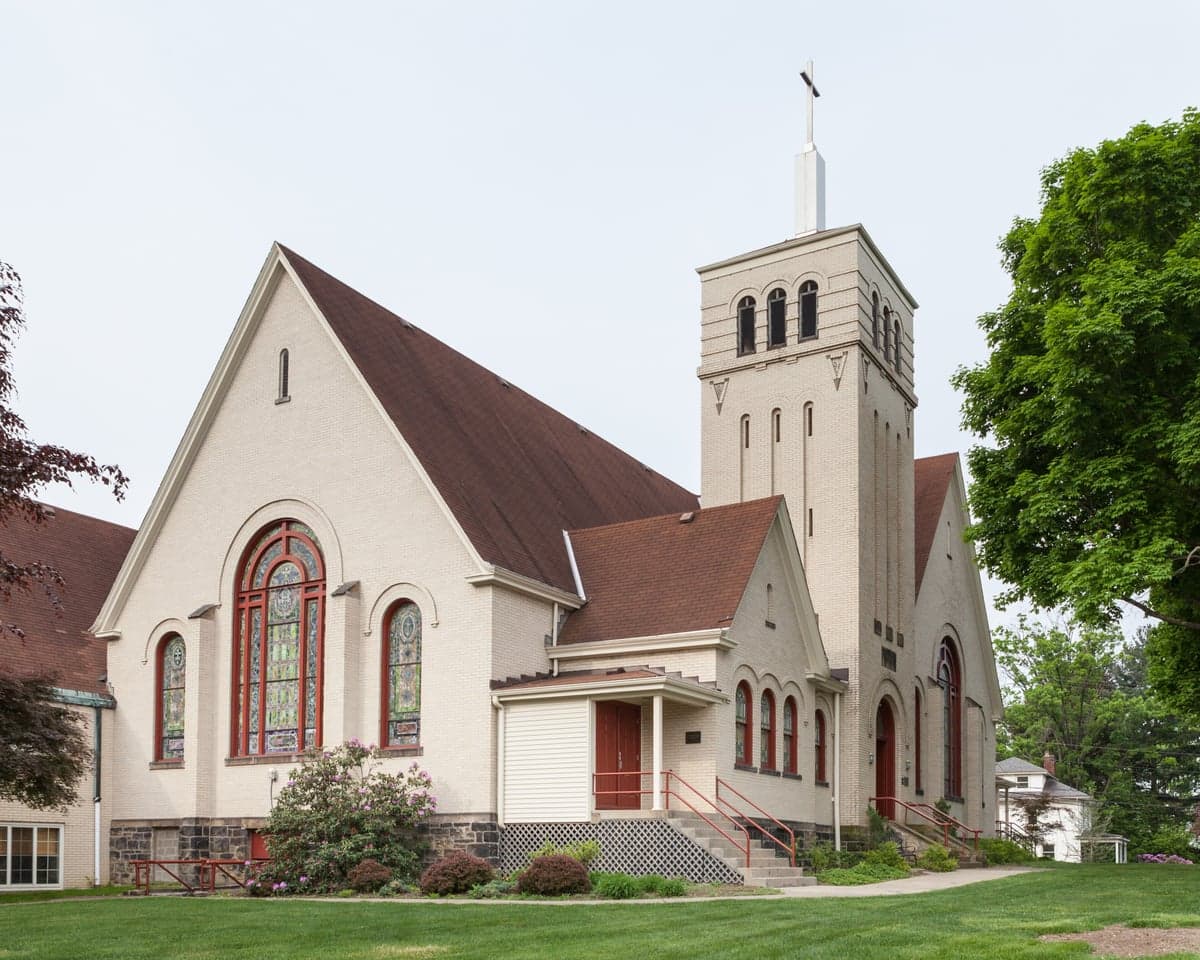
Photo: Wikipedia
Political ClimatePolitical Climate in Bethel Park, PA
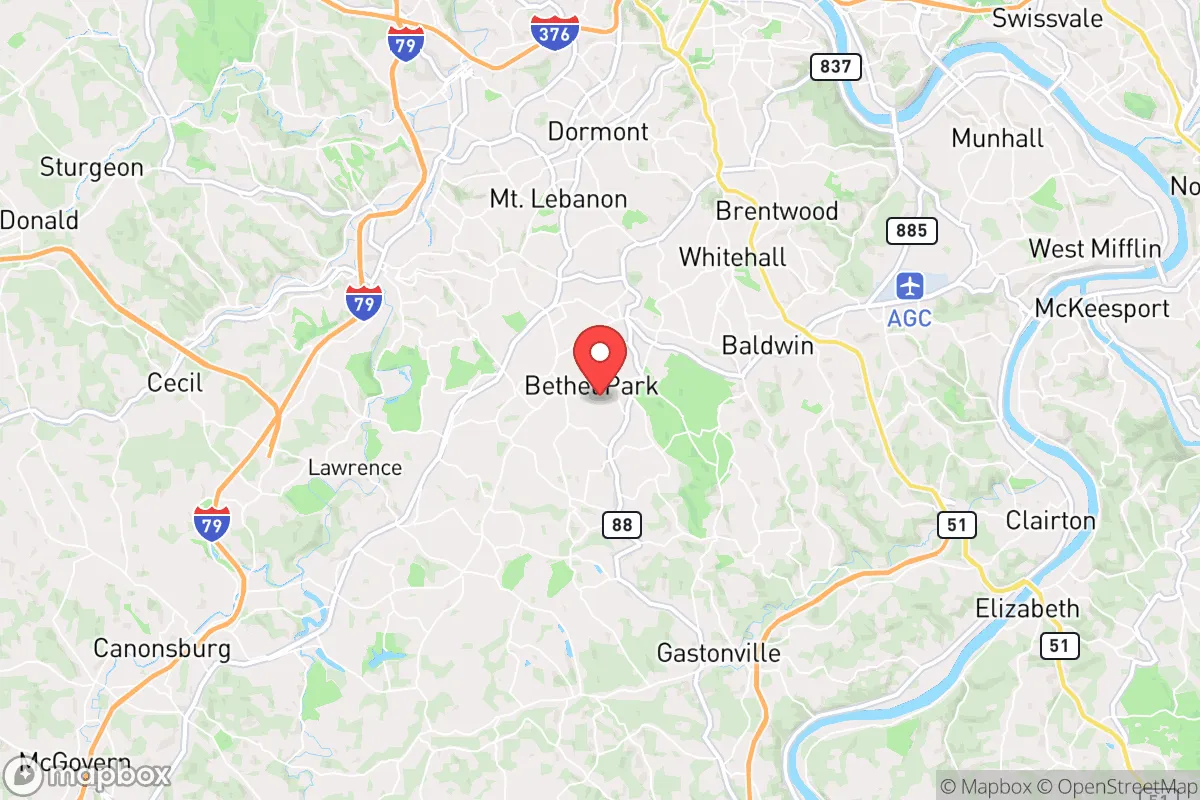
District shown is the primary district for this city’s centroid. Cities may span multiple districts.
Local Political AnalysisPolitical Analysis of Bethel Park, PA
Bethel Park has a Cook PVI of D+10, meaning it leans significantly more Democratic than the nation as a whole, but don't let that number fool you into thinking it's a monolith. This area used to be a rock-solid Republican stronghold, and a lot of us remember when you could count on the local elections to reflect that. Over the last decade or so, you've seen a real shift, especially in the last few election cycles, as the Pittsburgh suburbs have moved leftward. It's not a radical change overnight, but the trajectory is clear, and it's something that folks who value limited government and personal freedoms are watching closely.
How it compares
To really understand Bethel Park, you have to look at the towns around it. Head south a few miles into Peters Township or Upper St. Clair, and you'll find communities that have held onto a more conservative lean, with Republican candidates often winning local races. But Bethel Park sits right on the edge of that. It's closer to the city of Pittsburgh, and you can feel that influence. Places like Mt. Lebanon and Dormont, just to the north, are even more progressive, with policies that often feel like they're coming straight from the city itself. So Bethel Park is kind of a battleground within a battleground. You see it in school board meetings and township council races—the old guard trying to keep taxes low and regulations light, versus newer voices pushing for more government involvement in everything from zoning to curriculum. It's a real contrast, and it's getting sharper every year.
What this means for residents
For someone who's lived here a while, the biggest concern is how this political shift translates into everyday life. You start seeing more ordinances that feel like overreach—things like stricter noise complaints, more hoops to jump through for home renovations, and a general attitude that the township knows better than you do. The school district, which used to be a point of pride for its straightforward approach, is now a hotbed of debate over curriculum and parental rights. Property taxes are always a sore spot, and as the political climate gets more progressive, there's a real fear that those taxes will climb faster to fund programs that not everyone agrees with. It's not a crisis yet, but it's a slow creep that makes you wonder how much longer the place will feel like home for people who just want to be left alone.
One thing that stands out culturally is the tension between the old, family-owned businesses and the new chains and developments that come with a more urban mindset. The local gun club and the VFW still have a strong presence, but they're not the center of community life like they used to be. You also see it in the local elections—school board and township supervisor races are where the real fights happen now, not just the presidential ones. If you're looking at moving here, just know that the "live and let live" attitude that made Bethel Park great is under pressure. It's still a good place to raise a family, but you'll want to pay close attention to who's running for local office, because that's where the future of this town is being decided.

State Political ClimatePolitical Climate in Pennsylvania
State Political AnalysisPolitical Environment in the State
Pennsylvania is a classic swing state, but the political ground has shifted dramatically over the last 20 years. It’s no longer the reliably blue Keystone State of the 1990s; it’s a true battleground that broke for Trump in 2016, flipped back to Biden by a razor-thin margin in 2020, and remains deeply divided. The dominant coalition is a shrinking, union-heavy Democratic base in the southeast and southwest metros, pitted against a growing, energized conservative coalition in the central, northern, and western rural regions. The trajectory is a slow, grinding rightward shift in the exurbs and small cities, even as Philadelphia and Pittsburgh stay solidly blue.
Urban vs. rural divide
The political map of Pennsylvania is a textbook study in the urban-rural chasm. Philadelphia and its collar counties—Montgomery, Delaware, Chester—are the engine of the Democratic vote, delivering margins that can swamp the rest of the state. Pittsburgh and Allegheny County are similarly blue, though less overwhelmingly so. The real story is the red wave in the "T": the vast rural expanse from Erie down through the center and east to the Poconos. Counties like Lycoming, Bradford, and Tioga routinely vote 70%+ Republican. The critical battlegrounds are the suburban and exurban counties that have been trending red: Luzerne County (Wilkes-Barre) flipped hard from Obama to Trump, and Northampton County (Bethlehem) is a perennial toss-up. Meanwhile, Erie County on the lake has become a bellwether, swinging with the national tide. The divide isn’t just rural vs. city; it’s the old industrial towns—like Scranton and Johnstown—that have shifted from union Democrat to culturally conservative Republican.
Policy environment
Pennsylvania’s policy environment is a mixed bag for conservatives. The good news: there is no state income tax on retirement income (401k, pensions, Social Security), which is a major draw for retirees. The flat personal income tax rate is a low 3.07%, and the state sales tax is 6% (with exemptions for food and clothing). Property taxes, however, are among the highest in the nation, especially in the southeast, and there’s no statewide cap. On regulation, Pennsylvania is a "home rule" state, meaning cities like Philadelphia can impose their own gun laws, which they do aggressively—a major red flag for Second Amendment advocates. The state has a preemption law, but it’s constantly under legal attack. Education policy is a flashpoint: the state has a school voucher program (the Educational Improvement Tax Credit) but it’s limited and underfunded. The governor’s office has been a battleground, with Democrat Josh Shapiro pushing for expanded voting access (no-excuse mail-in voting was made permanent in 2019) and a higher minimum wage, while the Republican-controlled legislature blocks most of it. Election laws are a mess: the state uses paper ballots with scanners, but the 2020 election saw massive legal fights over mail-in ballot deadlines and drop boxes. The state’s voter ID law is weak—you can show a utility bill, not just a photo ID.
Trajectory & freedom
On the freedom front, Pennsylvania is a state in flux, and the trend is concerning for conservatives. The biggest win for liberty in recent years was the constitutional carry law (Act 79 of 2022), which eliminated the permit requirement for open and concealed carry. That was a massive victory for Second Amendment rights. However, the state’s preemption law is under constant siege from Philadelphia and Pittsburgh, which have passed their own restrictions on firearms in public parks and government buildings. On parental rights, the state has no "Don’t Say Gay" law, and the Department of Education has pushed LGBTQ+ inclusive curriculum guidelines that have sparked fierce local battles. The transgender athlete issue is live: the legislature passed a bill (HB 972) to ban biological males from girls’ sports, but Governor Shapiro vetoed it in 2023. Medical freedom took a hit with the state’s strict COVID-19 mandates, which included a statewide school mask mandate that lasted into 2022—a major overreach that galvanized the conservative base. Property rights are generally strong, but the state’s Act 47 program for distressed municipalities can lead to state takeover of local finances, as seen in Harrisburg and Scranton. The trajectory is a tug-of-war: the legislature passes conservative bills, the governor vetoes them, and the courts often side with the progressive side.
Civil unrest & political movements
Pennsylvania has seen its share of political flashpoints. The 2020 election integrity controversy was centered here, with the state Supreme Court’s 4-3 Democratic majority extending the mail-in ballot deadline, leading to endless litigation and a lingering distrust among conservatives. The January 6th Capitol riot had a significant Pennsylvania connection, with several residents charged. On the ground, the Pennsylvania Freedom Caucus in the state House is a powerful, organized force pushing for election reform, school choice, and anti-abortion legislation. The Moms for Liberty movement has a strong presence in suburban counties like York and Cumberland, fighting school board battles over library books and curriculum. Immigration politics are less visible than in border states, but the influx of migrants to Philadelphia has strained city services and created friction. The city is a self-declared "sanctuary city," which is a major point of contention with the state legislature. There have been no serious secession movements, but the "state of Jefferson" rhetoric occasionally surfaces in the rural north. The most visible flashpoint for a new resident would be the constant political advertising—Pennsylvania is the most expensive media market in the country for political ads, and you will be bombarded every election cycle.
Projection
Over the next 5-10 years, Pennsylvania is likely to remain a purple state, but the shade is shifting. The demographic trends favor the GOP: the population is aging, and the state is losing young people to the Sun Belt. The in-migration is mostly from New York and New Jersey, and those newcomers are often fiscally conservative but socially moderate—they’re not going to turn the state red overnight. The wild card is the suburban shift: counties like Bucks and Montgomery are becoming more diverse and more Democratic, while the exurbs like Berks and Lebanon are getting redder. The state’s electoral votes will likely remain competitive, but the legislature is likely to stay Republican for the foreseeable future due to gerrymandering and geographic concentration. The biggest threat to freedom is the potential for a Democratic trifecta (governor + both chambers), which would likely bring a state-level assault on gun rights, a higher income tax, and a push for a state-run health insurance option. For now, the divided government acts as a brake, but it’s a fragile one.
Bottom line for a new resident: If you’re a conservative looking for a state where your vote matters, Pennsylvania is a high-stakes battleground. You’ll find a strong, organized conservative movement in the rural areas and exurbs, but you’ll also face constant political warfare over school boards, gun rights, and taxes. The property tax burden is real, and the state’s blue cities will continue to push progressive policies that affect the whole state. If you want a place where your values are the majority, look to the central or northern counties. If you want to be in the fight, the suburbs of Philadelphia or Pittsburgh are where the action is. Just be prepared for a state that is always, always contested.
* Values derived from national, state, county, city and local statistics and may differ in a specific area. Last updated: 2026-05-01T16:27:44.000Z
Narrative content on this page is AI-generated and may contain mistakes. Verify any details that matter before acting on them.
ReloMaps may earn a commission from affiliate links at no extra cost to you.

