Photo: Wikipedia
Demographics of Bloomfield Hills, MI
Affluence Level in Bloomfield Hills, MI
A wealthy area with high-earning, well-educated households. Incomes, home values, and educational attainment meaningfully outpace national averages.
People of Bloomfield Hills, MI
The people of Bloomfield Hills, Michigan, today form one of the most affluent and highly educated communities in the state, with a population of 4,412 that is 85.4% white, 3.8% Black, 2.2% East/Southeast Asian, 1.1% Hispanic, and 0.7% Indian (subcontinent). The city is characterized by its low density, large estate lots, and a strong identity as a historic enclave of old money and executive-level professionals, with 79.3% of residents holding a college degree. Unlike many Detroit suburbs, Bloomfield Hills has maintained a stable, high-income profile with minimal ethnic turnover, though it has seen modest diversification in recent decades. The foreign-born population stands at 6.9%, a figure that reflects selective immigration rather than broad demographic change.
How the city was settled and grew
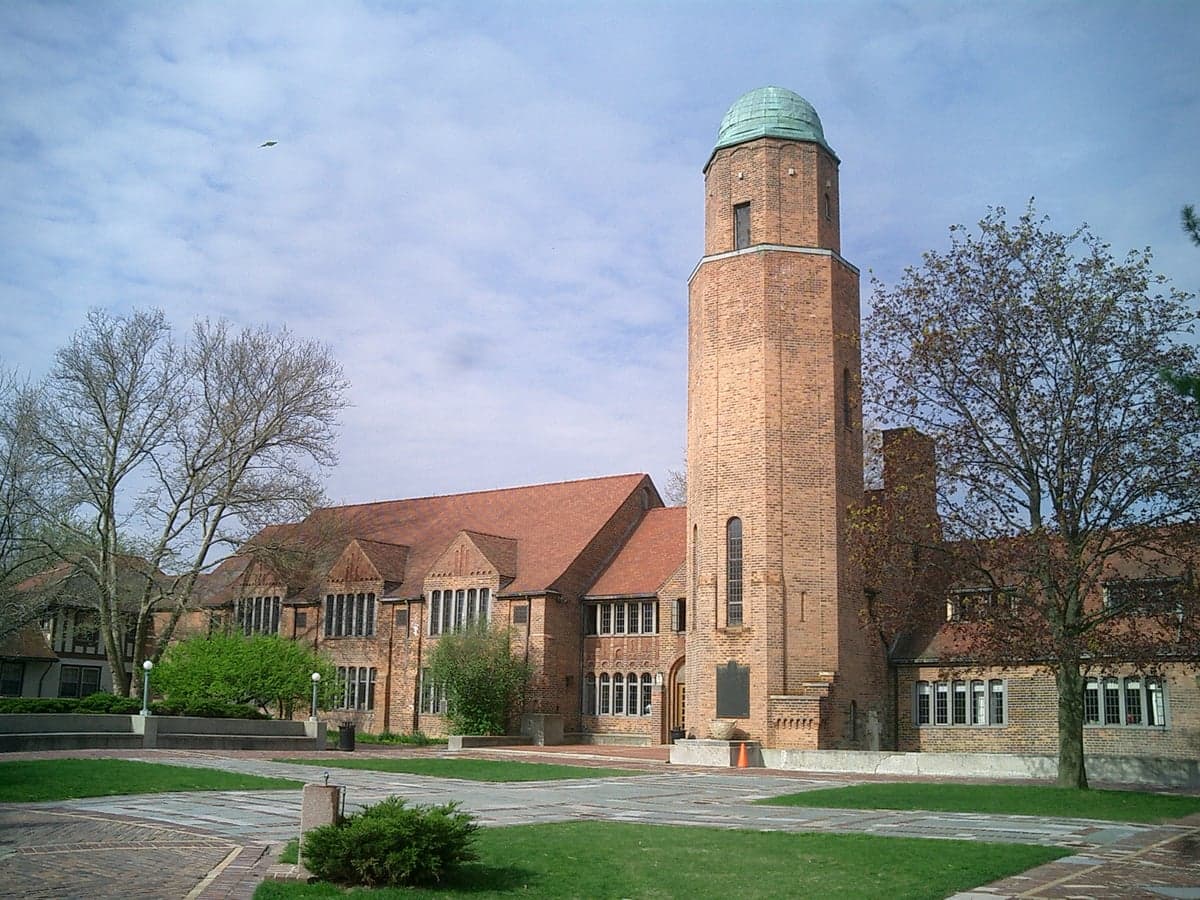
Bloomfield Hills was not a product of colonial-era settlement or heavy industry. The area was originally inhabited by the Ojibwe and other Native American groups before European-American farmers arrived in the 1820s, drawn by the fertile land of the Clinton River watershed. The village of Bloomfield was platted in 1827, but the city of Bloomfield Hills did not incorporate until 1932, long after Detroit’s industrial boom had reshaped the region. The key population wave came in the early 20th century, when wealthy Detroit industrialists—including the founders of Chrysler, Dodge, and General Motors—built sprawling estates on the area’s rolling hills. These families, almost exclusively white and Protestant, established the city’s character as a low-density, exclusive suburb. The historic Bloomfield Hills Village district, centered around Woodward Avenue and Long Lake Road, became the core of this elite settlement, with large mansions set on wooded lots. The Franklin Road corridor and the area around Cranbrook Educational Community also attracted the city’s founding families, many of whom were patrons of the arts and architecture. The city’s growth remained slow and controlled, with no major immigrant waves or working-class neighborhoods developing within its borders.
Modern era (post-1965)
After the 1965 Hart-Cellar Act, Bloomfield Hills did not experience the large-scale immigration seen in other Metro Detroit suburbs. The city’s high property values and zoning laws—which require minimum lot sizes of one to five acres in many areas—effectively limited new development and demographic change. The white population remained dominant, but the city did see a small influx of Black professionals and executives in the 1980s and 1990s, many drawn by the area’s top-ranked schools and proximity to Detroit’s corporate headquarters. These families settled primarily in the Pine Lake and Wabeek neighborhoods, which offer more moderately sized homes compared to the estate districts. The East/Southeast Asian population, now 2.2%, grew slowly from the 1990s onward, largely consisting of professionals in engineering and medicine employed by companies like Ford and Stellantis. These families concentrated in the Birmingham border area near Quarton Lake, where homes are smaller and more accessible. The Indian (subcontinent) population, at 0.7%, is a very recent addition, with most arriving after 2010 for tech and executive roles. The Hispanic population remains negligible at 1.1%, and the foreign-born share of 6.9% is well below the national average, reflecting the city’s limited appeal to immigrant communities outside the professional class.
The future
Bloomfield Hills is likely to remain a predominantly white, high-income enclave over the next 10–20 years, but with gradual, selective diversification. The city’s population has been essentially flat since 2000, and its strict zoning and high land costs will continue to limit new housing construction. The East/Southeast Asian and Indian populations are expected to grow slowly, driven by corporate transfers and the city’s reputation for elite public schools, but they will likely remain small enclaves rather than forming large ethnic clusters. The Black population, currently 3.8%, is plateauing as younger Black professionals increasingly choose more diverse and affordable suburbs like Southfield or Farmington Hills. The city is not homogenizing into a single demographic block, nor is it tribalizing into distinct ethnic neighborhoods; instead, it is becoming a slightly more diverse version of its historic self, where newcomers assimilate into the existing high-income culture. For a conservative-leaning individual or family moving in now, Bloomfield Hills offers stability, low crime, and top-tier schools, but with little ethnic or economic diversity and a social fabric that remains rooted in its old-money origins.
Bloomfield Hills is becoming a slightly more diverse but fundamentally unchanged place—a wealthy, white-majority suburb where demographic change is slow and selective. For a mover seeking a safe, prestigious, and academically excellent environment, the city delivers, but those looking for a dynamic, multicultural community or affordable entry points will find it out of reach.

* Values derived from national, state, county, city and local statistics and may differ in a specific area. Last updated: 2026-04-27T14:30:55.000Z
Narrative content on this page is AI-generated and may contain mistakes. Verify any details that matter before acting on them.
ReloMaps may earn a commission from affiliate links at no extra cost to you.

