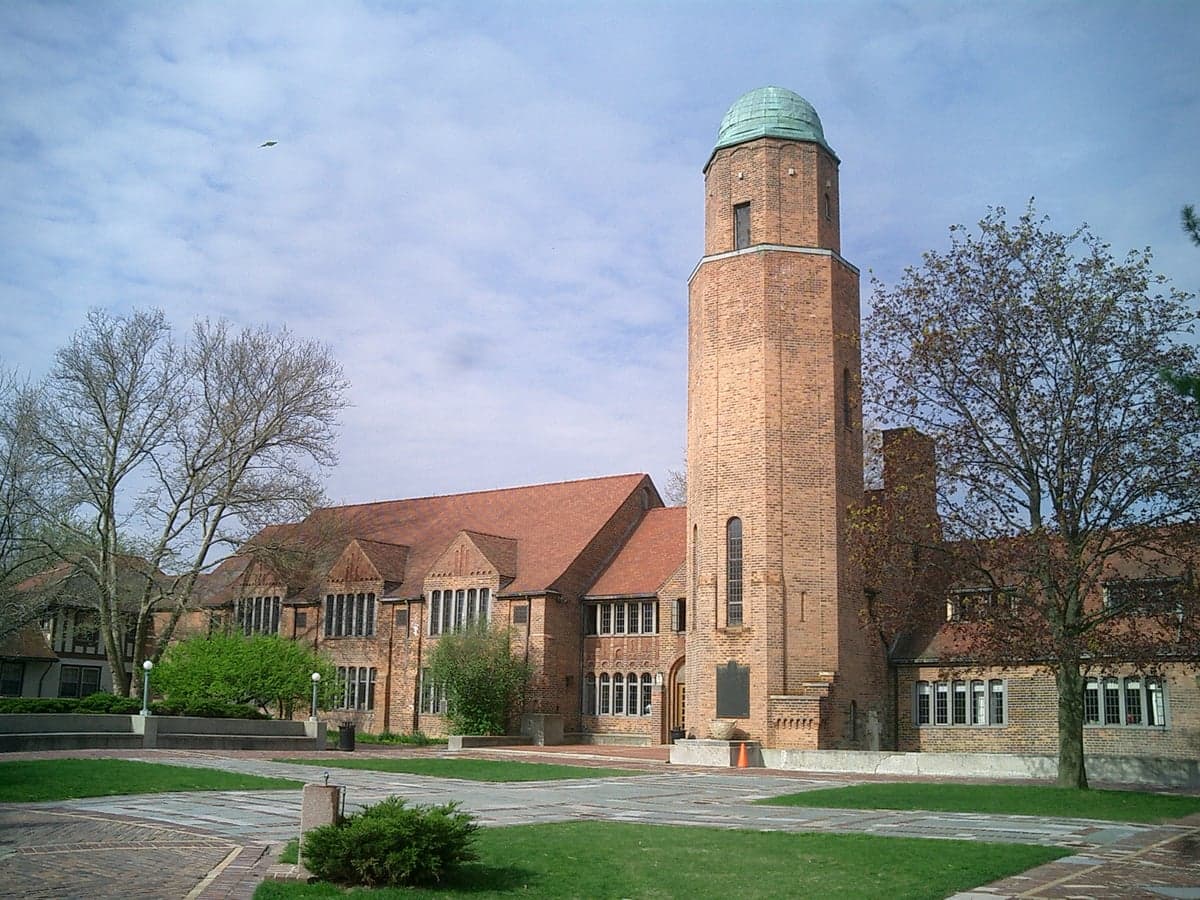
Photo: Wikipedia
Quality of Life in Bloomfield Hills, MI
A high quality of life with strong walkability, manageable living costs, healthy neighborhood signals, and solid amenity access.
What does Quality of Life tell us?
Quality of Life blends cost of living, nearby amenities, socioeconomic signals, and neighborhood character. City-level scores represent the whole municipality; individual neighborhoods can differ.
What does this tell us?
Quality of Life blends cost of living, nearby amenities, socioeconomic signals, and neighborhood character. City-level scores represent the whole municipality; individual neighborhoods can differ.
Cost of Living
201% above national average
The Real Cost of Living in Bloomfield Hills, MI for 2026
| Tier | Individual | Family (4) |
|---|---|---|
| Survival | $52k | $98k |
| Comfortable | $183k | $269k |
| Luxury | $362k+ | $561k+ |
| Elite (Top 5%) | $686k+ | $1.1M+ |
74%
The Area Signal
A metric tracking the socioeconomic signals of the area.
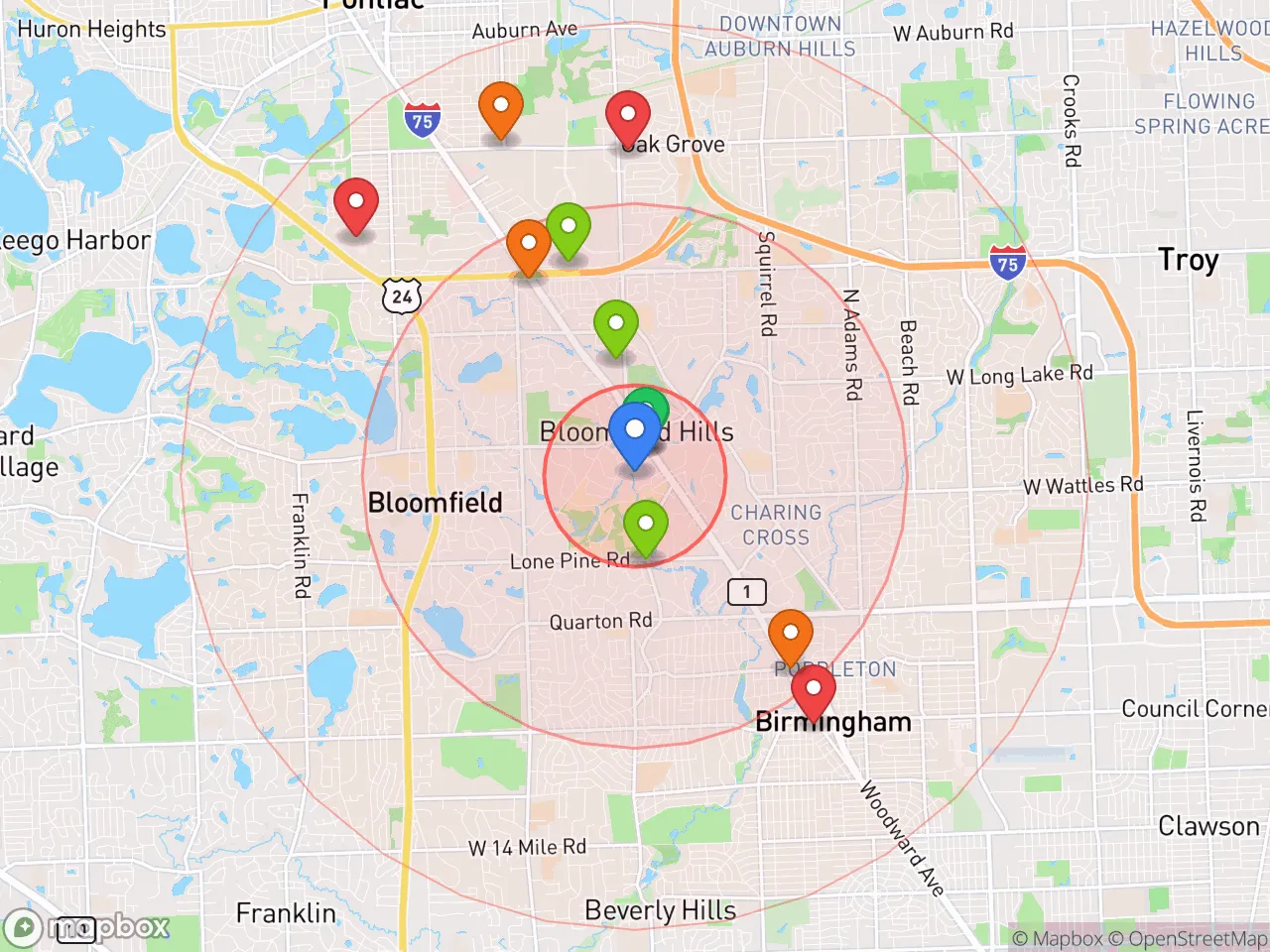
Hobbies
Explore the areaGroceries
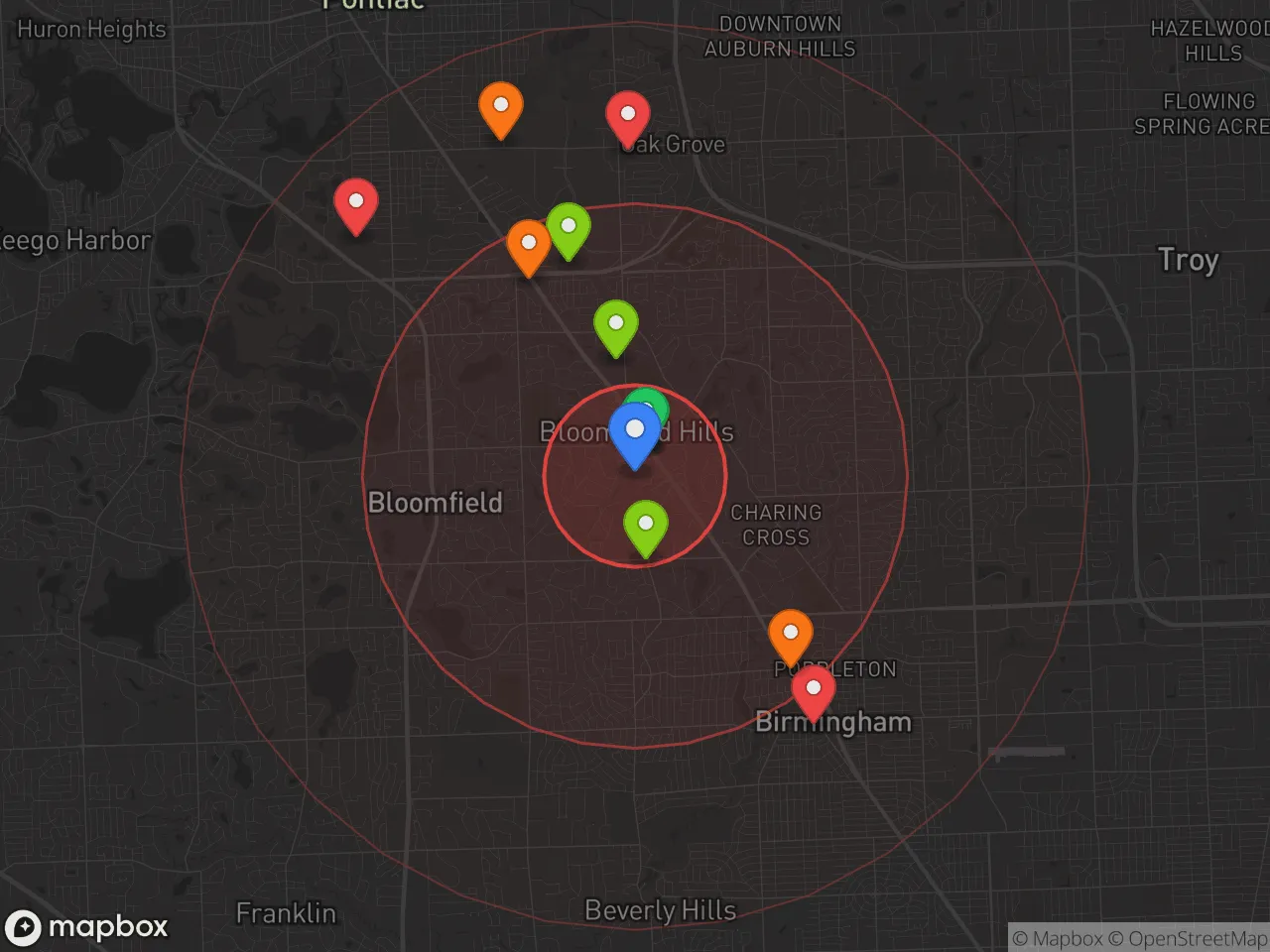
6 within 10 miles
Gas
20 within 10 miles
Hospital
20 within 20 miles
Airport
DTW — Detroit Metropolitan Wayne County
Post Office
USPS — Bloomfield Hills, MI
Critical Amenities
Quality-of-Life Analysis
Bloomfield Hills, Michigan, is one of the most affluent communities in the state, with a cost of living index of 301 (three times the U.S. average) that reflects its status as a premier enclave for executives, entrepreneurs, and professionals. The city’s population of roughly 4,000 residents is characterized by high educational attainment and household incomes well above national medians, drawn by the area’s historic estates, top-ranked schools, and proximity to Detroit’s corporate headquarters. Life here is defined by privacy, prestige, and access to world-class amenities rather than urban density or nightlife.
Cost of living, housing prices, and how they compare to nearby suburbs
Housing is the primary driver of Bloomfield Hills’ extreme cost of living. The median home value sits at $942,900, placing it among the most expensive zip codes in Michigan, while the median rent of $3,250 per month is roughly triple the national average. For context, neighboring Bloomfield Township (which surrounds the city) has a median home value closer to $450,000, and Birmingham—another high-end suburb—averages around $650,000. The city’s large lots, many exceeding one acre, and historic mansions along Woodward Avenue and Long Lake Road command premiums that few other Southeast Michigan communities can match. Property taxes are also significant, typically ranging from 2.0% to 2.5% of assessed value, though residents benefit from the absence of a city income tax. The average commute of 24.4 minutes is manageable, with most workers heading to offices in downtown Detroit (25 miles south), Troy, or Auburn Hills, home to companies like Stellantis and BorgWarner.
Schools, amenities, and what daily life actually feels like
Daily life in Bloomfield Hills revolves around the Bloomfield Hills Schools district, consistently ranked among the top 5% in Michigan, with International Academy—a nationally recognized magnet school—drawing families from across the region. The city itself has no downtown core; instead, residents rely on the adjacent shopping and dining districts of Birmingham (Maple Road and Old Woodward) and the Somerset Collection mall in Troy for retail and restaurants. Outdoor amenities include the 1,100-acre Bloomer Park (shared with Rochester Hills) and the private Bloomfield Hills Country Club, while the Cranbrook Educational Community offers museums, gardens, and a renowned art academy. The rhythm is car-dependent and family-oriented: school drop-offs, club sports, and weekend errands to Whole Foods or Plum Market dominate. There is no significant nightlife within city limits, and the population skews older (median age ~45) compared to nearby Royal Oak or Ferndale.
Bloomfield Hills is best suited for high-income families and empty-nesters who prioritize school quality, privacy, and low crime rates over walkability or urban energy. Professionals working in Detroit’s auto industry, finance, or law firms will find the commute reasonable and the housing stock unmatched in the region. Those seeking a more affordable entry point or a lively social scene should look to Birmingham or Royal Oak, where homes cost half as much and sidewalks are busier. For buyers who can afford the premium, Bloomfield Hills offers a quiet, secure, and academically elite lifestyle that few Michigan suburbs can replicate.

Crime in Bloomfield Hills, MI
Lower crime rates than 94% of comparable U.S. locations.
Violent CrimeViolent Crime Analysis
Property CrimeProperty Crime Analysis
Crime Analysis
Bloomfield Hills is one of the safest cities in Michigan, with violent crime rates dramatically lower than both state and national averages. The affluent Oakland County suburb recorded a violent crime rate of just 22.5 incidents per 100,000 residents in the most recent data, making it roughly 10 times safer than the U.S. average of 380 per 100,000. Property crime, at 540.1 per 100,000, also sits well below the national benchmark of 1,954 per 100,000, though it is slightly elevated compared to some neighboring communities like Birmingham and Bloomfield Township.
Crime in context
Bloomfield Hills' violent crime rate is approximately 93% lower than the Michigan state average of roughly 450 per 100,000. The city's property crime rate is about 72% lower than the national figure. These figures place Bloomfield Hills among the top 5% safest municipalities in the state by violent crime. However, as a small, wealthy enclave within the larger Detroit metropolitan area, residents benefit from the city's own well-funded police department while also being exposed to spillover crime from nearby urban centers. The broader metro area, including Detroit and Pontiac, has experienced challenges with progressive prosecutorial policies in recent years—Wayne County and Oakland County have both seen district attorneys adopt bail reform and diversion programs that critics argue reduce accountability. While Bloomfield Hills itself is insulated by its geography and local policing, the regional justice environment means that offenders arrested in the city may face lighter consequences in county courts, potentially increasing recidivism risk for property crimes like vehicle break-ins and package theft.
What residents experience
For daily life, Bloomfield Hills feels exceptionally safe. The city's violent crime is almost nonexistent—murder, rape, robbery, and aggravated assault are rare events, typically isolated incidents rather than patterns. Property crime is the primary concern, with larceny and motor vehicle theft accounting for the bulk of reported incidents. Residents commonly report issues like unlocked car entries, stolen packages from porches, and occasional garage burglaries. The Bloomfield Hills Department of Public Safety maintains a visible presence with 24/7 patrols, and the city's neighborhood watch programs are active. Many homeowners supplement with private security systems and cameras. The city's low population density (roughly 4,000 residents) and large lot sizes mean that most crime occurs in commercial corridors or near major roads like Woodward Avenue and Square Lake Road, rather than in residential cul-de-sacs.
Neighborhood-level variation is modest but worth noting. The city's core, centered around the historic district and Cranbrook Educational Community, sees the lowest crime rates. Areas closer to the Pontiac border, particularly along the western edge near Telegraph Road, experience slightly higher property crime due to easier access for non-residents. The gated and private-road communities common in Bloomfield Hills (such as those off Lone Pine Road) report near-zero crime. Overall, the city's safety profile is excellent, but residents should remain vigilant about property security and recognize that the regional justice system's progressive leanings may reduce deterrent effects for repeat property offenders.
* Values derived from national, state, county, city and local statistics and may differ in a specific area. Last updated: 2026-04-27T14:30:55.000Z
Narrative content on this page is AI-generated and may contain mistakes. Verify any details that matter before acting on them.
ReloMaps may earn a commission from affiliate links at no extra cost to you.

