Photo: Wikipedia
Find The Best Places To Live
in Troy
PRO TIP! You can paste a Zillow or Redfin link to get info on that property.
What It's Like Living in Troy, MI
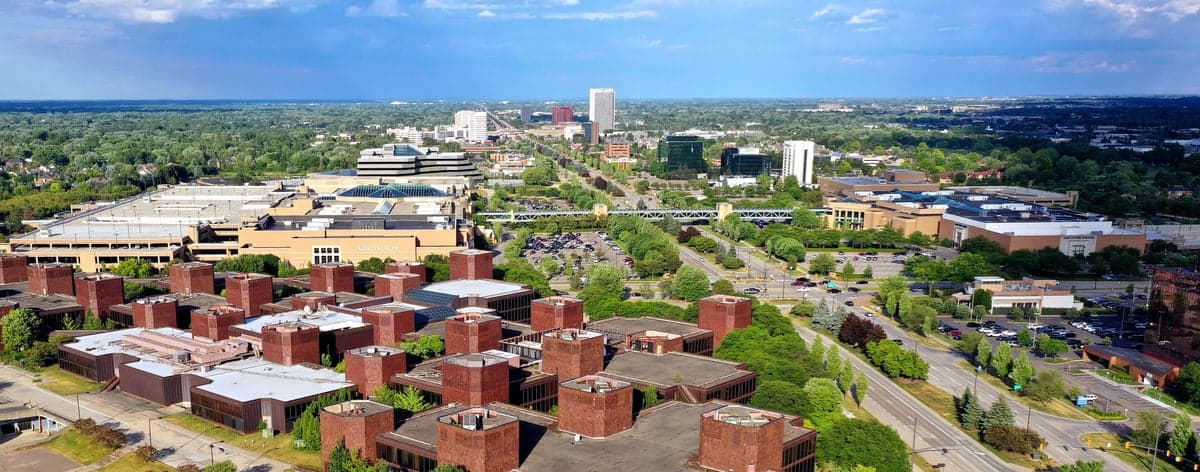
Troy, Michigan, feels like a city that was carefully planned for people who want a clean, safe, and highly functional suburban life without the chaos of downtown Detroit. It’s a place where the streets are wide, the lawns are manicured, and the biggest daily decision might be which of the dozens of chain restaurants or local spots to hit for dinner. With a population just over 87,000, it’s big enough to have everything you need, but quiet enough that you won’t feel like you’re living in a metropolis.
The Daily Rhythm: Work, School, and the Car
For most residents, life in Troy revolves around a few key things: work, school, and the car. The average commute is about 24 minutes, which is reasonable for the region, and that’s largely because Troy itself is a major employment hub. You’ll find corporate campuses for companies like Behr, Kelly Services, and Altair Engineering scattered along the I-75 corridor, meaning many people don’t even have to leave the city for work. The median household income sits at $119,299, and with 64.1% of adults holding a college degree, this is a well-educated, white-collar workforce. Weekends often mean trips to Somerset Collection, the massive upscale mall that draws shoppers from across the metro area, or hitting the trails at Lloyd A. Stage Nature Center or Firefighters Park for a bit of green space.
Sports, Community, and What People Actually Do
Sports in Troy are a high school affair, not a pro one. Troy High School football games on Friday nights are a genuine community event, with parents and local businesses turning out to support the Colts. There’s no major pro team in the city, but Detroit’s Lions, Tigers, and Red Wings are a short 25-minute drive away, and plenty of residents make the trip. For entertainment, the Troy Historic Village offers a quiet, historical afternoon, while the Troy Family Aquatic Center is a summer staple for families. The city’s restaurant scene is surprisingly diverse for a suburb, with standout spots like Lafayette Coney Island (a Detroit classic) and BD’s Mongolian Grill being local favorites. The annual Troy Summer Festival and the Art in the Park event at the Troy Community Center draw crowds for live music, food trucks, and local crafts.
Pros and Cons of Living in Troy
What residents love:
- Safety is a huge draw. The violent crime rate is 94.7 per 100,000, which is significantly lower than the national average of around 380. You can walk your dog at night without a second thought.
- Schools are top-tier. Troy School District is consistently ranked among the best in Michigan, which is the primary reason many families move here. It’s a major selling point.
- Convenience is king. You’re 20 minutes from downtown Detroit, 15 minutes from the airport, and surrounded by every store, restaurant, and service you could need. The city is laid out in a logical grid, so getting around is easy.
What frustrates locals:
- Cost of living is high. At 137 (100 = US average), it’s noticeably more expensive than most of the country. The median home value of $396,800 is steep for Michigan, and it prices out many younger singles and first-time buyers.
- Traffic on the main arteries. Big Beaver Road (16 Mile) and Rochester Road can get congested during rush hour, and the constant construction on I-75 can test your patience.
- It can feel a bit sterile. Troy is very clean and well-maintained, but some residents miss the grit and character of older, more walkable neighborhoods. There’s no real “downtown” square; it’s mostly strip malls and office parks.
Who Fits In Here and the Local Quirks
Troy is best suited for families and established professionals who prioritize safety, schools, and convenience over nightlife or urban energy. The median age of 42.2 reflects a mature population—lots of empty-nesters and parents with school-aged kids. Singles in their 20s might find it a bit quiet, though the proximity to Royal Oak and Ferndale (which have vibrant bar scenes) helps. One cultural quirk: Troy has a significant Asian-American population, particularly of Indian and Chinese descent, which is reflected in the excellent Asian grocery stores (like 168 Asian Mart) and restaurants along John R Road. The city also takes its leaf pickup and snow removal very seriously—residents joke that the city’s DPW is the most efficient department in town. Winters are real: expect snow from November through March, with temperatures often dipping into the teens. But the trade-off is a gorgeous, green spring and a comfortable summer that makes outdoor patios and park visits a regular pleasure.

Similar small cities to Troy

* Values derived from national, state, county, city and local statistics and may differ in a specific area. Last updated: 2026-04-19T09:24:15.000Z
Narrative content on this page is AI-generated and may contain mistakes. Verify any details that matter before acting on them.
ReloMaps may earn a commission from affiliate links at no extra cost to you.

