Photo: Wikipedia
Demographics of Brewer, ME
Affluence Level in Brewer, ME
A below-average socioeconomic profile. Incomes, home values, and educational attainment trail the U.S., with higher poverty and unemployment.
People of Brewer, ME
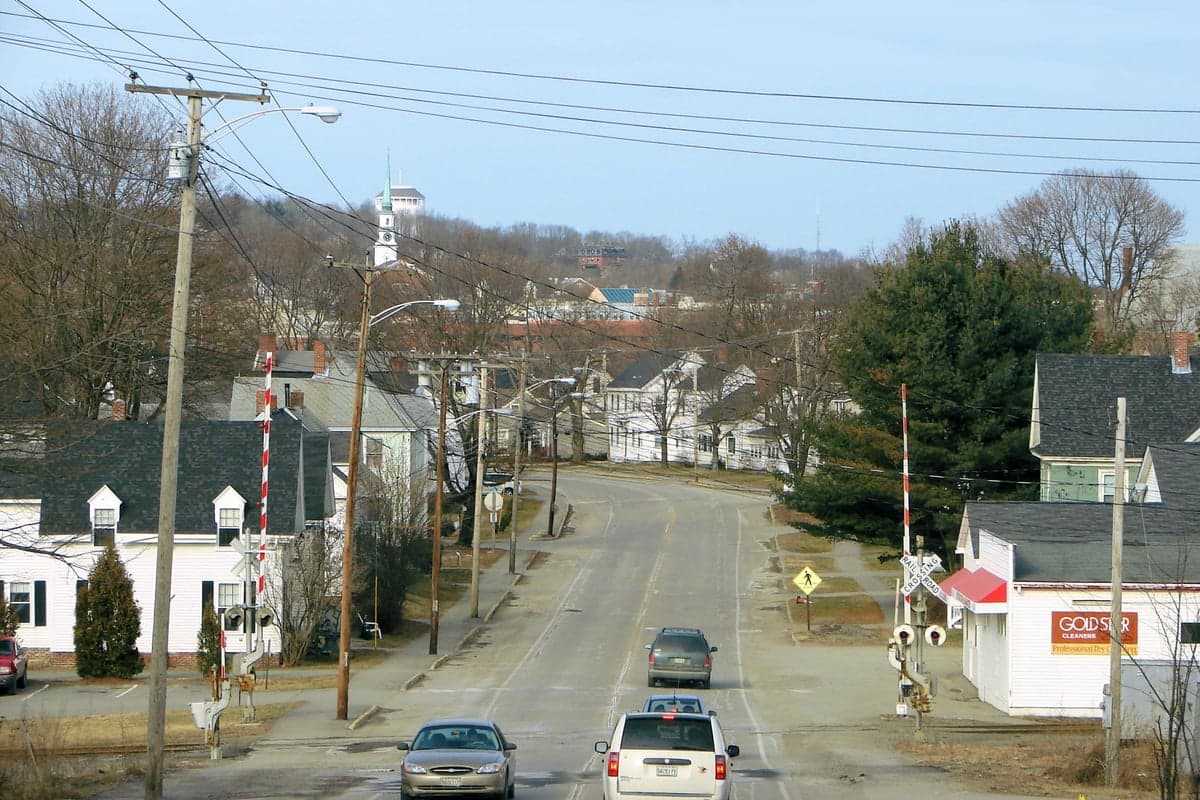
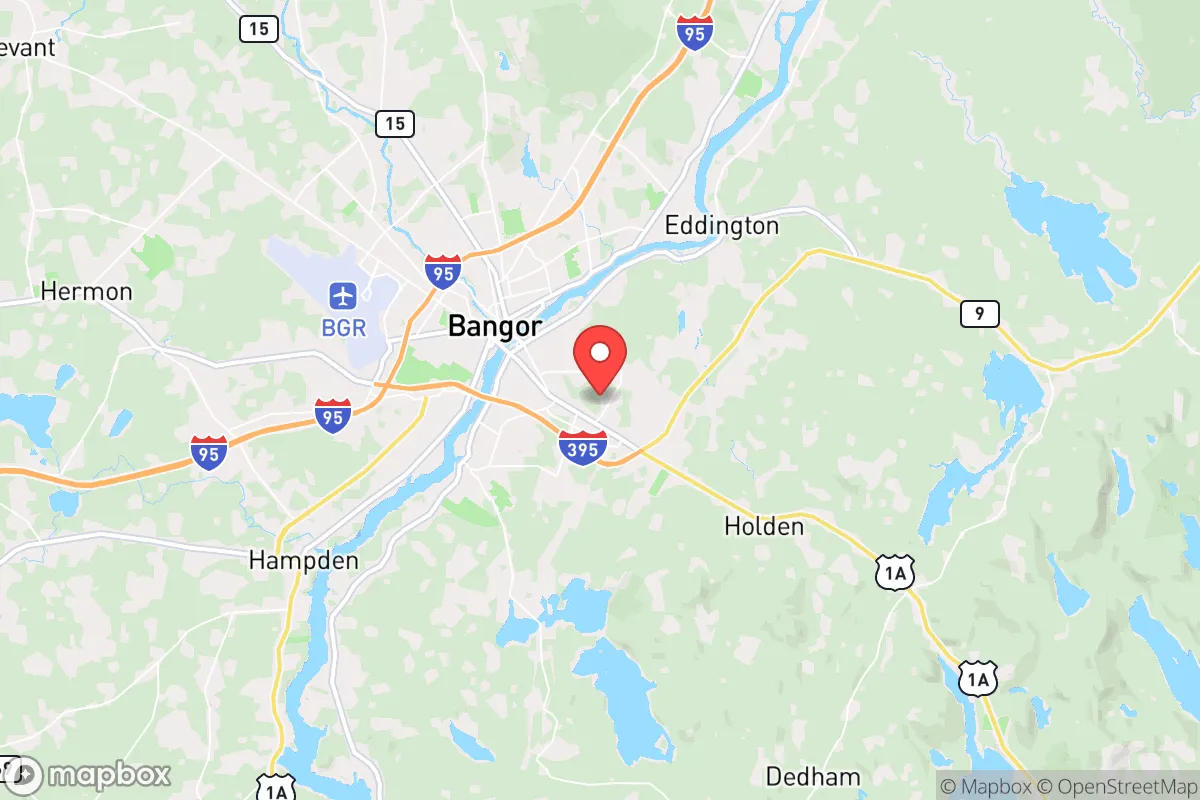
The people of Brewer, Maine, today form a predominantly white, working-to-middle-class community of 9,654 residents, characterized by a strong local identity rooted in the city’s industrial past and its role as a quieter, family-oriented counterpart to neighboring Bangor. With a foreign-born population of just 0.4% and a 91.9% white demographic, Brewer is one of the least ethnically diverse cities in New England, a fact that shapes its social fabric and political leanings. The city’s population is notably less college-educated than the national average at 30.5%, and its residents tend to value stability, affordability, and proximity to outdoor recreation over urban amenities. This is a place where generational roots run deep, and newcomers are often drawn by the promise of lower crime rates and a slower pace of life.
How the city was settled and grew
Brewer’s human history begins with the Penobscot people, who used the Penobscot River as a travel and fishing corridor long before European contact. The first permanent English settlers arrived in the late 1700s, drawn by land grants and the river’s potential for water-powered industry. By the early 19th century, the village of South Brewer emerged as a hub for shipbuilding and lumber mills, attracting a wave of skilled craftsmen and laborers from coastal Maine and the Canadian Maritimes. The arrival of the railroad in the 1840s spurred growth in North Brewer, where Irish immigrants—many fleeing the Great Famine—settled to work on the tracks and in the expanding brick yards. A smaller but notable group of French-Canadian families from Quebec moved into the East Side neighborhoods near the river during the 1870s and 1880s, finding work in the pulp and paper mills that would define the local economy for a century. These early waves created a patchwork of ethnic enclaves that, while never large, gave Brewer a distinct working-class character. By 1900, the city’s population had reached roughly 5,000, and the descendants of these Irish and French-Canadian settlers still form the core of many Brewer families today.
Modern era (post-1965)
The post-1965 period brought little demographic change to Brewer, largely because the city’s industrial base—dominated by the Eastern Fine Paper mill—began a slow decline that discouraged large-scale in-migration. Unlike many American cities that saw significant immigration after the Hart-Cellar Act, Brewer’s foreign-born population remained negligible, hovering near zero through the 1970s and 1980s. Instead, the city experienced modest domestic in-migration from rural Maine and the Bangor area, with families moving into the Chamberlain Street corridor and the Wilson Street area for affordable single-family homes. The 1990s and 2000s saw a small influx of retirees and remote workers from southern New England, drawn by low property taxes and the proximity to Bangor’s hospital system. These newcomers tended to settle in the newer subdivisions off North Main Road, where larger lots and quieter streets appealed to those seeking a suburban lifestyle. The city’s racial composition remained overwhelmingly white throughout this period, with the Black population (1.1%) and Hispanic population (1.9%) concentrated almost entirely in rental units near the South Brewer commercial district. The East/Southeast Asian and Indian-subcontinent populations are effectively zero, reflecting Brewer’s lack of the tech or university sectors that typically attract such groups.
The future
Brewer’s population is projected to remain stable or shrink slightly over the next decade, as the city’s aging demographic—median age is roughly 44—outpaces in-migration. The foreign-born share is unlikely to rise above 1% given the absence of refugee resettlement programs or major employers that recruit internationally. The Hispanic share may grow modestly as some families move from larger Maine cities like Portland for cheaper housing, but this trend will likely be concentrated in the East Side rental stock rather than spreading across the city. The white population will continue to dominate, though the city is not homogenizing so much as aging in place; younger residents often leave for college or jobs in Portland or Boston and do not return. The most likely demographic shift is a gradual increase in retirees from out of state, drawn by the low cost of living and the new Brewer Waterfront Park development, which has added walking trails and event space. For the foreseeable future, Brewer will remain a predominantly white, insular community where family ties and local networks matter more than diversity metrics.
For a conservative-leaning individual or family moving in now, Brewer offers a stable, low-crime environment with a population that shares broadly traditional values around work, family, and community. The city is not becoming more diverse or cosmopolitan; it is solidifying its identity as a quiet, affordable, and predominantly white suburb of Bangor. New arrivals should expect a welcoming but close-knit social landscape where fitting in often requires time and a willingness to engage with local institutions like the church, the VFW, or the school sports programs.

* Values derived from national, state, county, city and local statistics and may differ in a specific area. Last updated: 2026-05-01T10:44:49.000Z
Narrative content on this page is AI-generated and may contain mistakes. Verify any details that matter before acting on them.
ReloMaps may earn a commission from affiliate links at no extra cost to you.

