 Popular
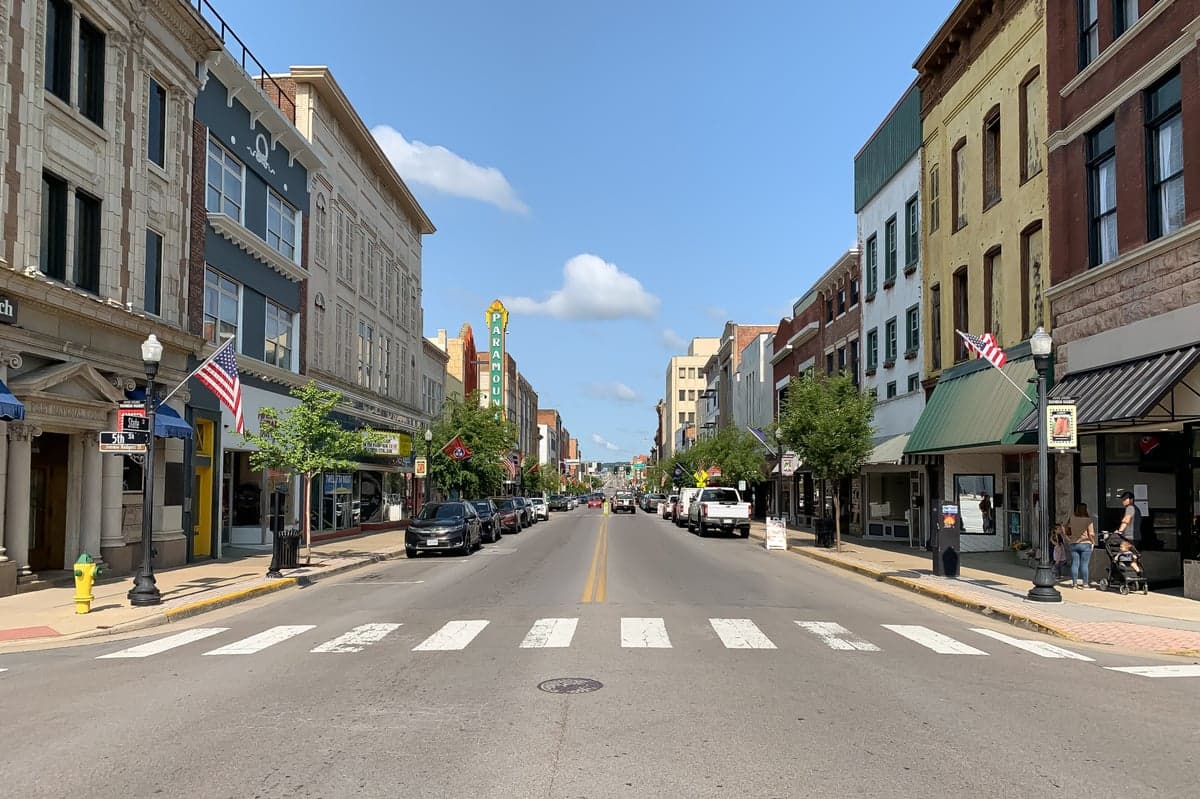
Photo: Wikipedia
Quality of Life in Bristol, TN
A high quality of life with strong walkability, manageable living costs, healthy neighborhood signals, and solid amenity access.
What does Quality of Life tell us?
Quality of Life blends cost of living, nearby amenities, socioeconomic signals, and neighborhood character. City-level scores represent the whole municipality; individual neighborhoods can differ.
What does this tell us?
Quality of Life blends cost of living, nearby amenities, socioeconomic signals, and neighborhood character. City-level scores represent the whole municipality; individual neighborhoods can differ.
Cost of Living
35% below national average
The Real Cost of Living in Bristol, TN for 2026
| Tier | Individual | Family (4) |
|---|---|---|
| Survival | $12k | $23k |
| Comfortable | $35k | $52k |
| Luxury | $99k+ | $154k+ |
| Elite (Top 5%) | $128k+ | $198k+ |
106%
The Area Signal
A metric tracking the socioeconomic signals of the area.
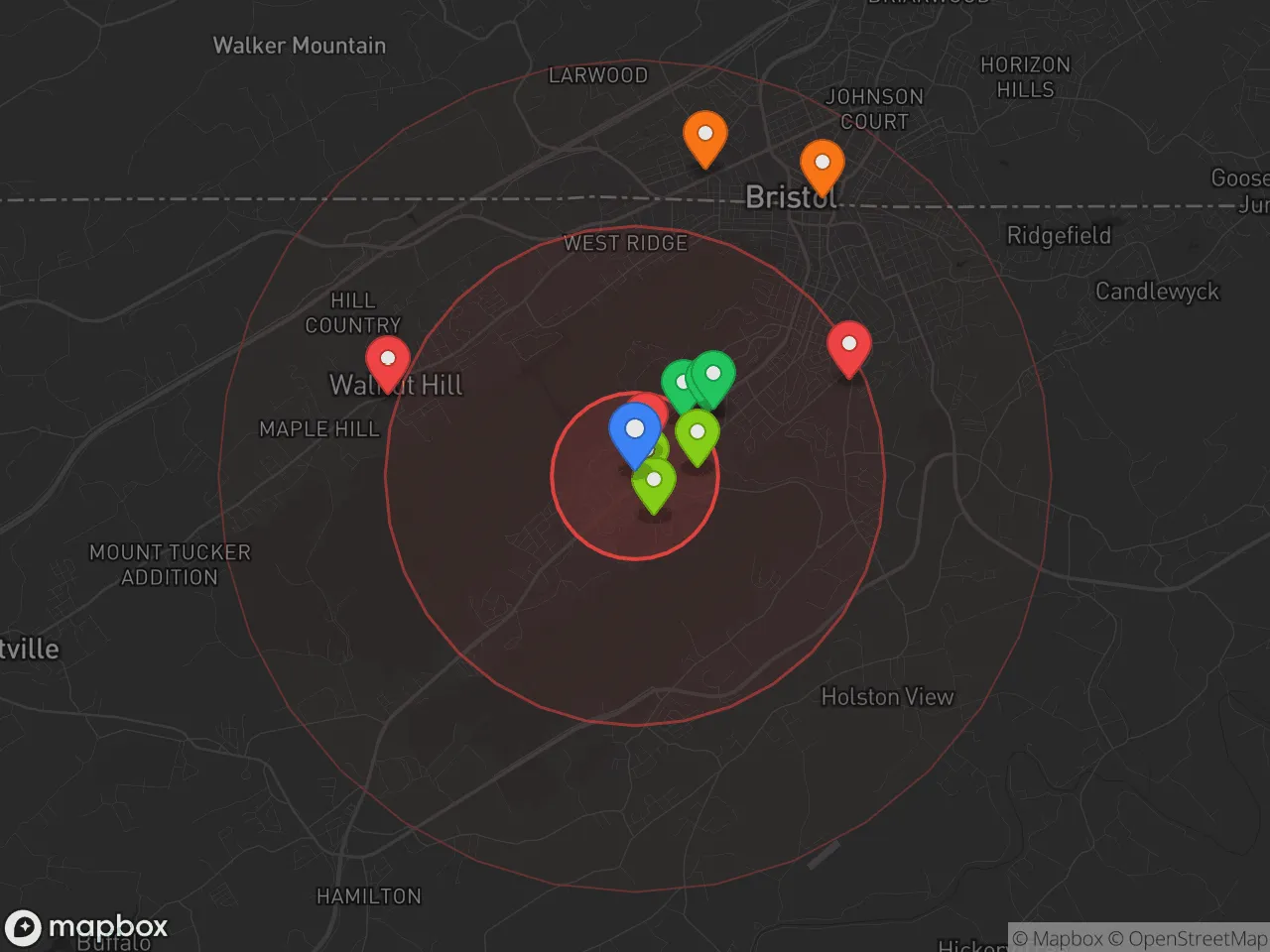
Hobbies
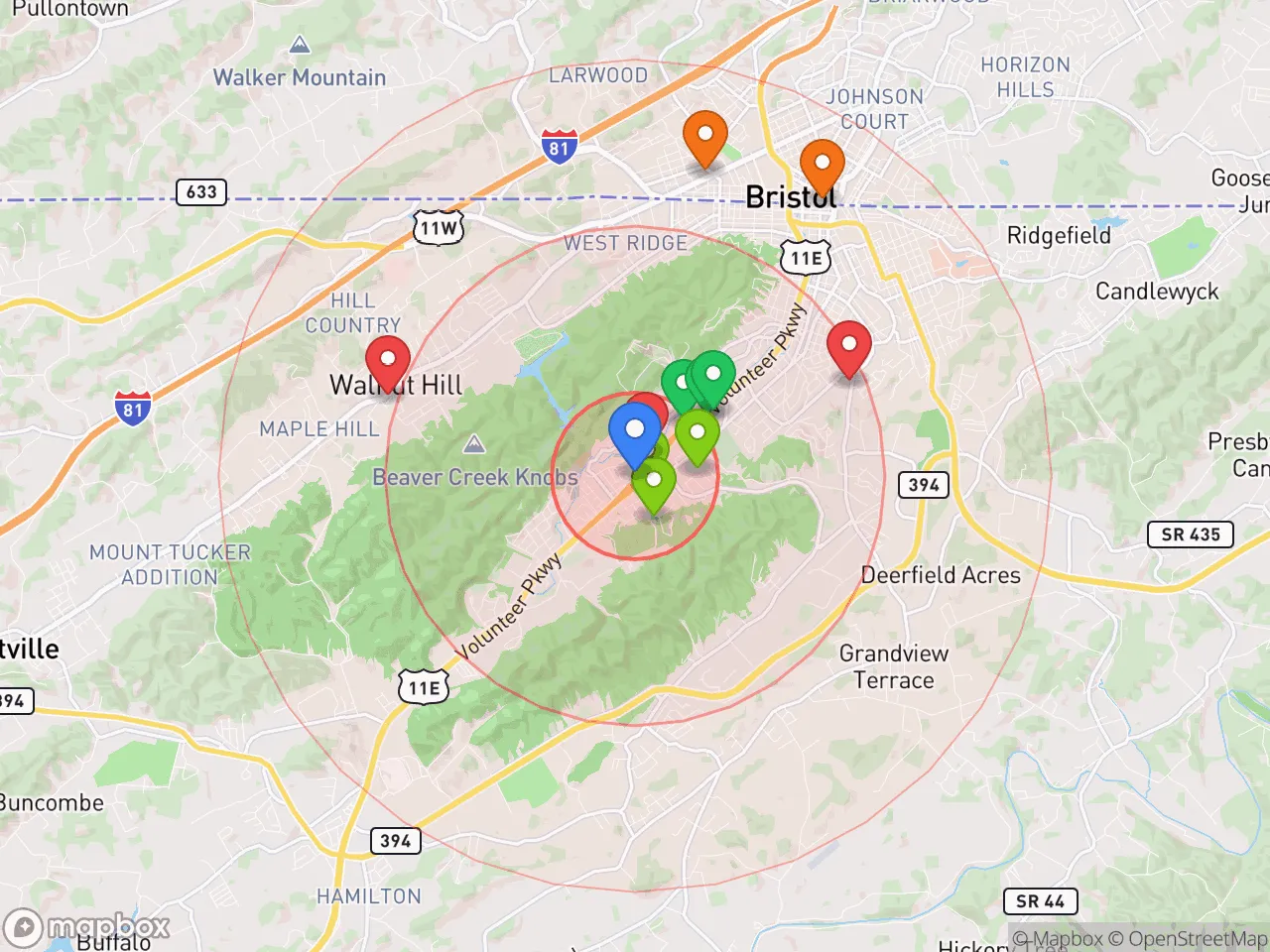
Explore the areaGroceries
5 within 10 miles
Gas
20 within 10 miles
Hospital
9 within 20 miles
Airport
CLT — Charlotte Douglas International
Post Office
USPS — Bristol, TN
Critical Amenities
Quality-of-Life Analysis
Bristol, Tennessee, presents a notably affordable quality of life that attracts a mix of retirees, remote workers, and young families seeking a lower cost of living without sacrificing access to outdoor recreation and small-city amenities. With a cost-of-living index of 65 (35% below the U.S. average), the area draws residents who prioritize financial breathing room and a slower pace, though median household incomes trail national figures. The population skews slightly older than the national median, reflecting a steady inflow of pre-retirees and empty-nesters drawn to the Blue Ridge foothills and the historic State Street entertainment district.
Cost of living, housing affordability, and how Bristol compares to nearby cities
Bristol’s housing market is a primary driver of its low cost index. The median home value sits at $182,500, roughly half the national median, while median rent is just $764 per month — well below the U.S. average of $1,200. This affordability gap is even more pronounced when compared to larger regional hubs: Knoxville’s median home value is about $275,000, and Asheville’s exceeds $400,000. The average commute of 20.3 minutes is shorter than the national average of 26 minutes, meaning residents spend less time in traffic and more time at home or on nearby trails. However, property taxes in Sullivan County are moderate (around 0.66% of assessed value), and Tennessee’s lack of a state income tax further stretches household budgets. The trade-off is a slower job market — major employers include Bristol Regional Medical Center, Eastman Chemical (in Kingsport), and local manufacturing, but high-paying tech or finance roles are scarce.
Schools, daily rhythm, and what families and retirees actually do here
Bristol Tennessee City Schools serve the city proper with a student-teacher ratio of roughly 15:1, and the district’s graduation rate hovers near 90%. For daily life, the Bristol Motor Speedway and the Birthplace of Country Music Museum anchor the cultural calendar, while the Steel Creek Park system offers 200+ acres of hiking, fishing, and a disc golf course. The downtown State Street corridor — straddling the Tennessee-Virginia line — hosts a weekly farmers market, live music venues, and independent restaurants. Groceries and utilities are about 10% below national averages, and the area’s walkability is limited to the downtown core; most errands require a car. For retirees, the proximity to Johnson City’s medical facilities (15 minutes east) and the VA clinic in Mountain Home are practical draws. Families note that after-school activities lean heavily toward sports (football, baseball, soccer) rather than arts programs, though the Paramount Center for the Arts offers youth theater.
Bristol, TN, is best suited for those who value low housing costs, a short commute, and access to Appalachian outdoor recreation over urban career opportunities or cultural density. Remote workers with stable incomes, early retirees on fixed budgets, and families who prioritize homeownership over high salaries will find the math works here. The city’s small scale (population ~27,000) means limited nightlife and a slower pace, but for residents who want to own a home on a single income or spend weekends on the Appalachian Trail, Bristol delivers a practical, low-stress base.

Crime in Bristol, TN
Crime rates similar to the national median for U.S. locations.
Violent CrimeViolent Crime Analysis
Property CrimeProperty Crime Analysis
Crime Analysis
Bristol, Tennessee, presents a mixed safety profile. The city’s violent crime rate of 345.9 incidents per 100,000 residents is notably higher than the national average, while its property crime rate of 1,858 per 100,000 sits slightly below the national benchmark. These figures place Bristol in a middle tier for safety among small Southern cities, but specific local factors—including the influence of progressive judicial policies in the broader region—warrant careful consideration for potential residents.
Crime in context
Bristol’s violent crime rate exceeds the U.S. average by roughly 10%, though it remains below the Tennessee state average. Property crime, by contrast, is about 15% lower than the national figure. The city’s location on the Virginia border means its crime statistics are sometimes compared to those of the larger Tri-Cities metro area (Bristol, Johnson City, Kingsport), where overall rates are similar. However, a key concern for Bristol is its proximity to jurisdictions with progressive district attorneys and judges who prioritize rehabilitation over incarceration. In neighboring Sullivan County and across the state line in Virginia, such policies have been linked to higher recidivism and reduced deterrent effects, potentially spilling over into Bristol’s public safety environment. Residents should be aware that a lenient justice system, while sympathetic to offenders, can lead to more criminals on the street and negatively impact justice for victims and the public.
What residents experience
In practice, Bristol’s crime is not evenly distributed. The downtown commercial corridor and areas near Interstate 81 see higher rates of theft and vehicle break-ins, while residential neighborhoods like the historic Fairmount district report fewer incidents. Violent crime, though statistically elevated, tends to be concentrated in specific pockets and is often related to domestic disputes or drug activity rather than random attacks. Property crime is the more common concern for most residents, with burglary and larceny accounting for over 70% of all reported offenses. The city’s police department maintains a visible presence, but response times can vary between the Tennessee and Virginia sides of town due to jurisdictional boundaries.
Neighborhood-level variation
Safety varies significantly by neighborhood. Areas west of Volunteer Parkway and south of State Street generally report lower crime rates, while the eastern sections near the Bristol Motor Speedway experience more transient-related property crime. The city’s historic district and newer subdivisions like the Bristol Highlands tend to be safer, with violent crime rates below the city average. Prospective residents are advised to check block-level crime maps and speak with local real estate agents, as a few blocks can make a substantial difference in safety. Overall, Bristol requires vigilance but is not a high-crime city by regional standards—provided residents stay informed about the judicial climate that shapes local law enforcement outcomes.
* Values derived from national, state, county, city and local statistics and may differ in a specific area. Last updated: 2026-05-01T18:33:56.000Z
Narrative content on this page is AI-generated and may contain mistakes. Verify any details that matter before acting on them.
ReloMaps may earn a commission from affiliate links at no extra cost to you.

