 Popular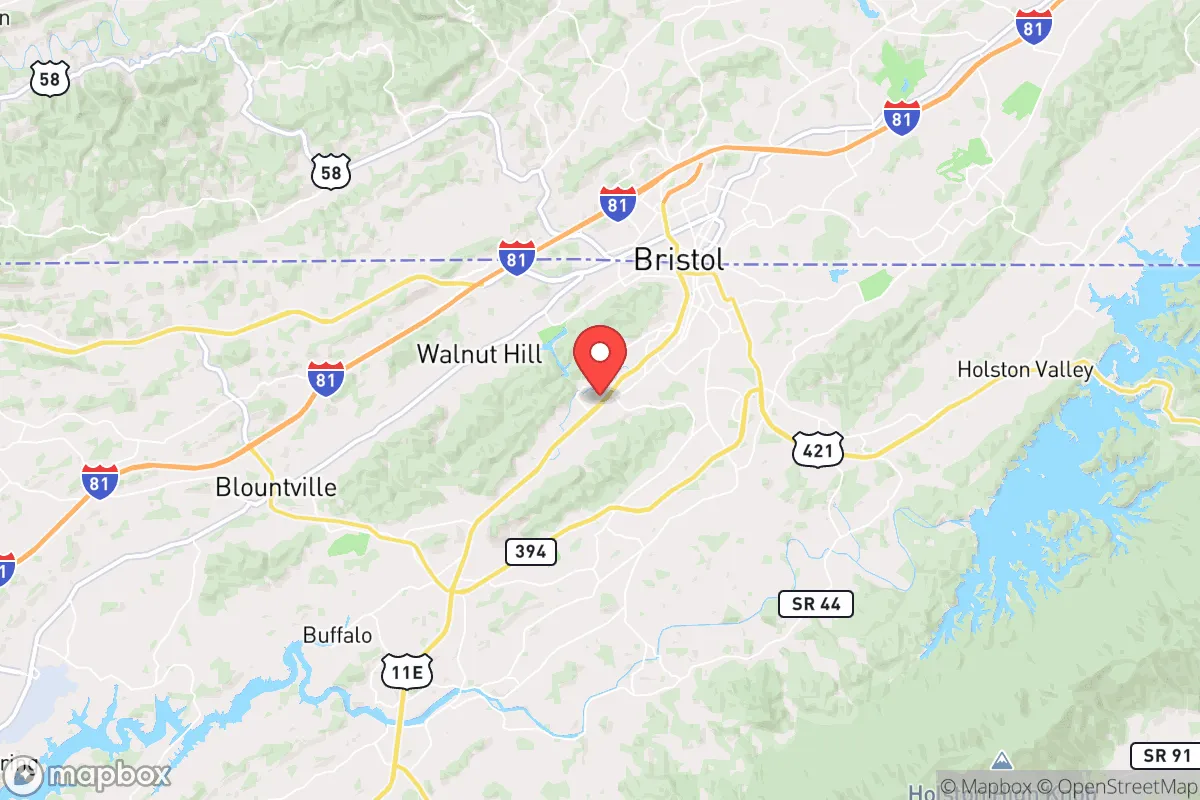
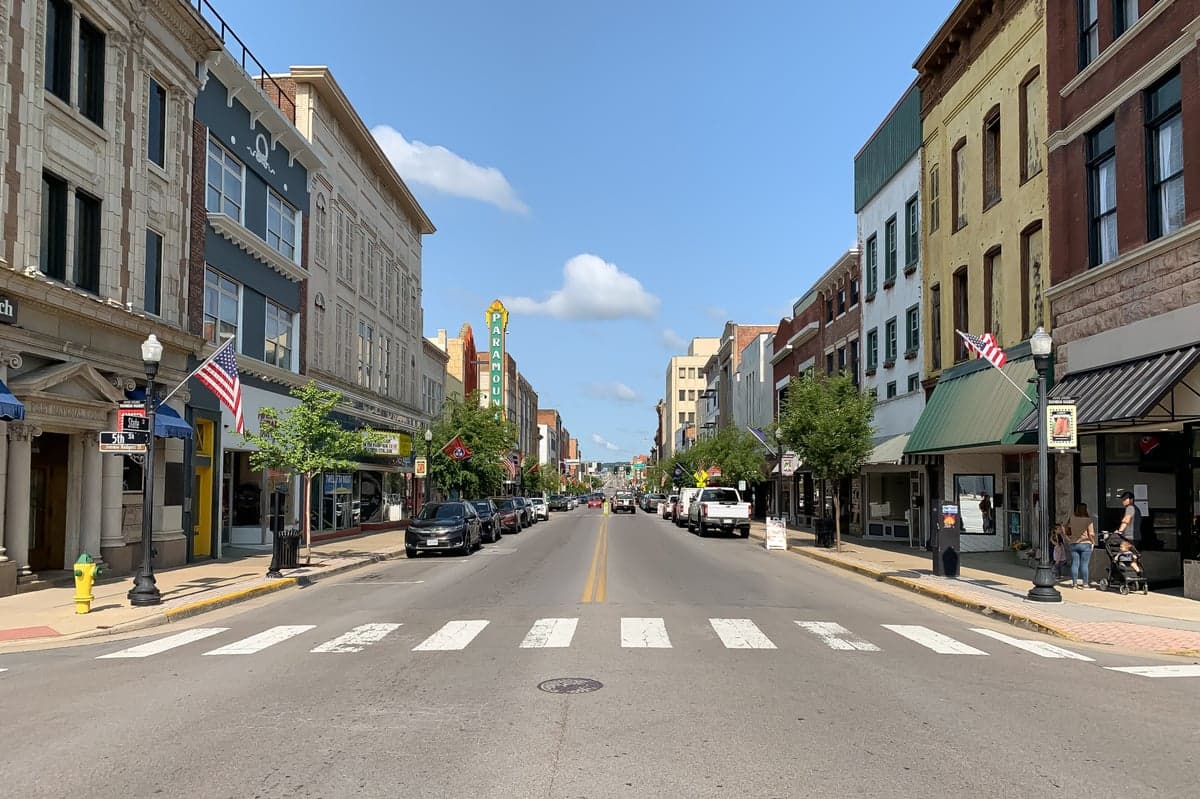
Photo: Wikipedia
Political ClimatePolitical Climate in Bristol, TN
District shown is the primary district for this city’s centroid. Cities may span multiple districts.
Local Political AnalysisPolitical Analysis of Bristol, TN
Bristol, Tennessee, is about as solidly conservative as it gets, and that’s not changing anytime soon. The Cook PVI of R+29 tells you everything you need to know—this area votes Republican by a massive margin, and it’s been that way for decades. The political lean here isn’t just about party labels; it’s a deep-seated belief in limited government, personal responsibility, and keeping Washington and Nashville out of local affairs. You’ll see that reflected in everything from the low tax burden to the general attitude toward federal mandates. If you’re looking for a place where your rights aren’t constantly being second-guessed by bureaucrats, this is it.
How it compares
Drive 20 minutes up the road to Johnson City, and you’ll start to feel a shift—it’s still conservative, but with a noticeable college-town influence from East Tennessee State University that makes it a bit more purple. Kingsport, just west of here, is similar to Bristol in its deep-red roots, but it’s a little more corporate and less independent-minded. The real contrast is if you cross the state line into Bristol, Virginia. That side of town leans more moderate, with a higher Democratic vote share, thanks in part to a larger government workforce and more union influence. But here in Bristol, TN, we don’t have that problem. The surrounding counties—Sullivan, Washington, and Hawkins—are all reliably conservative, and the local school boards and city councils reflect that. You won’t find the kind of progressive overreach that’s creeping into bigger cities like Knoxville or Nashville. It’s a breath of fresh air, honestly.
What this means for residents
For daily life, the conservative climate means you’re left alone to live your life the way you see fit. Property taxes are low, zoning is minimal, and there’s no appetite for the kind of heavy-handed regulations that choke small businesses. The local government here isn’t trying to micromanage your choices—whether it’s how you run your business, what you teach your kids, or how you handle your own property. That’s a big deal. You don’t have to worry about woke policies being pushed in schools or city hall trying to impose mask mandates or vaccine passports. The community is tight-knit, and people expect their leaders to respect the Constitution, not reinterpret it. If you’re coming from a blue state or a big city, you’ll notice the difference immediately—there’s a sense of freedom here that’s getting harder to find elsewhere.
That said, there are some cultural distinctions worth noting. Bristol is known as the “Birthplace of Country Music,” and that heritage comes with a strong sense of tradition and community pride. You’ll see a lot of church involvement, a lot of family-owned businesses, and a general distrust of anything that feels like government overreach. The long-term trend is something to keep an eye on, though. As more people move here from places like California and New York, there’s always a risk that some of those progressive ideas will follow. So far, the local culture has held strong, but it’s something residents are watching closely. If you value your freedoms and want to live somewhere that still believes in common sense, Bristol, TN is a safe bet. Just don’t expect it to stay that way if we don’t stay vigilant.

State Political ClimatePolitical Climate in Tennessee
State Political AnalysisPolitical Environment in the State
Tennessee has been a reliably red state for decades, with a strong Republican trifecta controlling the governorship and both legislative chambers, but the real story is the deepening shade of that red over the past 10-20 years. The state has shifted from a moderate, Blue Dog Democrat-leaning South to a solidly conservative stronghold, driven largely by the exodus of rural voters from the Democratic Party and the in-migration of culturally conservative families from blue states. In 2024, Donald Trump won Tennessee by over 30 points, and every statewide office is held by a Republican, with the GOP holding supermajorities in both the House and Senate. The dominant coalition is a mix of traditional fiscal conservatives, evangelical Christians, and a growing contingent of liberty-minded transplants who fled high-tax states like California and Illinois.
Urban vs. rural divide
The political map of Tennessee is a textbook example of the urban-rural chasm. The state’s major metros—Nashville (Davidson County), Memphis (Shelby County), and to a lesser extent Chattanooga (Hamilton County) and Knoxville (Knox County)—are the blue islands in a sea of red. Nashville has become a progressive hub, with a Democratic mayor and city council that have pushed policies like sanctuary city rhetoric and higher property taxes, though the state legislature has repeatedly preempted those efforts. Memphis remains overwhelmingly Democratic, driven by a large African American population and union influence, but its political power has waned as the state legislature has gerrymandered districts and passed preemption laws. Meanwhile, the booming suburbs of Franklin (Williamson County) and Brentwood are deeply conservative, with Williamson County routinely voting 70%+ Republican. The rural counties in Middle and East Tennessee—like Putnam County (Cookeville) and Blount County (Maryville)—are among the reddest in the nation, often voting 80%+ Republican. The divide is stark: the three largest counties (Davidson, Shelby, Knox) account for most of the state’s Democratic votes, while the other 92 counties are overwhelmingly Republican.
Policy environment
Tennessee’s policy environment is a conservative’s dream, with a low-tax, low-regulation posture that has made it a magnet for businesses and families. The state has no income tax on wages (only a Hall tax on investment income, which is being phased out), and the sales tax is high (around 7% state, plus local add-ons) but is offset by the lack of income tax. Property taxes are among the lowest in the nation, especially in rural areas. The regulatory climate is business-friendly, with right-to-work laws and minimal occupational licensing burdens. On education, Tennessee has a robust school choice movement: the state passed a universal school voucher program in 2023 (the Education Freedom Scholarship Act), allowing families to use state funds for private school tuition, and it has a strong charter school presence in Nashville and Memphis. Healthcare policy is limited: the state refused Medicaid expansion under Obamacare, and while there’s a limited “Tennessee Works” program, it’s not a full expansion. Election laws are strict: voter ID is required, early voting is available but limited, and the state has purged inactive voters from rolls. The legislature has also passed laws banning ballot drop boxes and limiting absentee voting, which conservatives view as election integrity measures but progressives call voter suppression.
Trajectory & freedom
Tennessee is on a clear trajectory of expanding personal freedom in the areas that matter most to conservatives, but with some concerning caveats. On gun rights, the state became a constitutional carry state in 2021 (permitless carry for adults 21+), and there are no state-level red flag laws or waiting periods. On parental rights, the state passed the “Parental Bill of Rights” in 2022, giving parents explicit authority over their children’s education and medical decisions, and the “Tennessee Transparency in Education Act” requires schools to post curriculum online. On medical autonomy, the state banned nearly all abortions in 2022 (trigger law after Dobbs), with no exceptions for rape or incest, only to save the mother’s life. However, there are worrying signs of government overreach: the state has aggressively used its power to preempt local ordinances, including a 2023 law that allows the state to take over the Nashville airport authority, and a 2024 law that criminalizes camping on public property (effectively banning homeless encampments). Property rights are generally strong, but the state has used eminent domain for private development projects, like the Ford BlueOval City project in Stanton, which displaced some residents. Taxation remains low, but the sales tax burden is regressive, and there’s no sign of a state income tax being introduced.
Civil unrest & political movements
Tennessee has seen its share of political flashpoints, but they are largely contained to the urban centers. In 2020, Nashville and Memphis saw significant Black Lives Matter protests, including the burning of a courthouse in Nashville, but the state legislature responded by passing a law increasing penalties for rioting and blocking local governments from defunding police. The most visible movement on the right is the “Moms for Liberty” chapter in Williamson County, which has been active in school board meetings over library books and curriculum. Immigration politics are relatively quiet, as Tennessee is not a border state, but the legislature passed a law in 2024 requiring local law enforcement to cooperate with ICE and banning sanctuary cities. There is a small but vocal secessionist movement in East Tennessee, with some rural counties passing symbolic resolutions to secede from the state over COVID mandates and gun control, but it’s mostly rhetorical. Election integrity remains a hot topic: the 2020 election saw no major fraud in Tennessee, but the legislature passed a law creating an election integrity unit within the Secretary of State’s office. The most visible flashpoint for a new resident would be the stark cultural divide between Nashville’s progressive bubble and the rest of the state, especially on issues like drag shows (banned in public schools and on public property) and transgender athlete participation (banned in K-12 sports).
Projection
Over the next 5-10 years, Tennessee is likely to become even more conservative, but with a growing tension between traditional rural conservatives and the influx of liberty-minded transplants. The in-migration from blue states—particularly to the Nashville suburbs and the Tri-Cities area (Johnson City, Kingsport, Bristol)—is accelerating, and these newcomers tend to be fiscally conservative but socially moderate, which could soften the state’s hardline stances on issues like marijuana (still illegal) and gambling (limited to a state lottery and a few racetracks). The rural counties are losing population, while the suburbs and exurbs are booming, which could shift the political center of gravity toward a more suburban, libertarian-leaning conservatism. The state’s Republican supermajority is unlikely to be threatened, but internal fights between the establishment and the more populist, Trump-aligned wing will intensify. Expect more preemption battles with Nashville and Memphis, more school choice expansion, and possibly a push for a flat income tax (though unlikely). The biggest wild card is the federal government: if a future Democratic administration tries to impose national mandates on education, healthcare, or energy, Tennessee will likely be at the forefront of resistance, possibly with nullification-style legislation.
For a new resident, the bottom line is this: Tennessee offers a high degree of personal freedom in the areas that matter most—low taxes, strong gun rights, parental control over education, and a business-friendly environment. But it’s not a libertarian paradise; the state government is willing to use its power aggressively to enforce conservative values, especially in the urban areas. If you’re moving here, expect a culture that values self-reliance, community, and traditional morality, but be prepared for a political climate that is actively hostile to progressive policies. The best places for a conservative family are the suburbs of Franklin, Brentwood, or Collierville (near Memphis), while the rural counties offer even more freedom but fewer amenities. Just don’t expect to find much political diversity outside of Nashville and Memphis—and that’s exactly how most residents like it.
* Values derived from national, state, county, city and local statistics and may differ in a specific area. Last updated: 2026-05-01T18:33:56.000Z
Narrative content on this page is AI-generated and may contain mistakes. Verify any details that matter before acting on them.
ReloMaps may earn a commission from affiliate links at no extra cost to you.

