Photo: Wikipedia
Quality of Life in Bristol, VA
A high quality of life with strong walkability, manageable living costs, healthy neighborhood signals, and solid amenity access.
What does Quality of Life tell us?
Quality of Life blends cost of living, nearby amenities, socioeconomic signals, and neighborhood character. City-level scores represent the whole municipality; individual neighborhoods can differ.
What does this tell us?
Quality of Life blends cost of living, nearby amenities, socioeconomic signals, and neighborhood character. City-level scores represent the whole municipality; individual neighborhoods can differ.
Cost of Living
36% below national average
The Real Cost of Living in Bristol, VA for 2026
| Tier | Individual | Family (4) |
|---|---|---|
| Survival | $12k | $23k |
| Comfortable | $33k | $48k |
| Luxury | $81k+ | $125k+ |
| Elite (Top 5%) | $100k+ | $155k+ |
93%
The Area Signal
A metric tracking the socioeconomic signals of the area.
Hobbies
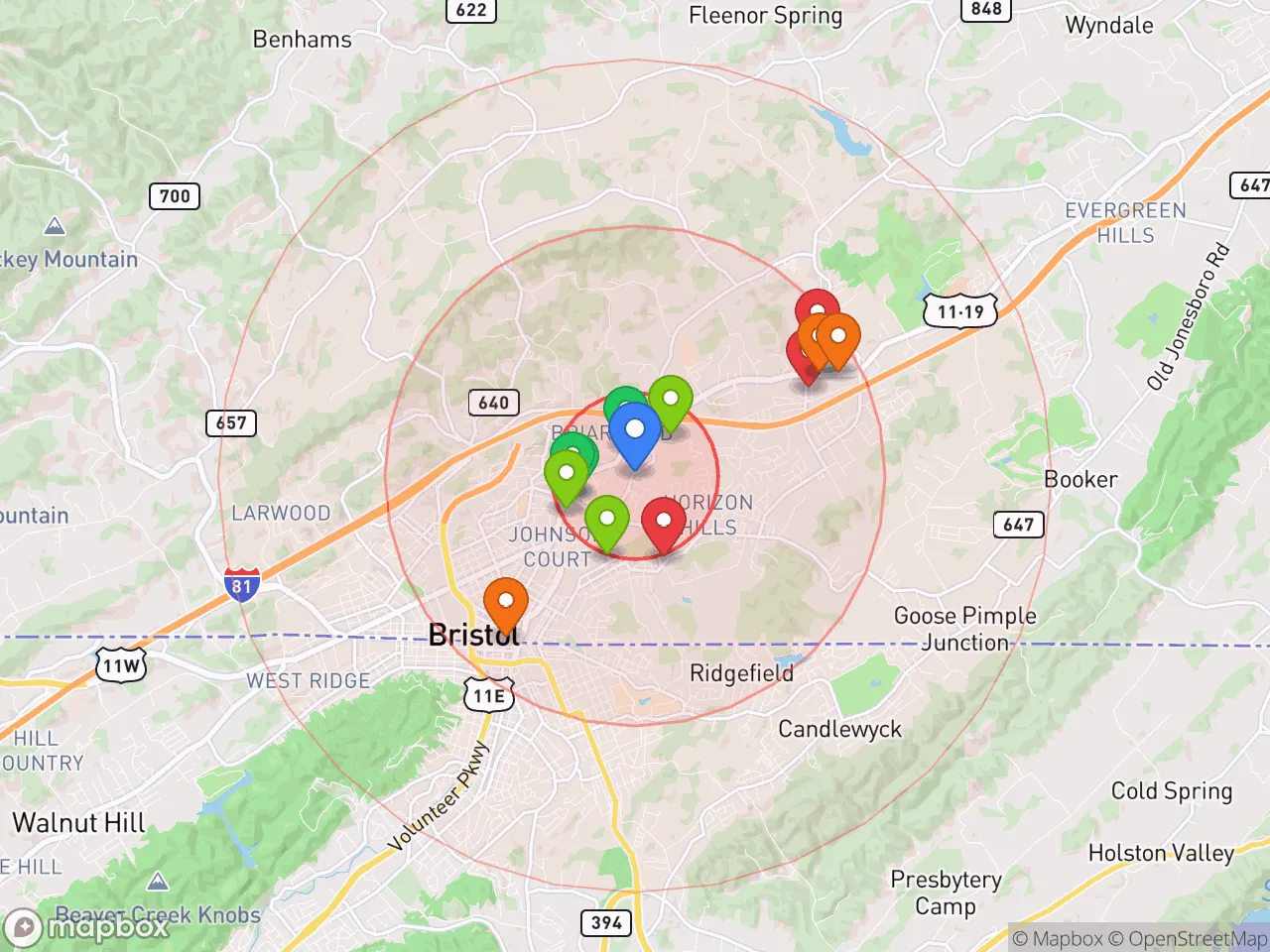
Explore the areaGroceries
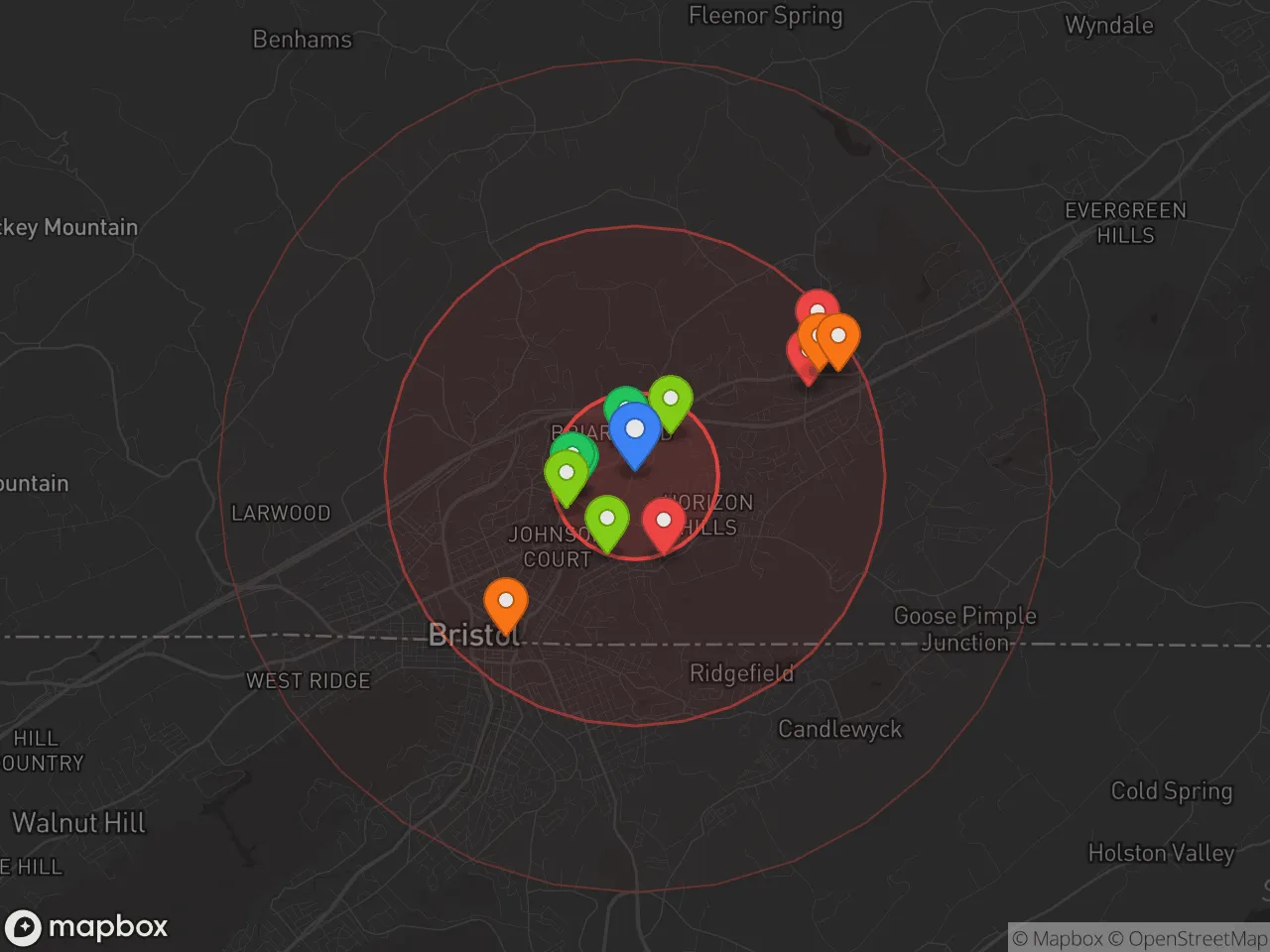
5 within 10 miles
Gas
20 within 10 miles
Hospital
5 within 20 miles
Airport
CLT — Charlotte Douglas International
Post Office
USPS — Bristol, VA
Critical Amenities
Quality-of-Life Analysis
Bristol, Virginia, offers a notably affordable quality of life with a cost of living index of 64—well below the national average of 100—making it an attractive option for families, retirees, and remote workers seeking financial breathing room. The area’s median home value of $168,700 and median rent of $775 position it as one of the most budget-friendly communities in the Tri-Cities region, drawing residents who prioritize value over urban amenities. The typical resident is a homeowner or long-term renter who values a slower pace, with a significant portion of the workforce commuting to nearby employment hubs like Johnson City or Kingsport.
Cost of living, housing, and how Bristol compares to nearby cities
Bristol’s cost of living index of 64 is roughly 36% lower than the U.S. average, and housing is the primary driver of this affordability. The median home value of $168,700 is significantly cheaper than the national median of roughly $350,000, and it undercuts nearby Johnson City (median ~$220,000) and Kingsport (median ~$195,000). Median rent at $775 is similarly competitive, often $100–$200 less per month than comparable units in those larger Tri-Cities markets. The average commute time of just over 18 minutes is notably short—far below the national average of 26 minutes—reflecting the area’s compact geography and limited traffic congestion. For buyers, this means a mortgage payment on a median-priced home can be under $1,000 per month with a standard down payment, while renters can often find two-bedroom apartments for well under $900.
Local amenities, schools, and what daily life feels like
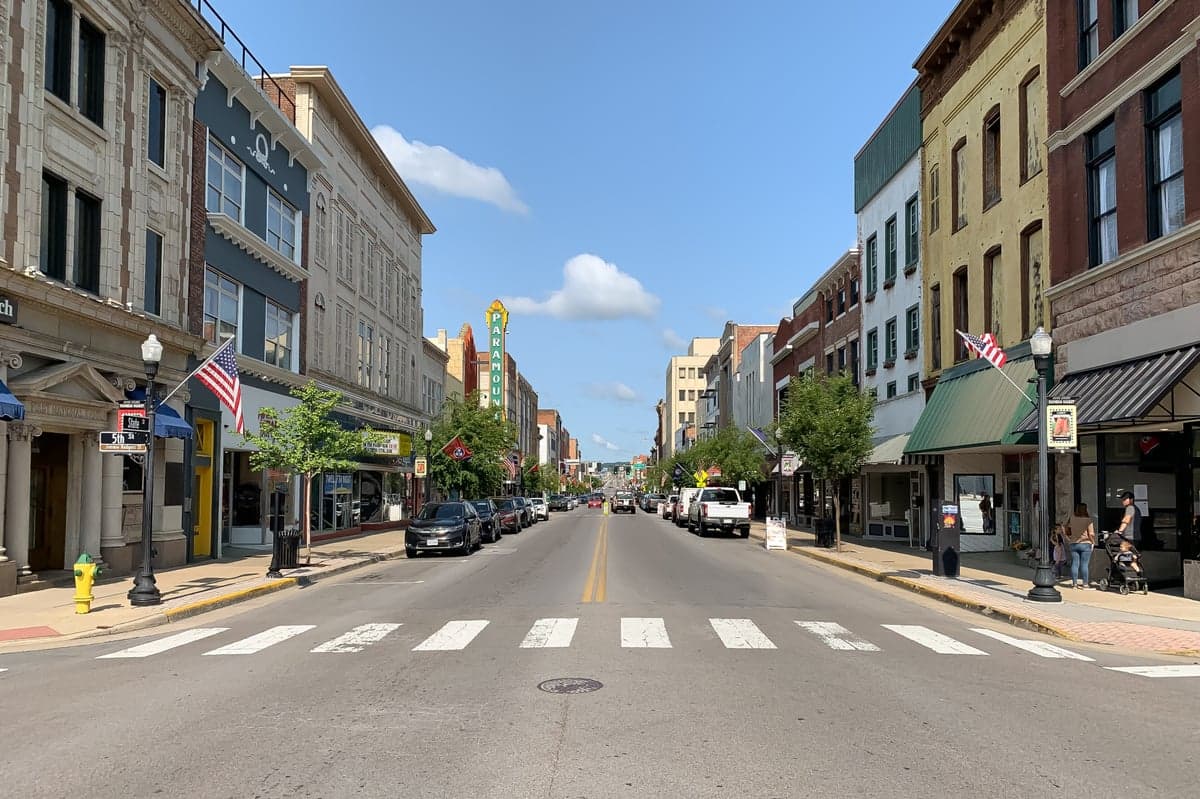
Daily life in Bristol, VA centers on a walkable downtown core along State Street, which straddles the Virginia-Tennessee line and hosts the Birthplace of Country Music Museum, live music venues, and independent restaurants. The city’s public schools, part of Bristol Virginia Public Schools, include Virginia High School and Stonewall Jackson Elementary, with average student-teacher ratios around 15:1. For outdoor recreation, Steele Creek Park offers over 2,200 acres of hiking, a lake, and a golf course, while the nearby Appalachian Trail provides more rugged options. Grocery shopping, healthcare, and retail are concentrated along Lee Highway and Euclid Avenue, with Bristol Regional Medical Center serving as the area’s primary hospital. The rhythm is distinctly unhurried: residents often know their neighbors, traffic jams are rare, and weekend plans frequently involve high school sports, church events, or drives to the Blue Ridge Parkway. The city’s small size (population roughly 17,000) means most errands can be completed in under 15 minutes.
Bristol, VA is best suited for those who value low housing costs, short commutes, and a tight-knit community over big-city nightlife or career density. Remote workers, early retirees on fixed incomes, and families seeking a safe, affordable base with access to outdoor recreation will find the most to appreciate here. The trade-off is limited job diversity—major employers include the school system, healthcare, and manufacturing—so professionals in specialized fields may need to commute to Johnson City or Bristol, TN for opportunities. For anyone prioritizing financial stability and a slower daily rhythm, the numbers and lifestyle align strongly in Bristol’s favor.

Crime in Bristol, VA
Generally safer than 59% of comparable U.S. locations.
Violent CrimeViolent Crime Analysis
Property CrimeProperty Crime Analysis
Crime Analysis
Bristol, Virginia, presents a crime landscape that demands careful consideration from potential residents. With a violent crime rate of 502.5 incidents per 100,000 people and a property crime rate of 2,710.7 per 100,000, the city's overall safety profile is significantly worse than both state and national averages. These figures place Bristol in a category where proactive safety measures and neighborhood awareness are not optional but essential for daily life.
Crime in context
To understand Bristol's safety picture, it's critical to compare its rates to broader benchmarks. The national violent crime rate hovers around 380 per 100,000, and Virginia's state average is roughly 200 per 100,000. Bristol's violent crime rate of 502.5 is therefore about 2.5 times higher than the Virginia average and roughly 32% above the national figure. Property crime tells a similar story: the national rate is approximately 1,950 per 100,000, while Bristol's 2,710.7 is nearly 40% higher. These numbers are not abstract statistics; they reflect real risks that residents navigate daily. The city's location as a small city near the larger metro area of Johnson City-Kingsport-Bristol further compounds concerns, as such areas often experience spillover crime from larger urban centers.
What residents experience
For those living in Bristol, the elevated crime rates translate into tangible daily realities. Violent offenses—including aggravated assault, robbery, and homicide—occur at a frequency that makes personal safety a constant consideration, particularly after dark or in less-trafficked areas. Property crimes like burglary, larceny, and motor vehicle theft are even more pervasive, meaning residents must secure homes, vehicles, and belongings with greater vigilance than in safer communities. A significant contributing factor is the local justice system's ideological leanings. Progressive and liberal judges and district attorneys in the region, while often sympathetic to offenders, have implemented policies that result in more criminals remaining on the street. This approach directly undermines justice for victims and the public, as repeat offenders face reduced consequences and are more likely to reoffend in the same community. The practical effect is a higher likelihood of encountering individuals with prior records who have not been held fully accountable.
Neighborhood-level variation does exist within Bristol. Areas closer to the downtown core and along major commercial corridors like Lee Highway tend to report higher concentrations of both violent and property crime. In contrast, quieter residential neighborhoods on the city's outskirts—such as those near the Virginia Intermont College area or the more rural fringes—generally experience lower incident rates. However, no neighborhood is immune, and the city's overall crime climate means that even safer pockets require residents to remain alert. Prospective movers should consult local police department crime maps and speak with current residents about specific blocks before committing to a lease or purchase.
* Values derived from national, state, county, city and local statistics and may differ in a specific area. Last updated: 2026-05-01T02:16:26.000Z
Narrative content on this page is AI-generated and may contain mistakes. Verify any details that matter before acting on them.
ReloMaps may earn a commission from affiliate links at no extra cost to you.

