 Popular
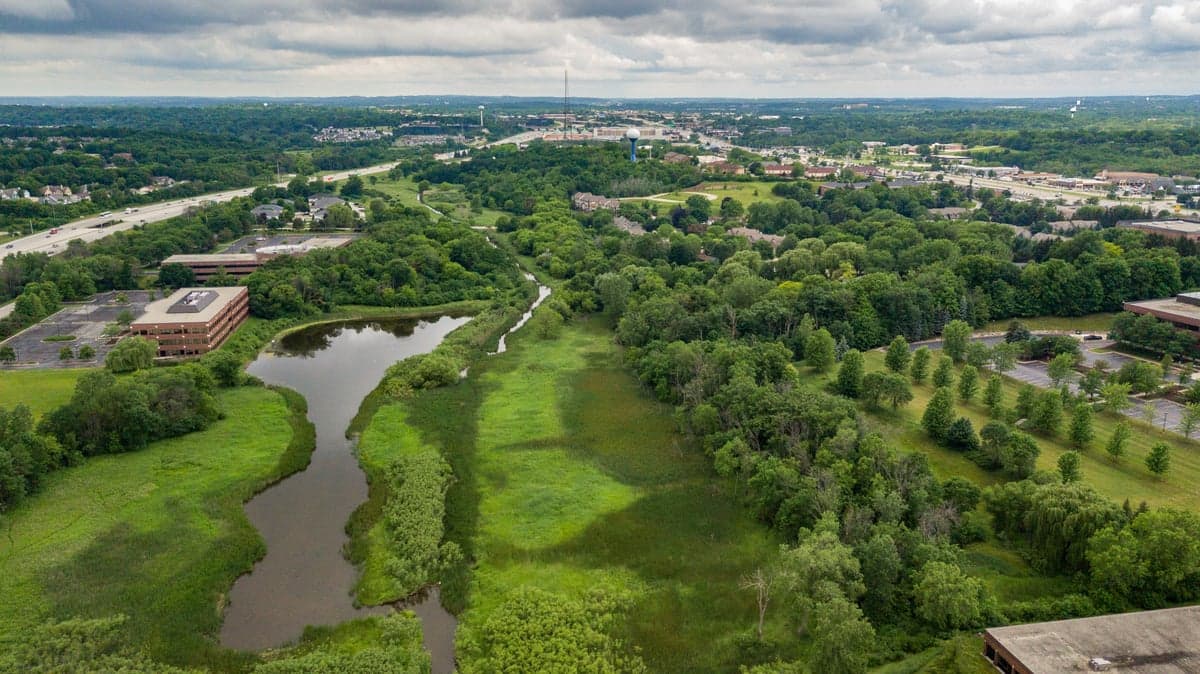
Photo: Wikipedia
Quality of Life in Brookfield, WI
A high quality of life with strong walkability, manageable living costs, healthy neighborhood signals, and solid amenity access.
What does Quality of Life tell us?
Quality of Life blends cost of living, nearby amenities, socioeconomic signals, and neighborhood character. City-level scores represent the whole municipality; individual neighborhoods can differ.
What does this tell us?
Quality of Life blends cost of living, nearby amenities, socioeconomic signals, and neighborhood character. City-level scores represent the whole municipality; individual neighborhoods can differ.
Cost of Living
52% above national average
The Real Cost of Living in Brookfield, WI for 2026
| Tier | Individual | Family (4) |
|---|---|---|
| Survival | $29k | $54k |
| Comfortable | $81k | $120k |
| Luxury | $224k+ | $347k+ |
| Elite (Top 5%) | $276k+ | $429k+ |
104%
The Area Signal
A metric tracking the socioeconomic signals of the area.
Hobbies
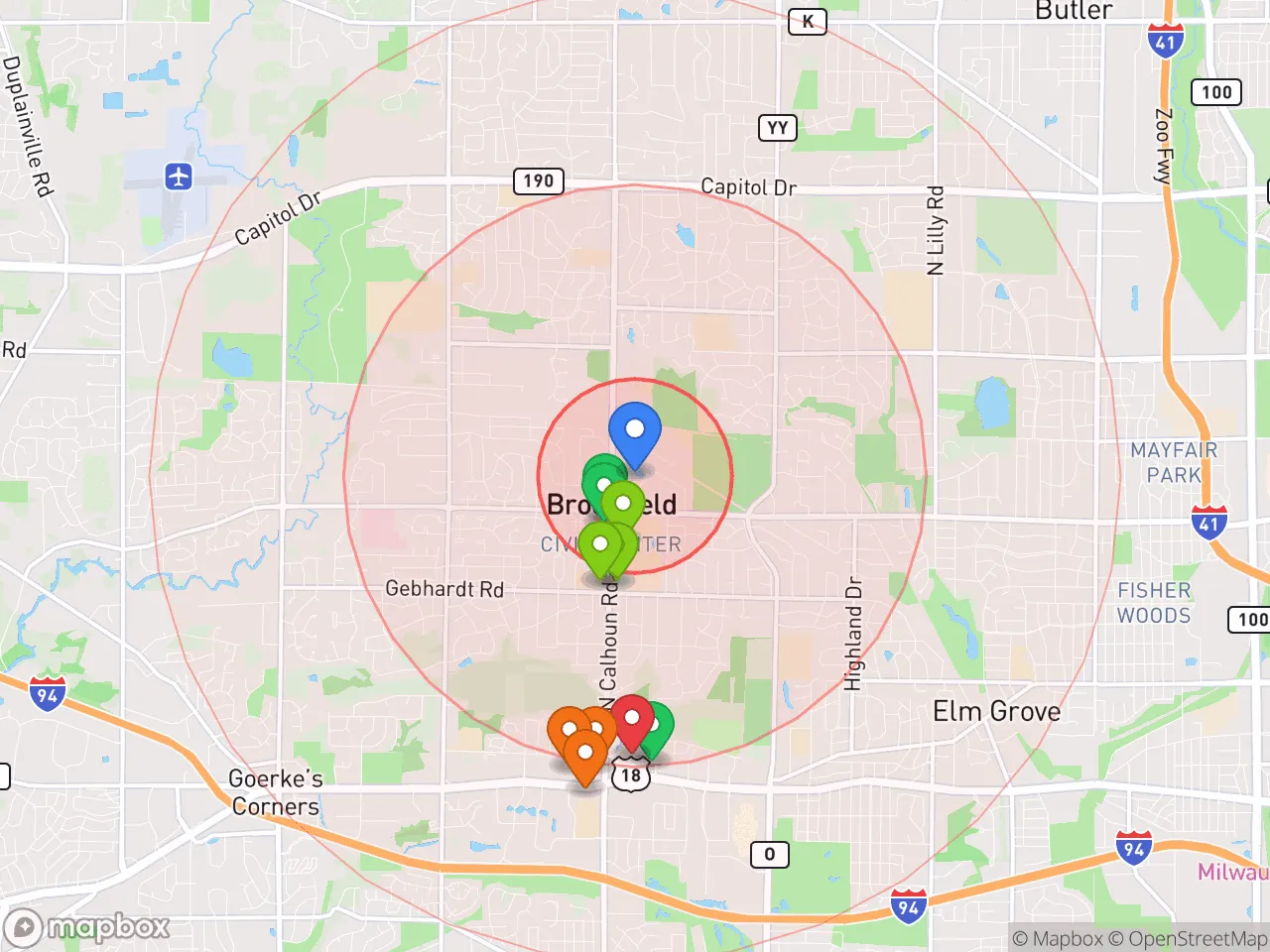
Explore the areaGroceries
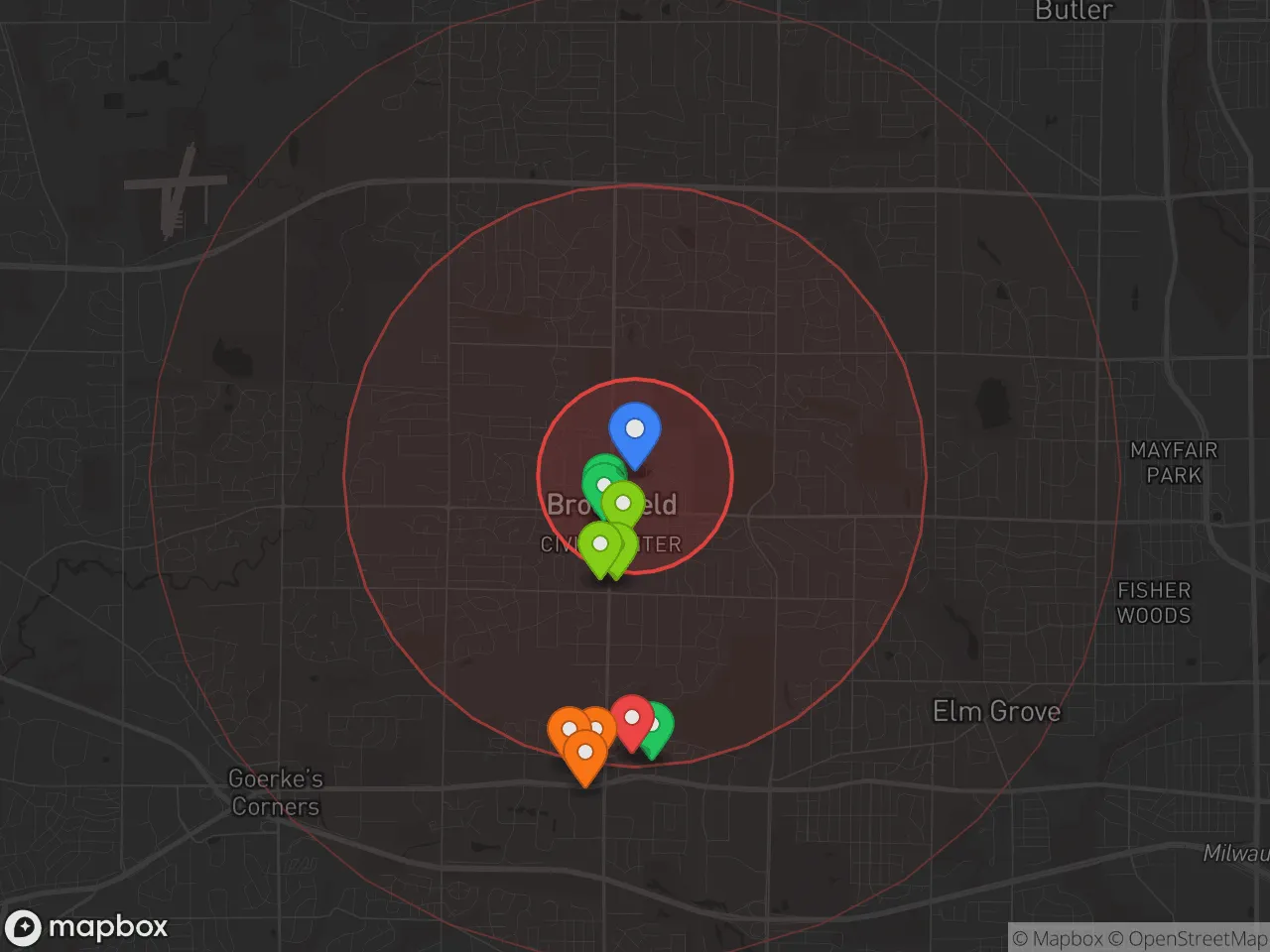
6 within 10 miles
Gas
20 within 10 miles
Hospital
20 within 20 miles
Airport
ORD — O'Hare International
Post Office
USPS — Brookfield, WI
Critical Amenities
Quality-of-Life Analysis
Brookfield, Wisconsin, is an affluent western suburb of Milwaukee where the cost of living index sits at 152—well above the national baseline of 100—reflecting a community built around high-end housing, top-rated schools, and a largely professional, family-oriented population. The median home value of $419,300 and median rent of $1,794 attract established professionals, executives, and dual-income families who prioritize space, safety, and school quality over urban proximity. With an average commute of just over 20 minutes, residents trade a short drive to downtown Milwaukee for a lifestyle centered on large lots, quiet cul-de-sacs, and a robust local retail corridor along West Bluemound Road.
Cost of living, housing, and how Brookfield compares to nearby suburbs
Brookfield’s cost of living index of 152 is roughly 50 percent higher than the national average, placing it among the priciest suburbs in the Milwaukee metro area. The median home value of $419,300 is significantly above the Wisconsin median of roughly $280,000 and rivals that of neighboring Elm Grove and Mequon, though it remains below the most exclusive lakefront enclaves like River Hills. Renters face a median monthly rent of $1,794, which is about $400 higher than the Milwaukee metro average, reflecting limited apartment inventory and strong demand for newer luxury complexes near I-94. Property taxes in Waukesha County are among the highest in the state, often exceeding $7,000 annually on a median-priced home, which is a key consideration for buyers comparing Brookfield to lower-tax alternatives like Pewaukee or New Berlin. Despite the high entry cost, the 20.3-minute average commute—well under the national average of 26 minutes—is a tangible benefit for workers commuting to Milwaukee’s downtown or the Menomonee Falls industrial corridor.
What daily life is like: amenities, schools, and community rhythm
Daily life in Brookfield revolves around the Elmbrook School District, which consistently ranks among Wisconsin’s top five public districts, with Brookfield Central and Brookfield East high schools both earning U.S. News silver medals. The community’s rhythm is shaped by the Brookfield Square mall, the Corners of Brookfield mixed-use development, and a dense strip of big-box retailers and chain restaurants along West Bluemound Road that serves as the commercial spine. For outdoor recreation, residents use the 40-mile Fox River Trail system and Mitchell Park, which hosts summer concerts and farmers markets. The population skews heavily toward married couples with children—over 40 percent of households include kids under 18—and the median household income exceeds $100,000, reinforcing a culture of youth sports leagues, private music lessons, and parent-teacher association involvement. Nightlife is minimal; most socializing happens at country clubs, neighborhood block parties, or the occasional dinner at a upscale steakhouse like Eddie Martini’s.
Brookfield is best suited for families and professionals who value short commutes, elite public schools, and low crime rates over urban energy or housing affordability. Empty-nesters downsizing from larger homes in the area also find appeal in the newer patio-home developments near the Brookfield Zoo. Singles and young renters without children may feel isolated, as the social scene is heavily family-centric and the rental stock is limited. For anyone prioritizing a safe, predictable, amenity-rich suburban life within 20 minutes of a major city, Brookfield delivers consistently—but the high cost of entry and property tax burden mean it is not a fit for budget-conscious buyers or those seeking walkable urban density.

Crime in Brookfield, WI
Lower crime rates than 91% of comparable U.S. locations.
Violent CrimeViolent Crime Analysis
Property CrimeProperty Crime Analysis
Crime Analysis
Brookfield, Wisconsin, is a notably safe suburb of Milwaukee, with violent crime rates far below both state and national averages. The city reports a violent crime rate of just 58.2 incidents per 100,000 residents, a figure that is roughly one-tenth the national average. Property crime, at 730.3 per 100,000, is also lower than the U.S. median, though it remains a more common concern for residents. However, as a community within a large metropolitan area, Brookfield is subject to the broader criminal justice policies of Milwaukee County, where progressive district attorneys and judges have been criticized for lenient sentencing and reduced prosecution of certain offenses, a factor that can indirectly affect suburban safety by allowing repeat offenders to remain on the street.
Crime in context
Brookfield’s violent crime rate of 58.2 per 100,000 is dramatically lower than the Wisconsin state average of roughly 300 per 100,000 and the U.S. average of about 380 per 100,000. This places Brookfield among the safest municipalities in Waukesha County. Property crime in Brookfield, at 730.3 per 100,000, is below the national median of approximately 1,950 per 100,000 but slightly above the Waukesha County average of around 650 per 100,000. The city benefits from its own well-funded police department and a largely affluent, low-density residential layout. However, residents should be aware that Milwaukee County’s justice system, which handles cases from the broader metro area, has adopted progressive policies—such as bail reform and diversion programs—that critics argue reduce accountability and increase recidivism, potentially spilling crime into nearby suburbs like Brookfield.
What residents experience
For most Brookfield residents, crime is not a daily concern. The most common incidents are property crimes like theft from vehicles, package theft, and occasional burglaries, often concentrated near retail corridors like Bluemound Road and the Brookfield Square mall. Violent crime is rare and typically involves domestic disputes or isolated incidents rather than random attacks. Residents report feeling safe walking in their neighborhoods and using parks at all hours. That said, the progressive criminal justice policies in Milwaukee County—including a district attorney who has deprioritized prosecution for low-level drug offenses and theft—mean that property crime offenders are often released quickly, leading to frustration among victims and a perception that the system favors offenders over public safety.
Neighborhood-level variation in Brookfield is minimal, as the city is uniformly low-crime. The safest areas tend to be the western residential subdivisions near Waukesha, while the eastern edge closer to Milwaukee sees slightly higher property crime due to easier access for offenders from the city. Gated communities and homes with private security systems are common in the higher-priced northern sections. Overall, Brookfield’s safety profile is excellent by national standards, but the influence of Milwaukee County’s progressive justice system is a legitimate concern for those prioritizing long-term security and victim rights.
* Values derived from national, state, county, city and local statistics and may differ in a specific area. Last updated: 2026-04-21T10:12:09.000Z
Narrative content on this page is AI-generated and may contain mistakes. Verify any details that matter before acting on them.
ReloMaps may earn a commission from affiliate links at no extra cost to you.

