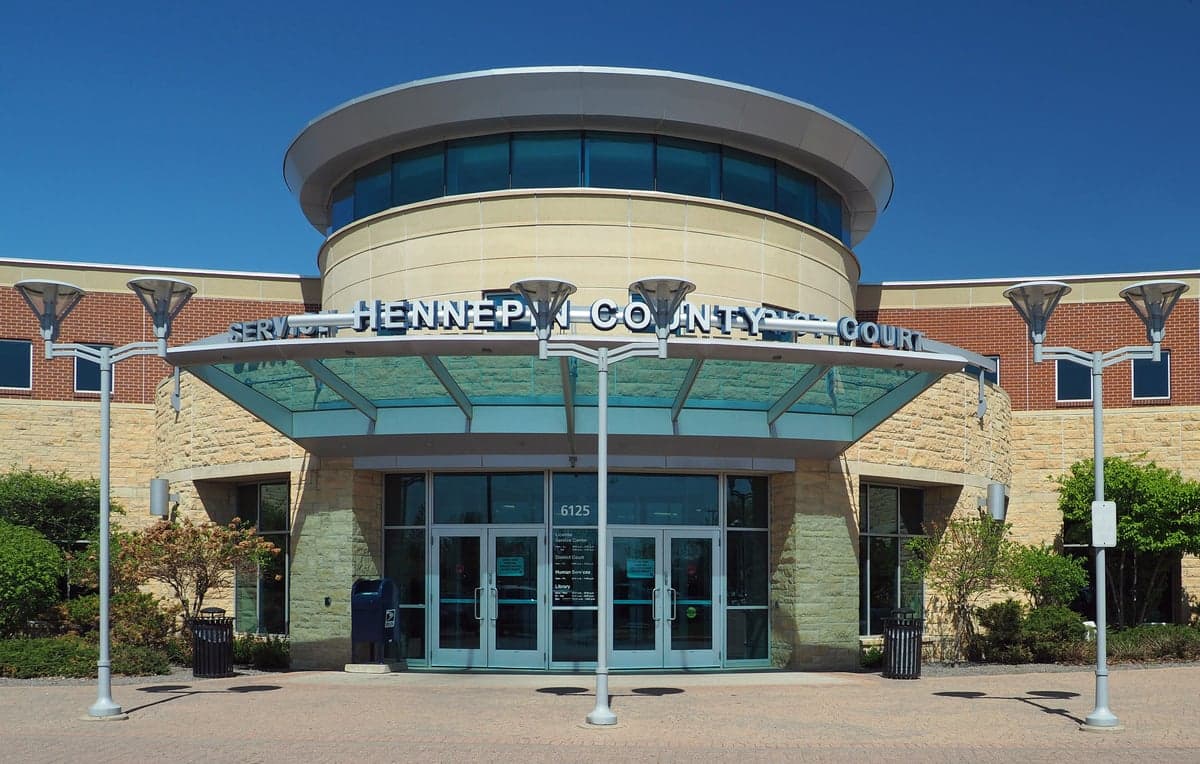
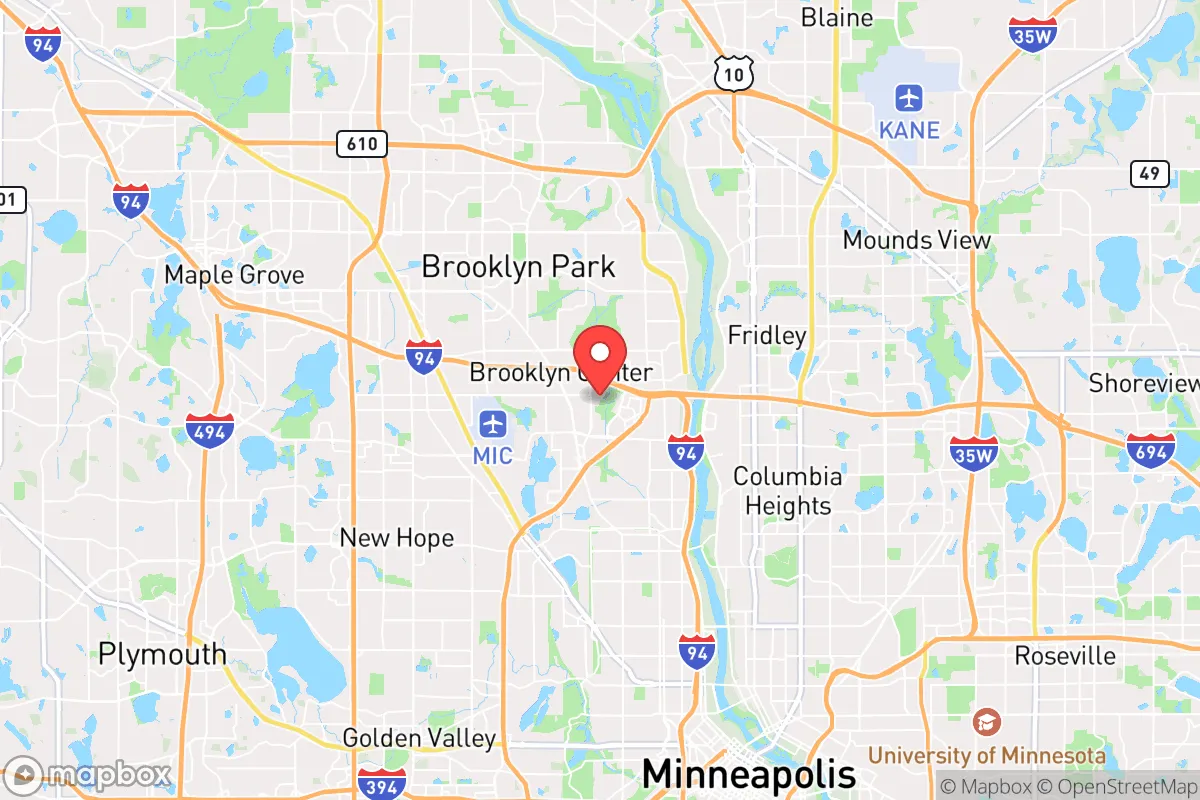
Photo: Wikipedia
Demographics of Brooklyn Center, MN
Affluence Level in Brooklyn Center, MN
A below-average socioeconomic profile. Incomes, home values, and educational attainment trail the U.S., with higher poverty and unemployment.
People of Brooklyn Center, MN
Brooklyn Center, Minnesota, is a densely settled first-ring suburb of Minneapolis with 32,811 residents, characterized by striking racial and ethnic diversity that sets it apart from many neighboring communities. The city is majority-minority, with a Black population of 33.7%, East/Southeast Asian residents at 16.1%, and a Hispanic community of 13.2%, while non-Hispanic whites now make up 31.3% of the population. This is a working-class and middle-class suburb where 25.6% of adults hold a college degree, and 11.0% of residents are foreign-born, creating a dynamic, multi-ethnic fabric that is still evolving.
How the city was settled and grew
Brooklyn Center was originally part of the Dakota homeland before European-American settlement began in the 1850s, spurred by the Donation Land Claim Act and the promise of fertile farmland along the Mississippi River. The earliest white settlers were primarily of German, Irish, and Scandinavian stock, who established small farms and crossroads hamlets. The area remained rural through the early 20th century, with the village of Brooklyn Center incorporating in 1911. The first major growth wave came after World War II, when returning GIs and their families sought affordable housing on the suburban fringe. Developers built modest single-family homes in neighborhoods like Brookdale (centered around the later Brookdale Shopping Center) and Shingle Creek, attracting a predominantly white, blue-collar population employed in Minneapolis factories and the expanding Twin Cities industrial corridor. By 1960, the population had surged past 10,000, and the city’s identity as a classic post-war suburb was cemented.
Modern era (post-1965)
The 1965 Hart-Cellar Immigration Act and the subsequent Fair Housing Act of 1968 fundamentally reshaped Brooklyn Center’s demographics. As white families began moving to outer-ring suburbs in the 1970s and 1980s, the city’s affordable housing stock and proximity to Minneapolis jobs drew Black families, many of whom were part of the Great Migration’s later waves or moving from the city’s North Side. The Brookdale area became a hub for African American residents, while the Shingle Creek and Bass Lake neighborhoods saw growing numbers of East African immigrants, particularly Somali families, beginning in the 1990s. The 2000s brought a significant influx of East/Southeast Asian residents—primarily Hmong and Karen refugees from Laos and Myanmar—who settled in the Brooklyn Center core and Bass Lake corridor, drawn by refugee resettlement agencies and existing ethnic networks. Hispanic residents, largely of Mexican and Central American origin, concentrated in the Brookdale and Shingle Creek areas, working in construction, hospitality, and light manufacturing. By 2020, the city had transformed from a nearly all-white suburb to one where no single racial group held a majority, with the white share falling from 85% in 1990 to 31.3% today.
The future
Brooklyn Center’s population is not homogenizing but rather tribalizing into distinct, stable ethnic enclaves that show little sign of rapid assimilation into a single suburban culture. The Black population, now the largest single group, is projected to remain stable or grow slightly through natural increase and continued in-migration from Minneapolis. The East/Southeast Asian community, at 16.1%, is plateauing as refugee resettlement slows, though second-generation families are increasingly moving to outer suburbs for larger homes. The Hispanic share, at 13.2%, is growing steadily through both births and immigration, particularly in the Brookdale and Shingle Creek neighborhoods. The white population, now a minority, is aging in place and declining slowly, with few young white families moving in. The Indian subcontinent population remains tiny at 0.5%, concentrated in scattered households rather than a distinct enclave. Over the next 10–20 years, Brooklyn Center will likely become even more heavily Black and Hispanic, with East/Southeast Asian communities holding steady. The city’s affordable housing stock and transit access will continue to attract immigrants and lower-income families, while its reputation for high property taxes and crime may deter middle-class flight.
For a conservative-leaning individual or family considering relocation, Brooklyn Center is a place of genuine diversity and working-class resilience, but also one where demographic change has been rapid and sometimes contentious. The city is becoming a majority-Black and Hispanic suburb with a significant East/Southeast Asian minority, and its schools, public safety, and tax burden reflect the challenges of a first-ring suburb in transition. Those who value ethnic diversity and urban proximity will find a vibrant community; those seeking a stable, low-tax, low-crime environment may look further out.

* Values derived from national, state, county, city and local statistics and may differ in a specific area. Last updated: 2026-04-24T14:34:53.000Z
Narrative content on this page is AI-generated and may contain mistakes. Verify any details that matter before acting on them.
ReloMaps may earn a commission from affiliate links at no extra cost to you.

