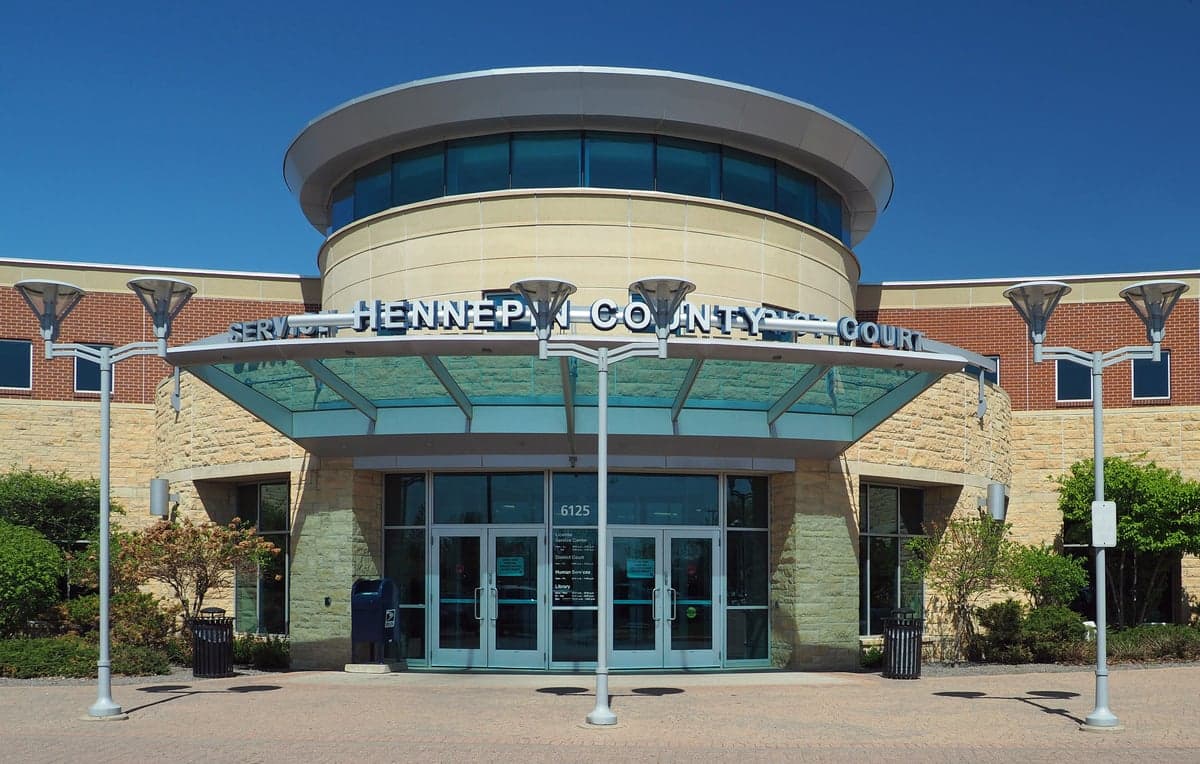
Photo: Wikipedia
Quality of Life in Brooklyn Center, MN
A high quality of life with strong walkability, manageable living costs, healthy neighborhood signals, and solid amenity access.
What does Quality of Life tell us?
Quality of Life blends cost of living, nearby amenities, socioeconomic signals, and neighborhood character. City-level scores represent the whole municipality; individual neighborhoods can differ.
What does this tell us?
Quality of Life blends cost of living, nearby amenities, socioeconomic signals, and neighborhood character. City-level scores represent the whole municipality; individual neighborhoods can differ.
Cost of Living
6% above national average
The Real Cost of Living in Brooklyn Center, MN for 2026
| Tier | Individual | Family (4) |
|---|---|---|
| Survival | $21k | $40k |
| Comfortable | $51k | $75k |
| Luxury | $106k+ | $165k+ |
| Elite (Top 5%) | $125k+ | $194k+ |
97%
The Area Signal
A metric tracking the socioeconomic signals of the area.
Hobbies
Explore the areaGroceries
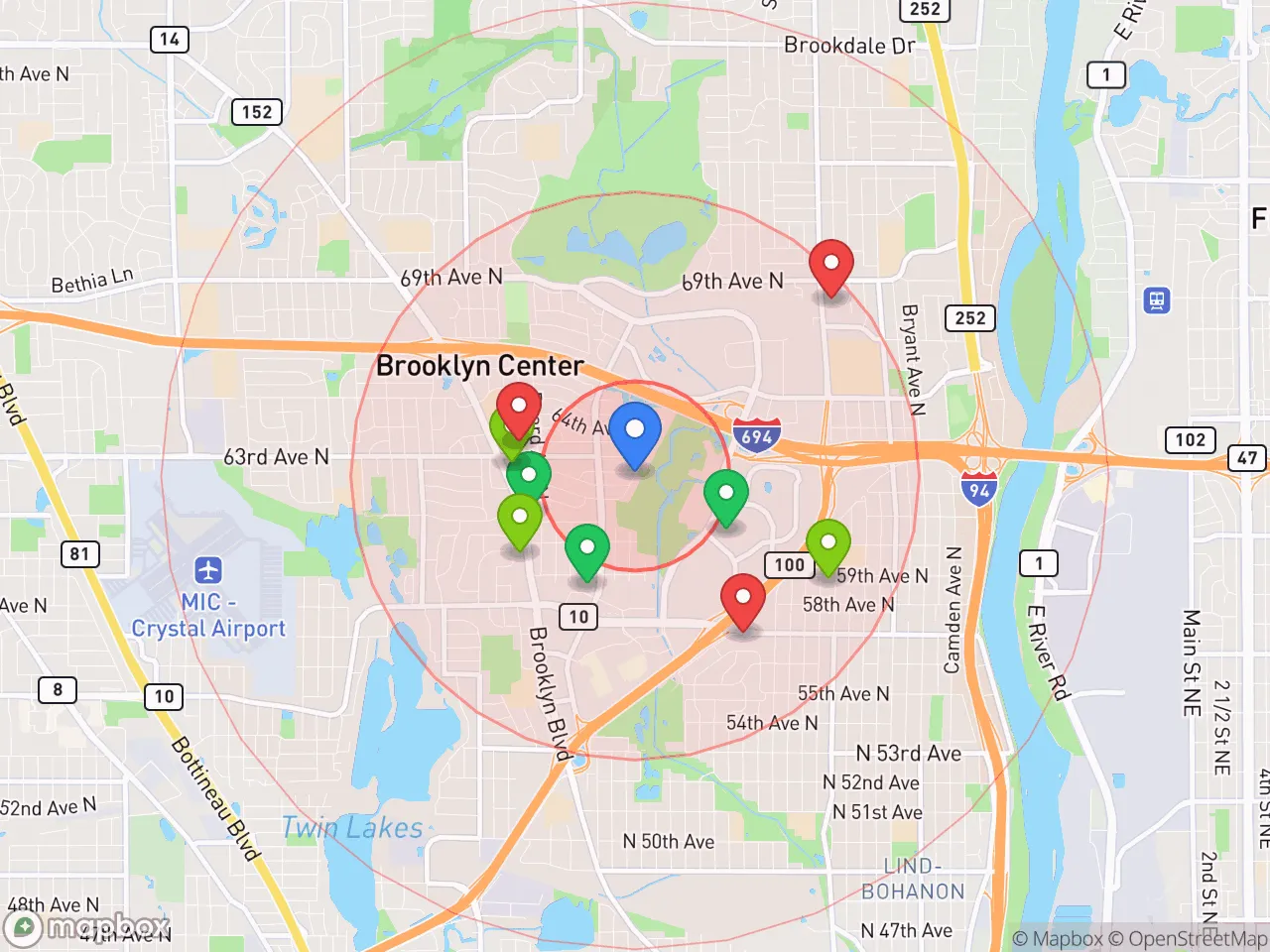
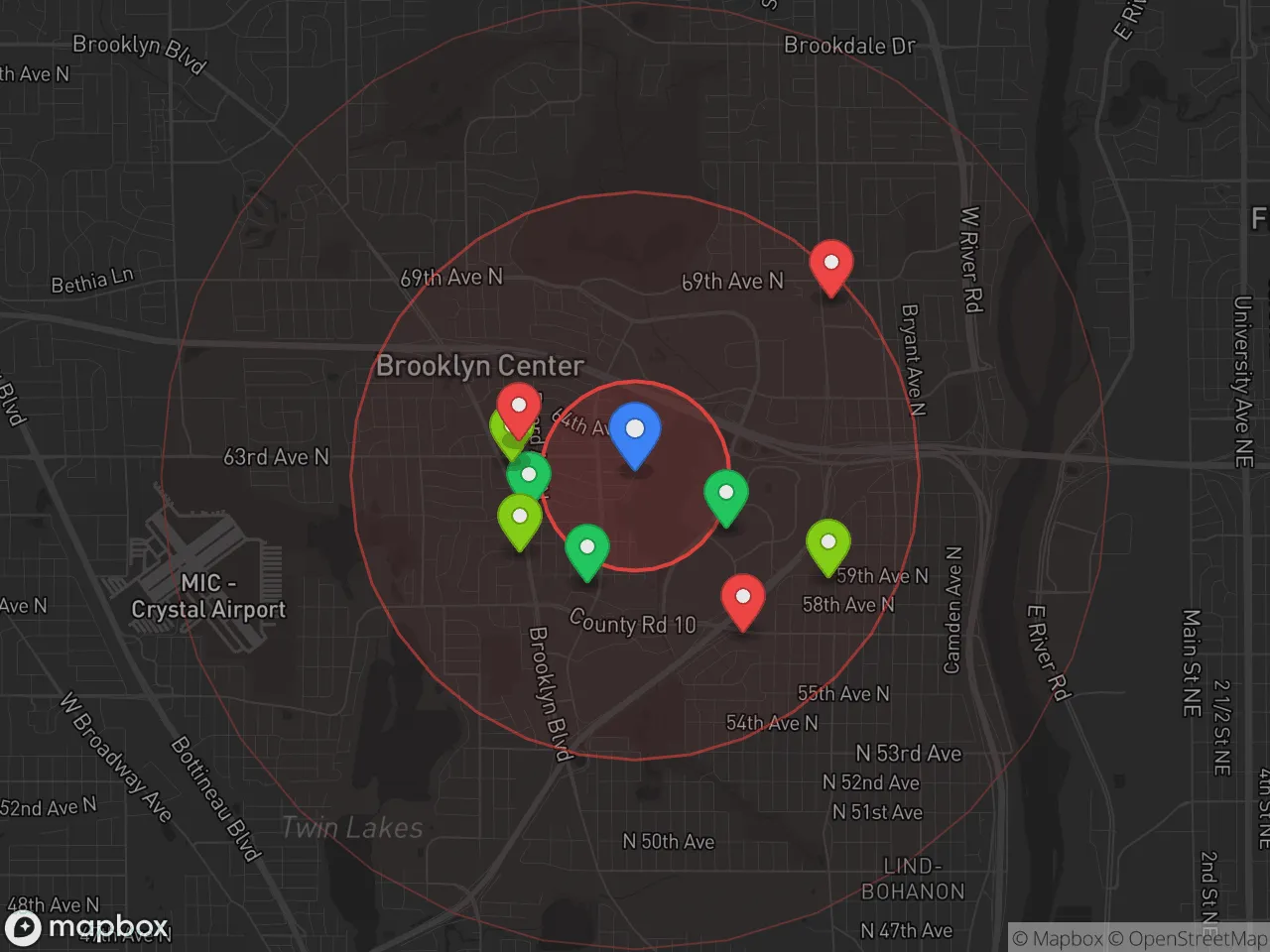
4 within 10 miles
Gas
20 within 10 miles
Hospital
20 within 20 miles
Airport
JFK — John F. Kennedy Memorial
Post Office
USPS — Brooklyn Center, MN
Critical Amenities
Quality-of-Life Analysis
Brooklyn Center, Minnesota, presents a middle-market quality of life shaped by its position as a working- and middle-class suburb of Minneapolis, with a cost of living index of 106 (6% above the U.S. average) that reflects its proximity to the Twin Cities while remaining more affordable than many inner-ring suburbs. The city’s population of roughly 33,000 is notably diverse, with a significant share of residents identifying as Black, Asian, or Hispanic, and a median household income around $55,000 that aligns with the area’s blue-collar and service-sector employment base. This is not an affluent enclave like Edina or Wayzata, but a practical, community-oriented suburb where affordability and access to the metro area’s job market are primary draws for families, young professionals, and first-time homebuyers.
Cost of living, housing, and affordability compared to nearby suburbs
Brooklyn Center’s cost of living index of 106 is roughly 10 points lower than Minneapolis proper (around 116) and significantly below western suburbs like Plymouth (index ~120). The median home value of $261,100 is about $40,000 less than the Twin Cities metro median, making it one of the more attainable entry points for homeownership in Hennepin County. Median rent of $1,345 is similarly competitive—about $200–$300 less per month than in nearby Brooklyn Park or Golden Valley. However, property taxes in Hennepin County are relatively high (roughly 1.2% of assessed value), which can offset some of the purchase-price savings. The average commute of 22.7 minutes is slightly shorter than the metro average of 25 minutes, thanks to direct access to I-94 and I-694, though traffic on those corridors can add 10–15 minutes during peak hours. For renters and buyers priced out of Minneapolis or closer-in suburbs like Robbinsdale, Brooklyn Center offers a tangible affordability advantage without sacrificing proximity to downtown jobs.
What daily life is like for families: schools, parks, and local amenities
Daily life in Brooklyn Center revolves around a mix of older single-family homes, townhouse developments, and a handful of apartment complexes, with the city’s 20+ parks—including the 150-acre Shingle Creek Park and the Mississippi River Regional Trail—providing ample outdoor recreation. The Brooklyn Center Community Schools district (ISD 286) serves most of the city, with Earl B. Johnson Elementary and Brooklyn Center High School being the primary campuses; the district has a graduation rate around 80%, below the state average of 87%, which leads some families to explore charter or private options. Retail amenities are concentrated along Brooklyn Boulevard and Bass Lake Road, anchored by the Brookdale Center shopping area (though the former mall has been redeveloped into a mixed-use site with a library, police station, and apartments). The city lacks a walkable downtown core—most errands require a car—but the proximity to Minneapolis means residents can access the city’s dining, arts, and entertainment within a 15-minute drive. Public transit via Metro Transit bus routes is available but limited compared to Minneapolis proper, making car ownership nearly essential.
Brooklyn Center is best suited for budget-conscious homebuyers and renters who prioritize affordability and metro access over school ratings or walkable urban amenities. First-time buyers, young families, and workers in trades, healthcare, or retail will find the housing costs manageable, while those seeking top-tier public schools or a vibrant downtown scene should look to suburbs like Edina or St. Louis Park. The city’s diversity and community-oriented feel—with regular events like the Brooklyn Center Community Festival—offer a grounded, neighborly atmosphere that appeals to residents who value practicality over prestige. For anyone willing to trade a longer commute or higher housing costs elsewhere for a lower entry price and solid highway connections, Brooklyn Center represents a viable, data-backed choice in the Twin Cities metro.

Crime in Brooklyn Center, MN
Crime rates similar to the national median for U.S. locations.
Violent CrimeViolent Crime Analysis
Property CrimeProperty Crime Analysis
Crime Analysis
Brooklyn Center, Minnesota, reports a violent crime rate of 514.4 incidents per 100,000 residents and a property crime rate of 2,642.4 per 100,000, placing it among the higher-crime suburbs in the Twin Cities metro area. These figures reflect a community facing significant public safety challenges, particularly when compared to state and national averages. The city’s proximity to Minneapolis and its status as a densely populated, diverse inner-ring suburb contribute to crime patterns that residents and prospective movers should examine closely.
Crime in context
Brooklyn Center’s violent crime rate of 514.4 per 100,000 is roughly 40% higher than the national average (approximately 370 per 100,000) and significantly exceeds the Minnesota state average of about 280 per 100,000. Property crime, at 2,642.4 per 100,000, is also elevated—roughly 30% above the national property crime rate of roughly 2,000 per 100,000. These numbers place Brooklyn Center in a tier with other high-crime Twin Cities suburbs like Brooklyn Park and Fridley. A key factor driving these rates is the progressive criminal justice policies enacted in Hennepin County, where district attorneys and judges have increasingly prioritized diversion programs, reduced bail, and shorter sentences. While intended to reduce incarceration, these policies have been linked to higher recidivism and more property crime, as repeat offenders face fewer consequences. The 2020 civil unrest following the killing of George Floyd in nearby Minneapolis further strained local policing, with the Brooklyn Center Police Department experiencing staffing shortages and reduced proactive enforcement.
What residents experience
Residents report that property crime—especially vehicle theft, burglary, and package theft—is the most common safety concern in daily life. The city’s commercial corridors, including Brooklyn Boulevard and Highway 252, see frequent shoplifting and car break-ins. Violent crime, while less common, includes aggravated assaults and robberies, often concentrated in specific apartment complexes and near transit hubs. Gun violence has been a recurring issue, with several high-profile shootings in 2023 and 2024 linked to gang conflicts. Residents also express frustration with slow police response times, a direct result of understaffing and the department’s reduced morale after the 2021 police killing of Daunte Wright, which led to the chief’s resignation and ongoing community tension. Many locals rely on neighborhood watch groups and private security cameras to supplement official policing.
Neighborhood-level variation is notable. The area west of Interstate 694, near the Shingle Creek Parkway and the city’s southern border with Minneapolis, tends to report higher violent crime. In contrast, the northern and eastern sections—closer to the Mississippi River and the city of Champlin—see lower crime rates, with more single-family homes and fewer multi-unit rentals. Prospective renters should scrutinize specific apartment complexes, as some properties near the Brooklyn Center Transit Center have disproportionately high calls for service. Overall, while Brooklyn Center offers affordable housing and convenient access to downtown Minneapolis, its crime environment demands careful neighborhood selection and awareness of the broader justice system’s leniency toward offenders.
* Values derived from national, state, county, city and local statistics and may differ in a specific area. Last updated: 2026-04-24T14:34:53.000Z
Narrative content on this page is AI-generated and may contain mistakes. Verify any details that matter before acting on them.
ReloMaps may earn a commission from affiliate links at no extra cost to you.

