Photo: brownsvilletx.gov
Find The Best Places To Live
in Brownsville
PRO TIP! You can paste a Zillow or Redfin link to get info on that property.
What It's Like Living in Brownsville, TX
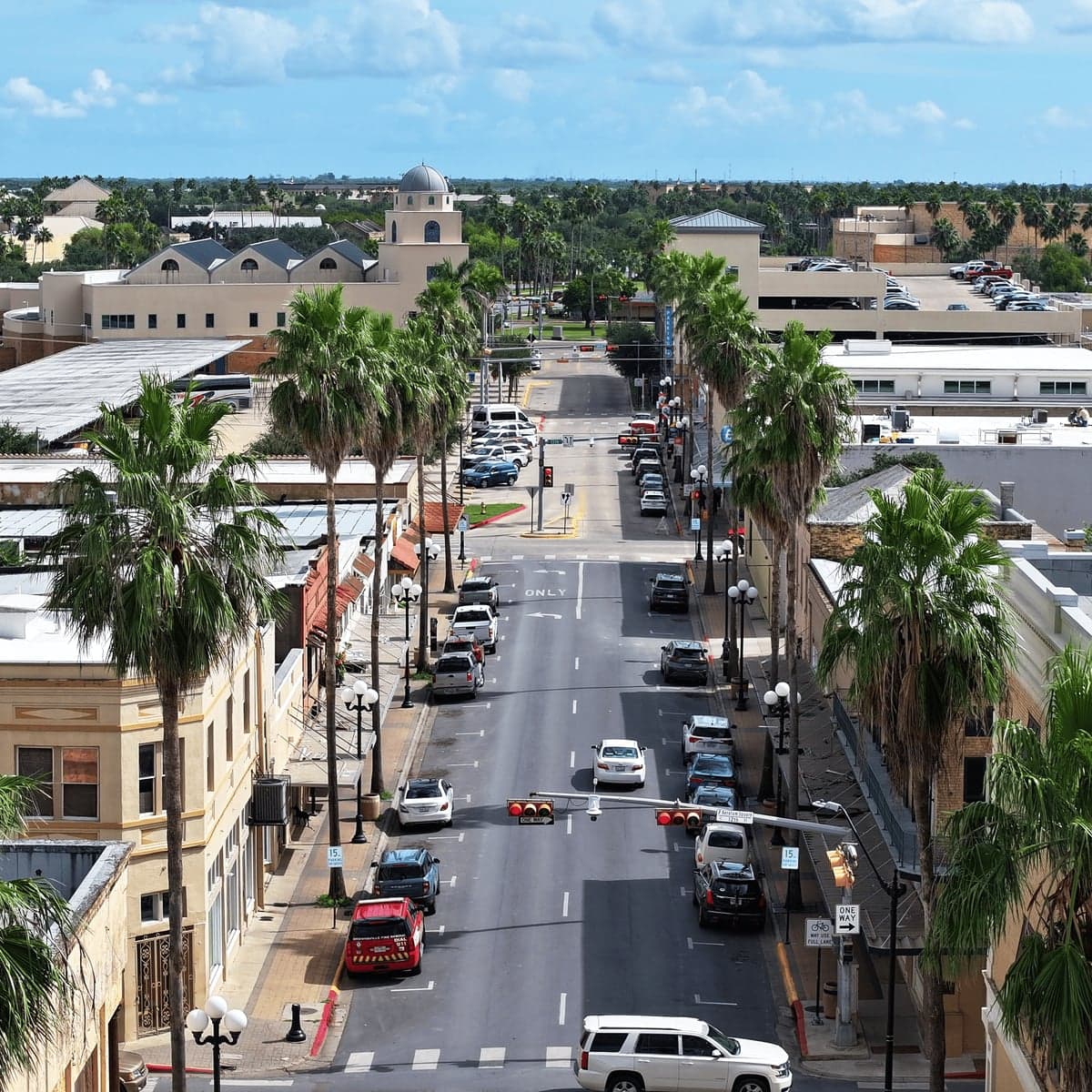
Brownsville feels less like a typical American border city and more like a place that has quietly figured out its own rhythm—a mix of deep South Texas roots, a young and growing population, and a cost of living that lets people actually breathe. With a median age just under 31 and a median home value around $122,400, it’s a town where a teacher or a young electrician can buy a decent house without needing a six-figure income. The vibe is unhurried, family-oriented, and proudly bicultural, with Spanish and English blending naturally in every grocery store aisle and high school football game.
The Daily Rhythm: Slow Mornings and Long Evenings
Most weekdays in Brownsville start early but not frantic. The average commute is just over 20 minutes—short enough that you can actually run home for lunch or pick up kids without stress. People shop at the local H-E-B or the sprawling Sunrise Mall, but the real action is in the taquerías and paleterías scattered along Boca Chica Boulevard. Weekends often mean a trip to the Gladys Porter Zoo, a walk along the Resaca de la Palma state park trails, or a slow afternoon at the Market Square downtown, where vendors sell everything from fresh produce to handmade crafts. The weather is subtropical—hot and humid from May through October, with a mild “winter” that rarely dips below 50°F—so outdoor life is year-round, even if you’re sweating through it.
The kind of person who fits in here is someone who values affordability over flash. The median household income is about $48,675, and the cost of living index sits at 64—well below the national average. That means a family can afford a three-bedroom home and still have money left for a weekend trip to South Padre Island (45 minutes east) or a night out at the Daddy’s seafood spot on the waterfront. It’s not a place for people chasing nightclubs or high-end boutiques; it’s for those who want a slower pace, a tight-knit community, and a house they can actually own.
Sports, Schools, and Saturday Night Lights
If you ask a local what people get excited about, high school football is near the top of the list. Brownsville is home to several powerhouse programs—Veterans Memorial High School and Los Fresnos High School draw big crowds on Friday nights, and the rivalry games between Pace and Porter can feel like a town holiday. College sports are less dominant here than in other parts of Texas, but the University of Texas Rio Grande Valley (UTRGV) Vaqueros are building a following, especially in baseball and basketball. There’s no major pro team, but the Brownsville Charros (a minor-league baseball team) play at the UTRGV Baseball Stadium, offering affordable family entertainment from April to August.
Schools are a central part of community life. The Brownsville Independent School District is one of the largest in the region, and while test scores are mixed, the schools serve as social hubs—hosting carnivals, band concerts, and parent-teacher events that draw whole neighborhoods. Only about 22% of adults hold a bachelor’s degree, which is below the national average, but UTRGV and Texas Southmost College provide local pathways for higher education and vocational training.
What’s There to Do: Festivals, Parks, and the Border Beat
Brownsville’s entertainment scene is modest but genuine. The biggest annual event is Charro Days, a week-long festival in February that celebrates the city’s Mexican heritage with parades, concerts, and a carnival. The Brownsville Latin Jazz Festival draws regional acts, and the Camille Playhouse puts on community theater year-round. For outdoor types, the Laguna Atascosa National Wildlife Refuge is a 20-minute drive and offers world-class birding (over 400 species). The South Padre Island beaches are close enough for a day trip, and the Rio Grande River itself offers kayaking and fishing spots.
Dining is a highlight. El Hidalguense serves some of the best tacos de barbacoa in the valley, and La Playa is a no-frills spot for fresh ceviche. For a nicer night out, Los Asados does grilled meats and margaritas in a relaxed patio setting. The bar scene is small but loyal—The Vermillion is a craft cocktail spot downtown, and Bocadillos offers live music on weekends.
Pros and Cons of Living Here
- Pro: Genuine affordability. A median home value of $122,400 means a couple earning the median income can buy a home with a standard mortgage. Rent is similarly low—a two-bedroom apartment often runs $800–$1,000.
- Pro: Short commutes and low stress. The average commute is 20 minutes, and traffic is rarely a headache. You can get from the airport to the beach in under an hour.
- Pro: Strong cultural identity. The border location gives Brownsville a distinct flavor—bilingual, bicultural, and proud of it. Charro Days and the local food scene are genuine, not touristy.
- Con: Limited job diversity. The economy leans heavily on education, healthcare, and government. High-paying tech or corporate jobs are scarce; many professionals commute to McAllen or work remotely.
- Con: Higher crime rates. The violent crime rate is about 403 per 100,000—above the national average. Most incidents are concentrated in specific areas, but it’s something to be aware of, especially for single women or families with teens.
- Con: Intense summer heat. From June through September, temperatures regularly hit 95°F with high humidity. Air conditioning is non-negotiable, and outdoor activities are best done early morning or after sunset.
Longtime residents love the sense of community—the way neighbors know each other, the slow pace, and the fact that a family can live comfortably on a modest income. What frustrates them is the lack of economic opportunity and the feeling that the city is sometimes overlooked by the rest of Texas. But for someone who values affordability, culture, and a slower rhythm, Brownsville offers a life that’s hard to find elsewhere—especially for the price of a house that would cost three times as much in Austin or Dallas.

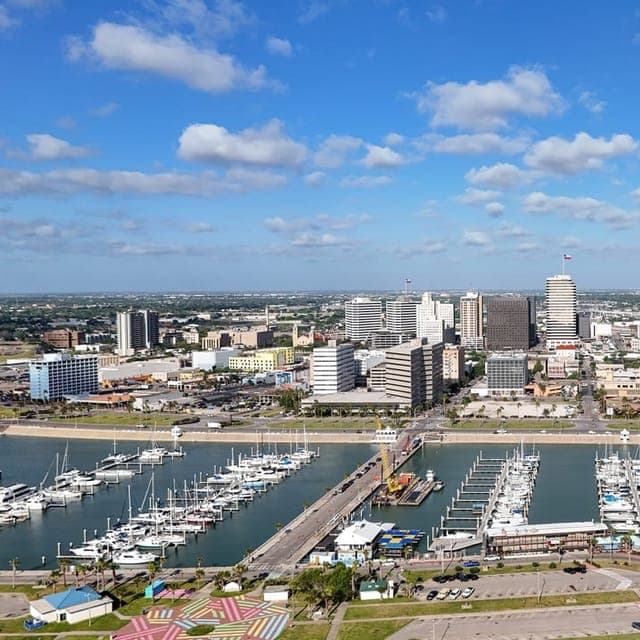
Similar small cities to Brownsville
* Values derived from national, state, county, city and local statistics and may differ in a specific area. Last updated: 2026-04-11T04:40:45.000Z
Narrative content on this page is AI-generated and may contain mistakes. Verify any details that matter before acting on them.
ReloMaps may earn a commission from affiliate links at no extra cost to you.

