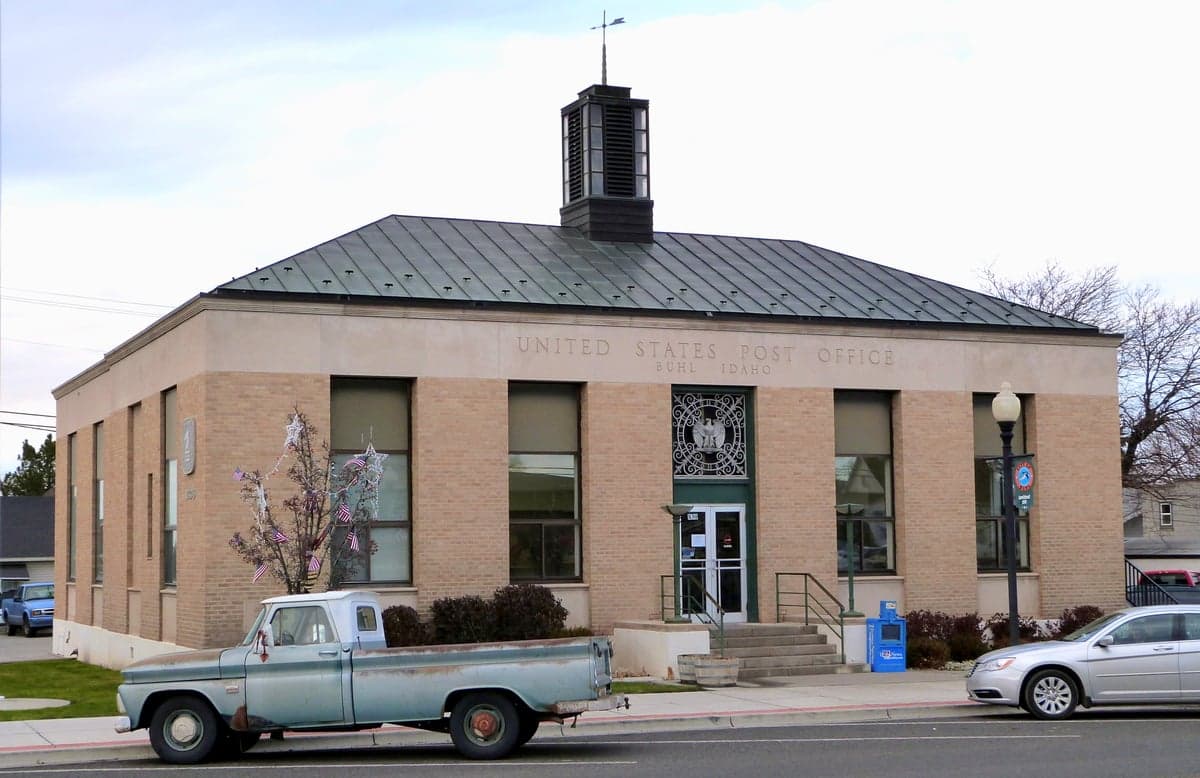
Photo: Wikipedia
Political ClimatePolitical Climate in Buhl, ID
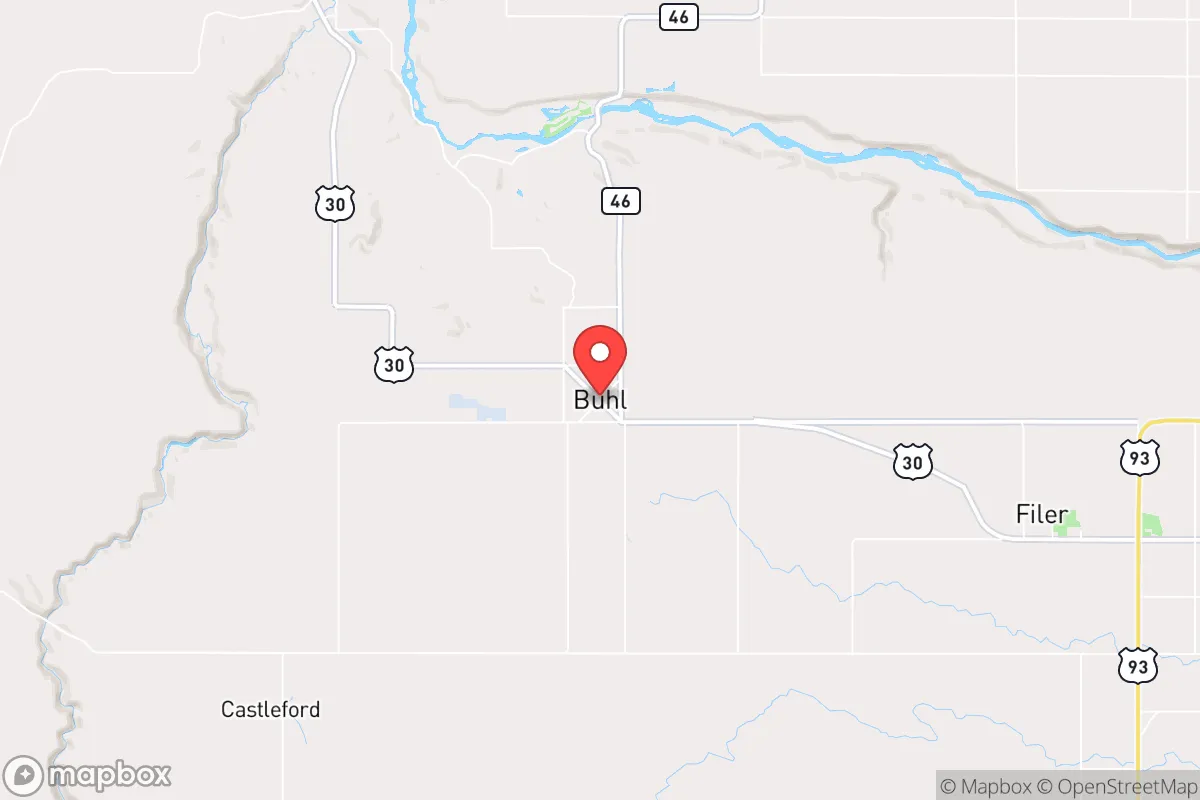
District shown is the primary district for this city’s centroid. Cities may span multiple districts.
Local Political AnalysisPolitical Analysis of Buhl, ID
Buhl, Idaho, sits in a deeply conservative corner of the state, and for good reason. The Cook Partisan Voting Index (PVI) of R+13 tells you the baseline, but it doesn’t capture the local flavor. This isn’t a place that’s just Republican by default; it’s a community where folks genuinely believe in limited government, personal responsibility, and keeping the federal government out of their backyards. You’ll see that in how people vote, but more importantly, you’ll see it in how they live—neighbors helping neighbors, not waiting for a government program to step in. The trajectory here has been steady, but there’s a quiet unease as some of the more progressive trends from places like Boise or even Twin Falls start to creep in. The long-term worry is that outside money and new residents, drawn by the lower cost of living, might try to shift the local culture toward something less self-reliant.
How it compares
Drive 20 minutes east to Twin Falls, and you’ll feel a subtle difference. Twin Falls is more of a regional hub, with a bigger hospital, a community college, and a slightly more diverse economy. That brings in a wider range of political views, and you’ll see more yard signs for moderate Democrats or even third-party candidates. Buhl, by contrast, is still very much an agricultural town. The local economy revolves around farming, food processing (like the big J.R. Simplot plant), and small businesses that depend on local trade. The politics here are more straightforward: lower taxes, fewer regulations, and a strong Second Amendment culture. Compared to places like Ketchum or Sun Valley, which are practically another planet politically, Buhl feels like a stronghold of common sense. The contrast is stark—where those resort towns embrace progressive environmental and social policies, Buhl residents are more likely to see those as government overreach that hurts local livelihoods, especially for farmers and ranchers who depend on water rights and land use flexibility.
What this means for residents
For someone living in Buhl, the political climate translates into a pretty hands-off local government. The city council and county commissioners are generally pro-business and pro-property rights. You won’t see a lot of zoning fights or overbearing building codes here. That’s a big deal if you want to run a small operation from your home, keep livestock on your property, or build a shop without jumping through a dozen hoops. The downside is that services are minimal—don’t expect a lot of public transit or fancy parks—but most residents prefer it that way. They’d rather keep their tax dollars than fund programs they don’t use. The school board tends to lean conservative too, so curriculum debates are usually settled in favor of local control and parental rights. If you’re worried about government overreach into personal freedoms—like vaccine mandates, business closures, or land-use restrictions—Buhl is a place where those concerns are taken seriously by local leaders.
Culturally, Buhl still holds onto a few old-school distinctions that set it apart. The annual “Trout Festival” is a big deal, and it’s not just a parade—it’s a celebration of the local fishing and outdoor lifestyle that’s central to the area’s identity. There’s a strong sense of self-sufficiency here; people hunt, fish, and garden not just for recreation but as a way of life. The local gun culture is robust, and you’ll find more than a few folks who are active in the Idaho Freedom Foundation or similar groups that push back against federal overreach. The biggest policy distinction is water rights—this is a big deal in the Magic Valley. Buhl residents are fiercely protective of their senior water rights, and any talk of “streamflow restoration” or “environmental flows” from state or federal agencies is met with deep skepticism. It’s seen as a backdoor way to take water from agriculture and give it to fish or recreation, which would hurt the local economy. Looking ahead, the concern is that as Idaho grows, the pressure to conform to national progressive trends will increase, but for now, Buhl remains a place where personal freedom and local control are still the guiding principles.

State Political ClimatePolitical Climate in Idaho
State Political AnalysisPolitical Environment in the State
Idaho has long been one of the most reliably conservative states in the nation, with a Republican trifecta controlling the governorship, legislature, and both U.S. Senate seats for over two decades. The state’s political DNA is rooted in a deep libertarian streak—think small government, low taxes, and a fierce defense of gun rights and property rights. Over the last 10-20 years, however, the political landscape has shifted from a sleepy, rural conservatism to a more aggressive, culturally assertive brand, driven by an influx of out-of-state transplants from California, Washington, and Oregon. While the state remains solidly red—Donald Trump won Idaho by 30 points in 2020 and 37 points in 2024—the nature of that conservatism is evolving, with new tensions emerging between longtime locals and newcomers, and between the rural heartland and the booming Treasure Valley.
Urban vs. rural divide
The political map of Idaho is a study in contrasts. The Treasure Valley—anchored by Boise, Meridian, and Nampa—is the state’s population center and economic engine, but it’s also where the political fault lines are sharpest. Boise itself has become a blue island in a red sea, with Ada County trending purple over the last decade. In 2020, Boise’s city precincts voted heavily for Joe Biden, while the surrounding suburbs like Meridian and Eagle remained solidly Republican. Meanwhile, the rural counties—Boundary County in the north, Lemhi County in the central mountains, and Oneida County in the southeast—routinely deliver 80-90% of their votes to Republican candidates. The divide isn’t just about party; it’s about culture. Rural Idahoans feel increasingly alienated from the growth and change happening in the Treasure Valley, while Boise’s progressive activists push for policies like sanctuary city status and bike lanes that seem foreign to the rest of the state. The 2022 gubernatorial primary saw a bitter fight between incumbent Brad Little and his Trump-backed challenger, Janice McGeachin, exposing a rift between establishment conservatives and the more populist, anti-establishment wing that dominates rural areas.
Policy environment
Idaho’s policy environment is a conservative’s dream on paper, but the devil is in the details. The state has no corporate or personal income tax—a flat 5.8% rate was phased out in 2024, replaced by a 5.695% rate that’s still being whittled down. Property taxes are relatively low, but they’re rising fast in high-growth areas like Kootenai County (Coeur d’Alene) and Madison County (Rexburg), where home values have doubled in five years. The regulatory posture is light: no state-level minimum wage above the federal $7.25, no mandatory paid leave, and a right-to-work law that keeps unions weak. Education policy is a flashpoint. The state’s school choice movement is gaining steam, with the 2023 launch of a $50 million education savings account (ESA) program that lets parents use public funds for private school or homeschooling. But the program is capped and means-tested, and rural districts worry it will drain resources from already-struggling public schools. Healthcare is a mixed bag: Idaho rejected Medicaid expansion until voters forced it through in 2018, and the state still has one of the highest uninsured rates in the country. Election laws are tight—voter ID is required, same-day registration is limited, and the 2023 law banning ballot drop boxes was a clear win for election integrity advocates. On the whole, the state’s policy posture is one of cautious conservatism, but the rapid growth is straining the system.
Trajectory & freedom
Idaho is arguably becoming more free in some areas, but the trajectory is uneven. The 2023 passage of the Idaho Firearms Freedom Act (HB 186) reaffirmed the state’s status as a Second Amendment sanctuary, prohibiting state enforcement of any future federal gun bans. Similarly, the 2024 Parental Rights in Education Act (SB 1329) codified parents’ authority over their children’s medical and educational decisions, including banning gender transition procedures for minors. These laws are popular with the conservative base and signal a clear pushback against federal overreach. On the other hand, the state’s Medical Freedom Act (HB 344, 2021) was a landmark law prohibiting vaccine mandates and passport requirements, but it’s been under constant legal attack from the Biden administration. Property rights are a growing concern: the influx of out-of-state money is driving up land prices, and some longtime residents feel priced out of their own communities. The 2022 Property Tax Relief Act (HB 389) offered some relief by capping assessment increases, but it’s a temporary fix. The biggest threat to freedom, in many locals’ eyes, is the erosion of local control—Boise’s city council has pushed for zoning changes and density mandates that rural legislators see as a blueprint for urban-style government overreach.
Civil unrest & political movements
Idaho has a long history of anti-government sentiment, from the Ruby Ridge standoff in 1992 to the more recent rise of the People’s Rights network founded by Ammon Bundy. Bundy’s group has been a fixture in the state capitol, protesting everything from COVID-19 mandates to property tax assessments. In 2022, Bundy’s followers clashed with police in Emmett over a child custody dispute, leading to a standoff that ended without violence but left a sour taste. On the left, the Idaho Women’s March and Indivisible Boise have organized protests against abortion bans and for LGBTQ rights, but they remain a minority voice. Immigration politics are relatively quiet—Idaho has no sanctuary cities, and the 2023 HB 239 banned local governments from adopting sanctuary policies. Election integrity controversies have been minimal compared to other states, but the 2022 primary saw a push for hand-counting ballots in Bonner County, which was ultimately rejected by the county commission. The most visible flashpoint for a new resident would likely be the constant presence of political signage—"Let’s Go Brandon" flags, "Don’t Tread on Me" plates, and the occasional "Impeach Biden" billboard—especially in rural areas. It’s a state where politics is lived, not just discussed.
Projection
Over the next 5-10 years, Idaho’s political trajectory will be defined by the collision of two forces: the continued influx of conservative-leaning transplants from blue states, and the internal tension between establishment Republicans and the populist, anti-government wing. The transplants are overwhelmingly conservative—many are fleeing California’s taxes and regulations—but they bring with them a more suburban, NIMBY-friendly version of conservatism that clashes with the rugged individualism of rural Idahoans. Expect the Treasure Valley to continue trending purple, with Boise’s city council pushing for more progressive policies while the state legislature counters with preemption laws. The rural counties will likely become even more conservative, potentially flirting with secessionist rhetoric—the Greater Idaho movement, which proposes absorbing eastern Oregon counties into Idaho, has gained traction and could become a real political force. The biggest wildcard is the state’s growing Latino population, concentrated in Canyon County (Nampa and Caldwell), which is predominantly Catholic and socially conservative but could shift the balance if it becomes more politically engaged. For someone moving in now, expect to find a state that is still deeply red, but with a more complex, factionalized conservatism than the monolithic image suggests.
For a new resident, the bottom line is this: Idaho offers a high degree of personal freedom, low taxes, and a culture that values self-reliance and local control. But the rapid growth is creating friction—rising housing costs, strained infrastructure, and a political climate that’s increasingly polarized between the urban corridor and the rural hinterlands. If you’re looking for a place where your rights are respected and your voice matters, Idaho is still one of the best bets in the country. Just be prepared for the growing pains that come with being a destination for everyone else who had the same idea.
* Values derived from national, state, county, city and local statistics and may differ in a specific area. Last updated: 2026-05-03T04:42:43.000Z
Narrative content on this page is AI-generated and may contain mistakes. Verify any details that matter before acting on them.
ReloMaps may earn a commission from affiliate links at no extra cost to you.

