Demographics of Bunker Hill Village, TX
Affluence Level in Bunker Hill Village, TX
An elite concentration of wealth — high incomes, strong home values, advanced degrees, and minimal poverty signal a top-tier socioeconomic profile.
Census doesn't track above $250K
People of Bunker Hill Village, TX
Bunker Hill Village today is a small, affluent enclave of 3,801 residents in western Harris County, defined by its exceptionally high education levels and a population that is overwhelmingly White (78.0%) with a notable East/Southeast Asian minority (7.8%). The city’s character is one of quiet, established suburban stability—nearly all adults hold a college degree (90.2%), and the foreign-born share is a low 2.6%, reflecting a community built by domestic professionals and their families. This is not a place of rapid demographic churn but of deep-rooted, high-income homogeneity, where the primary identity markers are professional achievement, family-oriented privacy, and a deliberate distance from Houston’s urban core.
How the city was settled and grew
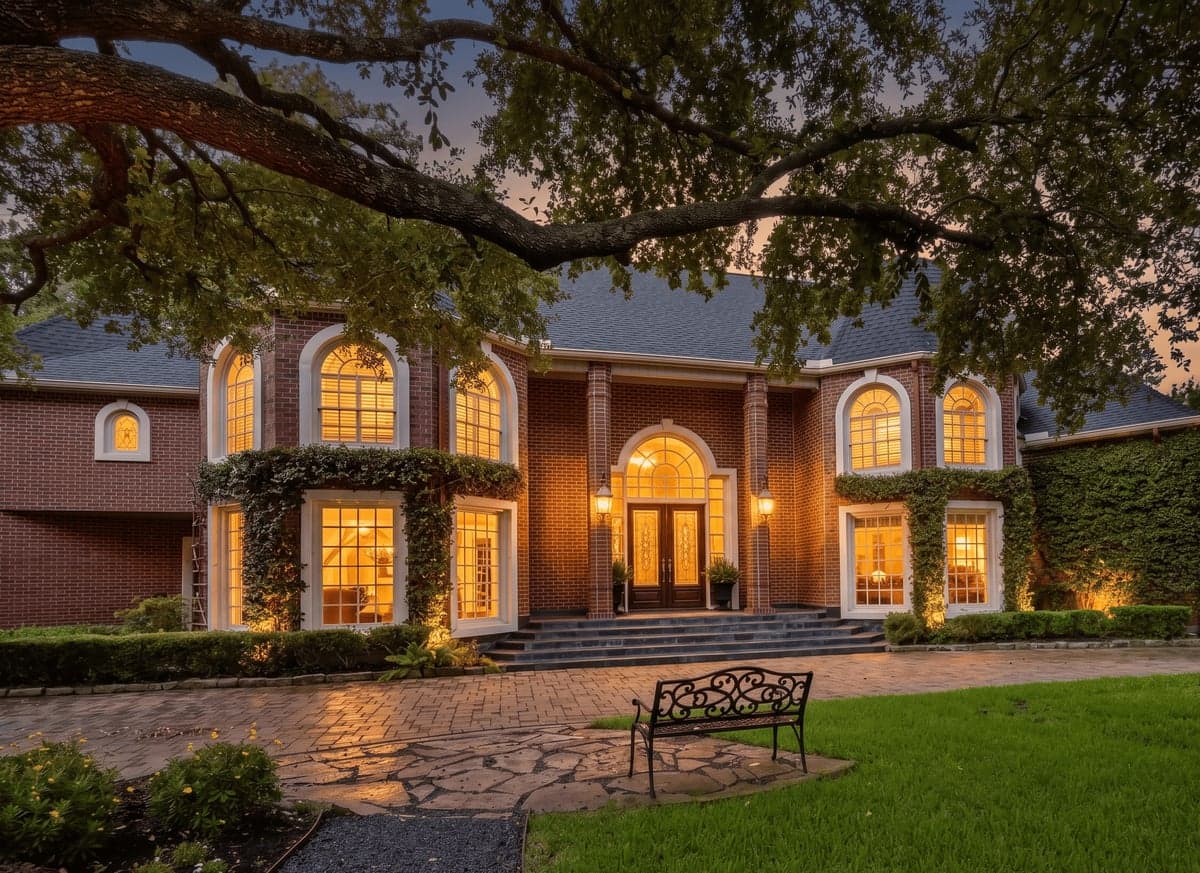
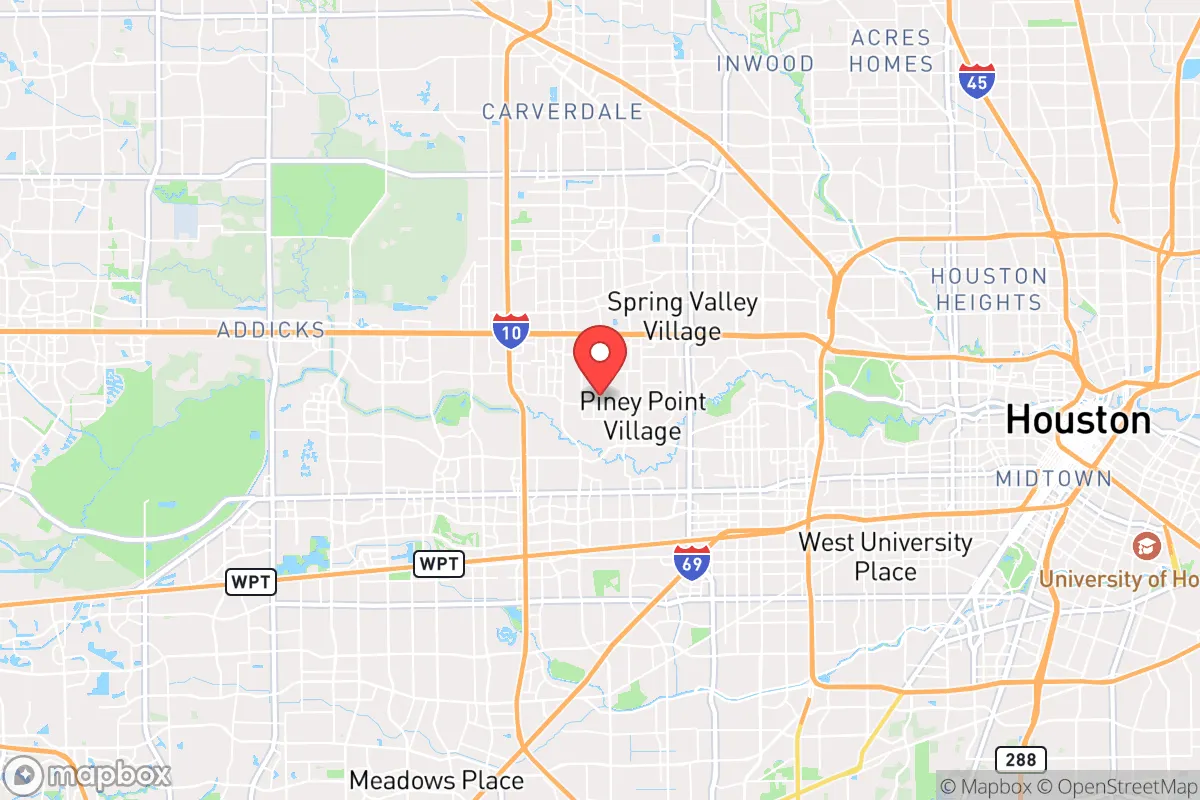
Bunker Hill Village was not settled by waves of immigrants or industrial workers. It was platted in 1954 as a planned residential community within the Memorial Villages—a ring of six small cities carved from the former Bunker Hill area of Harris County. The original population was drawn by the post-World War II suburban boom, specifically by the promise of large lots, low property taxes, and proximity to Houston’s expanding energy and medical sectors. The first homes went up in the Bunker Hill Estates neighborhood, a grid of ranch-style houses on half-acre lots that attracted mid-level oil executives and engineers. By the 1960s, the Memorial Drive corridor—the city’s main east-west artery—became the spine for new subdivisions like Hunters Creek and Piney Point, though these are technically separate municipalities. Within Bunker Hill Village proper, the Woods of Bunker Hill and Bunker Hill Manor sections filled with custom-built homes for doctors, lawyers, and small business owners. The city incorporated in 1955 specifically to control zoning and maintain low density, ensuring that no apartments or commercial development would alter its residential character. There is no pre-20th century history here; the land was largely undeveloped prairie and pine forest until the 1950s.
Modern era (post-1965)
The post-1965 immigration reforms had minimal direct impact on Bunker Hill Village. Unlike Houston’s inner suburbs, which absorbed waves of Latin American and Asian immigrants, Bunker Hill remained overwhelmingly White through the 1970s and 1980s. The city’s population peaked near 4,000 in the 1990s and has since held steady. The most significant demographic shift began in the 2000s, when East/Southeast Asian professionals—particularly Chinese and Korean families—began purchasing homes in the Bunker Hill Village proper and the adjacent Memorial Villages area. These families were drawn by the same factors as the original settlers: top-ranked schools (Spring Branch ISD’s Memorial High School), large lots, and low crime. Today, East/Southeast Asian residents make up 7.8% of the population, concentrated in the newer custom homes along Bunker Hill Road and Gessner Drive. The Indian-subcontinent population (2.6%) is smaller and more dispersed, with no single enclave. The Hispanic (3.0%) and Black (1.3%) shares remain minimal, reflecting the city’s high property values—median home prices exceed $1.5 million—and lack of rental housing. The city’s racial composition has not shifted dramatically; it has simply become slightly more Asian while remaining predominantly White.
The future
Bunker Hill Village’s population is likely to remain stable in size and slowly diversify at the margins. The city has no land for new development, and its zoning prohibits multi-family housing, so growth will come only from teardown-and-rebuild projects. The East/Southeast Asian share is expected to continue rising gradually, as second-generation professionals from Houston’s energy and medical sectors seek the same school districts and lot sizes their parents valued. The Indian-subcontinent population may grow modestly but will likely remain below 5%. The White share will decline incrementally but will stay above 70% for the foreseeable future. The city is not tribalizing into distinct enclaves; rather, it is homogenizing by income and education level, with new residents—regardless of ethnicity—fitting the same professional profile. The next 10-20 years will see a slightly more Asian Bunker Hill Village, but one that remains defined by its core identity: a wealthy, highly educated, family-oriented suburb where change comes slowly and property values are the primary gatekeeper.
For someone moving in now, Bunker Hill Village offers a stable, low-diversity environment where the population is overwhelmingly composed of college-educated professionals and their families. The city is not becoming more diverse in the broad sense—it is becoming more Asian within a still-dominant White framework, with minimal Hispanic or Black presence. The bottom line: this is a place for buyers who prioritize top-tier schools, large lots, and demographic predictability over urban energy or rapid change.

* Values derived from national, state, county, city and local statistics and may differ in a specific area. Last updated: 2026-04-27T14:17:42.000Z
Narrative content on this page is AI-generated and may contain mistakes. Verify any details that matter before acting on them.
ReloMaps may earn a commission from affiliate links at no extra cost to you.

