
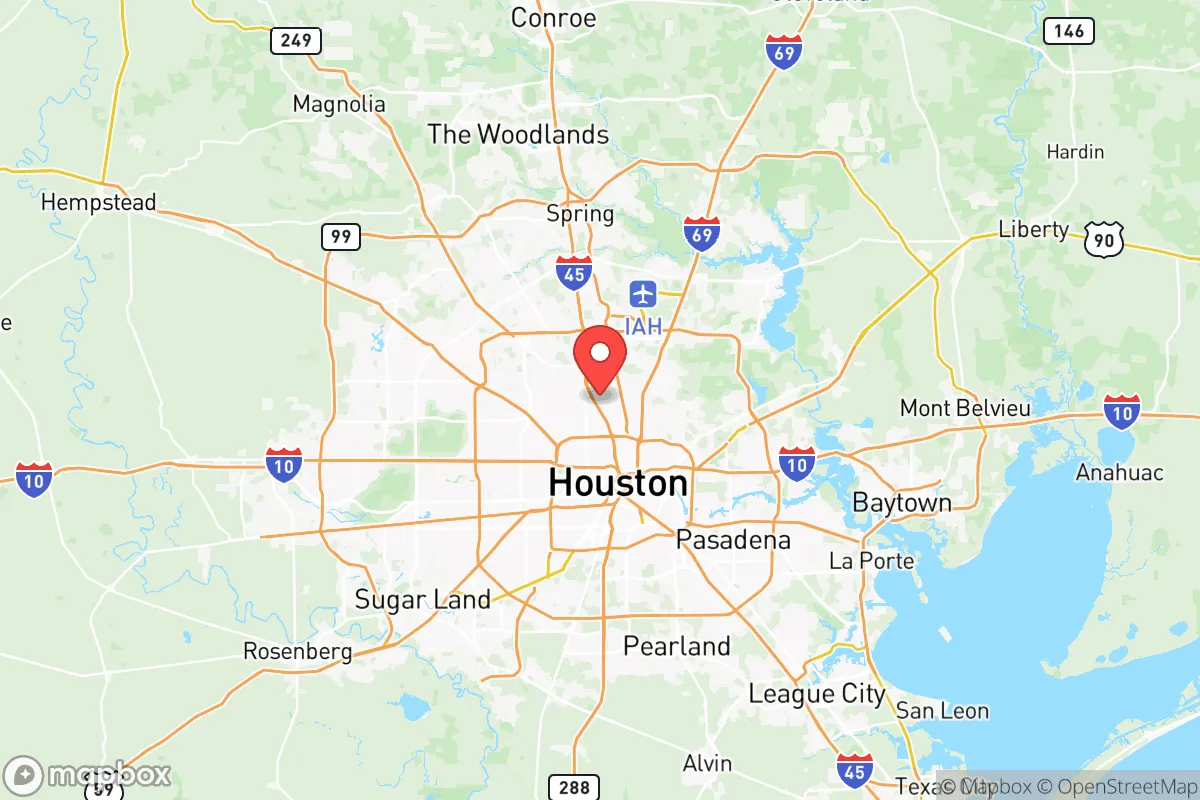
Photo: Wikipedia
Find The Best Places To Live in Harris County
PRO TIP! You can paste a Zillow or Redfin link to get info on that property.
Best Places to Live in Harris County
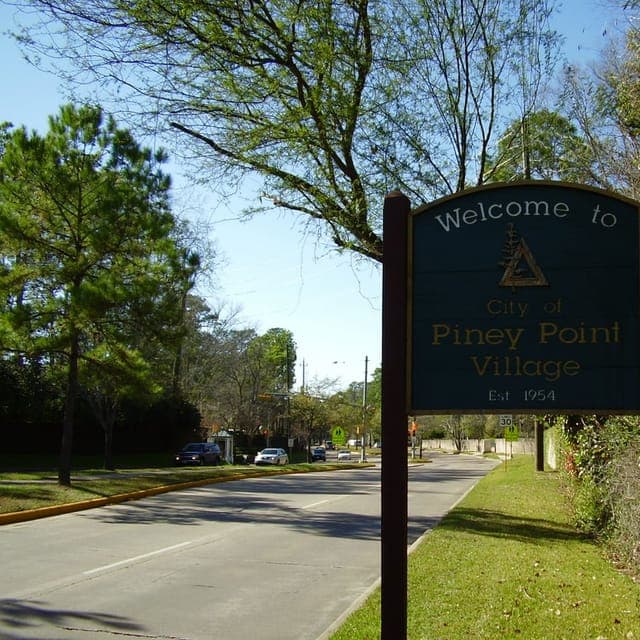

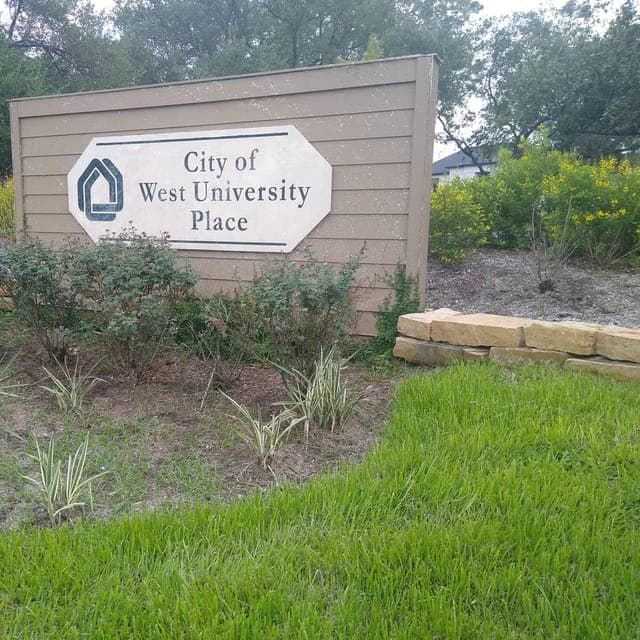
Cities & Towns in Harris County
Cities in Harris County
What It's Like Living in Harris County, TX
Living in Harris County means you’re part of one of the most dynamic, sprawling, and economically diverse regions in Texas. It’s not a single city experience—it’s a patchwork of dense urban neighborhoods in Houston, quiet suburban enclaves like Katy and Sugar Land, and unincorporated rural stretches near Crosby and Huffman. The county’s identity is less about a single downtown skyline and more about the everyday rhythm of strip-mall taquerias, Friday-night high school football, and the constant hum of construction and traffic. It’s a place where a $255,000 median home value still buys a decent three-bedroom in many suburbs, but where the cost of living index sits at 106—slightly above the national average, driven largely by housing and energy costs.
Daily Rhythm: From Katy Commuters to Kingwood Weekenders
For most of the county’s 4.76 million residents, daily life revolves around a long commute and a strong local orbit. The average commute clocks in at just under 29 minutes, but that number feels low if you’re driving from Cypress into the Texas Medical Center or from Pearland to the Energy Corridor. People spend their weekends at neighborhood parks like Bear Creek Pioneers Park or the sprawling George Bush Park, or they head to the Galleria for shopping and dining. In the suburbs, life centers on the local H-E-B, the kids’ soccer league, and the nearest Whataburger. In the city proper, you’ll find a more walkable pocket around Rice Village or the Heights, where residents grab coffee at Boomtown Coffee and browse indie bookstores. The median age is 34.4, so you’re surrounded by young families and early-career professionals—fewer retirees than in Hill Country counties.
The kind of person who fits in here is someone who values opportunity over tranquility. The median household income is $73,104, which supports a solid middle-class lifestyle in places like Tomball or Friendswood, but feels tighter inside the Loop where home values climb faster. Parents here are deeply invested in school districts—Katy ISD and Clear Creek ISD are major selling points, and Friday-night football games at Legacy Stadium or Challenger Columbia Stadium draw crowds that rival small college games. If you’re single, the social scene is more fragmented than in Austin or Dallas; you’ll find your people through work, church, or hobby groups like the Houston Hash House Harriers or the local rock-climbing gyms.
Sports, Festivals, and the Great Outdoors
Sports are a unifying force here, but the hierarchy matters. The Houston Texans and Astros dominate pro attention—the Astros’ 2022 World Series win still echoes in every sports bar from the Woodlands to Pasadena. College sports are less central than in College Station or Austin, but the University of Houston Cougars draw strong crowds at TDECU Stadium. High school football is arguably the most intense level of competition: Katy High School’s state championships are a source of genuine civic pride, and the annual matchup between North Shore and Galveston Ball can pack 20,000 fans. Beyond the field, the county’s cultural calendar is packed. The Houston Livestock Show and Rodeo is a three-week behemoth that pulls in over 2 million visitors each March. For music, the House of Blues and White Oak Music Hall host national acts, while smaller venues like McGonigel’s Mucky Duck cater to singer-songwriter crowds. Outdoor life is defined by heat and humidity—Bayou Bend Gardens and the Arboretum offer shaded escapes, but summer days from June through September are best spent indoors or on the water at Lake Conroe or Galveston Bay.
Pros and Cons of Living in Harris County
- Pros: Unmatched job diversity—energy, healthcare, aerospace, and tech all have major footprints. The food scene is genuinely world-class, from Viet-Cajun crawfish at The Crawfish Shack to Tex-Mex at El Tiempo. The cost of living, while above the national average, still undercuts coastal metros like Los Angeles or New York by a wide margin. The county’s sheer size means you can find a neighborhood that fits your budget and lifestyle, from the historic bungalows of the Heights to the master-planned order of Cinco Ranch.
- Cons: The violent crime rate of 342.3 per 100,000 is higher than the national average, and property crime is a persistent issue in central neighborhoods. Traffic is the top complaint—I-10 and I-45 are parking lots during peak hours, and the lack of robust public transit means you’re married to your car. The weather is brutal: hurricane season runs June through November, and the summer heat index regularly hits 105°F. Flooding is a real risk in low-lying areas like Meyerland and parts of Kingwood, and the 2017 Harvey disaster still shapes insurance costs and building codes.
One cultural quirk that surprises newcomers: Houstonians are fiercely loyal to their specific quadrant of the county. Someone from Sugar Land might rarely cross over to Humble, and a Kingwood resident might joke about never driving “inside the Loop.” This tribalism creates strong community bonds but can make the county feel fragmented. Schools are a major community anchor—not just for education but for social events, sports, and volunteer networks. The 33.7% college-educated rate is lower than in Austin or Dallas, but the workforce is heavily skilled in trades and technical fields tied to the energy sector. If you’re moving here, expect to drive more, sweat more, and eat better than you ever have before. The trade-off is access to one of the most economically resilient regions in the country, where a job loss in oil can be offset by a boom in healthcare or logistics. It’s not a place for people who want a quiet, slow-paced life—but for those who thrive on opportunity and variety, Harris County delivers.

* Values derived from national, state, county, city and local statistics and may differ in a specific area. Last updated: 2026-05-21T13:08:51.000Z
Narrative content on this page is AI-generated and may contain mistakes. Verify any details that matter before acting on them.
ReloMaps may earn a commission from affiliate links at no extra cost to you.

