Find The Best Places To Live
in Bunker Hill Village
PRO TIP! You can paste a Zillow or Redfin link to get info on that property.
What It's Like Living in Bunker Hill Village, TX
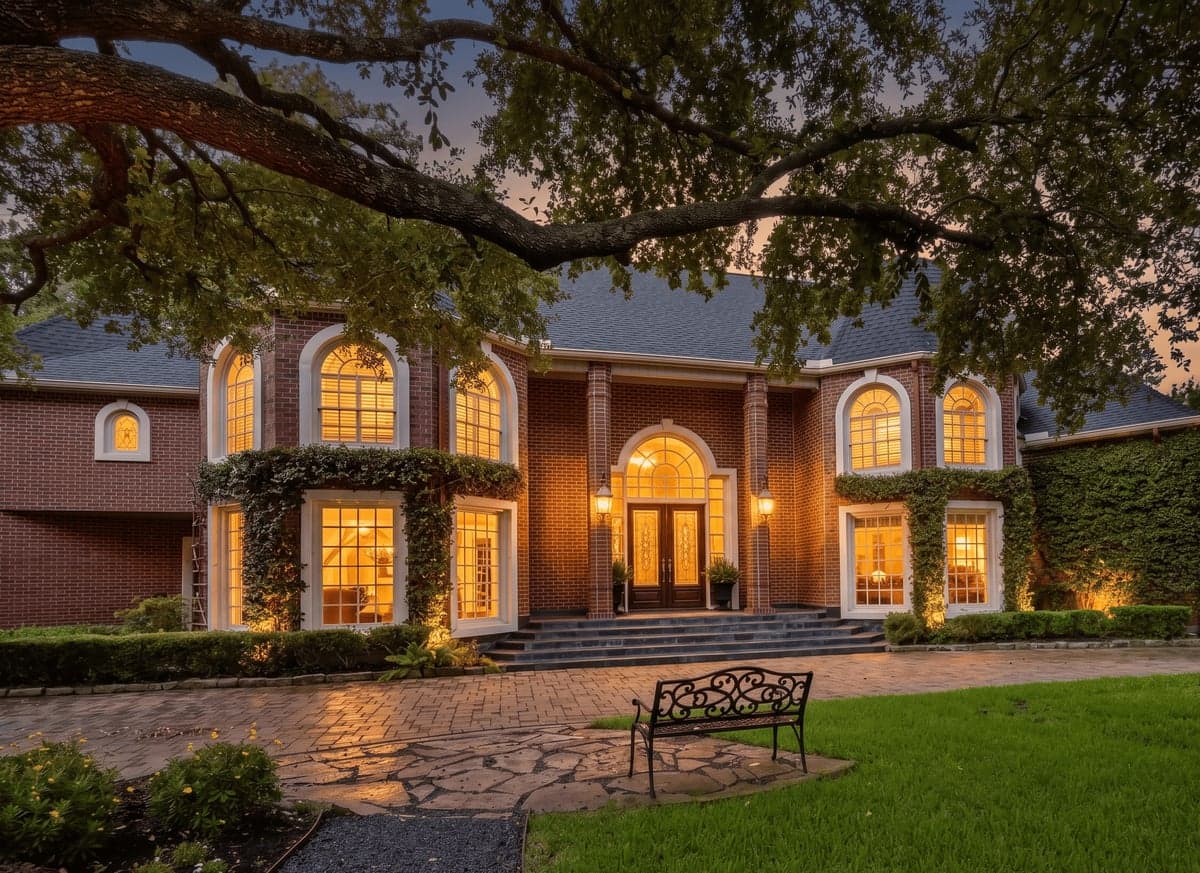
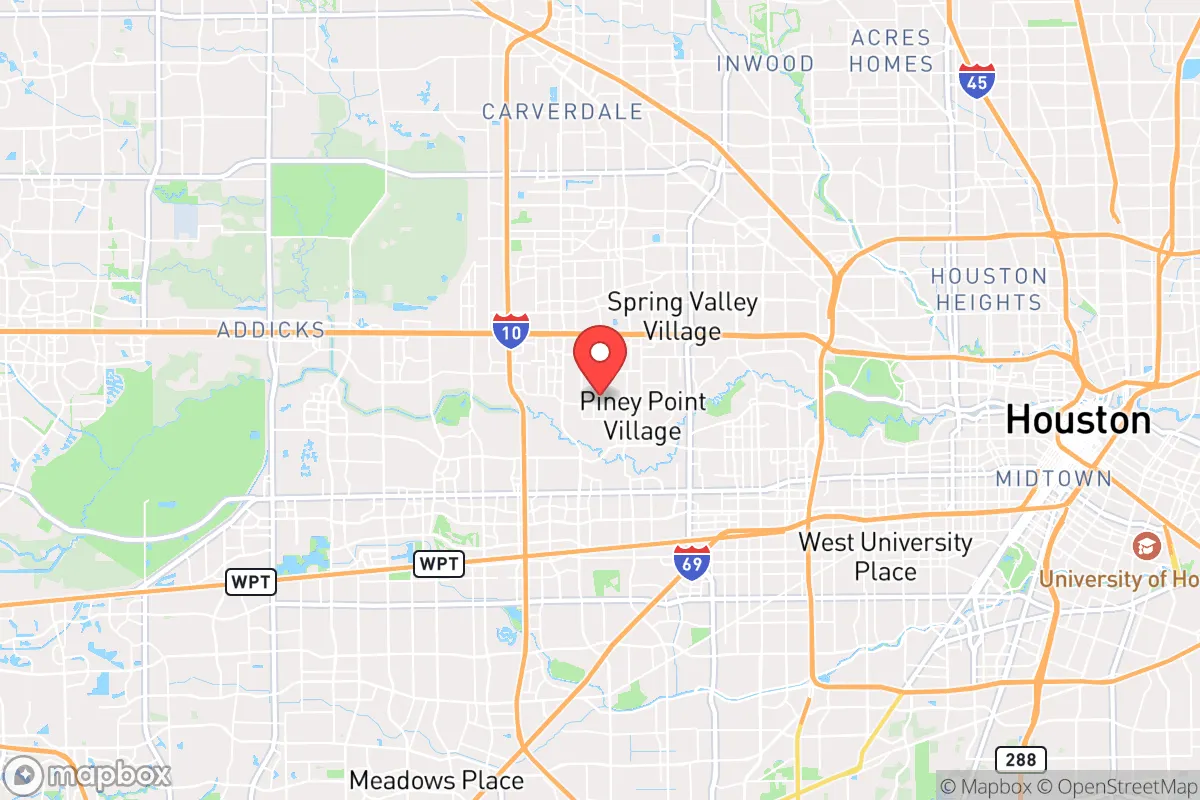
Bunker Hill Village is one of those rare places where the phrase "quiet wealth" actually means something tangible. Tucked inside the loop of Beltway 8 in west Houston, this 3,800-person pocket of Memorial feels less like a suburb and more like a carefully curated enclave—where the median home value sits at $2 million and the median income tops out at $250,001, but nobody talks about it at the neighborhood pool. What you notice first isn't the money; it's the stillness. The streets are wide, the trees are old, and the only sound at 8 p.m. on a Tuesday is a sprinkler system clicking on.
The Daily Rhythm: Quiet Mornings, Long Commutes, and School-Driven Schedules
Life here moves on a school calendar, even if you don't have kids. The community's identity is so tightly wound around the Spring Branch Independent School District that summer feels like a ghost town compared to the controlled chaos of the academic year. Most adults are professionals—90.2% hold a college degree—and they're commuting an average of 27 minutes each way, often into the Energy Corridor or the Texas Medical Center. That commute is a real trade-off: you get a 2.5-acre lot and a house that could pass for a small hotel, but you're spending nearly an hour a day in Houston traffic. Mornings are quiet, with the exception of the 7:30 a.m. parade of black Suburbans and white Mercedes heading toward I-10. Afternoons belong to the kids—soccer practice at the Bunker Hill Park fields, piano lessons at a home studio, or swim team at the Memorial Club. By 9 p.m., the streets are empty again.
Sports, Community, and the Memorial High School Effect
If you want to understand Bunker Hill Village, you need to understand Memorial High School football. The Mustangs are the closest thing this town has to a civic religion. Friday nights in the fall, the bleachers at Tully Stadium are packed with parents who graduated from Memorial themselves, grandparents who still live in the same house they bought in 1985, and kids who will one day do the same. It's not just football—volleyball, baseball, and lacrosse draw real crowds too. The Memorial Mustangs vs. Stratford Spartans rivalry is the kind of event that determines your social calendar for the week. Beyond high school sports, the Houston Texans and Astros get casual attention, but the real loyalty is local. There's no major music venue or festival inside the village limits—you drive 15 minutes to the Houston Livestock Show and Rodeo or the Cynthia Woods Mitchell Pavilion for that—but the community center hosts a well-attended Fourth of July parade and a Halloween block party that shuts down Memorial Drive for an afternoon.
What's There to Do: The Unwritten Rules of Entertainment
Entertainment in Bunker Hill Village is less about "going out" and more about "staying in, but nicely." The social scene revolves around private clubs and neighbors' backyards. The Memorial Club (a private golf and swim club) is the de facto town square for many families—summer days there feel like a country club movie set, with kids jumping off the diving board and parents drinking iced tea on the patio. For dining, you're not walking to a restaurant; you're driving five minutes to the Memorial City area or the shops at Highland Village. Locals have strong opinions about the best spots: Tony's for a power dinner, Brennan's of Houston for a celebratory brunch, and Niko Niko's for a casual gyro. The Memorial Park running trails and the Buffalo Bayou hike-and-bike path are the primary outdoor outlets—both are about 10 minutes away and see heavy use on weekends. There's no bar scene in the village itself; the nearest place to grab a drink without a membership is Becks Prime (which has a beer and wine license) or the Marriott West Loop lobby bar. That's not a complaint for most residents—it's a feature.
Pros and Cons of Living Here: What Residents Actually Say
- Pro: Unmatched privacy and space. With a population density of roughly 1,200 people per square mile, you can have a yard big enough for a pool, a vegetable garden, and a trampoline without seeing your neighbor's bathroom window. The tree canopy is so thick that many streets feel like a forest.
- Con: The cost of entry is extreme. The median home value of $2 million and a cost of living index of 709 (more than seven times the national average) mean this is a place for people who have already made their money. Renting is rare and expensive. If you're not in the top 5% of earners, you'll feel it.
- Pro: The schools are a genuine draw. Spring Branch ISD's Memorial High School consistently ranks among the top in Texas, and the feeder elementary schools (Bunker Hill, Frostwood) are highly rated. The school community is the social backbone of the village.
- Con: The violent crime rate is 342.3 per 100,000. That's higher than the national average of roughly 380, but it's worth noting that this number is skewed by a few high-profile incidents in recent years. Property crime—package thefts, car break-ins—is the more common annoyance. Most residents feel safe, but they lock their doors and set their alarms.
- Pro: The weather is genuinely pleasant for eight months of the year. October through May is mild enough for outdoor dining, running, and gardening. June through September is brutal—90°F with 80% humidity—but everyone has a pool or a neighbor with one.
- Con: You need a car for everything. There is no walkable downtown, no coffee shop within walking distance, no grocery store you can reach on foot. The village is designed for cars, and if you can't drive, you're isolated.
The kind of person who fits in here is someone who values privacy, has school-age children (or plans to), and is willing to trade urban convenience for space and quiet. It's not a place for young singles looking for nightlife, nor for retirees who want to walk to a café. It's a place for families who want their kids to grow up on a quiet street with good schools, and who are willing to pay a premium—in both money and commute time—to get it. The median age of 42.4 reflects that: this is a community of established professionals, not recent graduates. If that sounds like you, Bunker Hill Village will feel like a sanctuary. If it doesn't, you'll probably find it a little too quiet for your taste.

Similar small towns to Bunker Hill Village

* Values derived from national, state, county, city and local statistics and may differ in a specific area. Last updated: 2026-04-27T14:17:42.000Z
Narrative content on this page is AI-generated and may contain mistakes. Verify any details that matter before acting on them.
ReloMaps may earn a commission from affiliate links at no extra cost to you.

