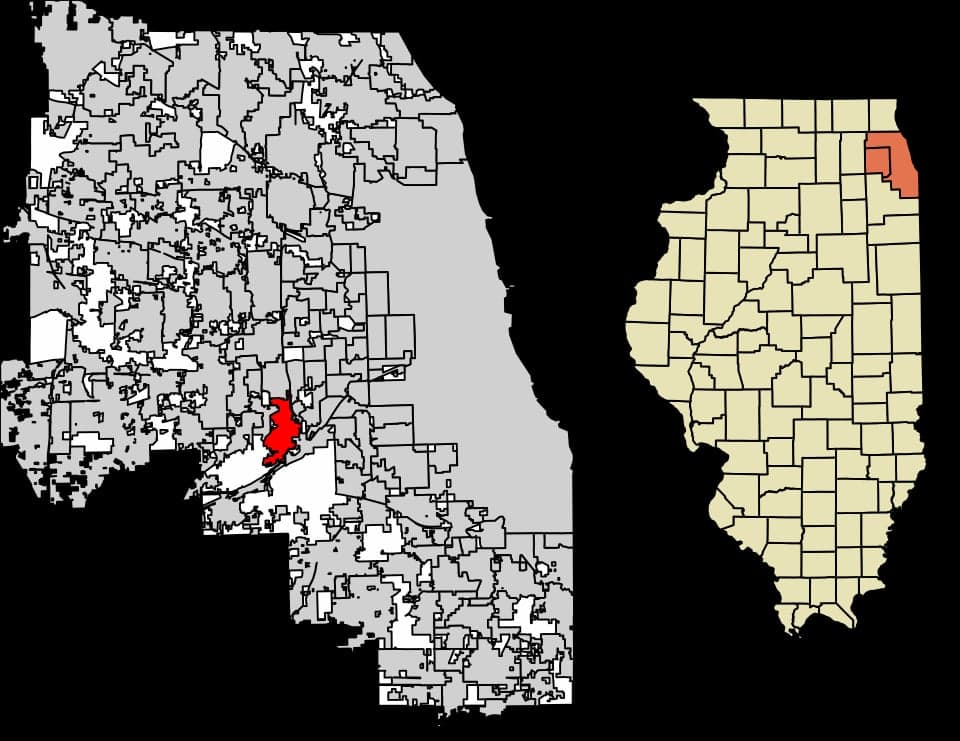
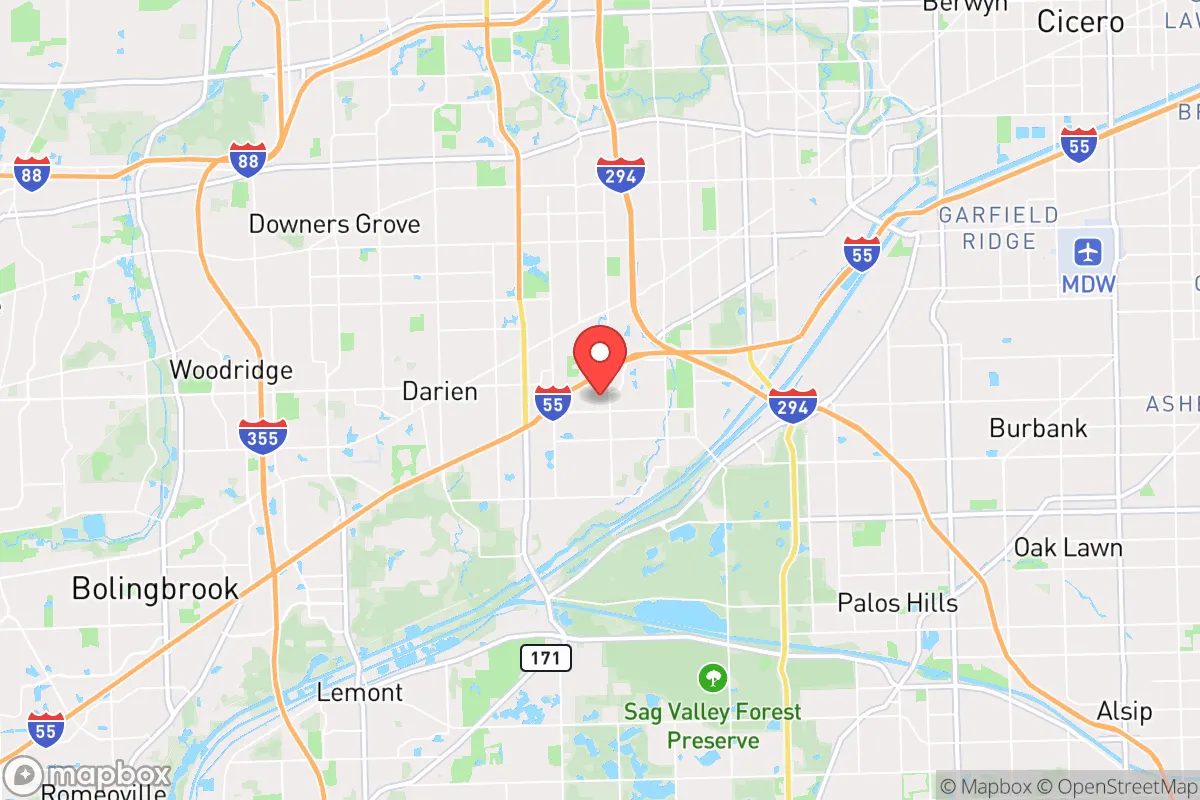
Photo: Wikipedia
Demographics of Burr Ridge, IL
Affluence Level in Burr Ridge, IL
An upper-middle-class area. Household wealth, education levels, and homeownership run ahead of national benchmarks.
People of Burr Ridge, IL
Burr Ridge, Illinois, is a small, affluent village of 11,119 residents characterized by its high concentration of wealth, exceptional educational attainment, and a distinctive demographic profile that sets it apart from neighboring suburbs. With 69.2% of adults holding a college degree and a median household income well above the national average, the population is defined by professional success and a strong orientation toward family life. The village is notably diverse for its income bracket, with a White population of 72.4%, a substantial Indian (subcontinent) community at 11.5%, and smaller East/Southeast Asian (3.4%) and Hispanic (4.2%) populations, creating a community where economic status often transcends ethnic lines.
How the city was settled and grew
Burr Ridge is a post-1900 planned suburb, not a historic farming village. Its development began in earnest after World War II, when the area’s rolling, wooded terrain—originally part of the larger, unincorporated Palos and Hinsdale townships—attracted developers seeking to build an exclusive, semi-rural enclave for Chicago’s expanding professional class. The first major wave of settlers were upper-middle-class white families moving out from Chicago and older western suburbs like Hinsdale and La Grange in the 1950s and 1960s. They were drawn by large lots, new construction, and the promise of top-rated school districts (Hinsdale Township High School District 86 and Gower School District 62). The earliest neighborhoods, such as the Burr Ridge Estates (centered on County Line Road) and the Woodland Park area near 79th Street, were built during this period, featuring mid-century ranch and split-level homes on acre-plus lots. These original subdivisions established the village’s DNA: low density, high property values, and a deliberate separation from the denser, more working-class suburbs to the east.
Modern era (post-1965)
The 1965 Hart-Cellar Act and subsequent immigration reforms reshaped Burr Ridge’s population, though the change was gradual and filtered through professional migration rather than chain migration. The most significant shift began in the 1980s and accelerated through the 2000s, as highly educated professionals from the Indian subcontinent—many working in medicine, engineering, and information technology in Chicago’s western suburbs—began purchasing homes in Burr Ridge. This wave concentrated in newer, larger subdivisions built on the village’s western and southern edges. The Village Center area, with its luxury townhomes and condominiums, became a landing point for empty-nesters and younger professionals, while the Lakewood Estates neighborhood (off 91st Street) attracted Indian families seeking the largest lots and newest construction. East/Southeast Asian families, primarily of Chinese and Korean heritage, also arrived during this period, settling in pockets of Highlands of Burr Ridge and the Burr Ridge Club area. The white population, while still the majority, has aged in place in the original mid-century neighborhoods like Burr Ridge Estates, where many original homeowners remain. The village’s foreign-born population stands at just 3.4%, a low figure that reflects the fact that most Indian and Asian residents are naturalized citizens or second-generation Americans, not recent immigrants.
The future
Burr Ridge’s population is trending toward greater ethnic diversity within a stable economic elite. The Indian subcontinent community, now at 11.5%, is the fastest-growing demographic segment, driven by continued professional migration to the Chicago area’s tech and healthcare sectors. This group is not forming a separate enclave but is dispersing across the village’s newer subdivisions, particularly in Lakewood Estates and the Burr Ridge Highlands, where home prices ($700,000–$1.5 million) ensure economic homogeneity. The white population is slowly declining as older homeowners sell to younger, more diverse buyers, but the village’s high property values and lack of rental housing mean that this transition is orderly and gradual. The East/Southeast Asian and Hispanic populations are plateauing, with no new immigration wave driving growth. The village is not tribalizing into distinct ethnic neighborhoods; rather, it is homogenizing around income and education, with all groups sharing the same schools, parks, and civic institutions. Over the next 10–20 years, Burr Ridge will likely become a majority-minority community in terms of ethnicity, but it will remain a bastion of professional-class values, low crime, and top-tier public education.
For a conservative-leaning individual or parent considering a move, Burr Ridge represents a stable, high-opportunity environment where demographic change has not disrupted the core character of the community. The village’s trajectory is toward greater diversity within a framework of shared economic success, not toward fragmentation or decline. The people of Burr Ridge are increasingly multi-ethnic but united by a common commitment to property values, school performance, and a quiet, suburban lifestyle—a combination that is likely to persist for the foreseeable future.

* Values derived from national, state, county, city and local statistics and may differ in a specific area. Last updated: 2026-04-27T14:43:14.000Z
Narrative content on this page is AI-generated and may contain mistakes. Verify any details that matter before acting on them.
ReloMaps may earn a commission from affiliate links at no extra cost to you.

