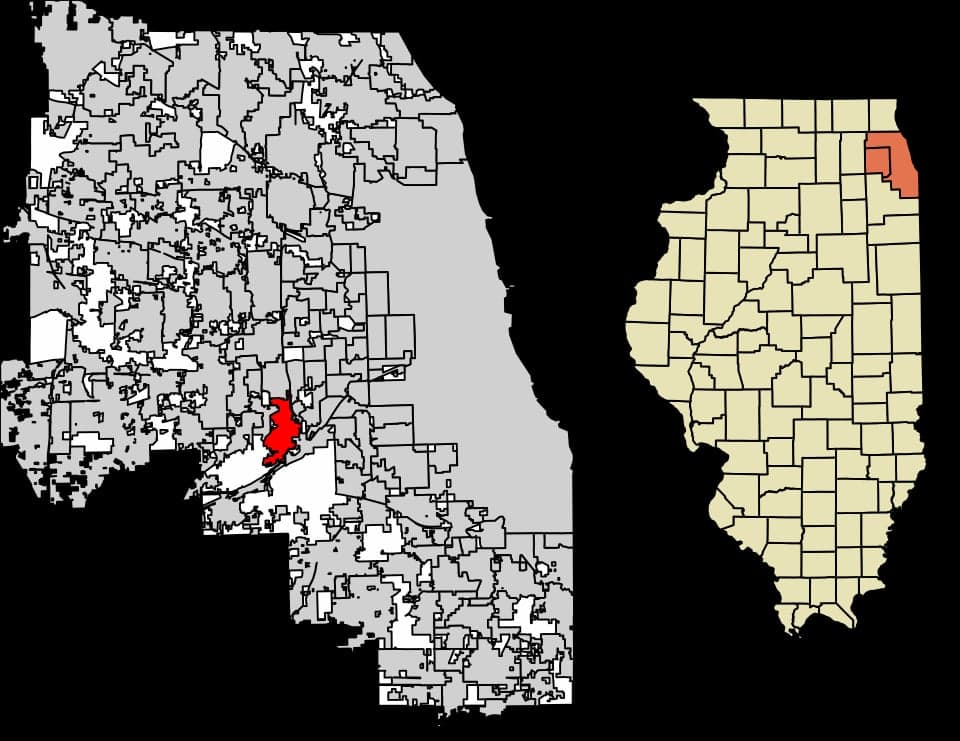
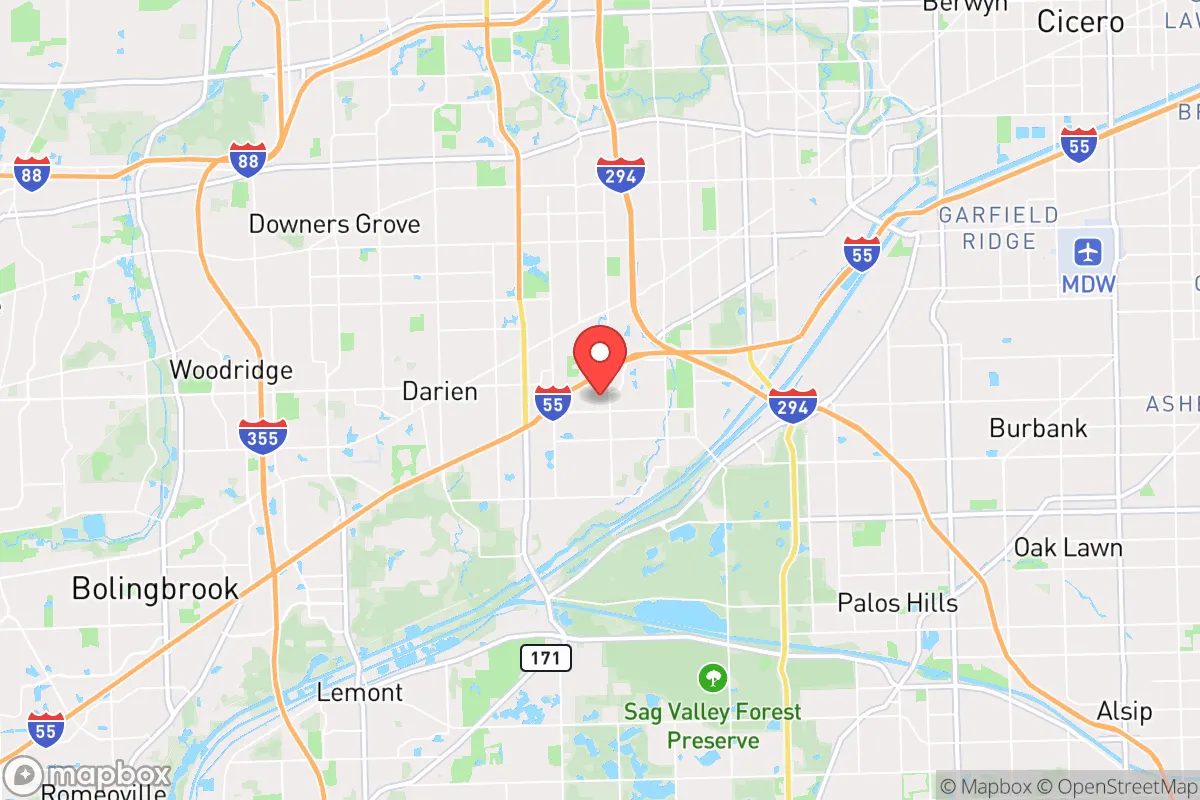
Photo: Wikipedia
Personal Sovereignty in Burr Ridge, IL
Viable for self-reliance. Generally workable, though some barriers may limit total independence.
What does Personal Sovereignty tell us?
Personal Sovereignty measures your capacity for self-reliance and independence with minimal government friction. Higher scores mean fewer barriers between you and the way you want to live... but it assumes you have the space you need and good neighbors.
What does this tell us?
Personal Sovereignty measures your capacity for self-reliance and independence with minimal government friction. Higher scores mean fewer barriers between you and the way you want to live... but it assumes you have the space you need and good neighbors.
State Policy
Energy independence: Importer (45% of energy produced in-state)
Personal Liberty
Homesteading

Personal Liberty Analysis
Burr Ridge, Illinois offers a complex personal sovereignty environment that demands careful scrutiny from anyone prioritizing autonomy and self-reliance. While the village itself maintains a relatively low-key, affluent character with large residential lots and a quiet suburban atmosphere, it sits within a state whose legislative and regulatory climate has increasingly challenged individual freedoms. For the survivalist or prepper mindset, the key question is whether Burr Ridge’s local conditions can insulate you from the broader trends of government overreach in Illinois—and the answer is a qualified maybe, with significant trade-offs.
Tax burden and regulatory posture in a high-control state
Illinois is notorious for its heavy tax burden, and Burr Ridge is no exception. The combined state and local sales tax rate hovers around 8-9%, and property taxes are among the highest in the nation—often exceeding 2% of assessed home value annually. For a village where median home prices easily top $700,000, that means annual property tax bills of $14,000 or more are routine. This directly impacts personal sovereignty by reducing disposable income and forcing residents to fund a state government that many view as overreaching. The regulatory posture in Illinois is similarly aggressive: the state imposes strict environmental codes, building permits, and business licensing requirements that can stifle self-reliant projects. For example, any significant home modification—like adding a workshop, greenhouse, or backup power system—requires village approval and compliance with state energy codes. Burr Ridge’s local government is generally business-friendly, but it operates under the thumb of Cook County and Springfield, meaning you’re never truly free from bureaucratic oversight. The bottom line: if you’re looking to minimize tax exposure and regulatory friction, Illinois is a tough sell, and Burr Ridge’s high property values amplify that burden.
Self-defense and gun law specifics in a restrictive state
Illinois is one of the most restrictive states in the nation for gun owners, and Burr Ridge residents must navigate a web of state-level mandates that directly impact self-defense rights. The state requires a Firearm Owner’s Identification (FOID) card to possess any firearm or ammunition, a process that involves background checks and can take months. Concealed carry is legal only with a state-issued license, and Illinois does not recognize permits from most other states—a critical limitation for anyone who travels or values reciprocity. In 2023, Illinois passed a ban on so-called "assault weapons" and high-capacity magazines, which many preppers view as a direct infringement on the right to keep and bear arms for self-defense and civil preparedness. Burr Ridge itself is a relatively safe community with low violent crime rates, but the surrounding Chicago metro area has seen spikes in property crime and carjackings. For the survivalist, the practical reality is that you can own firearms in Burr Ridge, but you’ll face bureaucratic hurdles, magazine capacity limits, and a legal environment that is hostile to the idea of an armed citizenry. If self-defense autonomy is a top priority, this area will feel constrained compared to states like Texas or Florida.
Self-reliance and homesteading viability: lot sizes, zoning, and off-grid feasibility
Burr Ridge’s defining feature for self-reliance is its large residential lots—typically one to five acres, with some estates exceeding ten acres. This is a genuine advantage for those seeking space for gardening, small livestock, or backup infrastructure. The village’s zoning code allows for accessory structures like sheds, greenhouses, and detached garages, but there are limits: no commercial farming is permitted on residential lots, and keeping chickens or bees requires a permit and adherence to setback rules. Off-grid living is effectively impossible within village limits. Burr Ridge requires connection to municipal water and sewer, and any solar panel installation must meet strict aesthetic and structural codes. Backup generators are allowed, but noise ordinances and fuel storage regulations apply. The soil quality in this part of DuPage County is decent for vegetable gardening, and the long growing season (April through October) supports serious food production. However, the village’s suburban character means you’ll have neighbors close enough to notice any unconventional activities, and homeowners’ associations in some subdivisions add another layer of restrictions. For the prepper who wants to be self-sufficient without leaving civilization entirely, Burr Ridge offers a middle ground: you can grow food and store supplies, but you cannot disconnect from the grid or operate outside local ordinances.
Personal liberties: parental rights, medical autonomy, speech, and property
Illinois has become a battleground for personal liberties, and Burr Ridge residents are not immune. Parental rights have been eroded by state mandates on school curriculum and vaccine requirements—Illinois mandates a broad slate of childhood immunizations for school attendance, with limited religious exemptions. Medical autonomy is similarly constrained: the state has strict licensing for alternative practitioners, and during the COVID-19 pandemic, Illinois imposed some of the longest-lasting mask and vaccine mandates in the Midwest. Free speech is protected by the First Amendment, but local noise ordinances and public assembly rules can limit protest or demonstration activities. Property rights are the strongest liberty in Burr Ridge: the village generally respects private property boundaries, and zoning enforcement is reasonable as long as you don’t attract complaints. However, the state’s power of eminent domain is broad, and Cook County’s property tax appeals process is notoriously slow and adversarial. For the conservative-leaning individual, the cumulative effect is a sense that the state government views personal autonomy as secondary to collective mandates. Burr Ridge’s affluent, politically moderate character means you’re unlikely to face overt hostility for your beliefs, but you’ll be living under laws that many in the prepper community view as overreach.
Overall, Burr Ridge offers a mixed sovereignty profile that requires strategic compromise. The large lots and low crime give you physical space and security, but the tax burden, gun restrictions, and state-level regulatory overreach are significant drawbacks. Compared to rural areas in Indiana or Wisconsin, Burr Ridge feels more constrained—but compared to downtown Chicago or even nearby Naperville, it offers more room to breathe. For the survivalist who values community stability and land access over absolute freedom, Burr Ridge can work, but only if you’re willing to navigate Illinois’s heavy-handed state apparatus. If your priority is maximum personal sovereignty with minimal government interference, you’ll find better options in states with lower taxes, fewer gun laws, and looser zoning. Burr Ridge is a place to hunker down, not to break free.

* Values derived from national, state, county, city and local statistics and may differ in a specific area. Last updated: 2026-04-27T14:43:14.000Z
Narrative content on this page is AI-generated and may contain mistakes. Verify any details that matter before acting on them.
ReloMaps may earn a commission from affiliate links at no extra cost to you.

