Photo: Wikipedia
Political ClimatePolitical Climate in Butte, MT
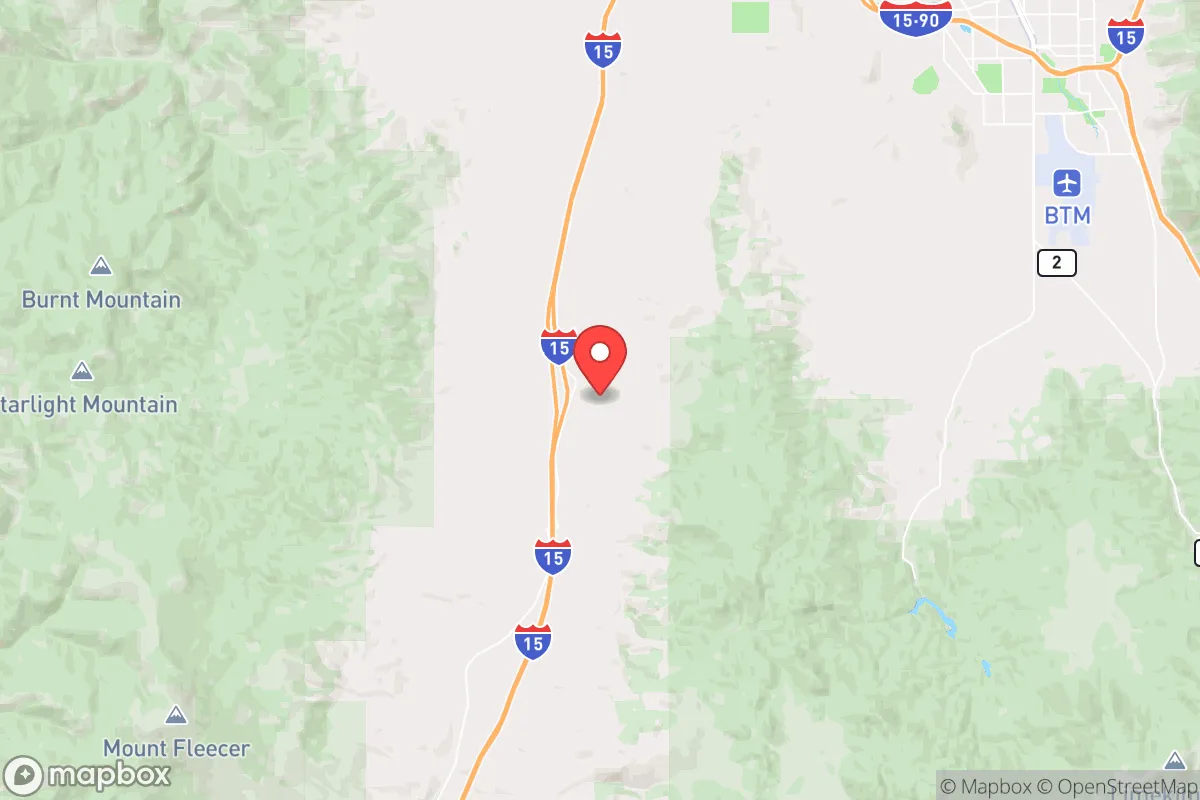
District shown is the primary district for this city’s centroid. Cities may span multiple districts.
Local Political AnalysisPolitical Analysis of Butte, MT
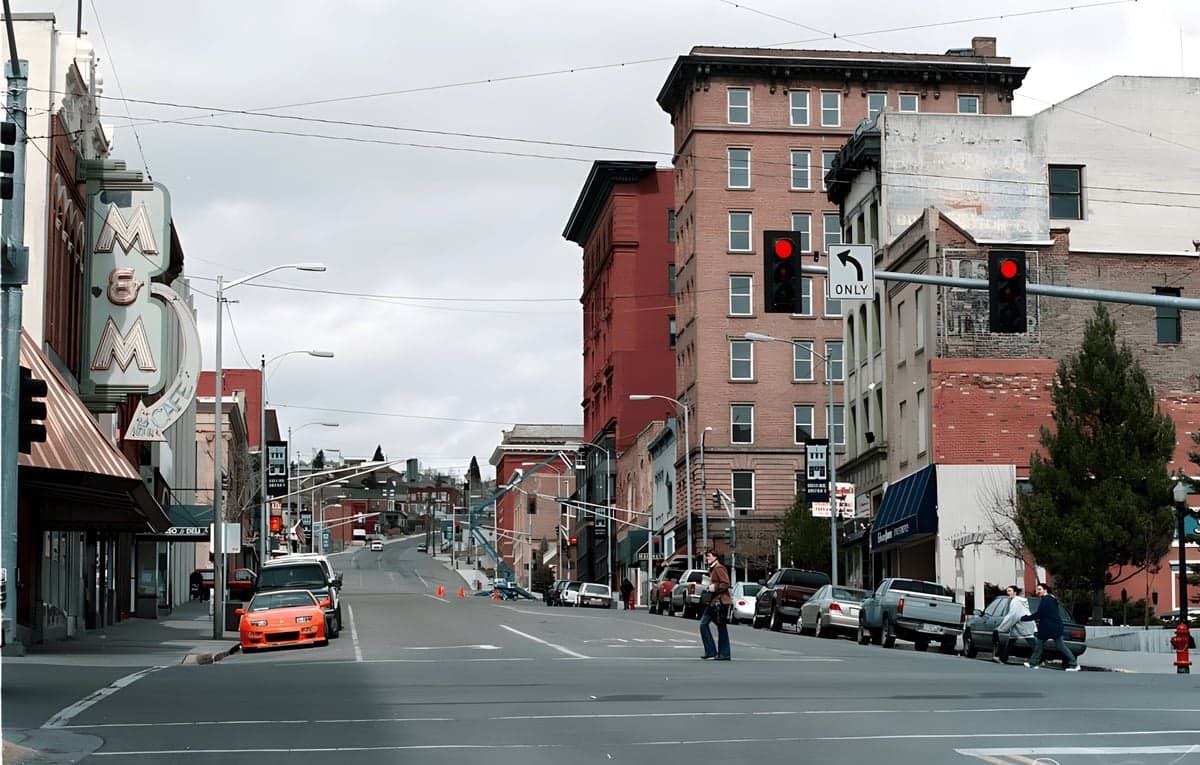
Butte, Montana, has always been a bit of an outlier politically, and that’s part of its charm. For decades, this was a strong union town, a Democratic stronghold in a sea of red, but things have shifted. Today, the Cook PVI sits at R+5, meaning the area leans Republican by five points, but that number doesn’t tell the whole story. The real picture is a place where old-school, working-class values are clashing with newer, more progressive ideas, and a lot of us long-time residents are watching that shift with a wary eye.
How it compares
Drive an hour east to Bozeman, and you’ll feel like you’re in a different country. That town has gone full-on progressive, with sky-high housing costs and a vibe that’s all about tech transplants and out-of-state money. Butte? We’re still gritty, still blue-collar, and still suspicious of anyone who wants to tell us how to live. Compare us to Helena, the state capital, which is a government town with a more moderate, bureaucratic feel. Butte’s politics are more personal—it’s about keeping the mines open, protecting Second Amendment rights, and making sure the government stays out of our backyards. The R+5 rating reflects a realignment: many old-time Democrats here now vote Republican because they feel the national Democratic Party has abandoned them on issues like energy independence and local control.
What this means for residents
For folks living here, the political climate means a lot of freedom, but also a constant fight to keep it that way. You won’t see the kind of overreach you get in places like Missoula or Bozeman, where city councils are pushing bike lanes and zoning rules that feel like they’re designed for people who’ve never changed their own oil. In Butte, the attitude is more “live and let live,” but that’s under threat. There’s a creeping progressive influence, especially from newcomers who want to turn our historic mining town into a hipster haven. They talk about “sustainability” and “equity,” but what that often means is more regulations on small businesses, higher taxes, and less room for the kind of rugged individualism that built this place. The R+5 lean gives us some buffer, but it’s not a guarantee—we’ve seen how fast a town can flip when the right people move in.
What daily life is like for families
Raising a family here means you can still teach your kids to hunt, fish, and shoot without someone calling the cops. The schools are decent, but they’re not pushing the kind of woke curriculum you hear about in bigger cities. Neighbors look out for each other, and there’s a strong sense of community that doesn’t rely on government programs. That said, you do have to keep an eye on local elections—school board and city council races are where the real battles happen. A few bad appointments, and suddenly you’ve got mask mandates or land-use restrictions that make it harder to build a garage or run a side business. The R+5 rating helps keep the worst of that at bay, but it’s not a permanent shield.
One thing that sets Butte apart is our history. We’re a Superfund site, and that’s shaped a unique political culture—people here are skeptical of both big government and big corporations, because we’ve seen both mess things up. There’s a strong libertarian streak, a belief that local folks know best how to handle their own problems. You’ll find more support for property rights and gun rights here than in almost any other Montana town of our size. But the winds are changing. If you’re thinking of moving here, just know that the political fight is real, and it’s not going away. The old Butte is still here, but it’s getting harder to hold onto every year.

State Political ClimatePolitical Climate in Montana
State Political AnalysisPolitical Environment in the State
Montana has long been a reliably Republican state at the presidential level, voting for the GOP candidate in every election since 1968 except for Bill Clinton’s 1992 win. However, the state’s political landscape is far more nuanced than a simple red-state label suggests. Over the past 10-20 years, a powerful coalition of rural conservatives, libertarian-leaning ranchers, and a growing wave of out-of-state transplants—many from deep-blue states—has created a dynamic where the state’s dominant GOP majority is being tested by a concentrated, well-funded progressive movement in a handful of growing urban centers. The overall lean remains solidly Republican, but the trajectory is one of increasing polarization, with the state’s traditional freedom-loving identity clashing against new pressures.
Urban vs. rural divide
The political map of Montana is a textbook study in the urban-rural split. The vast, sparsely populated eastern and central counties—places like McCone, Garfield, and Petroleum counties—routinely deliver 80-90% of their votes to Republican candidates. These are the heart of the state’s ranching, farming, and energy extraction economy, where self-reliance and distrust of federal overreach are baked into the culture. In contrast, the state’s political battlegrounds are its few growing urban islands. Missoula County is the state’s most reliably Democratic stronghold, home to the University of Montana and a vibrant progressive activist scene that has pushed the city toward sanctuary city policies and aggressive climate mandates. Gallatin County, anchored by Bozeman, has flipped from a reliably red county to a purple-to-light-blue one over the last decade, driven by an influx of wealthy out-of-state transplants, tech workers, and outdoor recreation enthusiasts who bring California and Colorado voting habits with them. Lewis and Clark County (Helena) is a swing county, with the state capital’s government workforce and legal community leaning left, while the surrounding rural areas pull it right. Yellowstone County (Billings) remains a Republican stronghold, but its growing healthcare and energy sectors have introduced a more moderate, chamber-of-commerce Republicanism that sometimes clashes with the state’s more libertarian wing. The divide is stark: a drive from the liberal coffee shops of Missoula to the conservative grain elevators of Sidney is a journey across two different Americas.
Policy environment
Montana’s policy environment is a mixed bag for a conservative audience. On the positive side, the state has no sales tax, a relatively low income tax (a flat 5.9% as of 2026), and a regulatory climate that is generally friendly to business and property rights. The 2021 and 2023 legislative sessions saw a wave of conservative victories: permitless carry for firearms became law, parental rights in education were strengthened with the “Parents Bill of Rights” (HB 361), and the state passed a near-total ban on abortion (triggered by Dobbs) that protects preborn life. However, there are concerning trends. The state’s property tax system has become a flashpoint, with rapid valuation increases in growing counties like Gallatin and Missoura causing sticker shock for longtime residents. Education policy is a battleground: while rural schools remain locally controlled, the state’s Office of Public Instruction has seen ideological fights over critical race theory and gender ideology, with conservative superintendents pushing back against federal overreach. Election integrity is a strong point—Montana has voter ID laws and no widespread mail-in ballot system (except for absentee by request), which has kept fraud concerns low. But the state’s Medicaid expansion, passed under a Democratic governor in 2015, remains in place, a point of contention for fiscal conservatives who see it as an unsustainable entitlement.
Trajectory & freedom
Montana’s trajectory on personal freedom is a tug-of-war. The state has historically been a beacon of individual liberty—low taxes, minimal land-use regulation outside of cities, and a strong gun culture. Recent legislation has largely expanded freedom in key areas. The 2021 passage of constitutional carry (SB 118) removed the need for a permit to carry a concealed firearm, a major win for Second Amendment advocates. The 2023 session saw the passage of HB 303, which prohibits local governments from enforcing mask or vaccine mandates, a direct rebuke to the overreach seen during the COVID-19 pandemic. Parental rights were bolstered by HB 361, which requires schools to notify parents of any curriculum involving sexuality or gender identity and prohibits instruction on those topics in K-3. However, the freedom picture is not entirely rosy. The influx of new residents has fueled a housing crisis that has led to local zoning restrictions and rent control debates in places like Bozeman and Missoula, eroding property rights. Additionally, the state’s energy sector faces headwinds from federal regulations and activist lawsuits, threatening the economic freedom of rural communities. The biggest threat to Montana’s libertarian ethos is the creeping urbanization of its few growing cities, where progressive city councils are imposing policies that would be unthinkable in the rest of the state.
Civil unrest & political movements
Montana is not a state known for widespread civil unrest, but it has its flashpoints. The most visible political movements are the well-organized progressive groups in Missoula and Bozeman, which have successfully pushed for sanctuary city policies (Missoula declared itself a “safe haven” for undocumented immigrants in 2017, though state law now preempts such policies) and climate activism that targets the state’s coal and natural gas industries. On the right, the Montana Freedom Caucus has become a powerful force in the state legislature, pushing for more aggressive tax cuts, school choice, and nullification of federal gun laws. The Yellowstone County Republican Party has seen internal battles between establishment and populist factions. Election integrity remains a hot-button issue, with conservative activists monitoring ballot drop boxes and challenging mail-in voting procedures, though no major fraud has been uncovered. The most visible flashpoint for a new resident would be the culture war playing out in school board meetings, particularly in Bozeman and Missoula, where debates over library books, transgender policies, and critical race theory have become regular, heated events. There is also a growing “secession” sentiment in the eastern part of the state, where residents feel ignored by the Helena government and the urban growth machine, though it remains a fringe idea.
Projection
Looking ahead 5-10 years, Montana is at a crossroads. The state’s population is projected to continue growing, driven by remote workers and retirees from California, Washington, and Oregon. This demographic shift will likely turn Gallatin County (Bozeman) into a permanent swing county, and could eventually flip Missoula County even further left. The state’s rural counties will continue to hemorrhage population, weakening their political clout. The GOP supermajority in the legislature is likely to hold, but it will become increasingly divided between the rural libertarian-populist wing and the more moderate, business-friendly Republicans from Billings and the growing suburbs. The biggest policy fights will be over property tax reform, school choice (vouchers are likely coming), and water rights—a critical issue as the state’s agricultural heartland faces drought. The progressive urban agenda will continue to clash with state preemption laws, leading to ongoing legal battles. For a conservative moving in now, the state will likely remain a solidly red place for the next decade, but the cultural and political battles will intensify, particularly in the western third of the state.
Bottom line for a new resident: Montana still offers a high degree of personal freedom, low taxes, and a strong conservative culture in most of the state. But choose your location carefully. If you want to live in a place that feels like the Montana of old—where your neighbor respects your property rights, your kids aren’t indoctrinated in school, and your gun rights are secure—stick to the rural counties or the eastern half of the state. Avoid Missoula and think twice about Bozeman unless you’re prepared for a culture war in your own backyard. The state is still worth the move, but the frontier freedom you’re looking for is increasingly concentrated in the small towns and wide-open spaces, not the trendy mountain towns.
* Values derived from national, state, county, city and local statistics and may differ in a specific area. Last updated: 2026-09-21T19:36:38.000Z
Narrative content on this page is AI-generated and may contain mistakes. Verify any details that matter before acting on them.
ReloMaps may earn a commission from affiliate links at no extra cost to you.

