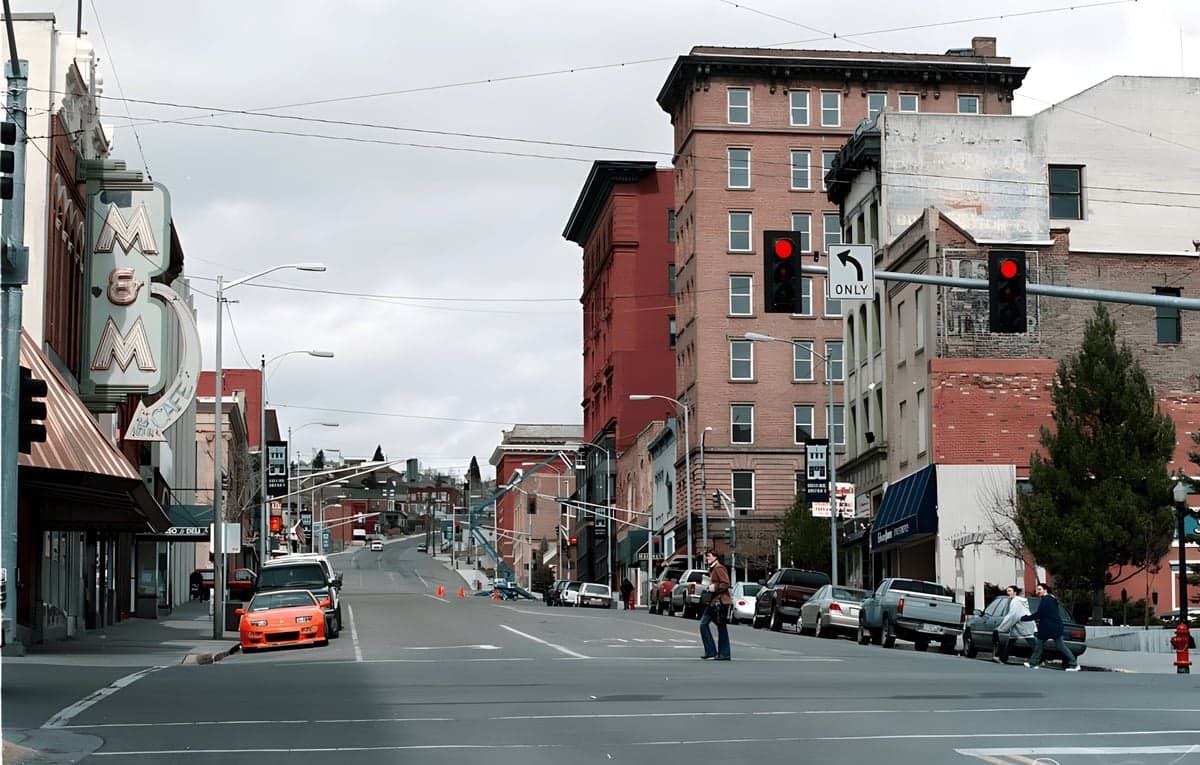
Photo: Wikipedia
Quality of Life in Butte, MT
A high quality of life with strong walkability, manageable living costs, healthy neighborhood signals, and solid amenity access.
What does Quality of Life tell us?
Quality of Life blends cost of living, nearby amenities, socioeconomic signals, and neighborhood character. City-level scores represent the whole municipality; individual neighborhoods can differ.
What does this tell us?
Quality of Life blends cost of living, nearby amenities, socioeconomic signals, and neighborhood character. City-level scores represent the whole municipality; individual neighborhoods can differ.
Cost of Living
1% above national average
The Real Cost of Living in Butte, MT for 2026
| Tier | Individual | Family (4) |
|---|---|---|
| Survival | $16k | $31k |
| Comfortable | $66k | $97k |
| Luxury | $126k+ | $196k+ |
| Elite (Top 5%) | $153k+ | $237k+ |
60%
The Area Signal
A metric tracking the socioeconomic signals of the area.


Hobbies
Explore the areaGroceries
5 within 10 miles
Gas
0 within 10 miles
Hospital
3 within 20 miles
Airport
SLC — Salt Lake City International
Post Office
USPS — Butte, MT
Critical Amenities
Quality-of-Life Analysis
Butte, Montana, presents a distinctive quality-of-life profile shaped by its working-class heritage, dramatic mountain setting, and notably lower cost of living compared to much of the state. The city’s median home value of $225,100 and median rent of $808 place it among the most affordable urban centers in the Rocky Mountain West, attracting a mix of remote workers, outdoor enthusiasts, and families seeking economic breathing room. While Butte lacks the polished affluence of Bozeman or Missoula, its residents tend to value authenticity, community resilience, and direct access to world-class recreation over boutique amenities.
Cost of living, housing affordability, and how Butte compares to nearby cities
Butte’s housing market is a standout outlier in Montana’s otherwise overheated real estate landscape. The median home value of $225,100 is roughly 40% lower than Bozeman’s median and about 30% below Missoula’s, making homeownership attainable for households earning near the state median income. Renters also benefit: the median rent of $808 is nearly half of what comparable units command in Bozeman or Whitefish. The average commute of just over 16 minutes is among the shortest in the state, reflecting the city’s compact layout and minimal traffic congestion. This combination of low housing costs and short commutes means residents can allocate a larger share of income to savings, recreation, or travel. However, property taxes in Silver Bow County are slightly above the state average, and the local economy—historically tied to mining—offers fewer high-wage professional jobs than Montana’s college towns. For those who can work remotely or secure a regional salary, Butte’s affordability is a significant quality-of-life advantage.
What daily life is like: amenities, schools, and outdoor access
Daily life in Butte revolves around a compact downtown core, a strong sense of local history, and immediate access to the surrounding Highlands and Pintler Mountains. The city’s public school system, Butte School District #1, serves roughly 4,500 students and has seen incremental improvements in graduation rates, though it trails the state average in standardized test scores. For families, the presence of Montana Tech—a respected engineering and technical university—adds educational and cultural resources uncommon in a city of Butte’s size. Outdoor recreation is the primary lifestyle draw: residents can be on hiking or mountain biking trails within 10 minutes of downtown, with the Big Hole River and Mount Haggin Wildlife Management Area offering fishing, hunting, and backcountry skiing. The city’s dining and retail scene is modest but growing, anchored by local institutions like the Butte Brewing Company and the historic Berkeley Pit viewing stand. The rhythm of life here is slower and less polished than in Bozeman or Missoula, with a strong emphasis on community events such as the annual Evel Knievel Days festival and the Montana Folk Festival.
Butte is best suited for individuals and families who prioritize affordability, outdoor access, and a no-frills community atmosphere over urban amenities or prestige. Remote workers, tradespeople, and retirees on fixed incomes will find the low housing costs and short commutes especially appealing. Those accustomed to high-end shopping, diverse dining, or top-tier public schools may find Butte’s offerings limited. For the right person, however, the city offers a rare combination of financial freedom and mountain lifestyle that is increasingly difficult to find elsewhere in the West.

Crime in Butte, MT
Generally safer than 57% of comparable U.S. locations.
Violent CrimeViolent Crime Analysis
Property CrimeProperty Crime Analysis
Crime Analysis
Butte, Montana, reports a violent crime rate of 406.2 incidents per 100,000 residents and a property crime rate of 1,441.6 per 100,000, placing it above both state and national averages for overall crime. While not among the most dangerous cities in the state, these figures indicate a community where property theft and assault are more common than in many other Montana towns. The city’s historic mining district and its role as a regional commercial hub contribute to a crime profile that demands careful consideration from potential residents.
Crime in context
Butte’s violent crime rate of 406.2 per 100,000 is roughly 15% higher than the national average and significantly above Montana’s statewide rate of approximately 300 per 100,000. Property crime in Butte, at 1,441.6 per 100,000, also exceeds the national average of about 1,950 per 100,000 but is notably lower than in Montana’s largest city, Billings (which often exceeds 3,000 per 100,000). However, the city’s rates are elevated compared to smaller, more rural Montana communities like Bozeman or Missoula. A key factor influencing these numbers is the local justice system’s approach. Butte, like many areas in Silver Bow County, has seen a trend toward progressive prosecution policies that prioritize diversion and reduced sentencing. While intended to reduce recidivism, such policies can result in more offenders remaining on the street, directly undermining public safety and victim justice. This is a pattern observed in many liberal-leaning jurisdictions where sympathetic treatment of offenders correlates with higher crime rates.
What residents experience
For daily life in Butte, property crime is the most tangible concern. Theft from vehicles and burglaries are the most frequently reported incidents, particularly in the Uptown historic district and near the Montana Tech campus. Residents commonly report that leaving valuables visible in cars invites break-ins. Violent crime, while less frequent, includes aggravated assault and robbery, often concentrated in areas with higher poverty and transient populations. The city’s police department has faced staffing challenges, which can slow response times for non-emergency calls. Many locals rely on neighborhood watch groups and personal security measures—such as outdoor lighting and alarm systems—to mitigate risk. The perception of safety varies widely: daytime in the commercial core feels safe, but isolated streets and parks after dark see elevated caution.
Neighborhood-level variation is pronounced. Uptown Butte, with its older housing stock and higher rental density, sees the most property crime, while newer subdivisions on the city’s south and east sides (near the Berkeley Pit and along Harrison Avenue) report fewer incidents. The Walkerville area, a historic mining enclave, has intermittent issues with drug-related theft. Prospective residents should research block-by-block crime maps and consider that homes near bars, convenience stores, or major thoroughfares face higher risk. Overall, Butte demands a proactive approach to personal and property security, especially for those moving from lower-crime regions.
* Values derived from national, state, county, city and local statistics and may differ in a specific area. Last updated: 2026-09-21T19:36:38.000Z
Narrative content on this page is AI-generated and may contain mistakes. Verify any details that matter before acting on them.
ReloMaps may earn a commission from affiliate links at no extra cost to you.

