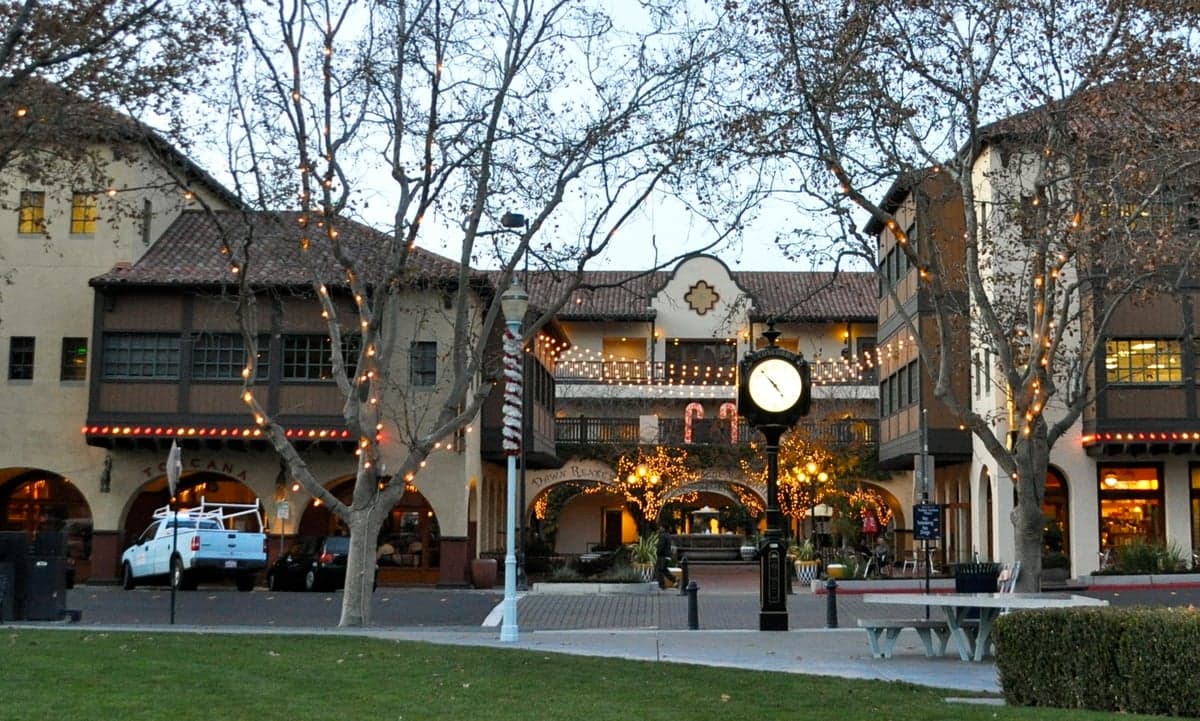
Photo: Wikipedia
Personal Sovereignty in Contra Costa County
Viable for self-reliance. Generally workable, though some barriers may limit total independence.
What does Personal Sovereignty tell us?
Personal Sovereignty measures your capacity for self-reliance and independence with minimal government friction. Higher scores mean fewer barriers between you and the way you want to live... but it assumes you have the space you need and good neighbors.
What does this tell us?
Personal Sovereignty measures your capacity for self-reliance and independence with minimal government friction. Higher scores mean fewer barriers between you and the way you want to live... but it assumes you have the space you need and good neighbors.
State Policy
Energy independence: Importer (33% of energy produced in-state)
Personal Liberty
Homesteading

Personal Liberty Analysis
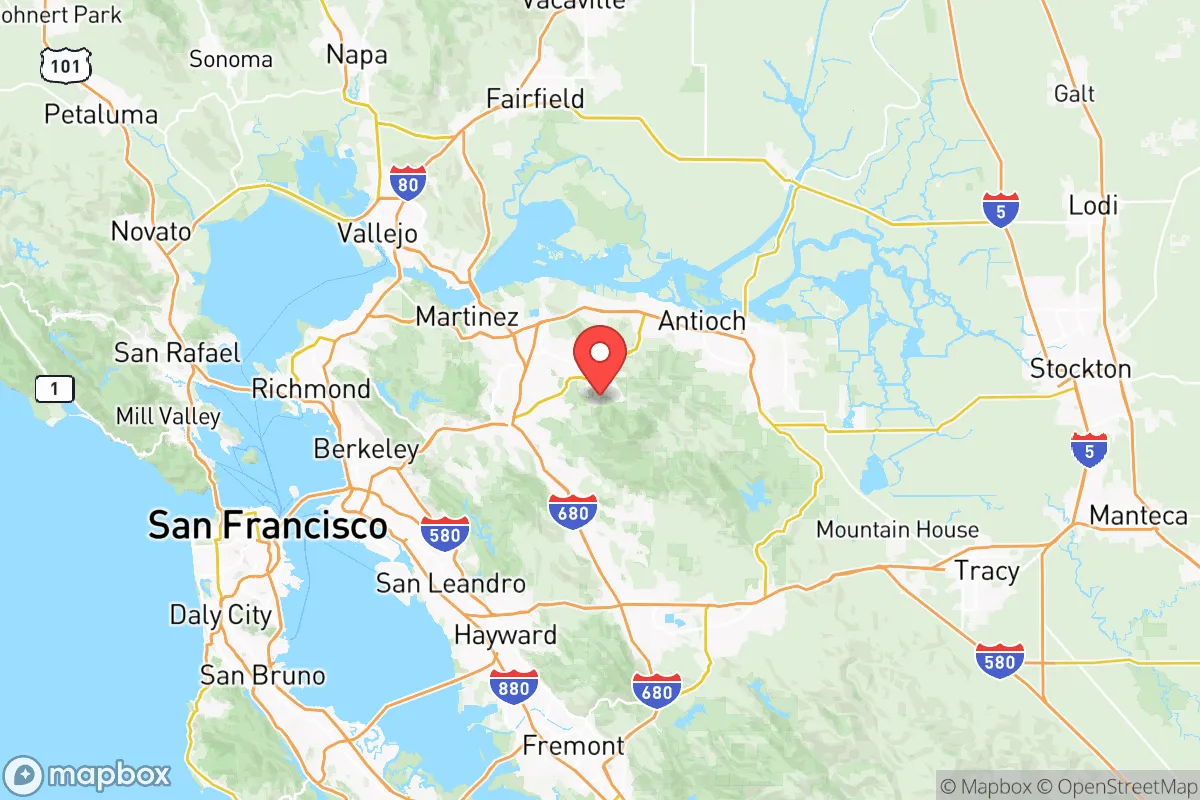
Contra Costa County presents a deeply divided landscape for personal sovereignty, where the regulatory and tax environment of the urbanized western corridor contrasts sharply with the more permissive, rural character of the eastern and southern reaches. For a relocation-minded individual or family prioritizing autonomy, the county is not a single jurisdiction but a spectrum of local governance, with cities like Walnut Creek and Concord imposing tighter controls than unincorporated areas near Brentwood or the foothills of Danville. The overall autonomy environment is constrained by California’s state-level mandates, but meaningful pockets of self-reliance and lower regulatory friction exist for those who choose their specific city wisely.
Tax burden and regulatory posture across the county
California’s state income tax, which tops out at 13.3% for high earners, and its 7.25% base sales tax (with local add-ons pushing Contra Costa’s rate to 8.75% or higher in cities like Richmond and San Pablo) form the baseline tax burden. Proposition 13 caps annual property tax increases at 2% of assessed value, which benefits long-term homeowners but does little for new arrivals who face purchase prices that are among the highest in the Bay Area. The county’s regulatory posture is heavy: California’s California Environmental Quality Act (CEQA) can delay or kill development projects, and the state’s building codes are among the strictest nationally. However, within Contra Costa, the regulatory climate varies. Brentwood and Oakley in the eastern part of the county have historically been more accommodating to new housing and small-scale commercial development than the coastal-influenced cities of Orinda and Moraga, where slow-growth measures and stringent design review boards are common. For a business owner or self-employed individual, the county’s business license fees and permitting timelines are generally higher and longer than in Texas or Arizona, but the eastern cities offer a comparatively lighter touch than the western suburbs.
Self-defense and gun law specifics in Contra Costa
California’s state-level gun laws are among the most restrictive in the nation, and Contra Costa County enforces them without notable local deviation. The state requires a 10-day waiting period, a Firearm Safety Certificate, and a background check for all purchases, including private transfers. Assault weapons are banned, and magazines are limited to 10 rounds. For concealed carry, the county is a “may-issue” jurisdiction, meaning the sheriff’s office has discretion. Under current leadership, permits are issued but are not routine; applicants must demonstrate “good cause” beyond general self-defense, a standard that is more difficult to meet than in “shall-issue” states. The sheriff’s office in Martinez (the county seat) processes applications, and approval rates have historically been low compared to rural California counties. For gun owners, the practical reality is that Brentwood and Discovery Bay have a more gun-friendly culture—with local shooting ranges and fewer public restrictions on open carry (which is generally prohibited in incorporated cities)—than Berkeley or Richmond, where local ordinances may further restrict storage and discharge. Self-defense law in California also includes a “duty to retreat” in public spaces, which limits the legal standing of using deadly force unless retreat is impossible. This is a significant constraint for those accustomed to stand-your-ground states.
Self-reliance and homesteading viability: lot sizes, zoning, and off-grid feasibility
Homesteading and off-grid living are viable only in specific pockets of Contra Costa County, primarily in the unincorporated areas east of Brentwood and near Byron. Minimum lot sizes in these agricultural zones (A-2 and A-40 designations) start at 2 acres and can go up to 40 acres, allowing for substantial gardens, small livestock, and even limited poultry operations. Zoning in these areas permits accessory dwelling units (ADUs) and barns without the stringent review required in suburban subdivisions. Off-grid feasibility is limited by state building codes that mandate grid connection for new construction in most areas, though solar panels with battery storage are permitted and increasingly common. Water rights are a major constraint: the county’s groundwater is managed by the Contra Costa Water District, and drilling a new well requires permits and testing that can cost $15,000–$30,000. Septic systems are allowed in rural zones but must meet Title 22 standards, which are more expensive than in many states. For families seeking a self-reliant lifestyle, the Marsh Creek area and the hills above Danville offer the best balance of larger parcels and less restrictive zoning, but the cost per acre (often $100,000+) is prohibitive compared to Texas or the Midwest. In contrast, suburban cities like Walnut Creek and Lafayette have strict HOA covenants and zoning that prohibit chickens, goats, or extensive gardening, making true homesteading impossible.
Personal liberties: parental rights, medical autonomy, speech, and property
California law grants broad parental rights in education, including the right to opt children out of specific curriculum (e.g., sex education) and to homeschool under a private school affidavit. Contra Costa County school districts, such as the San Ramon Valley Unified School District and Mount Diablo Unified School District, generally comply with state mandates on LGBTQ+ inclusive curriculum and vaccine requirements, which may conflict with some families’ values. Medical autonomy is constrained by California’s vaccine mandates for school attendance and its strict public health orders during emergencies, though the county has not imposed unique local restrictions beyond state law. Speech is protected under the First Amendment, but local ordinances in Berkeley and Richmond have historically restricted certain types of public demonstrations through permit requirements and time-place-manner rules. Property rights are significantly limited by CEQA, coastal zone regulations (though Contra Costa is not coastal, it falls under the San Francisco Bay Conservation and Development Commission’s jurisdiction for shoreline areas), and local zoning that can restrict short-term rentals and home-based businesses. For a property owner, the ability to modify or develop land is heavily mediated by county planning departments, with appeals often taking months.
Overall, personal sovereignty in Contra Costa County is a trade-off: residents gain access to California’s strong economy, climate, and natural beauty but accept a dense web of state and local regulations that constrain tax freedom, self-defense, and off-grid living. Compared to areas like Marble Falls, Texas, or rural Arizona, the county offers far less autonomy in daily life. However, for those who prioritize the eastern corridor—Brentwood, Oakley, and Discovery Bay—the regulatory burden is lighter, the gun culture more accepting, and the potential for a semi-self-reliant lifestyle greater than in the western suburbs. The county is not a destination for those seeking maximum personal freedom, but it provides viable niches for individuals and families willing to navigate its complexities.

* Values derived from national, state, county, city and local statistics and may differ in a specific area. Last updated: 2026-09-17T22:47:31.000Z
Narrative content on this page is AI-generated and may contain mistakes. Verify any details that matter before acting on them.
ReloMaps may earn a commission from affiliate links at no extra cost to you.

