Photo: Wikipedia
Quality of Life in Contra Costa County
A livable area that tracks near national norms for affordability, walkability, and neighborhood health.
What does Quality of Life tell us?
Quality of Life measures an area by evaluating factors like cost of living, nearby amenities, country club access, airport proximity, socioeconomic signals and neighborhood character. For large states, this is a general average — quality of life can vary dramatically between metro areas, suburbs, and rural communities within the same state.
What does this tell us?
Quality of Life measures an area by evaluating factors like cost of living, nearby amenities, country club access, airport proximity, socioeconomic signals and neighborhood character. For large states, this is a general average — quality of life can vary dramatically between metro areas, suburbs, and rural communities within the same state.
Cost of Living
138% above national average
53%
The Real Cost of Living in Contra Costa County for 2026
| Tier | Individual | Family (4) |
|---|---|---|
| Survival | $37k | $70k |
| Comfortable | $161k | $237k |
| Luxury | $227k+ | $352k+ |
| Elite (Top 5%) | $281k+ | $435k+ |
Quality-of-Life Analysis
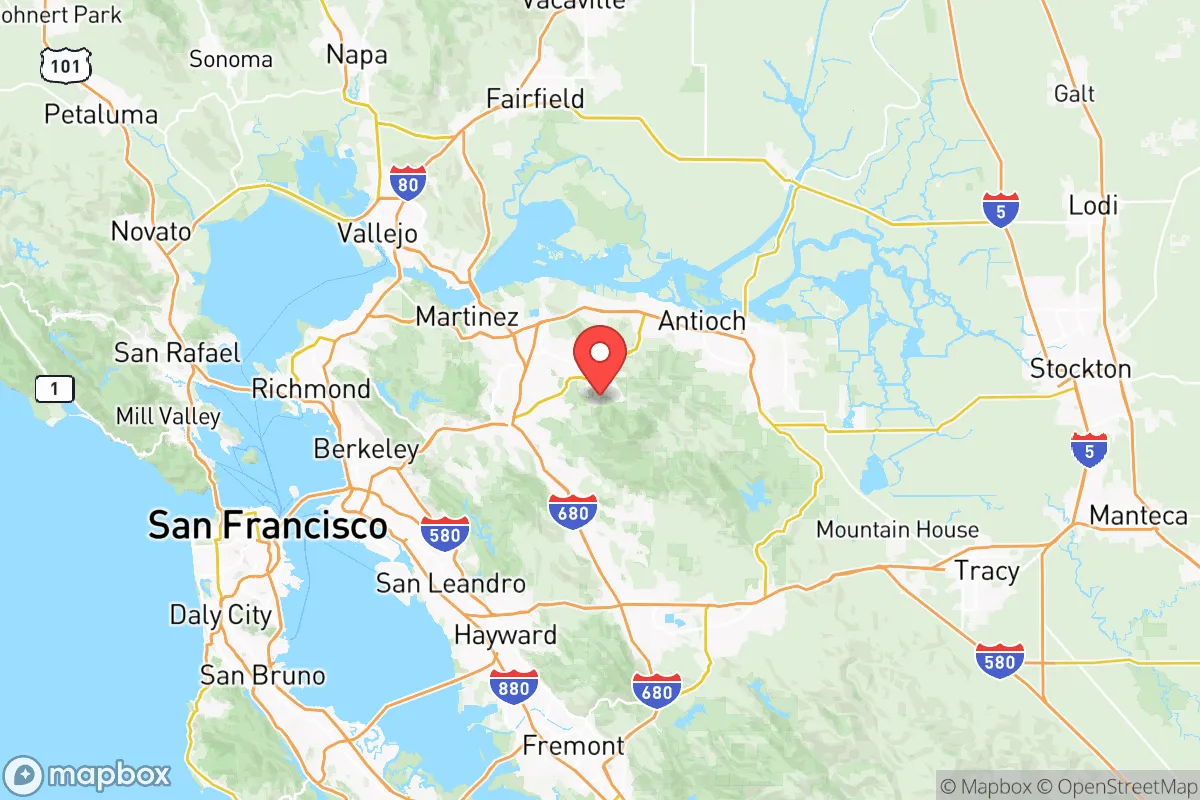
Contra Costa County spans a dramatic quality-of-life spectrum, from dense, transit-oriented suburbs along the San Francisco Bay shoreline to semi-rural ranchlands and small towns in the eastern foothills. The county’s character shifts noticeably as you move east from the Bay: the western edge feels like an extension of the urban Bay Area, while the central and eastern parts offer more space, lower density, and a slower pace. This makes the county a magnet for both high-earning tech commuters seeking walkable downtowns and families or retirees looking for acreage and a quieter lifestyle.
Largest town(s) & population centers
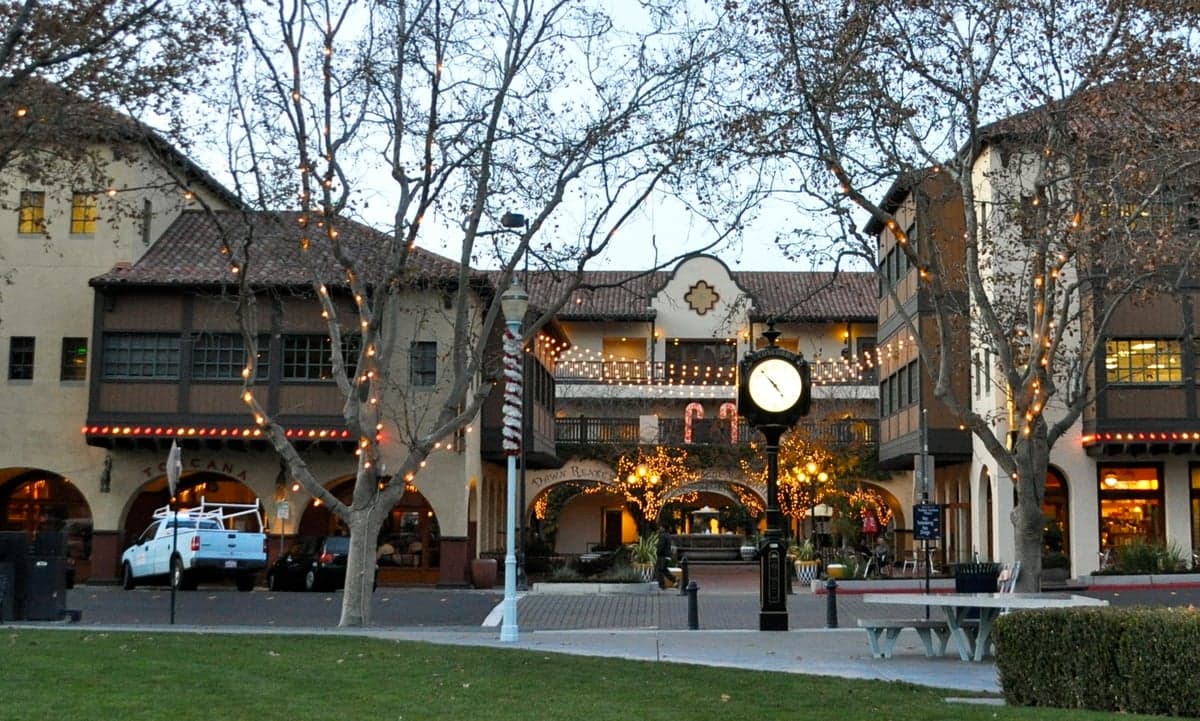
The county’s largest population centers are Concord (pop. ~125,000), Richmond (pop. ~116,000), and Antioch (pop. ~115,000). Daily life in Concord centers on its revitalized Todos Santos Plaza, a hub for farmers markets and outdoor dining, with a BART station providing a 45-minute commute to downtown San Francisco. Richmond offers a more industrial-urban feel, with the Richmond-San Rafael Bridge connecting it to Marin County and the Rosie the Riveter National Historical Park drawing history-minded residents. Antioch, farther east, is a more affordable, family-oriented suburb with a growing downtown and a BART extension that has shortened commutes but not eliminated the county’s notoriously long average drive of 36 minutes. Walnut Creek, though smaller (pop. ~70,000), functions as a regional retail and dining destination with a high-end downtown and a median home value well above the county average. San Ramon and Danville, in the San Ramon Valley, are affluent bedroom communities with top-rated schools and large corporate campuses for employers like Bishop Ranch (home to Chevron, AT&T, and IBM offices).
Smaller towns & rural pockets
East of the suburban core, the county opens into smaller towns and unincorporated areas that feel distinctly rural. Brentwood (pop. ~65,000) is a fast-growing former farm town where new subdivisions sit alongside working orchards and vineyards; it offers newer, larger homes at prices below the county median. Oakley and Knightsen are smaller, quieter communities with a mix of tract homes and horse properties. In the far southeast, Byron and Discovery Bay are unincorporated areas where residents live on multi-acre lots or along man-made waterways with boat docks. The Morgan Territory and Marsh Creek areas near Mount Diablo State Park are truly rural, with winding roads, no streetlights, and homes on 5- to 40-acre parcels. These areas lack public transit and require a car for every errand, but they offer privacy and open space that is rare within commuting distance of the Bay Area.
Cost & lifestyle range
The cost of living in Contra Costa County is 238% of the U.S. average, but that figure masks wide internal variation. At the high end, Lafayette, Orinda, and Moraga (the Lamorinda area) have median home values exceeding $1.5 million, with top-tier public schools and easy BART access; these towns attract professionals who prioritize schools and a 30-minute train commute to San Francisco. At the lower end, Antioch, Pittsburg, and Bay Point offer median home values closer to $500,000–$600,000 and median rents around $2,322, making them some of the last affordable entry points for Bay Area homebuyers. The trade-off is longer commutes (often 45–60 minutes by car) and fewer high-end amenities. Rural areas like Byron and Discovery Bay sit in the middle: home prices are moderate for the county ($700,000–$900,000), but residents pay for well water, septic systems, and long drives to grocery stores and schools. Renters face a tight market countywide, with the median rent of $2,322 consuming a large share of household income even in cheaper areas.
Who thrives in Contra Costa County? Commuters who want a short BART ride to San Francisco or Oakland will find the western suburbs (Walnut Creek, Lafayette, Orinda) ideal but expensive. Families seeking newer, larger homes at a lower price point gravitate to Brentwood, Antioch, or Oakley, accepting a longer drive. Rural enthusiasts who want acreage without leaving the Bay Area entirely find their niche in Morgan Territory, Marsh Creek, or Byron. The county’s diversity of housing stock, school quality, and commute times means that nearly any Bay Area household can find a fit somewhere along its 800-square-mile expanse — provided they are willing to pay the premium for proximity to the region’s economy.

Crime in Contra Costa County
WARNING: The crime statistics are unreliable for this jurisdiction. Local authorities have either not reported or under reported their data to the FBI. This could be due to bad intentions, incompetence or technical issues. Regardless, we suggest skepticism.
Higher crime rates than 72% of comparable U.S. locations.
Violent CrimeViolent Crime Analysis
Property CrimeProperty Crime Analysis
Crime Analysis
Contra Costa County presents a mixed safety picture for prospective residents. With a violent crime rate of 434.7 per 100,000 residents and a property crime rate of 1,820.6 per 100,000, the county sits above national averages but below the most dangerous urban cores in California. The county’s safety profile is heavily shaped by its geography—affluent, suburban communities like Danville and San Ramon report far lower crime rates than the industrial cities along the San Francisco Bay shoreline, such as Richmond and Antioch.
Crime in context
Contra Costa County’s violent crime rate of 434.7 per 100,000 is roughly 24% higher than the national average of 380 per 100,000, but significantly lower than neighboring Alameda County (Oakland’s rate exceeds 1,200 per 100,000). Property crime at 1,820.6 per 100,000 is about 10% above the national average of 1,654 per 100,000. The county’s overall crime index is pulled upward by Richmond (violent crime rate near 800 per 100,000) and Antioch (property crime rate exceeding 2,500 per 100,000), while Walnut Creek and Lafayette report rates roughly half the county average. The Contra Costa County District Attorney’s office, under progressive leadership in recent years, has faced criticism for declining to prosecute certain property crimes and drug offenses—a policy shift that correlates with rising shoplifting and auto theft rates in commercial corridors like downtown Concord and the Pleasant Hill BART station area.
What residents experience
Daily life for Contra Costa residents varies dramatically by neighborhood. In Danville and San Ramon, residents report feeling safe walking at night, with violent crime rates below 150 per 100,000—comparable to the safest suburbs in the nation. In contrast, Richmond and parts of Antioch experience gang-related shootings, carjackings, and residential burglaries at rates that alarm newcomers. Property crime is the most common concern countywide: vehicle break-ins at BART stations, package thefts from porches, and catalytic converter thefts affect even the safer communities. Residents in Walnut Creek and Lafayette frequently report smash-and-grab thefts from parked cars at shopping centers. The county’s progressive criminal justice policies—including reduced bail requirements and early release programs for nonviolent offenders—have led to recidivism concerns, particularly in areas with high retail density where repeat offenders are known to operate.
Neighborhood-level variation is extreme. The safest enclaves—Danville, San Ramon, Lafayette, and Orinda—post crime rates comparable to the safest 10% of U.S. suburbs, with violent crime below 100 per 100,000. The most dangerous areas—Richmond (violent crime near 800 per 100,000), Antioch (property crime near 2,800 per 100,000), and parts of Pittsburg—experience rates closer to urban California averages. Prospective residents should research specific census tracts within their target city: a home in the Blackhawk gated community in Danville is statistically far safer than a rental near the Antioch waterfront. The county’s progressive district attorney policies, while well-intentioned, have created a two-tier safety reality where affluent, politically connected neighborhoods receive faster police response and more aggressive prosecution, while working-class areas bear the brunt of reduced enforcement. For families prioritizing safety, the Lamorinda area (Lafayette, Moraga, Orinda) and the San Ramon Valley remain the strongest choices within Contra Costa County.
* Values derived from national, state, county, city and local statistics and may differ in a specific area. Last updated: 2026-09-17T22:47:31.000Z
Narrative content on this page is AI-generated and may contain mistakes. Verify any details that matter before acting on them.
ReloMaps may earn a commission from affiliate links at no extra cost to you.

