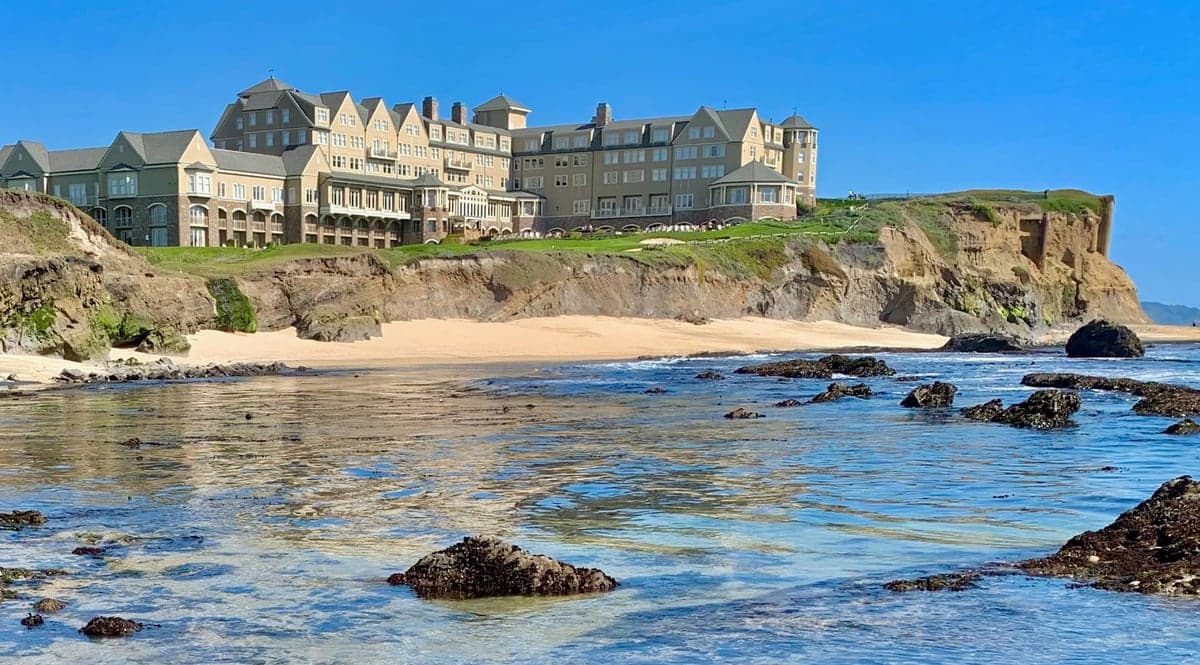
Photo: Wikipedia
Quality of Life in San Mateo County
A livable area that tracks near national norms for affordability, walkability, and neighborhood health.
What does Quality of Life tell us?
Quality of Life measures an area by evaluating factors like cost of living, nearby amenities, country club access, airport proximity, socioeconomic signals and neighborhood character. For large states, this is a general average — quality of life can vary dramatically between metro areas, suburbs, and rural communities within the same state.
What does this tell us?
Quality of Life measures an area by evaluating factors like cost of living, nearby amenities, country club access, airport proximity, socioeconomic signals and neighborhood character. For large states, this is a general average — quality of life can vary dramatically between metro areas, suburbs, and rural communities within the same state.
Cost of Living
261% above national average
47%
The Real Cost of Living in San Mateo County for 2026
| Tier | Individual | Family (4) |
|---|---|---|
| Survival | $46k | $87k |
| Comfortable | $225k | $331k |
| Luxury | $282k+ | $437k+ |
| Elite (Top 5%) | $388k+ | $602k+ |
Quality-of-Life Analysis
San Mateo County offers a striking quality-of-life spectrum, from dense, transit-oriented cities on the Bay side to quiet, unincorporated coastal communities and rural ridgetop neighborhoods. The county’s overall cost of living index of 361 (more than 3.6 times the U.S. average) and a median home value of $1,494,500 place it among the nation’s most expensive regions, yet the range of housing types and community character means that a tech executive in San Mateo city and a horse owner in La Honda experience vastly different daily realities. The county draws everyone from young professionals seeking walkable downtowns to families wanting suburban schools and retirees looking for coastal solitude.
Largest town(s) & population centers
San Mateo (the county seat, ~105,000 residents) and Redwood City (~80,000) anchor the central corridor along Highway 101 and Caltrain. Daily life here revolves around compact downtowns with independent restaurants, biotech offices, and frequent rail service to San Francisco and San Jose. Foster City, a planned community on a lagoon, offers a quieter, family-oriented alternative with waterfront parks and top-rated schools. South San Francisco, known as “The Industrial City,” has seen a wave of new apartment construction near the BART station, attracting younger renters. The average commute across the county is 27.3 minutes, but residents in these core cities often have shorter trips because jobs in tech, life sciences, and retail are concentrated along the 101 corridor. Median rent in the county is $2,893, though studios in downtown San Mateo can exceed $2,500 while a two-bedroom in a newer Redwood City complex often runs $3,500 or more.
Smaller towns & rural pockets
Beyond the suburban core, San Mateo County contains distinct small towns and rural areas that feel worlds apart. Half Moon Bay (population ~12,000) is the main coastal town, with a historic Main Street, pumpkin farms, and a working fishing harbor. Pescadero (fewer than 600 residents) is an unincorporated farming community known for artichokes and a single general store. In the Santa Cruz Mountains, La Honda and Loma Mar are unincorporated hamlets of redwood cabins and rural homes on acreage, popular with equestrians and those seeking total seclusion. Woodside (population ~5,500) is a wealthy enclave of large estates and horse trails, while Atherton (population ~7,000) is one of the nation’s most expensive zip codes, with median home values well above the county average. These smaller communities lack the transit options and retail density of the urban corridor; residents rely on cars and often commute 40–60 minutes to jobs in the Bay Area.
Cost & lifestyle range
The cost spread across San Mateo County is enormous. At the high end, Atherton and Hillsborough have median home values exceeding $5 million, with large lots, private schools, and gated driveways. At the more accessible end, Daly City (the county’s largest city by population, ~105,000) offers median home values around $900,000 and rents closer to $2,200, with a more diverse, working-class character and easy BART access to San Francisco. East Palo Alto has seen rapid gentrification but still has a median home value near $1.1 million, lower than the county average, and a higher share of renters. In the rural mountains, properties in La Honda or Loma Mar can be found for $800,000–$1.2 million, though they often require well water, septic systems, and long drives for groceries. Lifestyle varies accordingly: urbanites in San Mateo city walk to Caltrain and farmers markets; coastal residents in Half Moon Bay enjoy foggy mornings and beach access; mountain dwellers in Woodside prioritize privacy and nature over convenience.
Who thrives in San Mateo County? Professionals and families who can afford the high housing costs and value proximity to both Silicon Valley jobs and natural beauty—redwood forests, Pacific beaches, and coastal bluffs. The county works best for those who know which trade-offs they want: a short commute and urban amenities in the core cities, suburban schools and space in the mid-peninsula towns, or rural solitude in the mountains or along the coast. For renters and first-time buyers, the more affordable pockets in Daly City, South San Francisco, and East Palo Alto offer a foothold, while the luxury enclaves of Atherton and Hillsborough remain accessible only to the wealthiest. The county’s diversity of settings within a small geographic area (roughly 45 miles north-south) is unmatched in the Bay Area, but the price of entry is steep across the board.

Crime in San Mateo County
WARNING: The crime statistics are unreliable for this jurisdiction. Local authorities have either not reported or under reported their data to the FBI. This could be due to bad intentions, incompetence or technical issues. Regardless, we suggest skepticism.
Higher crime rates than 65% of comparable U.S. locations.
Violent CrimeViolent Crime Analysis
Property CrimeProperty Crime Analysis
Crime Analysis
San Mateo County presents a mixed safety profile for potential residents, with property crime rates that significantly exceed national averages while violent crime remains closer to the state median. The county's 2024 reported violent crime rate of 328.5 incidents per 100,000 residents and property crime rate of 1,394.1 per 100,000 place it in a middle tier among California's 58 counties—safer than Alameda or San Francisco but notably riskier than suburban counties like Santa Clara or Marin. These figures reflect a jurisdiction where progressive criminal justice policies, including district attorney reform and sentencing alternatives, have reshaped enforcement priorities and, critics argue, contributed to recidivism and reduced deterrence.
Crime in context
When benchmarked against national data, San Mateo County's violent crime rate sits roughly 15% below the U.S. average of 380 per 100,000, while its property crime rate runs nearly 40% above the national figure of 1,000 per 100,000. The gap is driven primarily by theft and vehicle burglary, which are concentrated in commercial corridors and transit hubs. Compared to California's statewide violent crime rate of approximately 440 per 100,000, the county appears safer, but the property crime disparity is stark: the state average hovers around 1,200 per 100,000, meaning San Mateo County residents face roughly 16% more property crime than the typical Californian. The county's District Attorney's office, under progressive leadership since 2019, has implemented policies such as declining to prosecute certain low-level thefts and drug possession cases, a approach that some law enforcement officials and victim advocates argue has emboldened repeat offenders and reduced accountability for property crimes.
What residents experience
Daily life in San Mateo County varies sharply by location. Daly City and South San Francisco report the highest violent crime rates in the county, with incidents per 100,000 exceeding 400 in some neighborhoods, driven by gang-related activity and domestic violence calls. Redwood City and San Mateo city see elevated property crime, particularly auto burglaries and package thefts, with Redwood City's downtown corridor recording theft rates nearly double the county average. In contrast, Hillsborough and Portola Valley consistently report violent crime rates below 100 per 100,000 and property crime rates under 800 per 100,000, reflecting the protective effect of low population density, private security, and higher socioeconomic status. Pacifica and Half Moon Bay occupy a middle ground, with property crime rates near the county average but violent crime well below it. Residents in the county's more urbanized northern cities frequently report concerns about car break-ins and catalytic converter thefts, while those in the affluent western hills experience far fewer incidents but remain vulnerable to occasional burglaries targeting unoccupied homes.
Neighborhood-level variation is pronounced and often correlates with transit access and commercial density. Areas near Caltrain stations in San Mateo, Redwood City, and Millbrae see elevated theft from vehicles, while residential streets in Foster City and Belmont report rates 30-50% lower than the county mean. The county's progressive judicial philosophy, which emphasizes diversion programs and reduced incarceration for non-violent offenders, has drawn criticism from residents who feel it undermines public safety, particularly in communities where repeat property offenders cycle through the system without meaningful consequences. For prospective residents, choosing a neighborhood with lower crime statistics—such as the western hills or smaller coastal towns—can significantly reduce exposure to the county's property crime problem, though no area is immune to the broader trends shaped by regional policy choices.
* Values derived from national, state, county, city and local statistics and may differ in a specific area. Last updated: 2026-05-11T22:27:20.000Z
Narrative content on this page is AI-generated and may contain mistakes. Verify any details that matter before acting on them.
ReloMaps may earn a commission from affiliate links at no extra cost to you.

