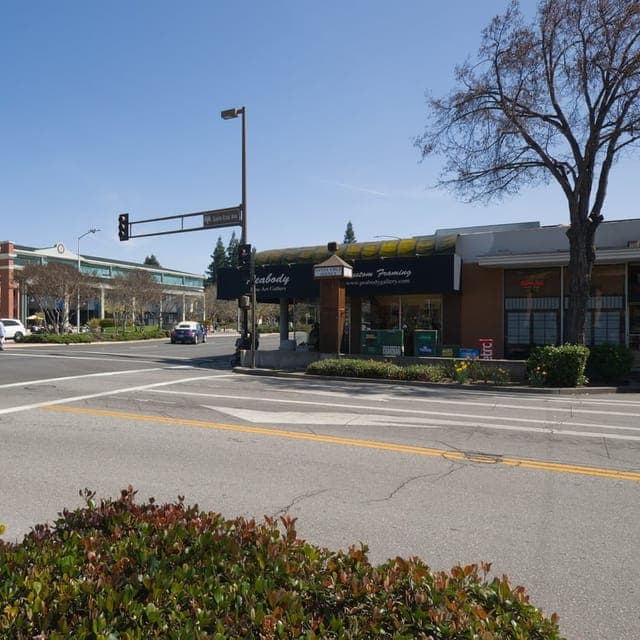
Photo: Wikipedia
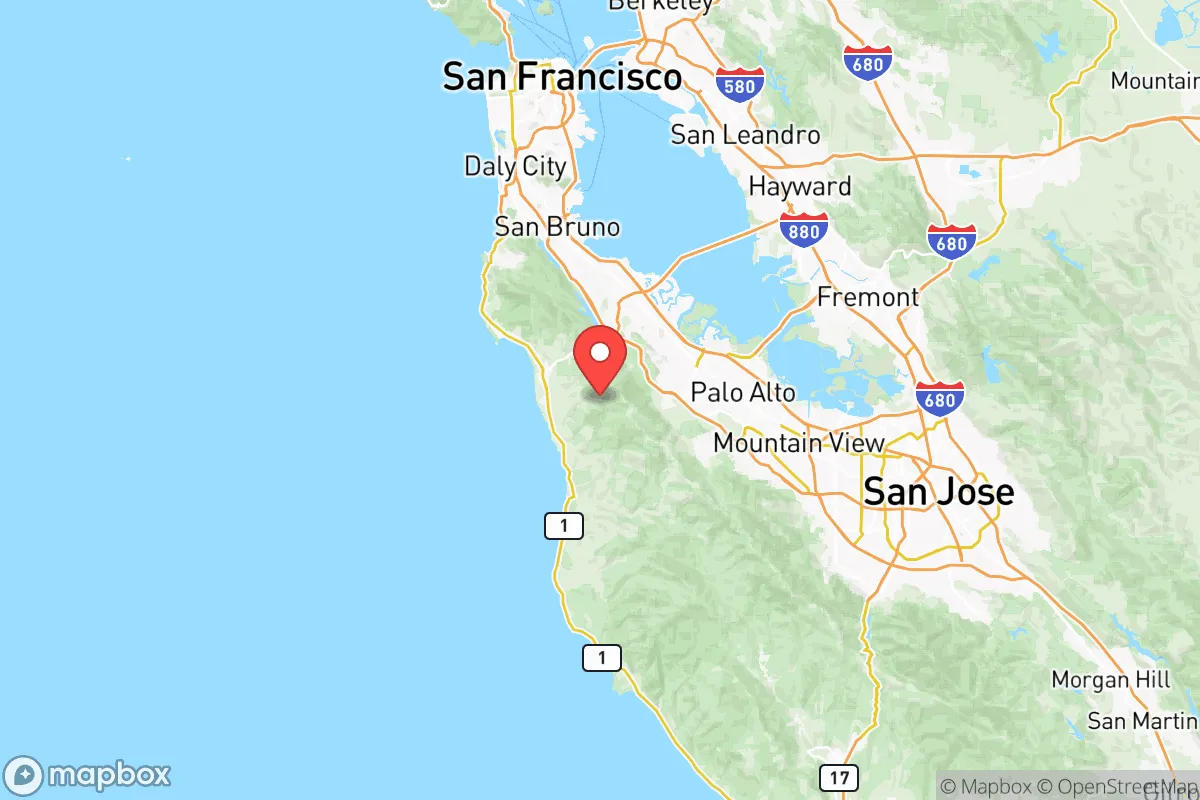
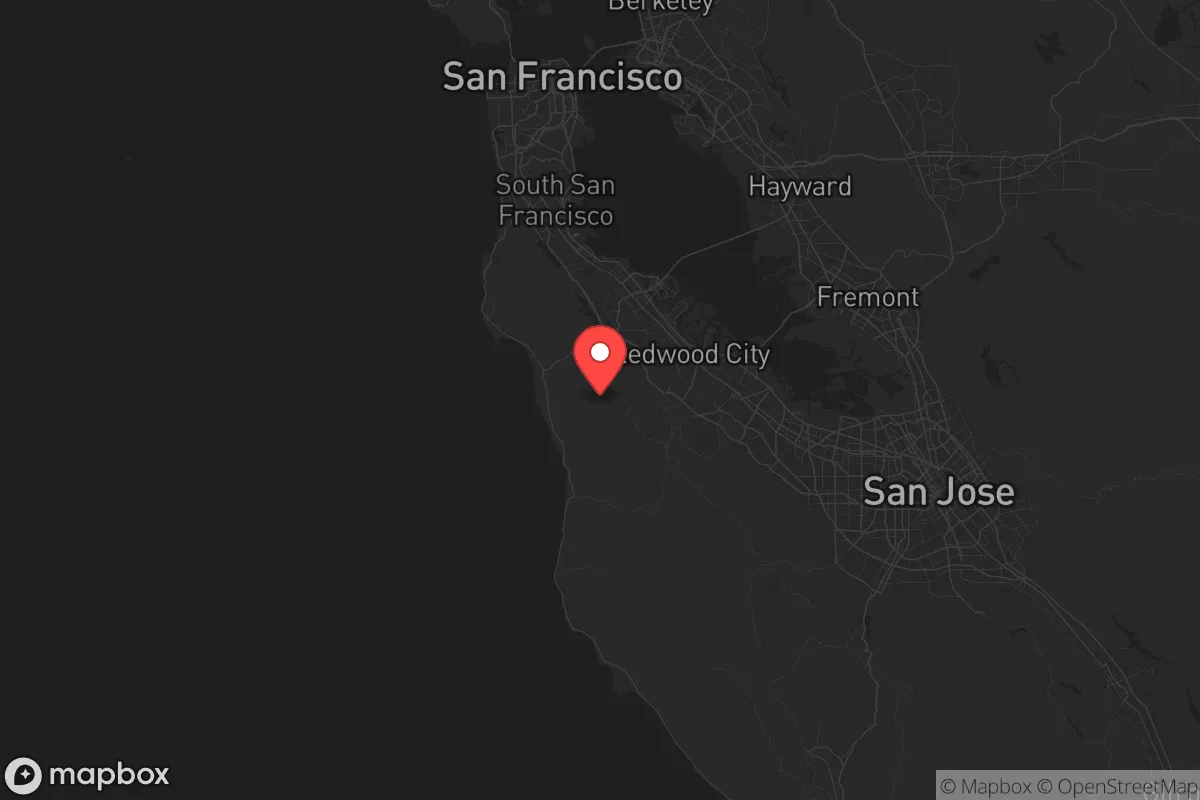
Find The Best Places To Live in San Mateo County
PRO TIP! You can paste a Zillow or Redfin link to get info on that property.
Best Places to Live in San Mateo County
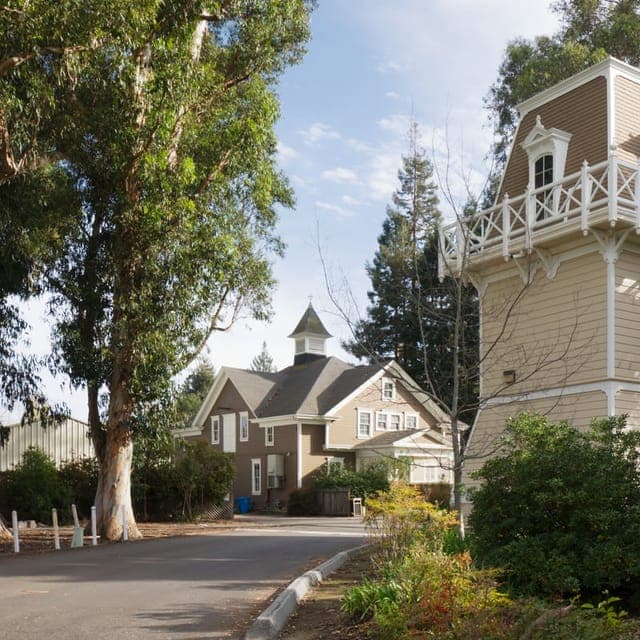
Cities & Towns in San Mateo County
Cities in San Mateo County
What It's Like Living in San Mateo County, CA
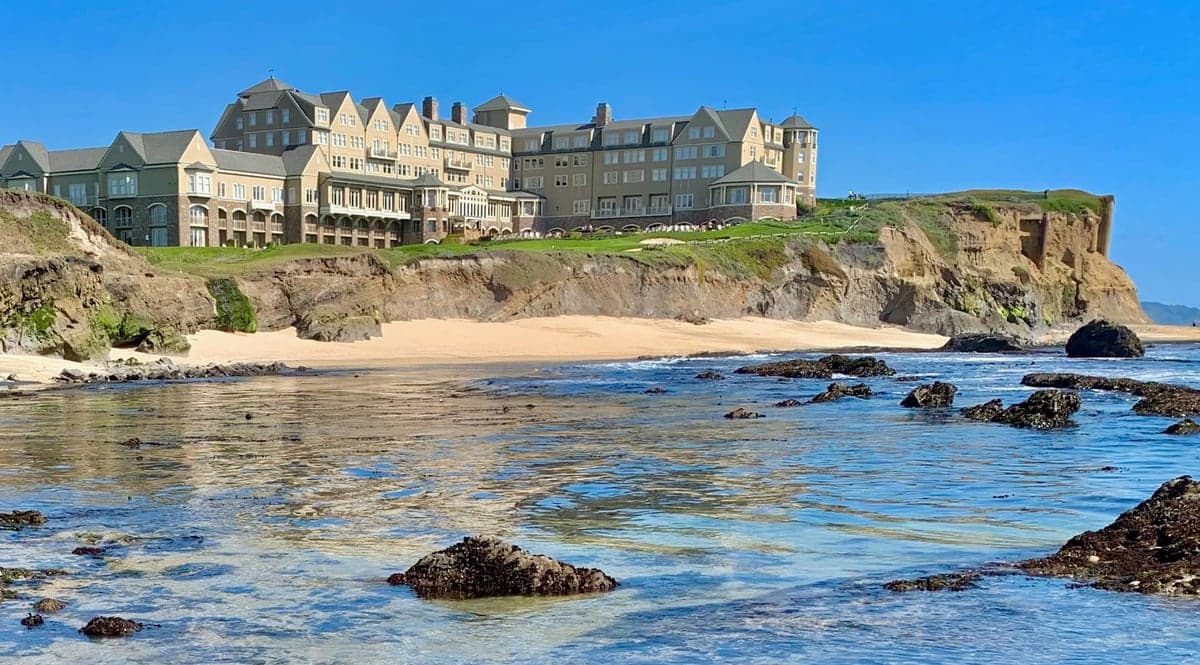
Living in San Mateo County means straddling two worlds at once: the relentless energy of the Bay Area tech economy and the quiet, fog-shrouded coastal towns that feel a hundred miles from Silicon Valley. From the bustling downtowns of San Mateo and Redwood City to the rural horse properties of Woodside and the beachside calm of Half Moon Bay, this county of 745,100 people offers a lifestyle that’s as varied as its geography. It’s a place where your neighbors might be a Meta engineer, a third-generation fisherman, or a family who moved here specifically for the top-ranked public schools in places like Burlingame and Belmont.
The Daily Grind: Commutes, Schools, and the Cost of Staying Put
The average commute of 27 minutes sounds manageable until you realize that a 27-minute drive from Foster City to Palo Alto can feel like an hour on a bad day. Traffic on Highway 101 and Interstate 280 is the great equalizer here—everyone, from the venture capitalist to the nurse, complains about it. That said, the trade-off is access to some of the best public school districts in California, particularly in San Carlos and Hillsborough, where the local elementary schools are a primary reason families pay the median home value of $1,494,500. With a cost of living index of 361—more than three and a half times the national average—the county filters for people who either earn a high income (the median is $156,000) or have been here long enough to own a home bought decades ago. The median age of 40.6 reflects a population that’s settled, often with young children, and weekends are frequently consumed by youth soccer games in San Mateo’s Central Park or Little League in Pacifica.
Where You Actually Spend Your Time: Beaches, Hikes, and Dive Bars
Weekends in San Mateo County don’t look like the rest of the Bay Area. Instead of heading into San Francisco, locals often go west to the coast. Half Moon Bay’s Main Street is a weekend ritual for many—grabbing coffee at the Half Moon Bay Coffee Company, walking the coastal trail at Pillar Point Harbor, or catching a sunset at Mavericks Beach, home to the famous big-wave surf break. Inland, the Santa Cruz Mountains offer a completely different vibe: redwood hikes at Purisima Creek Redwoods Open Space Preserve in Woodside, or a drive up Skyline Boulevard to Alice’s Restaurant for a burger and a beer after a long hike. For nightlife, it’s not about clubs—it’s about neighborhood spots like the Swingin’ Door in San Mateo for live music or the Refuge in San Carlos for craft beer and pastrami. The biggest annual event is the San Mateo County Fair, but locals also pack the Half Moon Bay Art & Pumpkin Festival every October, which draws over 200,000 people to a town of just 11,000.
Sports, Schools, and the Quiet Rivalries That Matter
There are no major professional sports teams in San Mateo County, but that doesn’t mean sports aren’t a big deal. High school football is the closest thing to a community rallying point, especially in towns like Serra High School in San Mateo and Sacred Heart Prep in Atherton, where Friday-night games draw crowds of parents, alumni, and students. The College of San Mateo Bulldogs have a strong junior college football program that’s produced NFL players, and locals follow the San Francisco Giants and 49ers closely—Oracle Park is just a 20-minute drive from downtown San Mateo. For youth sports, the competition is intense: club soccer, lacrosse, and swimming are practically a second job for many kids, and the school calendar revolves around spring break ski trips and summer swim league championships. The cultural quirk here is that people identify more with their specific city than with the county—ask someone where they’re from, and they’ll say “Burlingame” or “Pacifica,” not “San Mateo County.”
The Honest Trade-Offs: What Works and What Grates
Longtime residents love the access to nature—you can be at the beach, in a redwood forest, or in downtown San Francisco within 30 minutes. They also appreciate the genuine diversity of the county, which has large Filipino, Chinese, and Mexican communities, especially in Daly City and South San Francisco. What frustrates them is the cost: the median home price of nearly $1.5 million means that even dual-income professional couples often need help from family to buy in. The violent crime rate of 328.5 per 100,000 is slightly above the national average, but it’s concentrated in specific areas—most of the county feels very safe, especially in the hillside neighborhoods of San Carlos and the gated communities of Atherton. The weather is another trade-off: coastal fog can blanket Pacifica and Half Moon Bay for weeks in summer, while inland cities like Redwood City and San Mateo get reliably sunny and warm. The biggest practical reality is that 53.1% of adults hold a bachelor’s degree or higher, which means the social scene often revolves around work, school fundraisers, and outdoor activities rather than nightlife. If you’re a single person without a high income, the county can feel isolating—most social opportunities are built around families or expensive hobbies like sailing or golf. For parents, though, the combination of strong schools, safe neighborhoods, and proximity to both nature and jobs makes it one of the most desirable—and expensive—places to raise a family in California.

* Values derived from national, state, county, city and local statistics and may differ in a specific area. Last updated: 2026-05-11T22:27:20.000Z
Narrative content on this page is AI-generated and may contain mistakes. Verify any details that matter before acting on them.
ReloMaps may earn a commission from affiliate links at no extra cost to you.

