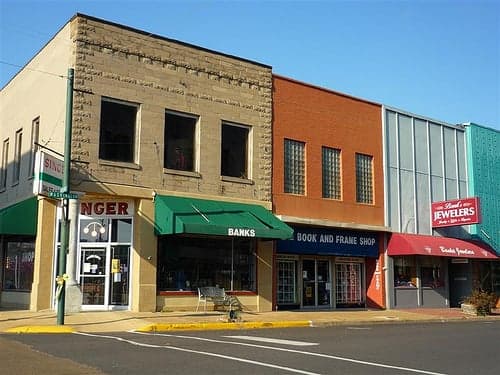
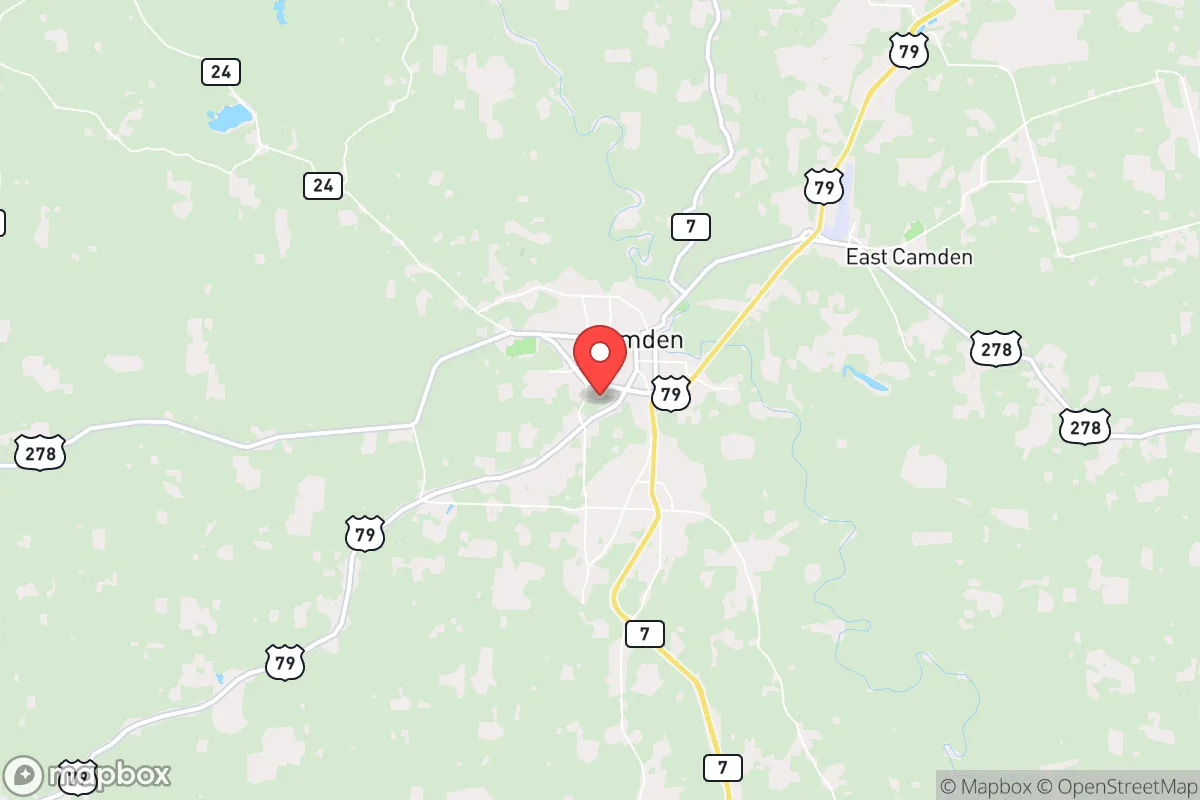

Photo: Wikipedia
Quality of Life in Camden, AR
A high quality of life with strong walkability, manageable living costs, healthy neighborhood signals, and solid amenity access.
What does Quality of Life tell us?
Quality of Life blends cost of living, nearby amenities, socioeconomic signals, and neighborhood character. City-level scores represent the whole municipality; individual neighborhoods can differ.
What does this tell us?
Quality of Life blends cost of living, nearby amenities, socioeconomic signals, and neighborhood character. City-level scores represent the whole municipality; individual neighborhoods can differ.
Cost of Living
48% below national average
The Real Cost of Living in Camden, AR for 2026
| Tier | Individual | Family (4) |
|---|---|---|
| Survival | $11k | $21k |
| Comfortable | $21k | $31k |
| Luxury | $81k+ | $125k+ |
| Elite (Top 5%) | $95k+ | $147k+ |
165%
The Area Signal
A metric tracking the socioeconomic signals of the area.
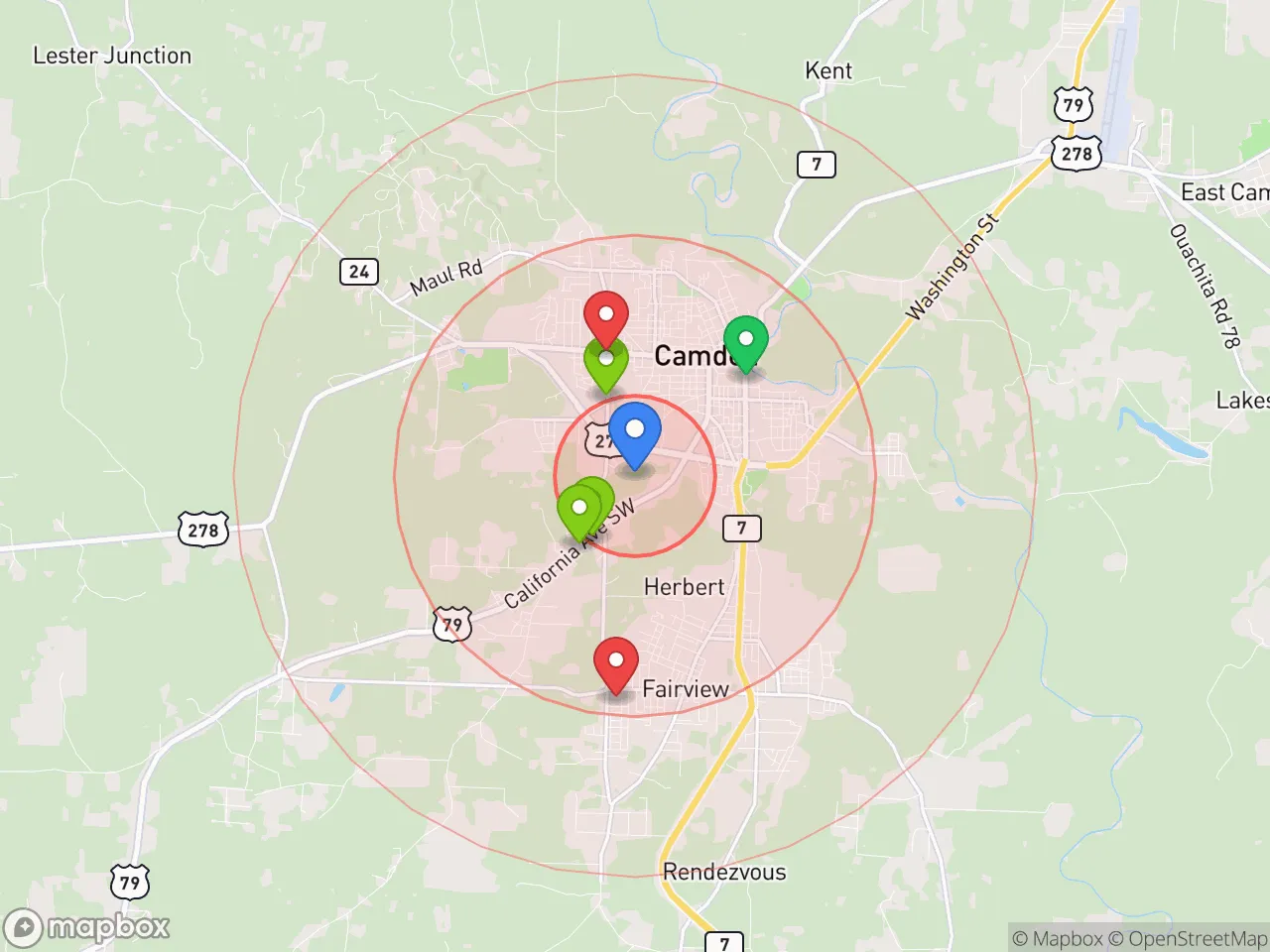
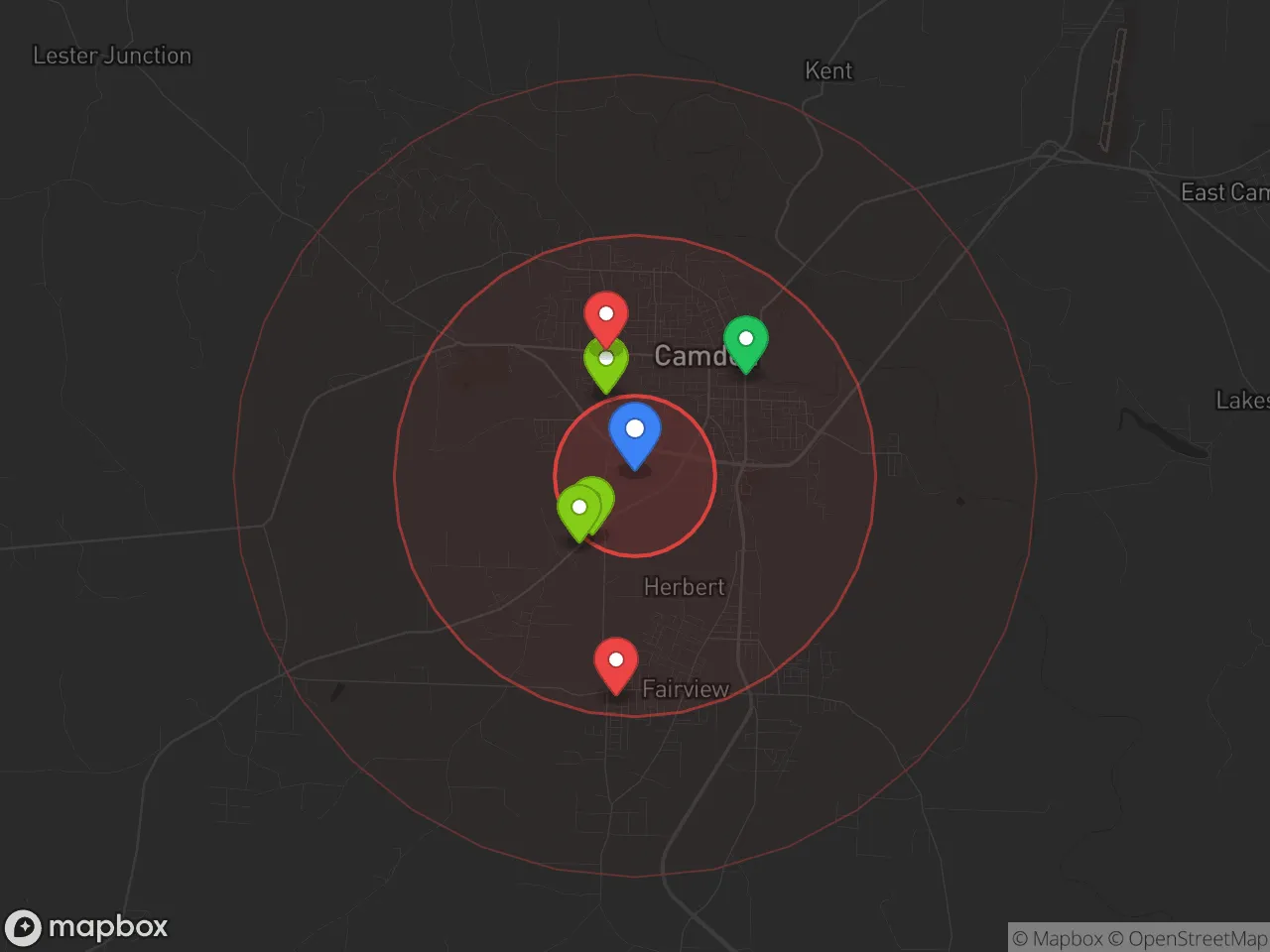
Hobbies
Explore the areaGroceries
2 within 10 miles
Gas
6 within 10 miles
Hospital
1 within 20 miles
Airport
DFW — Dallas/Fort Worth International
Post Office
USPS — Camden, AR
Critical Amenities
Quality-of-Life Analysis
Camden, Arkansas, presents a notably affordable quality of life, with a cost of living index of 52—roughly half the national average—and a median home value of $108,800. The area is characterized by a predominantly working-class and retired population, with many residents employed in manufacturing, healthcare, and the local school system. While not affluent by national standards, Camden offers a stable, low-stress environment where housing costs consume a far smaller share of household income than in most U.S. metros.
Cost of living, housing affordability, and how Camden compares to nearby cities
Camden’s cost of living index of 52 is significantly lower than the U.S. average of 100 and also undercuts nearby regional hubs like El Dorado (index ~58) and Texarkana (index ~55). The median home value of $108,800 is roughly one-third of the national median, and the median rent of $704 per month is well below the national figure of about $1,200. With an average commute of just under 19 minutes—far shorter than the national average of 26 minutes—residents save substantially on transportation costs and time. For context, a household earning the median Camden income of roughly $40,000 can comfortably afford a mortgage on a median-priced home, whereas in Little Rock (index ~85) the same income would require a longer commute or a smaller property. This affordability gap makes Camden particularly attractive for first-time homebuyers, retirees on fixed incomes, and remote workers seeking to stretch their earnings.
Local amenities, schools, and what daily life is like for families
Daily life in Camden centers on a compact, walkable downtown with historic architecture, local diners, and community events like the annual Brickfest and the World Championship Steak Cook-Off. The Camden Fairview School District serves most of the area, with an overall rating of 4 out of 10 on GreatSchools—reflecting below-average test scores but a strong sense of community involvement and extracurricular programs. For healthcare, the Ouachita County Medical Center provides emergency and primary care, while more specialized services require a 45-minute drive to El Dorado or a 90-minute drive to Little Rock. Outdoor recreation is a key draw: the nearby Ouachita River offers fishing, kayaking, and boating, and the White Oak Lake State Park (20 minutes south) provides hiking and camping. The rhythm of life is slow and neighborly, with most errands completed within a 10-minute drive and a low crime rate relative to the state average—though property crime remains a concern in certain pockets.
Camden is best suited for individuals and families who prioritize extreme affordability, a slower pace, and proximity to nature over urban amenities or high-paying job markets. Retirees on fixed incomes, remote workers earning national salaries, and young families seeking a low-debt start will find the housing costs and commute times especially appealing. Those who thrive here value community ties, outdoor recreation, and a quiet, predictable routine—and are willing to accept limited shopping, dining, and specialized healthcare options in exchange for financial breathing room.

Crime in Camden, AR
Crime rates similar to the national median for U.S. locations.
Violent CrimeViolent Crime Analysis
Property CrimeProperty Crime Analysis
Crime Analysis
Camden, Arkansas, reports violent and property crime rates significantly higher than both state and national averages, placing it among the more dangerous small cities in the state. With a violent crime rate of 700.1 per 100,000 residents and a property crime rate of 2,530.5 per 100,000, the city faces substantial public safety challenges that potential residents should weigh carefully. These figures reflect a community where crime is a daily concern for many households, and where the effectiveness of local law enforcement and the justice system is a critical factor.
Crime in context
Camden's violent crime rate of 700.1 per 100,000 is roughly double the national average and well above the Arkansas state average of approximately 540 per 100,000. Property crime in Camden, at 2,530.5 per 100,000, also exceeds the national benchmark of around 1,950 per 100,000. These numbers place Camden in a higher-risk tier compared to other cities of similar size in Ouachita County and the broader South Arkansas region. The elevated rates are a key consideration for anyone evaluating safety in the area, as they indicate a higher likelihood of experiencing a crime incident than in many peer communities.
What residents experience
Residents of Camden report that property crimes—including burglary, larceny-theft, and motor vehicle theft—are the most common offenses, often affecting daily routines like leaving vehicles unlocked or packages on porches. Violent crimes, while less frequent, are a serious concern, with aggravated assault being the most reported category. The local justice system's approach to prosecution and sentencing plays a direct role in these outcomes. Progressive or lenient policies from judges and district attorneys, which prioritize offender rehabilitation over incarceration, can lead to more criminals returning to the streets sooner, thereby increasing the risk to law-abiding residents. This dynamic is particularly relevant in Camden, where repeat offenders may contribute to the persistently high crime numbers.
Neighborhood-level variation
Safety in Camden is not uniform across the city. Older, more established neighborhoods near the downtown core and along the Ouachita River tend to experience higher crime concentrations, particularly property offenses. In contrast, newer subdivisions on the city's outskirts and areas closer to major employers like Highland Pellets or the Camden Industrial Park generally report lower incident rates. Prospective residents should research specific block-level crime maps and consult with local law enforcement or real estate agents to identify safer pockets within the city. Gated communities and homes with private security systems are common recommendations for those seeking to mitigate risk in this high-crime environment.
* Values derived from national, state, county, city and local statistics and may differ in a specific area. Last updated: 2026-04-30T02:27:03.000Z
Narrative content on this page is AI-generated and may contain mistakes. Verify any details that matter before acting on them.
ReloMaps may earn a commission from affiliate links at no extra cost to you.

