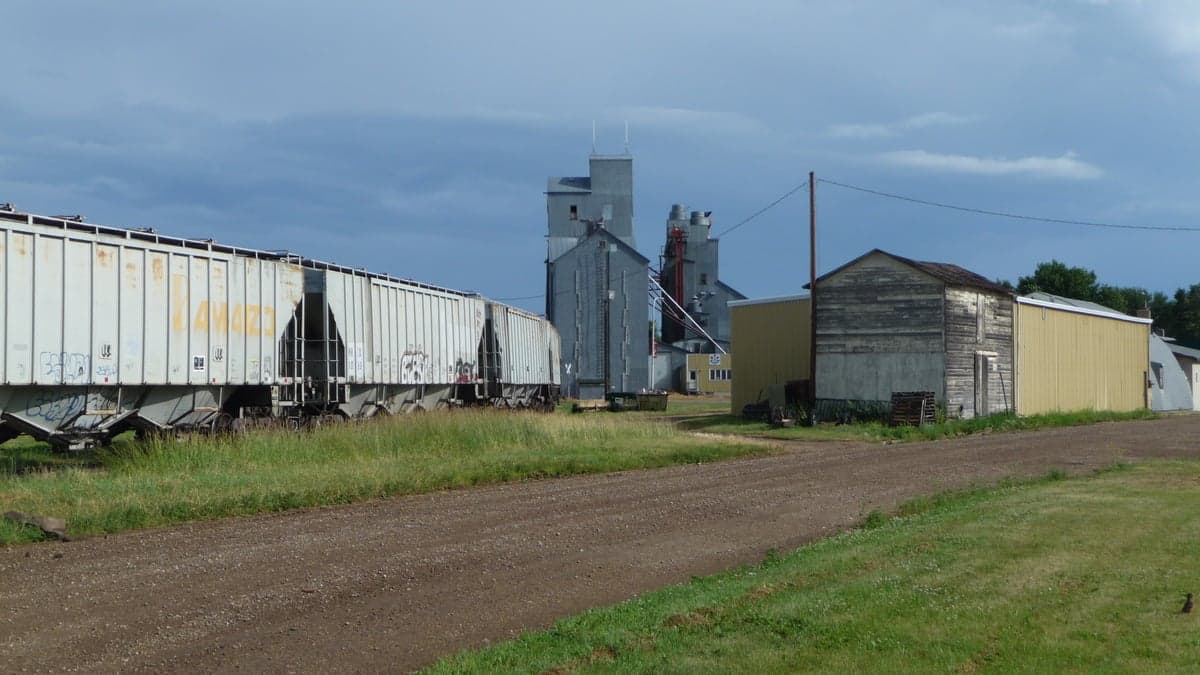
Photo: Wikipedia
Quality of Life in Carrington, ND
A livable area that tracks near national norms for affordability, walkability, and neighborhood health.
What does Quality of Life tell us?
Quality of Life blends cost of living, nearby amenities, socioeconomic signals, and neighborhood character. City-level scores represent the whole municipality; individual neighborhoods can differ.
What does this tell us?
Quality of Life blends cost of living, nearby amenities, socioeconomic signals, and neighborhood character. City-level scores represent the whole municipality; individual neighborhoods can differ.
Cost of Living
42% below national average
The Real Cost of Living in Carrington, ND for 2026
| Tier | Individual | Family (4) |
|---|---|---|
| Survival | $12k | $22k |
| Comfortable | $28k | $40k |
| Luxury | $103k+ | $160k+ |
| Elite (Top 5%) | $121k+ | $188k+ |
162%
The Area Signal
A metric tracking the socioeconomic signals of the area.


Limited data for this area
Limited data for this area
Hobbies
Explore the areaGroceries
2 within 10 miles
Gas
0 within 10 miles
Hospital
2 within 20 miles
Airport
JFK — John F. Kennedy Memorial
Post Office
USPS — Carrington, ND
Critical Amenities
Quality-of-Life Analysis
Carrington, North Dakota, offers a quality of life defined by exceptional affordability and a tight-knit, family-oriented atmosphere, with a cost of living index of just 58—42% below the U.S. average. The population of roughly 4,000 is predominantly composed of working-class families, agricultural professionals, and retirees drawn by the low financial pressure and quiet, safe environment. Median household incomes hover around the state average, but the dramatically lower housing and utility costs mean residents enjoy a standard of living that would require significantly higher earnings in most other parts of the country.
Cost of living, housing, and how Carrington compares to nearby towns
Carrington’s housing market is its strongest draw. The median home value sits at $141,800, and the median rent is just $743 per month—figures that are roughly half the national median and notably lower than in larger North Dakota cities like Fargo (median home value ~$280,000) or Bismarck (~$260,000). Even compared to nearby Jamestown (median home value ~$175,000), Carrington is significantly cheaper. The average commute of 13 minutes is among the shortest in the state, reflecting the town’s compact layout and the prevalence of local employment in agriculture, healthcare (CHI St. Alexius Health Carrington), and manufacturing (e.g., Dakota Growers Pasta). Property taxes remain low by national standards, and utility costs are moderate, though winter heating bills can spike. For a family or retiree on a fixed income, the combination of a $140,000 home and a 13-minute drive to work or school creates a financial cushion rare in modern America.
Local amenities, schools, and what daily life feels like
Daily life in Carrington centers on community institutions and outdoor recreation. The Carrington Public School District serves roughly 700 students and maintains above-average graduation rates and small class sizes, a key draw for families. The town’s amenities include a modern public library, a 9-hole golf course, and Arrowwood Lake just 15 minutes south for fishing and boating. Retail is limited to essentials—a grocery co-op, hardware store, and a few local restaurants—so most residents drive 45 minutes to Jamestown or 90 minutes to Fargo for major shopping or specialized healthcare. The rhythm of life is slow and neighborly; community events like the Foster County Fair and high school sports games are social anchors. Crime rates are well below national averages, and the town’s walkable downtown core, anchored by the historic Opera House, reinforces a pedestrian-friendly, safe environment. Winters are long and harsh (average January high of 18°F), but residents embrace outdoor winter activities like ice fishing and snowmobiling.
Carrington is best suited for those who prioritize financial stability, safety, and community connection over urban amenities and career diversity. Retirees on fixed incomes will find the low housing costs and short commute liberating, while young families can access good schools and a low-stress lifestyle without the debt burden common in larger metros. Professionals in agriculture, healthcare, or manufacturing will find the strongest local job market. Those seeking nightlife, cultural diversity, or rapid career advancement should look elsewhere—but for anyone ready to trade urban pace for genuine affordability and a supportive small-town fabric, Carrington delivers a quality of life that is both practical and deeply rooted.

Crime in Carrington, ND
Lower crime rates than 99% of comparable U.S. locations.
Violent CrimeViolent Crime Analysis
Property CrimeProperty Crime Analysis
Crime Analysis
Carrington, North Dakota, reports a violent crime rate of zero incidents per 100,000 residents, making it one of the safest communities in the state for personal safety. Property crime stands at 149.7 per 100,000, a figure well below both the North Dakota average and national benchmarks. This small city in Foster County offers a security profile that is rare in rural America, driven by strong community cohesion and a low population density.
Crime in context
Carrington’s violent crime rate of 0 per 100,000 places it in the safest tier of North Dakota communities, where the statewide average for violent crime is approximately 330 per 100,000. Property crime at 149.7 per 100,000 is roughly one-fifth the national rate of about 1,950 per 100,000. These figures reflect a jurisdiction where law enforcement resources are concentrated, and where the local judicial system—unlike in many large metropolitan areas—does not operate under progressive prosecutorial policies that can lead to reduced sentences or early releases. In Carrington, the absence of such ideology means offenders face consistent consequences, which directly contributes to the low recidivism and crime rates observed here.
What residents experience
Residents of Carrington report a daily reality where unlocked doors and unattended property are common, and fear of victimization is minimal. The zero violent crime statistic means incidents like assault, robbery, or homicide are virtually unheard of. Property crimes, when they occur, are typically non-confrontational—occasional theft from vehicles or minor vandalism—rather than burglary or arson. This stands in stark contrast to large metro areas where progressive district attorneys often deprioritize property offenses, leading to repeat offending and a normalization of crime. In Carrington, the justice system’s traditional approach ensures that even low-level property crimes are addressed, maintaining a deterrent effect that keeps the community safe.
Neighborhood-level variation in Carrington is minimal due to the town’s small size and homogeneous housing stock. The downtown core and residential areas near the Foster County Courthouse see the lowest incident rates, while the industrial zone along US-281 may experience slightly higher property crime due to transient traffic. However, no area in Carrington approaches the danger levels seen in cities with progressive criminal justice policies, where entire districts can become high-crime zones. For those prioritizing safety, Carrington represents a stable, low-risk environment where community standards and traditional law enforcement practices prevail.
* Values derived from national, state, county, city and local statistics and may differ in a specific area. Last updated: 2026-10-10T16:27:02.000Z
Narrative content on this page is AI-generated and may contain mistakes. Verify any details that matter before acting on them.
ReloMaps may earn a commission from affiliate links at no extra cost to you.

