
Photo: Wikipedia
Find The Best Places To Live
in Casa Grande
PRO TIP! You can paste a Zillow or Redfin link to get info on that property.
What It's Like Living in Casa Grande, AZ
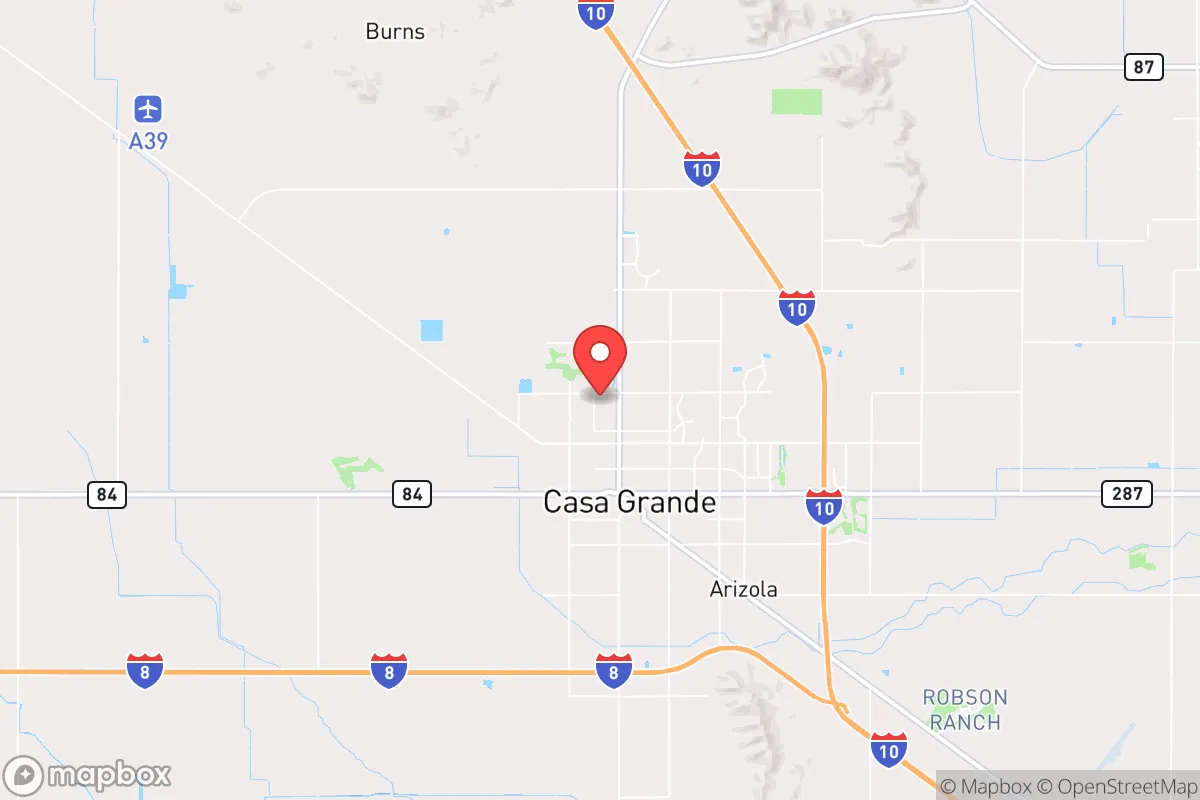
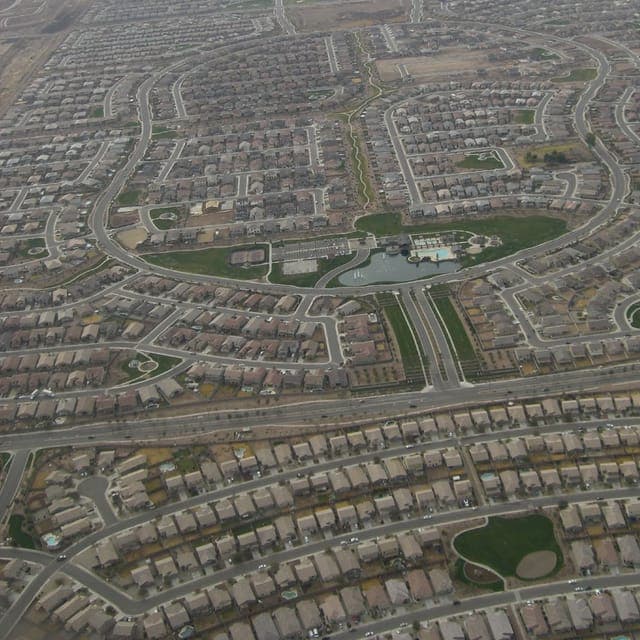
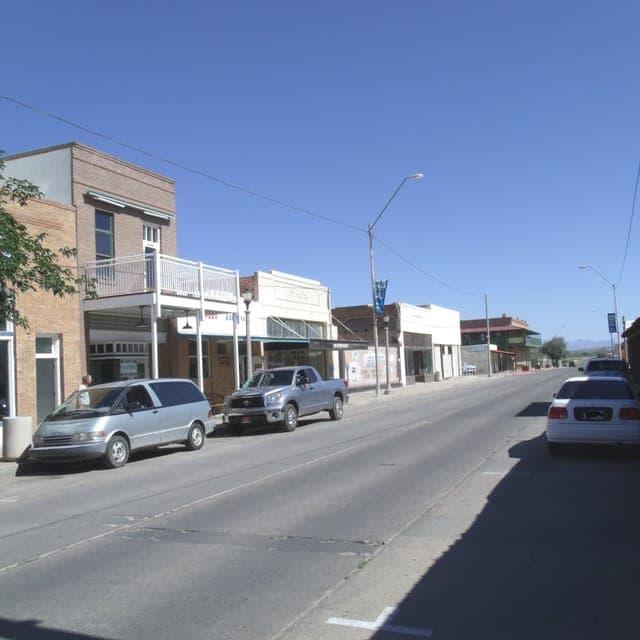
Casa Grande is one of those Arizona towns that feels like it’s still figuring out its identity, caught between being a quiet agricultural hub and a fast-growing Phoenix exurb. You’ll see cotton fields and pecan orchards right next to new subdivisions and strip malls, and the people here tend to be practical, hardworking, and unpretentious. It’s not a place for nightlife seekers or those who need constant stimulation, but for families and individuals who want a slower pace, affordable space, and a community where people actually know their neighbors, it fits like a well-worn boot.
The Daily Rhythm: What People Actually Do
Most of Casa Grande’s 57,590 residents live a car-dependent, errand-and-hobby kind of life. The average commute clocks in at about 23 minutes, which is manageable and often involves a straight shot on I-10 or local roads like Florence Boulevard. People shop at the usual suspects—Walmart, Fry’s, and the newer retail along the Promenade—but the real local flavor comes from spots like El Tapatio for Sonoran-style Mexican food or the Brewed Awakening coffee shop, where you’ll see retirees, remote workers, and high school kids all sharing the same patio. Weekends often mean a trip to Peart Park for a soccer game or a stroll through the Casa Grande Farmers Market (November through April), where the winter vegetables are genuinely excellent thanks to the surrounding farmland.
The median age here is 37.8, which skews a bit older than the national average, but that’s because you get a mix of young families settling in for the schools and empty-nesters who moved from pricier parts of Phoenix or California. The median household income is $66,354, and the median home value sits at $258,200—that’s a huge draw. You can get a 3-bedroom house with a yard for what a studio apartment costs in Scottsdale. The cost of living index is 104, just a hair above the U.S. average, but that’s almost entirely driven by housing and utilities; groceries and gas are reasonable.
Sports, Community, and the High School Factor
High school sports are a big deal here—probably the closest thing to a unifying civic event. Casa Grande Union High School and Vista Grande High School pack bleachers on Friday nights for football, and the rivalry games between them are the kind of thing people plan their weekends around. Basketball and baseball also draw solid crowds, and the local youth leagues (Little League, AYSO soccer) are where many parents first get plugged into the community. There’s no pro sports team in town, but you’re about 45 minutes from Phoenix for Diamondbacks, Suns, or Cardinals games—close enough for a day trip, far enough that you don’t deal with the traffic daily.
The biggest cultural event is the Casa Grande Cotton Festival, held every October at the fairgrounds. It’s exactly what it sounds like: a celebration of the area’s agricultural roots with a parade, carnival rides, and a cotton-picking contest. It’s not slick or trendy, but it’s genuine, and locals love it. There’s also the O’odham Tash festival in February, which honors the region’s Native American heritage with dancing, crafts, and food. If you’re looking for music venues, you’re mostly limited to the Francisco Grande Resort (a historic spring training site turned hotel) for cover bands and wedding receptions, or the dive bars like Rodeo Bar for karaoke and pool.
What’s There to Do (and What’s Missing)
Outdoor life is the main draw. The Casa Grande Ruins National Monument is a 15-minute drive north—an ancient Hohokam village with a massive four-story structure that’s genuinely impressive. Hiking is limited to flat desert trails (try the McCullough Hills Trail), but the real appeal is the open space: people ride dirt bikes, shoot at the range, or just drive out into the desert to camp. The weather dictates everything. Summers are brutal—regularly 105°F+ from June through September—so outdoor activity shifts to early mornings or evenings. Winter (November through March) is paradise: 60s and 70s, sunny, and perfect for golf at the Casa Grande Municipal Golf Course or a day at Picacho Peak State Park about 20 minutes south.
What frustrates longtime residents? The violent crime rate is 359.9 per 100,000, which is above the national average and something you hear about in neighborhood Facebook groups. Property crime (package thefts, car break-ins) is the bigger everyday annoyance. Another gripe is the lack of entertainment options for young adults—there’s no real music scene, no bowling alley, and the movie theater is a single-screen relic. People in their 20s often drive to Chandler or Mesa for a proper night out. Also, only 21.1% of adults hold a bachelor’s degree, which means the job market leans heavily toward retail, logistics, and agriculture. The biggest employers are the Casa Grande Regional Medical Center, the school district, and a growing number of distribution centers (Amazon, FedEx) along the I-10 corridor. If you work in tech or corporate, you’re commuting to Phoenix or working remote.
Pros and Cons of Living Here
- Pro: Affordable housing. You can buy a decent home for under $300K, and rent for a 2-bedroom apartment averages around $1,200. That’s a fraction of Phoenix prices.
- Pro: Genuine community feel. People wave, neighbors help each other, and the schools (especially Cottonwood Elementary and Cactus Middle School) are the social hubs for families.
- Pro: Proximity to everything. Phoenix is 45 minutes north, Tucson is an hour south, and you’ve got mountains, lakes (Roosevelt, Canyon), and the desert all within a 90-minute radius.
- Con: Summer heat. It’s not just hot—it’s oppressive. Air conditioning runs nonstop, and outdoor plans from May to September require careful timing.
- Con: Limited job diversity. If you’re not in healthcare, education, or logistics, you’ll likely be commuting or working remotely. The local economy doesn’t have much white-collar depth.
- Con: Crime and infrastructure. The violent crime rate is a real concern, and the city’s rapid growth has outpaced road improvements—Florence Boulevard gets congested, and there aren’t enough grocery stores on the south side.
In short, Casa Grande works best for people who value space, affordability, and a slower rhythm over urban amenities. It’s a place where you can own a home, raise kids, and still afford to take a vacation—but you’ll trade that for a limited social scene and a climate that demands respect. If that trade-off sounds reasonable, it might be exactly what you’re looking for.

Similar small cities to Casa Grande
* Values derived from national, state, county, city and local statistics and may differ in a specific area. Last updated: 2026-04-21T18:25:23.000Z
Narrative content on this page is AI-generated and may contain mistakes. Verify any details that matter before acting on them.
ReloMaps may earn a commission from affiliate links at no extra cost to you.

