Photo: Wikipedia
Find The Best Places To Live
in Mesa
PRO TIP! You can paste a Zillow or Redfin link to get info on that property.
What It's Like Living in Mesa, AZ
Mesa is the kind of place that feels like a small town that accidentally grew into a city of half a million people. With 507,478 residents, it’s Arizona’s third-largest city, but it still holds onto a distinct, family-oriented identity that sets it apart from the constant churn of Scottsdale or the downtown Phoenix scene. You’ll find a mix of young families, retired snowbirds, and working professionals who chose Mesa because it offers a lower-key, more affordable version of the Valley lifestyle.
The Daily Rhythm: What People Actually Do
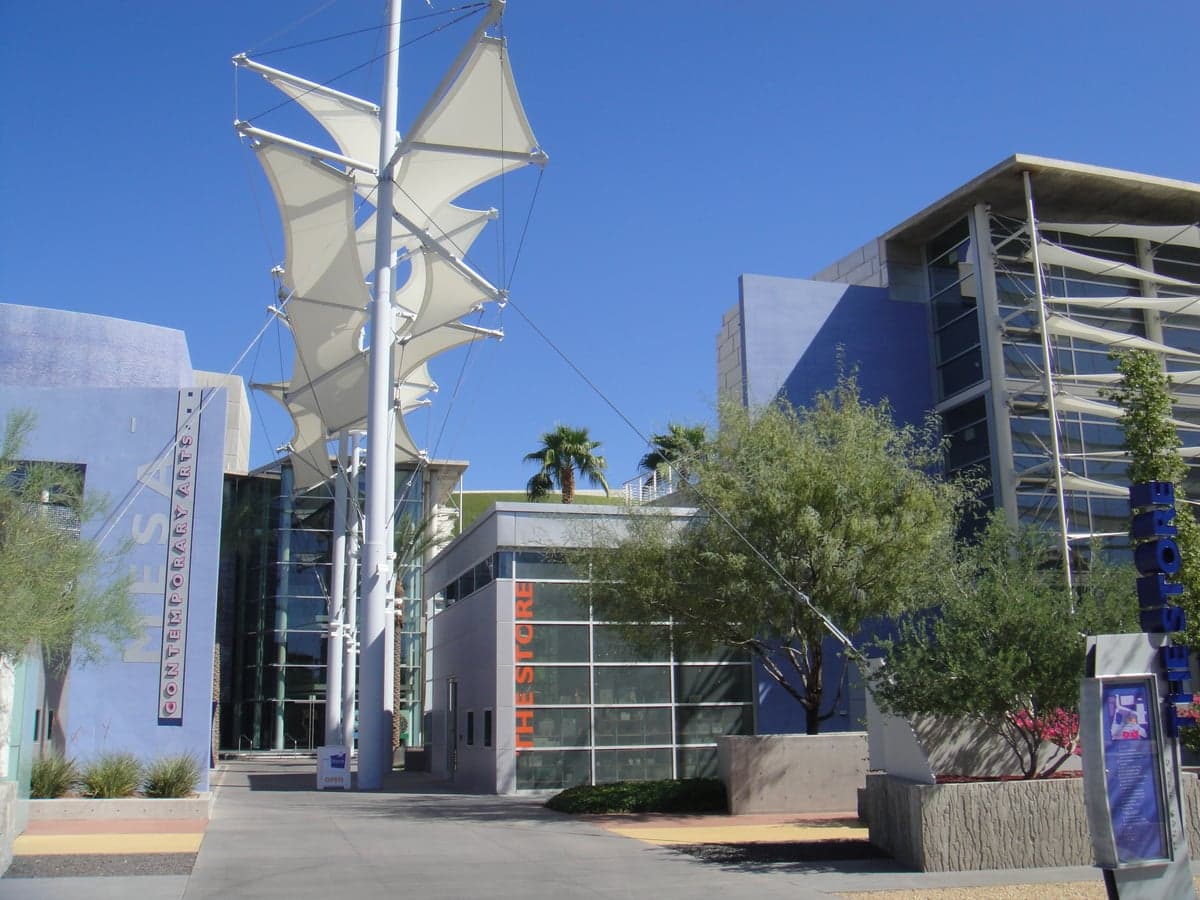
Most days in Mesa start early, especially from spring through fall, when the heat dictates the schedule. The average commute clocks in at just under 25 minutes, which is manageable for a metro area, and the traffic on the US 60 (the Superstition Freeway) is a daily reality—eastbound in the morning and westbound in the evening are the slog. People here shop at the usual chains (Fry’s, Walmart, Costco) but also have strong loyalty to local spots like the Mesa Farmers Market at the Mesa Arts Center on Saturday mornings. Weekends often revolve around the backyard pool, a hike in the nearby Usery Mountain Regional Park, or catching a game at a local high school field—high school football and baseball are genuinely big deals here, with schools like Red Mountain and Mountain View drawing solid crowds on Friday nights.
Sports, Entertainment, and the Weekend Vibe
Mesa is a sports town in a quiet way. The Chicago Cubs hold spring training at Sloan Park, which turns the area into a sea of blue jerseys every February and March. During the regular season, the Mesa Solar Sox (Arizona Fall League) play at Hohokam Stadium, and the Arizona State Sun Devils in nearby Tempe are the closest major college draw. For pro sports, it’s a short drive to Chase Field (Diamondbacks) or State Farm Stadium (Cardinals) in Glendale. Entertainment centers on the Mesa Arts Center, which hosts Broadway tours and concerts, and the Mesa Amphitheatre, a smaller outdoor venue that books solid national acts. The big annual events are the Mesa Music Festival (free, multi-stage) and the Mesa Territorial Days rodeo, which leans into the city’s Western heritage. For a night out, locals head to downtown Mesa’s Main Street, where bars like 12 West Brewing and Mesa Brewing Company offer a more relaxed, less pretentious vibe than Scottsdale’s nightlife.
Who Fits In Here (and Who Doesn’t)
Mesa works best for people who want a suburban, family-focused life with decent access to jobs and amenities but without the high price tag of Chandler or Gilbert. The median home value is $364,300, and the cost of living index sits at 128 (28% above the national average), which is high for the US but noticeably lower than Phoenix’s pricier suburbs. The median household income is $78,779, so homeownership is a stretch for a single earner but doable for a dual-income household. About 31.5% of adults hold a bachelor’s degree or higher, which is below the national average—this is a blue-collar and service-industry town at its core, with major employers like Banner Health, Boeing, and the city government itself. The median age is 37.2, reflecting a mix of young families and retirees, but single people in their 20s often find Mesa a bit sleepy and gravitate toward Tempe or downtown Phoenix for nightlife.
The Honest Pros and Cons
- Pro: Weather that works for half the year. From October through April, Mesa has some of the best outdoor weather in the country—sunny, 70s, perfect for hiking, golf, and patio dining. The other half of the year is brutal: May through September, temperatures regularly hit 105-115°F, and outdoor activity is limited to early mornings or pool time.
- Con: Crime is a real concern. The violent crime rate is 419.6 per 100,000 residents, which is notably higher than the national average (around 380) and higher than nearby Chandler or Gilbert. Property crime, especially car break-ins and package theft, is a common frustration. Most locals know to lock doors and not leave valuables in cars, but it’s something to factor in when choosing a neighborhood.
- Pro: A strong sense of community identity. Mesa has a distinct Mormon pioneer heritage (the city was founded by Mormon settlers), and while the city is now diverse, that history gives it a conservative, family-first culture that many residents appreciate. The schools are a central part of community life, with Mesa Public Schools being one of the largest districts in the state and a major focus for parent involvement.
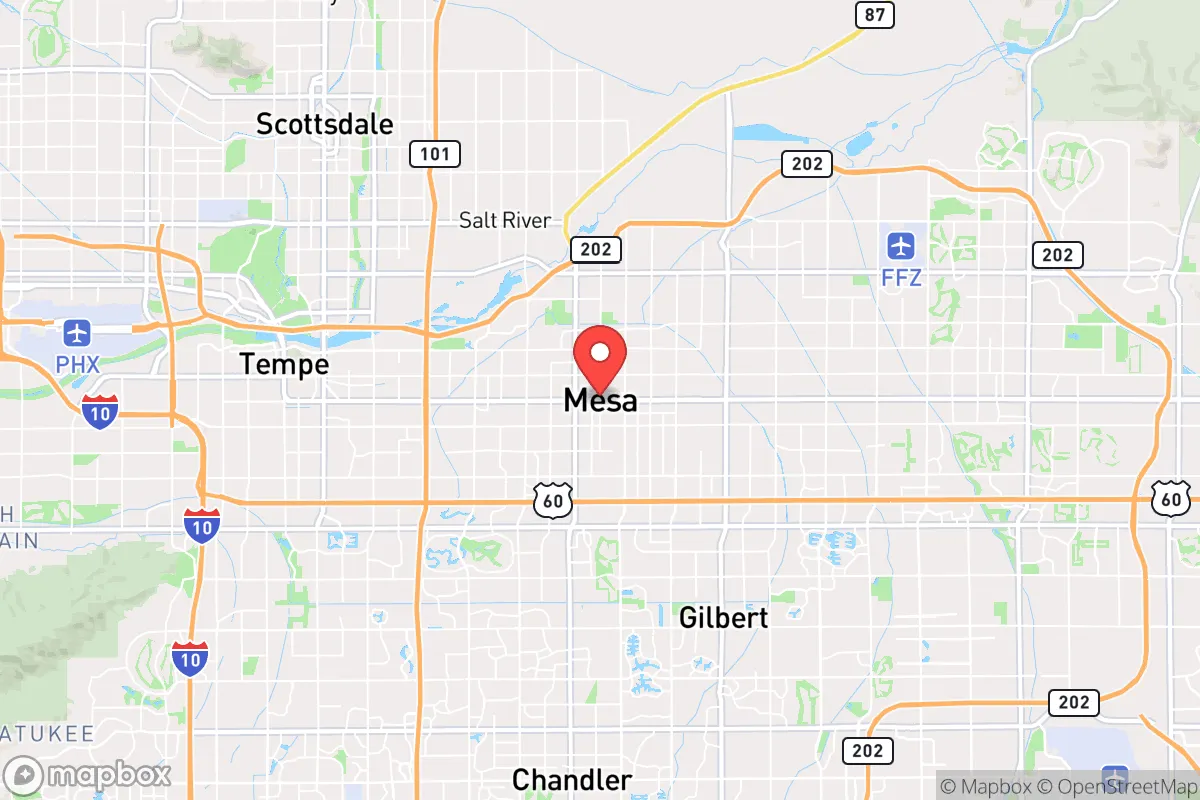
- Con: It’s sprawling and car-dependent. Mesa covers over 130 square miles, so you will drive everywhere. The light rail (Valley Metro) runs along Main Street and connects to Phoenix and Tempe, but most of the city is not walkable. If you live in east Mesa, a trip to a good restaurant or a grocery store can be a 15-minute drive.
The cultural quirk that defines Mesa is its simultaneous embrace of its pioneer past and its rapid growth. You’ll see a mix of new subdivisions and older ranch-style homes, and the city’s identity is still being shaped by the influx of people from California and the Midwest. Longtime residents love the relative quiet and the fact that you can still find a decent house under $400,000, but they’re frustrated by the increasing traffic and the summer heat that limits outdoor life for months. For a single person or a family who values space, affordability, and a slower pace over nightlife and urban energy, Mesa is a solid, unflashy choice that delivers on the basics.

Similar mid-size cities to Mesa
* Values derived from national, state, county, city and local statistics and may differ in a specific area. Last updated: 2026-04-19T06:52:16.000Z
Narrative content on this page is AI-generated and may contain mistakes. Verify any details that matter before acting on them.
ReloMaps may earn a commission from affiliate links at no extra cost to you.

