
Photo: Wikipedia
Find The Best Places To Live
in Maricopa
PRO TIP! You can paste a Zillow or Redfin link to get info on that property.
What It's Like Living in Maricopa, AZ
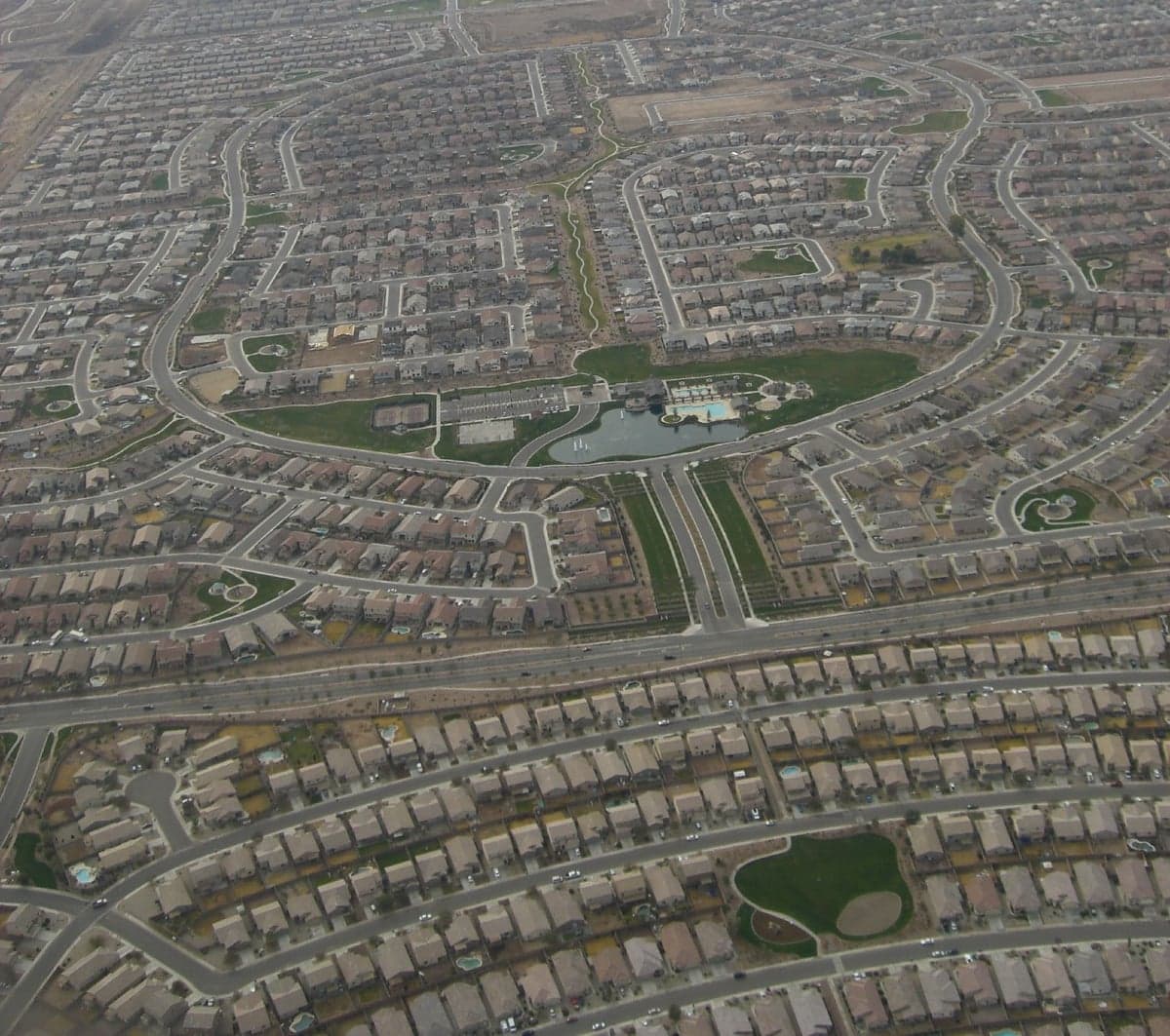
Maricopa, Arizona, feels like a suburban frontier—a fast-growing city of nearly 63,000 people that still has the wide-open, self-starting energy of a place that wasn’t much more than farmland and desert a couple of decades ago. It’s a community where you’re likely to see neighbors out walking their dogs in the late afternoon, where the local high school football game is the Friday night event, and where the biggest complaint isn’t crime or schools but the daily commute to Phoenix or Chandler. If you’re a conservative-leaning family or single professional looking for affordable space and a slower pace without total isolation, Maricopa is worth a serious look.
Daily Rhythm: Commute, Cost, and Quiet Evenings
Life in Maricopa revolves around a few key realities. The median income here is $94,208, which goes a lot further than in Phoenix proper, especially with a median home value of $338,600. That’s a solid deal for a detached house with a yard in a newer subdivision. The catch is the commute: the average drive to work is nearly 38 minutes one way. Most people head north on State Route 347 toward Chandler, Gilbert, or Phoenix for work in tech, healthcare, or construction. That two-lane highway can be a slog during peak hours, and it’s the single biggest frustration for residents. But once you’re home, the trade-off is clear: quieter streets, lower crime, and a community where people actually know their neighbors. Weekends often mean hitting the local parks—like the 80-acre Pacana Park with its sports fields and lake—or grabbing a bite at one of the handful of local spots like The Shanty for burgers or JR’s Sports Grill for a cold beer and a game.
Sports, Community, and What People Actually Do
High school sports are a genuine centerpiece here. Maricopa High School’s Rams football games draw big crowds, and the rivalry with Casa Grande and Coolidge is real. There’s no pro team in town, but the Phoenix Suns, Diamondbacks, and Cardinals are a 40-minute drive away, and plenty of residents make the trip on weekends. For entertainment, the city hosts its own events—the Maricopa Days festival in the fall, a Christmas parade, and a weekly farmers market that’s more about community than serious shopping. The Harrah’s Ak-Chin Casino just south of town is a major draw for concerts and dining, though it’s not a daily part of most residents’ lives. For outdoor types, the nearby Sonoran Desert offers hiking at places like the Estrella Mountain Regional Park, but you’ll need to drive 20-30 minutes to get to serious trails. What you won’t find in Maricopa: a vibrant nightlife scene, a downtown core, or much in the way of music venues. The social life here is home-based, church-based, or sports-field-based.
Who Fits In—and Who Might Struggle
Maricopa is overwhelmingly a family town. The median age is 36.1, and the population skews toward married couples with young kids. The cost of living index is 147 (well above the national average of 100), but that’s driven by housing and transportation costs, not by high prices for everyday goods. Only about 22.7% of adults hold a bachelor’s degree or higher, which is below the national average—this is a blue-collar and trades-heavy community, with many residents working in construction, logistics, or service jobs. Politically, Maricopa leans conservative, and you’ll see Trump signs in yards and American flags on trucks. The kind of person who thrives here is someone who values space, safety, and a slower pace over urban amenities. Single people without kids might find it a bit quiet, though the lower housing costs make it possible to buy a home on a single income. The violent crime rate of 241.8 per 100,000 is slightly above the national average but still lower than Phoenix or Tucson, and most residents feel safe walking their neighborhoods at night.
Pros and Cons of Living in Maricopa
- Pro: Affordable housing. You can buy a 3-bedroom home for under $350K, which is nearly impossible in Chandler or Gilbert.
- Pro: Strong community feel. People look out for each other, and local events like the Christmas parade and high school games build real ties.
- Pro: Lower crime than metro Phoenix. Property crime is the bigger issue, but violent incidents are rare in most neighborhoods.
- Con: The commute. SR 347 is a bottleneck, and a crash can turn a 38-minute drive into a 90-minute ordeal.
- Con: Limited dining and entertainment. You’ll drive to Chandler for a nice dinner or a movie theater.
- Con: Summer heat. June through September, outdoor life is limited to early mornings or pool time. Temperatures regularly hit 110°F.
- Con: Schools are a mixed bag. Maricopa Unified School District has some strong elementary schools, but high school ratings are average. Many families opt for charter or private options.
Maricopa isn’t for everyone. If you need walkable coffee shops, a vibrant arts scene, or a short commute, you’ll be frustrated. But if you want a place where you can afford a house with a yard, where your kids can ride bikes on quiet streets, and where the biggest local controversy is whether to widen the highway, it’s a solid, honest choice. The city is still growing—new subdivisions and a planned downtown core are in the works—so the Maricopa of 2030 will look different than today. For now, it’s a practical, family-first community with a conservative backbone and a lot of open sky.

Similar small cities to Maricopa

* Values derived from national, state, county, city and local statistics and may differ in a specific area. Last updated: 2026-04-19T07:19:09.000Z
Narrative content on this page is AI-generated and may contain mistakes. Verify any details that matter before acting on them.
ReloMaps may earn a commission from affiliate links at no extra cost to you.

