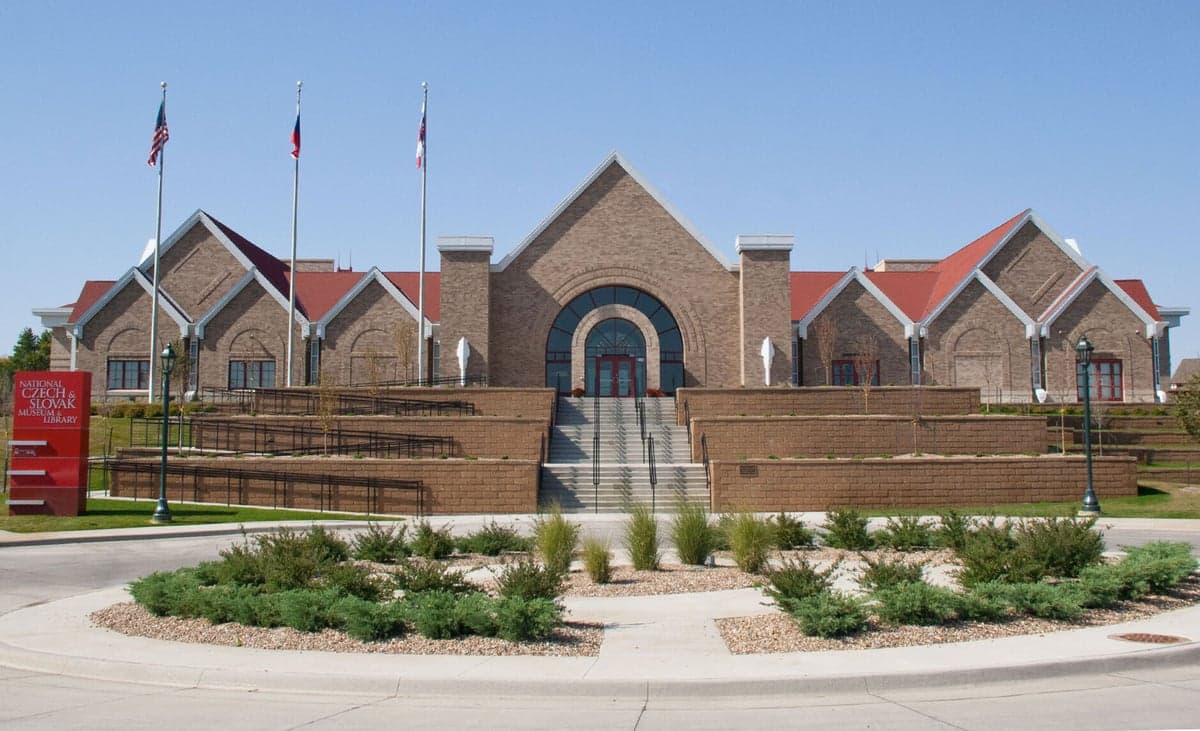
Photo: Wikipedia
Quality of Life in Cedar Rapids, IA
A high quality of life with strong walkability, manageable living costs, healthy neighborhood signals, and solid amenity access.
What does Quality of Life tell us?
Quality of Life blends cost of living, nearby amenities, socioeconomic signals, and neighborhood character. City-level scores represent the whole municipality; individual neighborhoods can differ.
What does this tell us?
Quality of Life blends cost of living, nearby amenities, socioeconomic signals, and neighborhood character. City-level scores represent the whole municipality; individual neighborhoods can differ.
Cost of Living
27% below national average
The Real Cost of Living in Cedar Rapids, IA for 2026
| Tier | Individual | Family (4) |
|---|---|---|
| Survival | $15k | $28k |
| Comfortable | $34k | $51k |
| Luxury | $122k+ | $190k+ |
| Elite (Top 5%) | $144k+ | $223k+ |
134%
The Area Signal
A metric tracking the socioeconomic signals of the area.
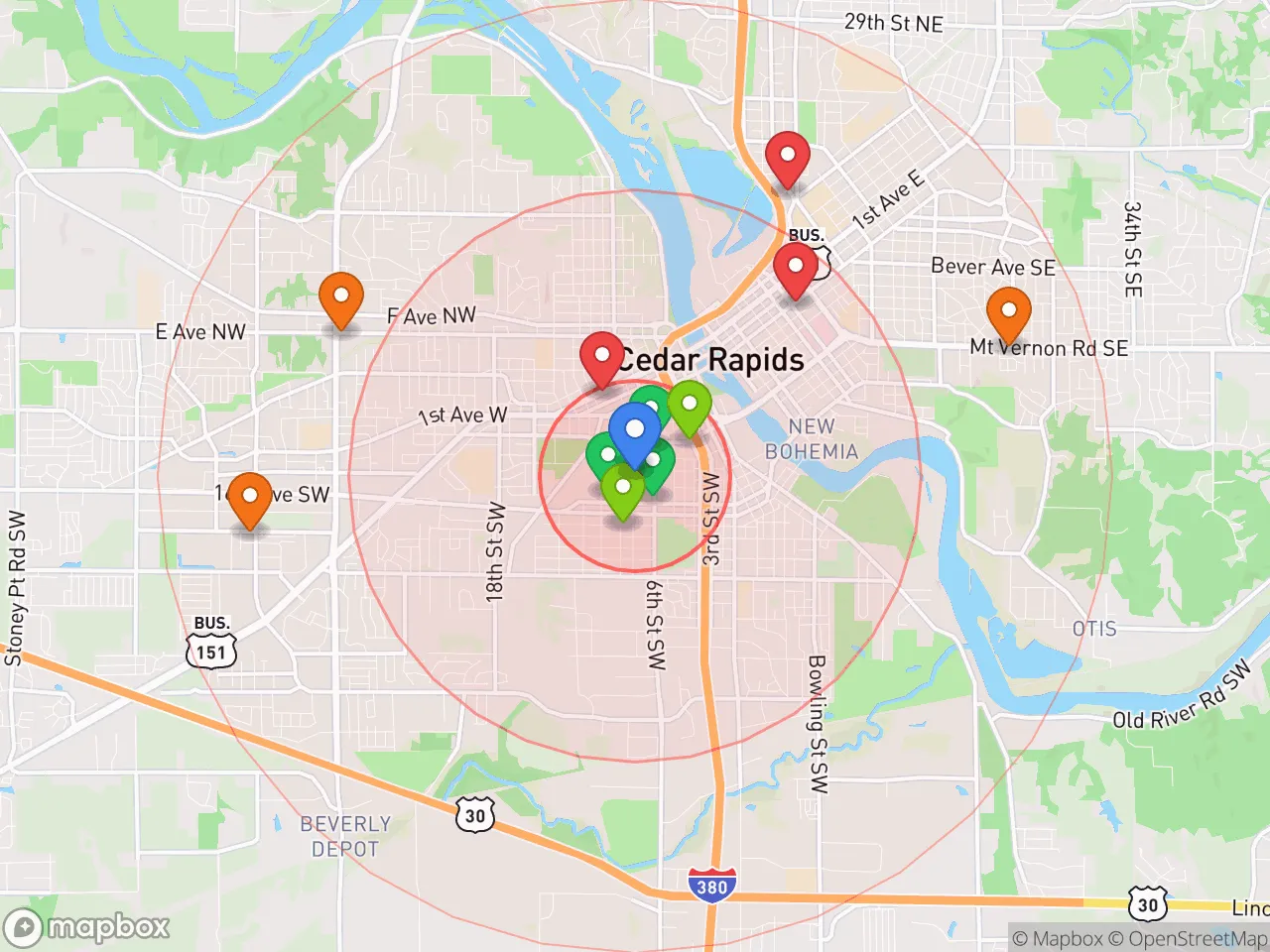
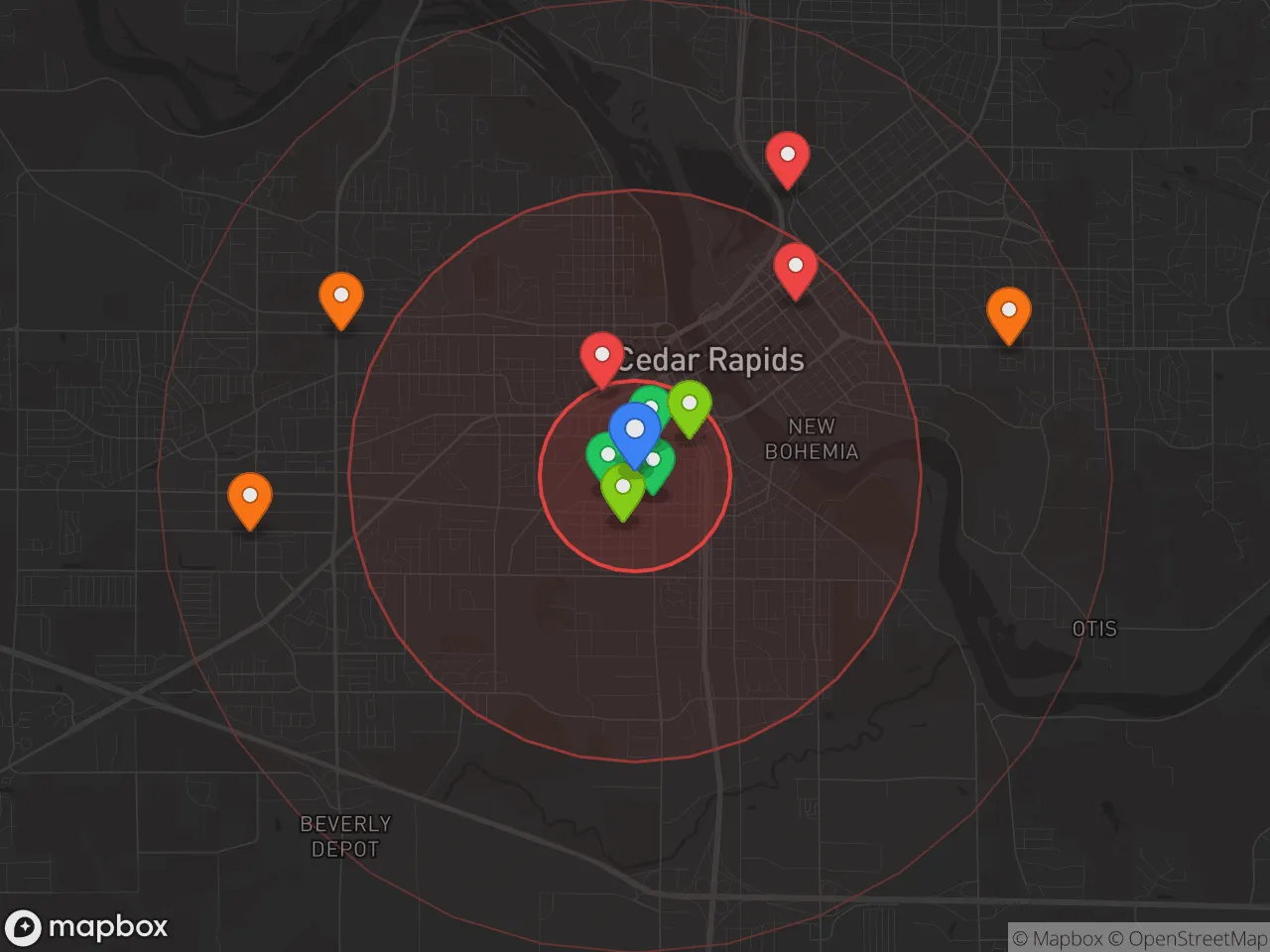
Hobbies
Explore the areaGroceries
4 within 10 miles
Gas
20 within 10 miles
Hospital
4 within 20 miles
Airport
ORD — O'Hare International
Post Office
USPS — Cedar Rapids, IA
Critical Amenities
Quality-of-Life Analysis
Cedar Rapids offers a quality of life defined by genuine affordability and a strong sense of community, attracting a mix of young professionals, growing families, and long-term residents who value economic stability over urban flash. The city’s cost of living index sits at 73, a full 27 points below the national average, making it one of the most budget-friendly metro areas in the Midwest. This financial breathing room draws people from higher-cost states like Illinois and California, as well as Iowans from smaller towns seeking better job opportunities without the sticker shock of Des Moines or Iowa City.
Cost of living, housing affordability, and how it compares to nearby cities
Housing is the primary driver of Cedar Rapids’ low cost of living. The median home value is $177,100, roughly half the national median, while the median rent of $925 is similarly accessible. Compared to Iowa City, just 25 miles south, home values are about 30% lower, and rents are roughly $200 less per month. Even against Des Moines, Cedar Rapids homes run about 15% cheaper. The average commute of 18.2 minutes is notably short, meaning residents spend less on gas and vehicle wear-and-tear than in sprawling metros. Utility costs and grocery prices also track below the national average, though property taxes in Linn County are moderate—around 1.5% of assessed value—so the monthly savings on a mortgage remain substantial.
What daily life is like for families: schools, parks, and local amenities
Daily life in Cedar Rapids centers on a manageable, car-friendly layout with solid public services. The Cedar Rapids Community School District operates 21 elementary schools, 5 middle schools, and 3 comprehensive high schools, with Washington and Kennedy High Schools consistently posting graduation rates above 90%. For younger children, the city’s 80+ parks and the 400-acre Indian Creek Nature Center provide year-round outdoor access without the crowds of larger cities. The NewBo City Market and the Czech Village offer weekend gathering spots with local food and artisan goods, while the Cedar Rapids Museum of Art and the Paramount Theatre anchor the cultural calendar. Healthcare is reliable, with UnityPoint Health-St. Luke’s and Mercy Medical Center both providing full-service emergency and specialty care. The rhythm is unhurried: most errands are a 10-minute drive, and rush-hour traffic is mild by any standard.
Who thrives in Cedar Rapids and what to consider before moving
Cedar Rapids is best suited for people who prioritize financial stability, space, and a slower pace over nightlife or dense urban energy. Remote workers, early-career professionals in manufacturing or insurance (the city hosts major employers like Collins Aerospace and Transamerica), and families with school-age children will find the most to like. Retirees on fixed incomes also benefit from the low housing costs and short commutes. However, those seeking walkable neighborhoods, a robust public transit system, or a vibrant late-night scene may find Cedar Rapids underwhelming. Winters are cold and snowy, with average January highs around 27°F, so seasonal weather is a genuine factor. For anyone willing to trade urban intensity for financial breathing room and a tight-knit community, Cedar Rapids delivers a quality of life that is both practical and quietly rewarding.

Crime in Cedar Rapids, IA
Crime rates similar to the national median for U.S. locations.
Violent CrimeViolent Crime Analysis
Property CrimeProperty Crime Analysis
Crime Analysis
Cedar Rapids presents a mixed safety profile that requires careful consideration for potential movers. The city's violent crime rate stands at 229.1 incidents per 100,000 residents, while property crime occurs at a significantly higher 1,163.4 per 100,000. These figures place Cedar Rapids in a middle tier for safety within Iowa, but the underlying policy environment raises specific concerns about long-term crime trends and public security.
Crime in context
Compared to national averages, Cedar Rapids fares better on violent crime — the U.S. rate was roughly 380 per 100,000 in recent years — but its property crime rate exceeds the national figure of approximately 1,100 per 100,000. Within Iowa, Cedar Rapids reports higher crime than smaller cities like Coralville or North Liberty, though it remains below the rates seen in Des Moines. A critical factor for residents is the judicial philosophy in Linn County. The area operates under a progressive prosecutorial approach that emphasizes alternatives to incarceration and reduced sentencing for nonviolent offenders. While intended to reduce recidivism, this approach has been linked in other jurisdictions to higher rates of repeat property crime and a perception that consequences are minimal. For a city of Cedar Rapids' size, the combination of elevated property crime and a lenient justice system creates a tangible risk for homeowners and renters alike.
What residents experience
Daily life in Cedar Rapids is shaped most directly by property crime. Vehicle break-ins, package thefts, and burglaries are the most commonly reported incidents, particularly in neighborhoods near downtown and along major corridors like First Avenue. Violent crime is less frequent but not absent; it tends to concentrate in specific areas, including parts of the Mound View and Wellington Heights neighborhoods. Residents often report feeling safe in their homes but express wariness about leaving vehicles or valuables unattended. The city's police department has implemented community policing initiatives, but staffing levels have not kept pace with population growth, leading to slower response times for non-emergency property crimes. For families, the practical impact means investing in security systems, joining neighborhood watch programs, and remaining vigilant about locking doors and vehicles — precautions that are less necessary in nearby smaller communities.
Neighborhood-level variation is significant. The most affluent areas, such as the Country Club and Bever Park neighborhoods, report crime rates well below the city average, while the central and near-east sides see higher incident numbers. Suburban communities like Hiawatha and Robins offer substantially lower crime rates while remaining within a short commute of Cedar Rapids' jobs and amenities. For those prioritizing safety, these adjacent towns provide a buffer from the city's property crime challenges while still granting access to the regional economy.
* Values derived from national, state, county, city and local statistics and may differ in a specific area. Last updated: 2026-04-30T03:30:48.000Z
Narrative content on this page is AI-generated and may contain mistakes. Verify any details that matter before acting on them.
ReloMaps may earn a commission from affiliate links at no extra cost to you.

