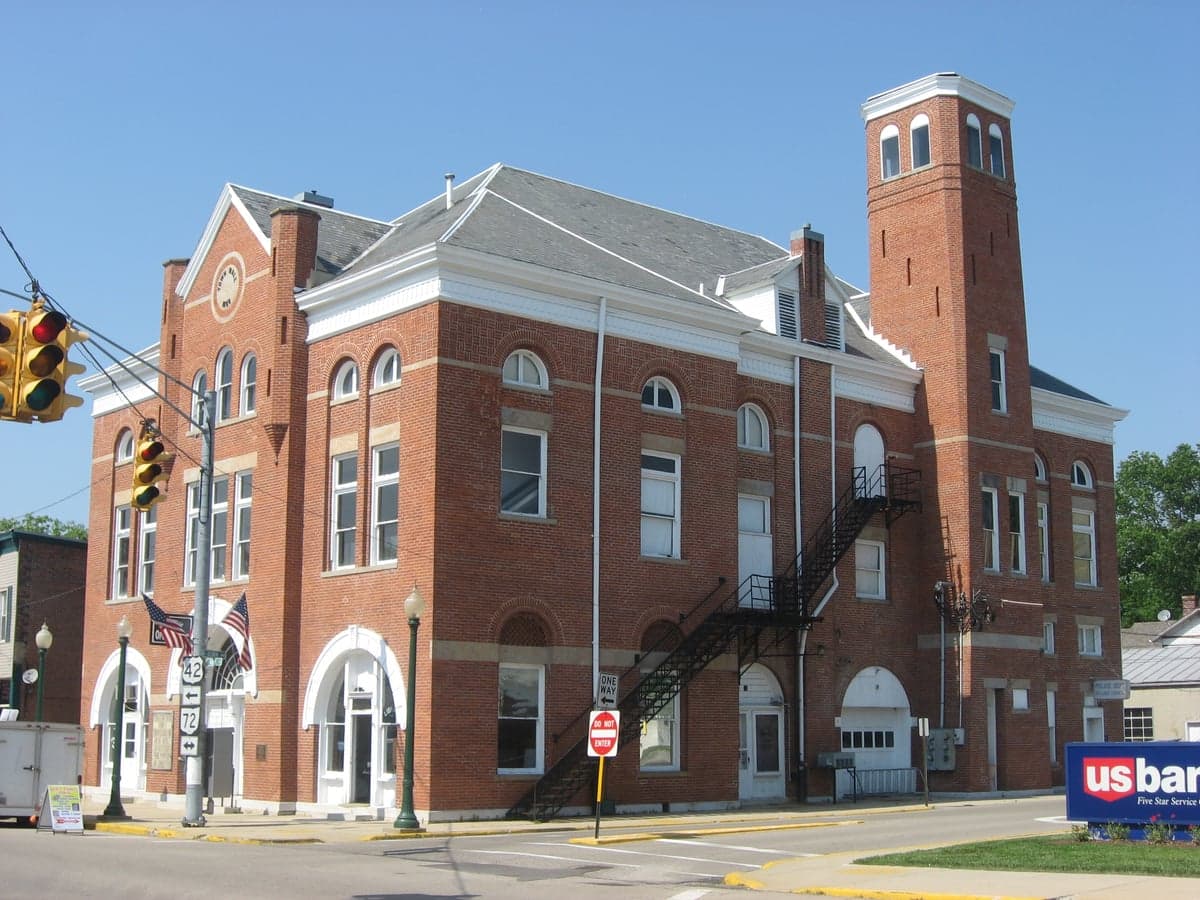
Photo: Wikipedia
Quality of Life in Cedarville, OH
Above-average quality of iife. The area offers a reasonable cost of living, decent mobility, and a mix of neighborhood amenities.
What does Quality of Life tell us?
Quality of Life blends cost of living, nearby amenities, socioeconomic signals, and neighborhood character. City-level scores represent the whole municipality; individual neighborhoods can differ.
What does this tell us?
Quality of Life blends cost of living, nearby amenities, socioeconomic signals, and neighborhood character. City-level scores represent the whole municipality; individual neighborhoods can differ.
Cost of Living
31% below national average
The Real Cost of Living in Cedarville, OH for 2026
| Tier | Individual | Family (4) |
|---|---|---|
| Survival | $13k | $24k |
| Comfortable | $37k | $55k |
| Luxury | $84k+ | $130k+ |
| Elite (Top 5%) | $99k+ | $153k+ |
98%
The Area Signal
A metric tracking the socioeconomic signals of the area.
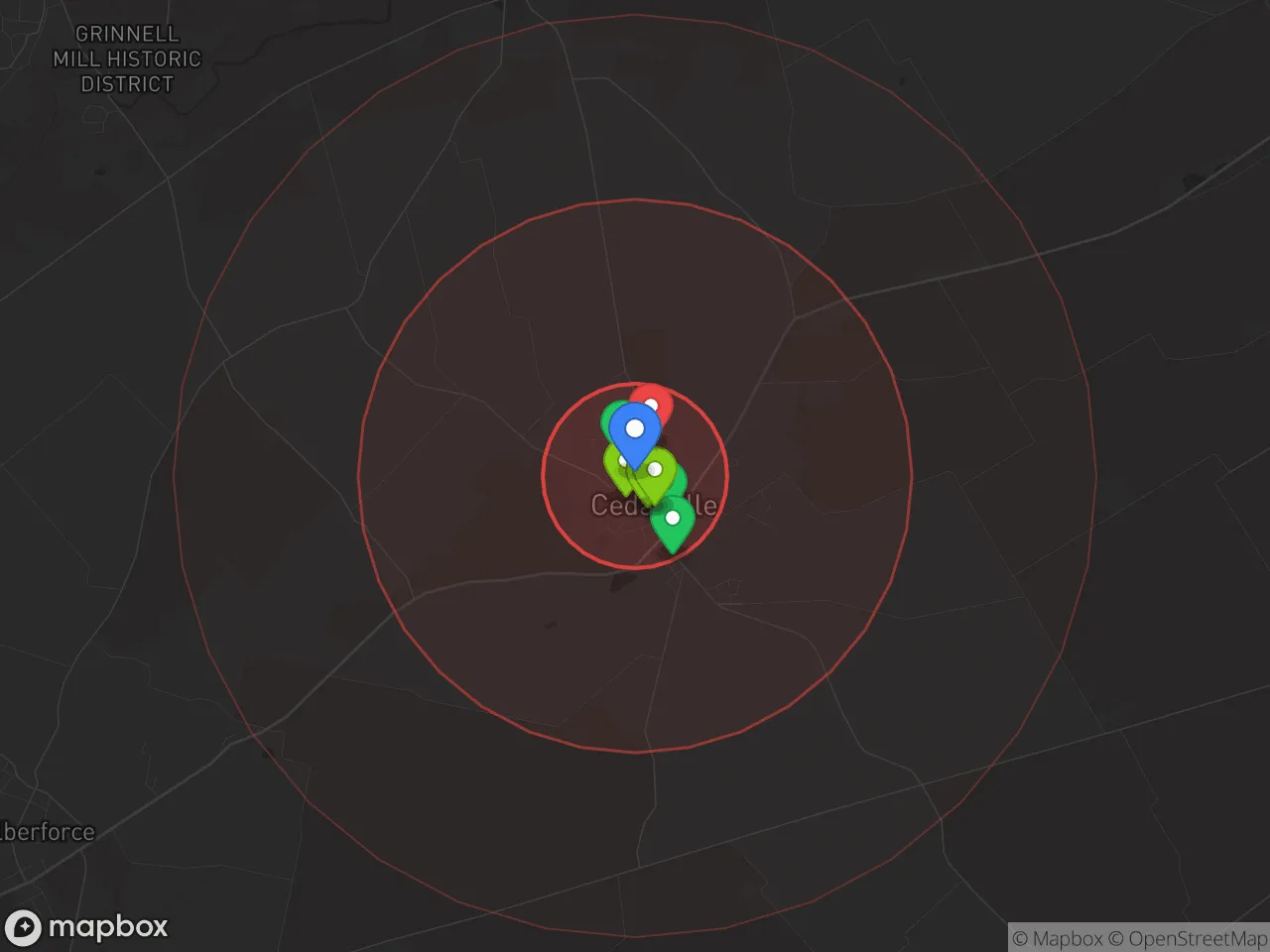
Hobbies
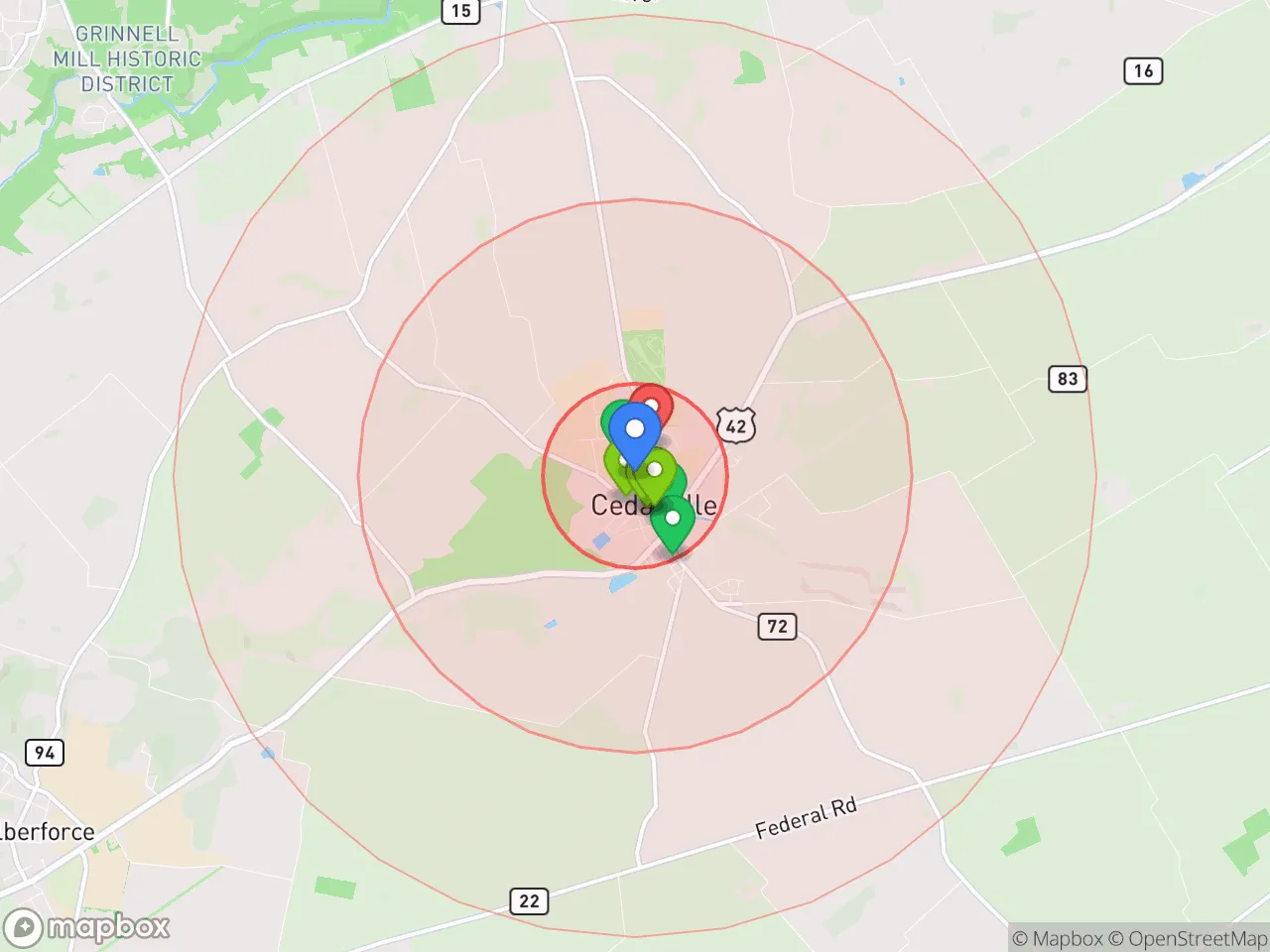
Explore the areaGroceries
3 within 10 miles
Gas
20 within 10 miles
Hospital
8 within 20 miles
Airport
John Glenn Columbus International Airport
Post Office
USPS — Cedarville, OH
Critical Amenities
Quality-of-Life Analysis
Cedarville, Ohio, presents a distinctive quality-of-life profile defined by its blend of small-town affordability and the intellectual and cultural influence of Cedarville University. With a cost of living index of 69—31% below the national average—the village attracts a population that is notably educated, family-oriented, and values-driven. The community is anchored by the university, which shapes the local economy, social calendar, and demographic makeup, creating a place where conservative Christian values, academic life, and rural Ohio practicality intersect.
Cost of living, housing, and affordability compared to nearby Dayton and Columbus
Cedarville’s affordability is its most striking quality-of-life advantage. The median home value of $191,200 is dramatically lower than the national median of roughly $420,000, and significantly undercuts nearby major metros: Dayton’s median is around $165,000 (slightly lower), but Columbus’s median exceeds $300,000. For renters, the median monthly rent of $805 is roughly half the national average and well below the $1,200+ typical in Columbus suburbs. This low housing cost, combined with a COL index of 69, means that a household earning a modest $50,000 can afford a comfortable single-family home here—a near-impossibility in central Ohio’s hotter markets. The trade-off is a limited housing inventory, with few new developments and a stock dominated by older homes and university-adjacent rentals. The average commute of just 13.2 minutes is a major perk, reflecting the village’s compact layout and the fact that many residents work locally at the university, nearby schools, or in Xenia and Springfield, avoiding the 30-45 minute commutes common to Columbus exurbs.
Local amenities, schools, and what daily life is like for families
Daily life in Cedarville revolves around the university campus and a walkable, historic downtown. The Cedar Cliff Local School District serves the village, with Cedarville Elementary and Cedarville High School consistently rated above average on state tests, though they lack the specialized programs of larger suburban districts. The university itself is a major amenity, offering a performing arts center, a fitness and recreation complex open to the community, and a steady stream of lectures, concerts, and sporting events. For everyday needs, residents rely on a small grocery store, a handful of locally owned restaurants (like the popular Cedarville Station), and a few retail shops. For major shopping, healthcare, or entertainment, residents drive 15 minutes to Xenia or 20 minutes to Beavercreek, which has a full-service hospital and a Costco. The village’s parks—particularly the 40-acre Cedarville Community Park with its walking trails and sports fields—are well-maintained and heavily used by families. The rhythm of life is distinctly seasonal and quiet, with the university’s academic calendar dictating traffic and activity levels; summers are notably slower, while fall brings a surge of energy from returning students.
This environment is best suited for families and professionals who prioritize a low-stress, affordable, and community-oriented lifestyle over urban amenities or career diversity. Cedarville is an ideal fit for university faculty and staff, remote workers who want a low cost of living, and conservative Christian families seeking a safe, values-aligned community with good schools and short commutes. It is less suited for single young professionals seeking nightlife, diverse dining, or a fast-paced social scene, as the village offers little beyond the university bubble. For those who value quiet streets, neighborly familiarity, and financial breathing room, Cedarville delivers a quality of life that larger, pricier cities cannot match.

Crime in Cedarville, OH
Crime rates similar to the national median for U.S. locations.
Violent CrimeViolent Crime Analysis
Property CrimeProperty Crime Analysis
Crime Analysis
Cedarville, Ohio, reports a violent crime rate of 268 incidents per 100,000 residents and a property crime rate of 1,369.9 per 100,000, placing it in a moderate safety tier for a village of its size. While these figures are not alarmingly high on a national scale, they warrant careful consideration, particularly given Cedarville’s proximity to the larger, more liberal-leaning metro area of Dayton. The broader regional context, including progressive prosecutorial policies in surrounding counties, can influence local crime dynamics and recidivism rates, making it essential for prospective residents to look beyond the raw numbers.
Crime in context
Cedarville’s violent crime rate of 268 per 100K is roughly 27% lower than the national average of about 367 per 100K, but it sits above the typical rate for rural Ohio villages, which often fall below 200 per 100K. The property crime rate of 1,369.9 per 100K is approximately 20% below the U.S. average of 1,700 per 100K, yet it is elevated compared to many of Greene County’s smaller, more isolated communities. This disparity is partly attributable to Cedarville’s location along U.S. Route 42 and its proximity to I-70, which increases transient traffic and opportunistic theft. More critically, the influence of progressive criminal justice policies in nearby Dayton—where district attorneys have adopted bail reform and diversion programs—can create a spillover effect, as offenders released in the metro area may target less policed suburbs and villages like Cedarville.
What residents experience
Residents report that property crime, particularly vehicle break-ins and package theft, is the most common safety concern, especially near the university district and rental-heavy neighborhoods. Violent crime is rare but not absent; incidents tend to be concentrated among individuals known to one another rather than random attacks on the public. The local police department maintains a visible presence, and the village’s small size (roughly 4,000 residents) fosters a community watch dynamic. However, the broader regional trend of lenient sentencing for repeat property offenders in the Dayton metro area means that Cedarville can experience cycles of theft by individuals who cycle through the justice system without meaningful consequences. This is a direct outcome of a justice philosophy that prioritizes offender rehabilitation over public safety, a factor that should give pause to families and retirees seeking a low-crime environment.
Neighborhood-level variation is significant. The area around Cedarville University, which hosts a large student population, sees higher rates of petty theft and alcohol-related incidents, while the established residential streets west of Main Street report very low crime. The village’s eastern edge, closer to the Xenia and Dayton corridors, experiences slightly elevated property crime due to easier access for transient offenders. For those considering a move, homes in the central and western neighborhoods offer the safest daily experience, while rental properties near campus require more vigilance. Overall, Cedarville’s crime profile is manageable but shaped by the progressive policies of the larger metro area it borders—a dynamic that demands ongoing attention from both law enforcement and residents.
* Values derived from national, state, county, city and local statistics and may differ in a specific area. Last updated: 2026-08-19T02:05:25.000Z
Narrative content on this page is AI-generated and may contain mistakes. Verify any details that matter before acting on them.
ReloMaps may earn a commission from affiliate links at no extra cost to you.

