 Popular
Photo: Wikipedia
Find The Best Places To Live
in Springfield
PRO TIP! You can paste a Zillow or Redfin link to get info on that property.
What It's Like Living in Springfield, OH
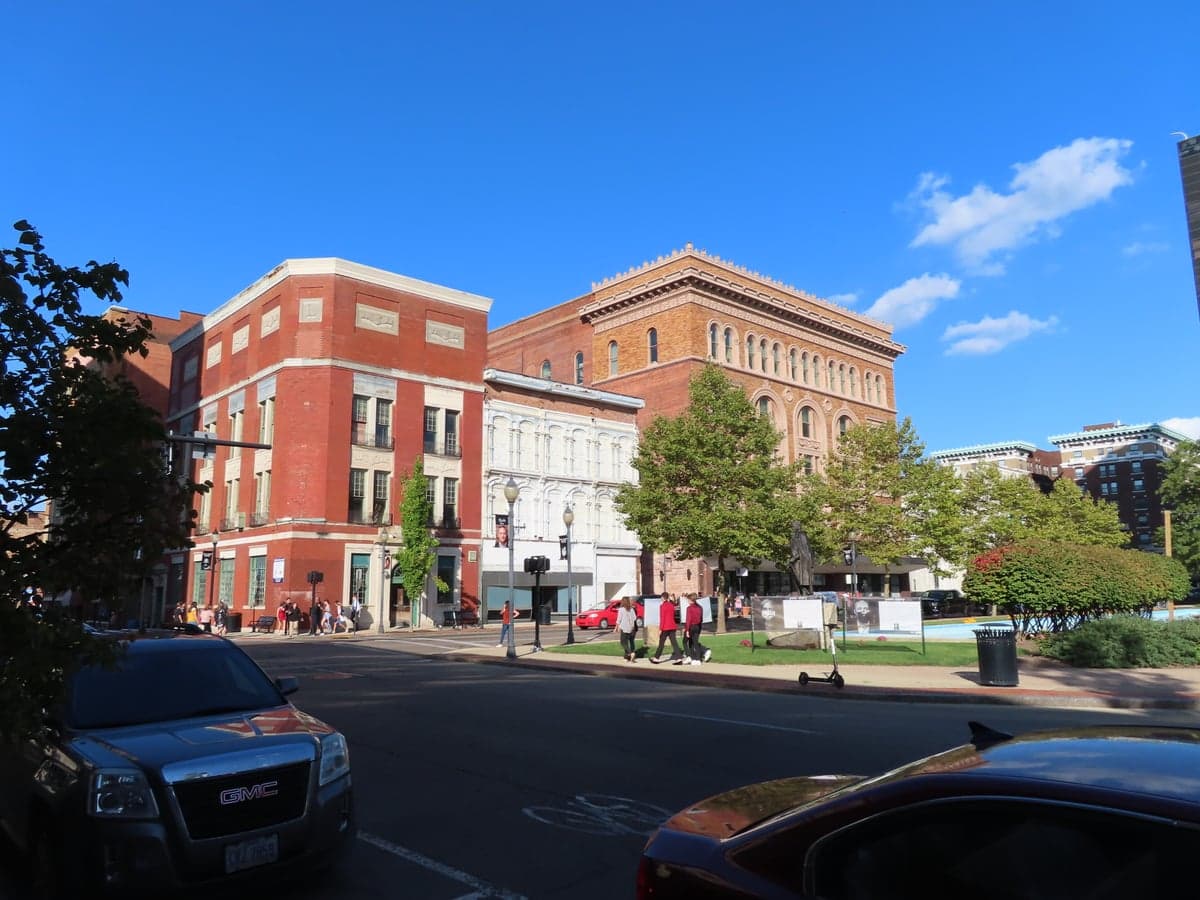
Springfield, Ohio, has a working-class, Midwestern feel that’s more about steady routines than flashy trends. It’s the kind of place where people know their neighbors, high school football on Friday nights is a genuine event, and you can still buy a decent house for around $107,000. The city’s identity is rooted in its manufacturing history and a quiet resilience, but it’s also grappling with real challenges that shape daily life for the 58,410 residents who call it home.
The Daily Rhythm: What Life Actually Looks Like
A typical weekday in Springfield moves at a slower pace than in Columbus, which is about 45 minutes east. The average commute is just over 20 minutes, so most people spend less time in traffic and more time at home or running errands. You’ll see folks grabbing coffee at Dough Boy’s Donuts on North Limestone Street or picking up groceries at the local Kroger. Weekends often revolve around yard work, visiting one of the city’s many parks—like the sprawling Snyder Park with its disc golf course and walking trails—or heading to a youth sports game. The median age here is 37.8, which tilts slightly older than the national average, and the median household income of $45,883 reflects a community where many work in manufacturing, healthcare, or logistics. It’s not a place for high-fliers; it’s a place for people who value affordability and a slower pace over career ambition or nightlife.
Sports, Community, and the Local Identity
High school sports are a big deal in Springfield, and Springfield High School’s football games draw crowds that pack the stands on autumn Fridays. There’s no major professional team in town, but residents are split between rooting for the Cincinnati Reds or Cleveland Guardians in baseball, and the Ohio State Buckeyes are a near-religion for college football. The city’s own Springfield Sliders (a collegiate summer baseball team) offer cheap, family-friendly games at Carleton Davidson Stadium. The biggest annual event is the Clark County Fair in July, which brings in carnival rides, livestock shows, and a sense of small-town pride. There’s also the Springfield Arts Council’s Summer Arts Festival at Veterans Park, where free concerts and movies run through the warm months. Culturally, Springfield has a strong sense of “we take care of our own,” but it’s not a place that’s big on pretension or keeping up appearances.
What’s There to Do (and What’s Missing)
Entertainment options are modest but solid for a city this size. The State Theater on South Fountain Avenue hosts live music and comedy shows, and the Heritage Center of Clark County museum gives a good look at the area’s industrial past. For outdoorsy types, Buck Creek State Park is a 15-minute drive and offers fishing, boating, and a beach on the lake. The food scene leans heavily on comfort food: Schuler’s Bakery is a local institution for donuts and pastries, while Mela Urban Bistro serves upscale American fare in a converted downtown building. Bars like The Saloon on South Limestone are where locals unwind after work. What’s missing is variety—there’s no major music venue, no trendy shopping district, and the restaurant scene can feel repetitive after a while. For a big night out, most people drive to Columbus or Dayton. The cost of living index is a striking 57 (100 is the US average), which means your dollar goes far, but that low number also reflects limited services and amenities.
Pros and Cons of Living Here
- What longtime residents love: The affordability is the biggest draw—a median home value of $107,600 means you can buy a house outright for what a down payment costs in many cities. The short commute and low traffic are a daily relief. There’s a genuine sense of community, especially around schools and churches, and the pace of life lets you breathe.
- What frustrates them: The violent crime rate is 1,232.2 per 100,000 residents, which is more than double the national average and a real concern, especially in certain neighborhoods. Only 14.5% of adults have a college degree, which limits the local job market to mostly blue-collar and service roles. The weather is typical Ohio—humid summers, gray winters, and not much spring or fall—and the city has struggled with economic stagnation since the decline of manufacturing. Downtown can feel empty after 6 PM, and there’s a palpable sense that the best days are behind it for some older residents.
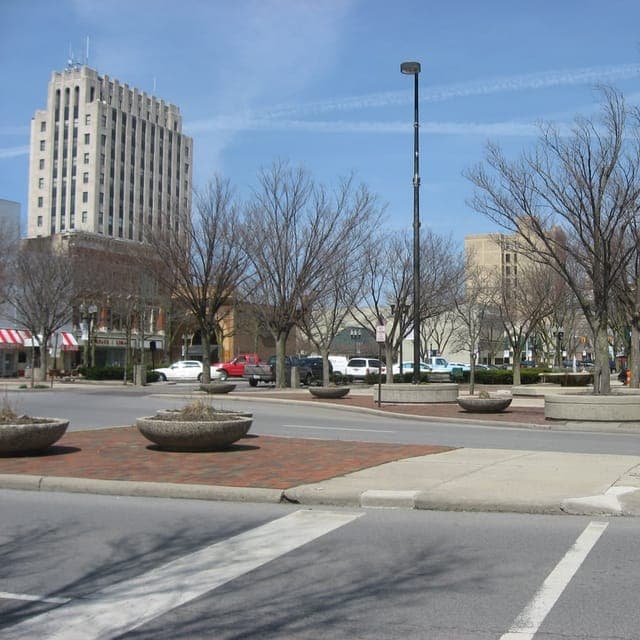
Springfield is a place that rewards people who are looking for a low-cost, low-stress base camp rather than a vibrant, opportunity-rich city. It works best for families who want a decent school system (the public schools are a mixed bag, but several private options exist) and for single people who don’t mind driving to Columbus for a date night or a concert. The city has a quiet dignity, but it’s not for everyone—you have to be okay with trade-offs. If you’re the kind of person who values a cheap mortgage over a packed social calendar, Springfield might feel like home.

Similar small cities to Springfield
* Values derived from national, state, county, city and local statistics and may differ in a specific area. Last updated: 2026-04-21T19:28:11.000Z
Narrative content on this page is AI-generated and may contain mistakes. Verify any details that matter before acting on them.
ReloMaps may earn a commission from affiliate links at no extra cost to you.

