Photo: Wikipedia
Demographics of Central Falls, RI
Affluence Level in Central Falls, RI
A below-average socioeconomic profile. Incomes, home values, and educational attainment trail the U.S., with higher poverty and unemployment.
People of Central Falls, RI
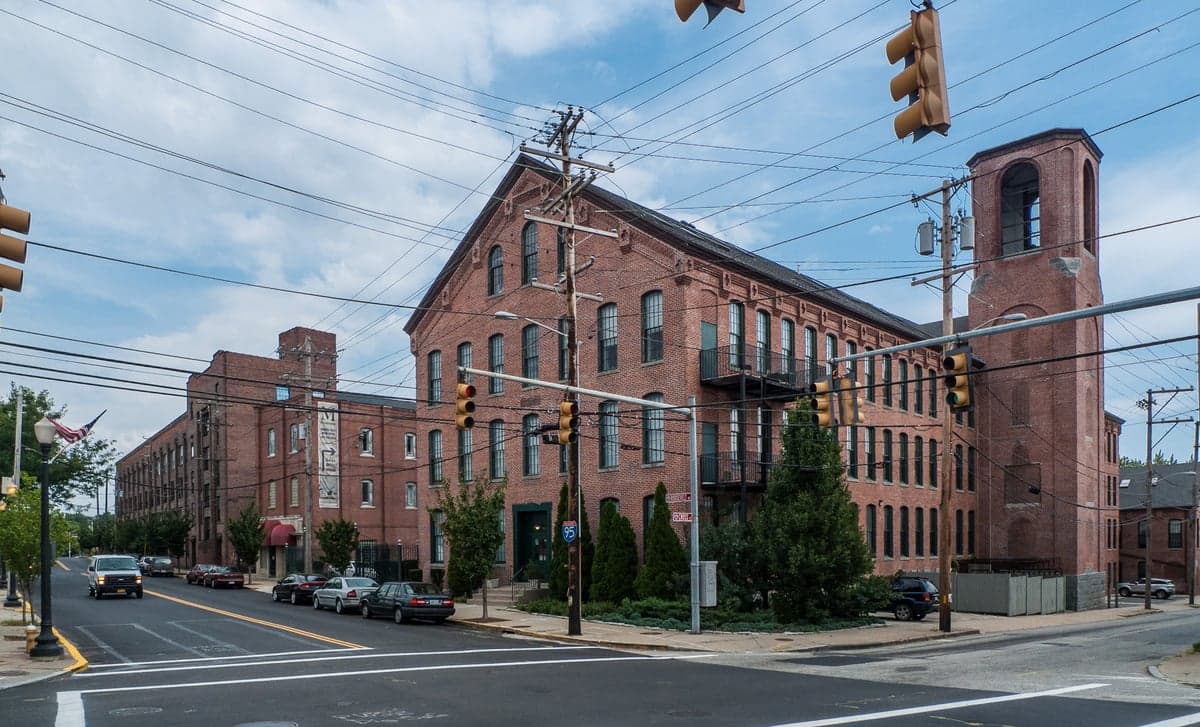
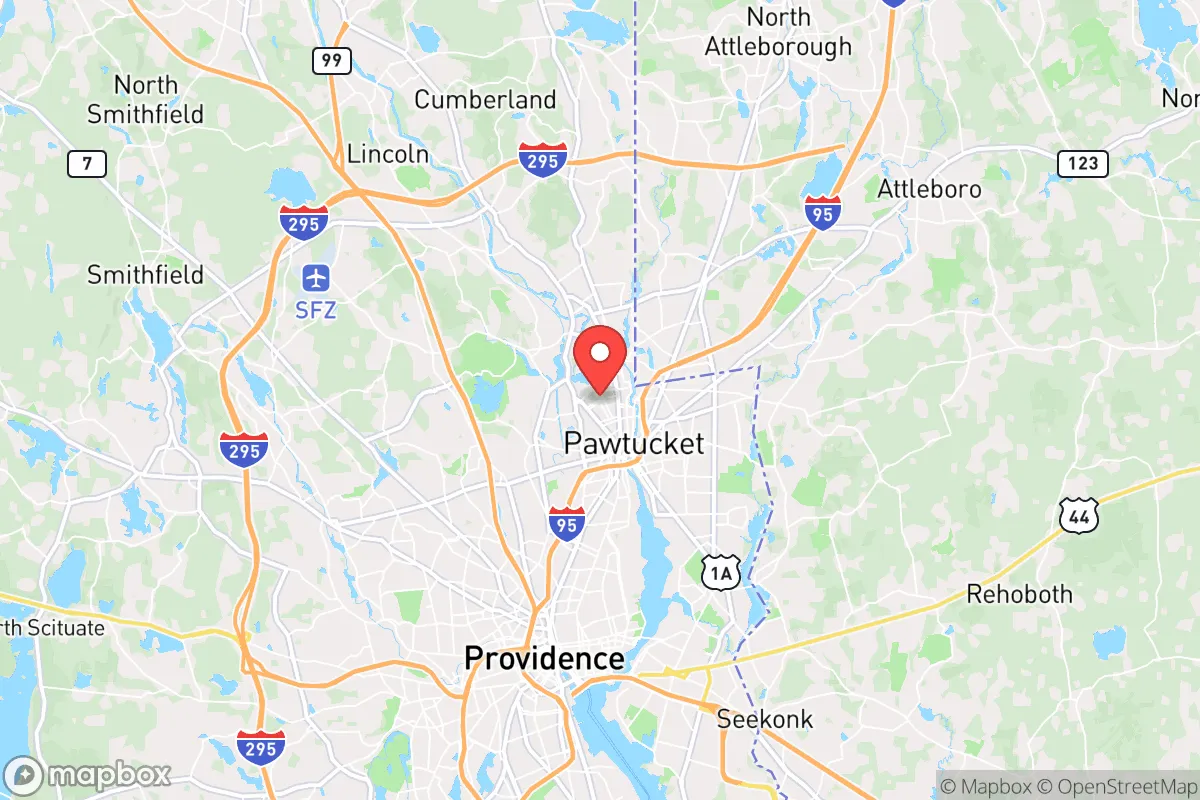
Central Falls, Rhode Island, is a densely packed city of 22,481 residents where nearly 70% of the population identifies as Hispanic, making it one of the most Latino-majority cities in New England. With a foreign-born rate of 27.8% and a college-attainment level of just 11.5%, the city is defined by a working-class, immigrant-driven character that is both its strength and its challenge. The population is overwhelmingly young and family-oriented, but the city also grapples with the highest population density in the state—over 20,000 people per square mile—creating a tight-knit, urban feel that is distinct from the suburban sprawl of neighboring Pawtucket or Attleboro.
How the city was settled and grew
Central Falls was originally part of the larger town of Smithfield before incorporating as a separate city in 1895. Its growth was driven entirely by the Industrial Revolution, specifically the Blackstone River's water power. The first major wave of settlers were French-Canadian mill workers who arrived in the 1840s-1870s, building homes in what is now the Broad Street corridor and the Highland Avenue area. They were followed by Irish immigrants fleeing the Great Famine, who clustered near the mills along the river in the Lonsdale district. By the early 1900s, Polish and Italian immigrants arrived, establishing tight ethnic enclaves in the Cross Street and Dexter Street neighborhoods. These groups built the city's Catholic parishes—St. Joseph's, St. Matthew's—and the dense triple-decker housing stock that still defines the city's skyline. The city peaked at around 27,000 residents in the 1920s, then began a slow decline as the textile mills moved south after World War II.
Modern era (post-1965)
The 1965 Hart-Cellar Act dramatically reshaped Central Falls. The city's aging, affordable housing stock and proximity to Providence's service economy attracted a new wave of immigrants, this time from Puerto Rico and the Dominican Republic. By 1980, the Hispanic share of the population had jumped to roughly 20%; by 2000, it exceeded 50%. The Broad Street corridor became the commercial and cultural spine of the new Latino majority, lined with bodegas, Dominican bakeries, and Pentecostal churches. The Highland Avenue area, once French-Canadian, now houses a mix of second-generation Hispanic families and newer arrivals from Guatemala and Colombia. The Black population (7.9%) is concentrated in the Dexter Street and Cross Street areas, largely descended from African American families who moved north during the Great Migration and later waves from Liberia and Cape Verde. The East/Southeast Asian population (0.1%) is negligible, and Indian-subcontinent residents (0.0%) are essentially absent—a notable contrast to nearby Providence. The white population (16.1%) is now mostly elderly, concentrated in the Lonsdale district, with many of their children having left for the suburbs of Lincoln or Cumberland.
The future
Central Falls is becoming more, not less, Hispanic. The Hispanic share has risen from 60% in 2010 to 69.3% today, and the foreign-born rate (27.8%) remains high, suggesting continued immigration from Latin America. The city is not homogenizing into a single Latino bloc, however—it is tribalizing into distinct enclaves: Dominicans dominate the Broad Street area, Puerto Ricans are more dispersed but concentrated in the Highland Avenue public housing complexes, and newer Guatemalan and Salvadoran arrivals are settling in the Cross Street tenements. The white population is aging and shrinking, with few young white families moving in. The Black population is stable but not growing. The college-attainment rate (11.5%) is the lowest in Rhode Island, which limits upward mobility and keeps the city's median household income around $35,000—well below the state average. Over the next 10-20 years, Central Falls will likely remain a predominantly Hispanic, working-class city, with a growing second generation that may begin to move to the suburbs as they achieve economic stability.
For a conservative-leaning individual or family considering a move, Central Falls offers the lowest housing costs in Rhode Island and a strong sense of community, but it comes with trade-offs: low educational attainment, high density, and a demographic trajectory that is overwhelmingly Latino. The city is not gentrifying in the way that Providence or Pawtucket are; it is solidifying its identity as a Hispanic-majority, immigrant gateway city. If you value ethnic diversity and urban energy, it is a viable option. If you prioritize high-performing schools or a suburban lifestyle, you will likely look elsewhere.

* Values derived from national, state, county, city and local statistics and may differ in a specific area. Last updated: 2026-04-29T20:46:08.000Z
Narrative content on this page is AI-generated and may contain mistakes. Verify any details that matter before acting on them.
ReloMaps may earn a commission from affiliate links at no extra cost to you.

