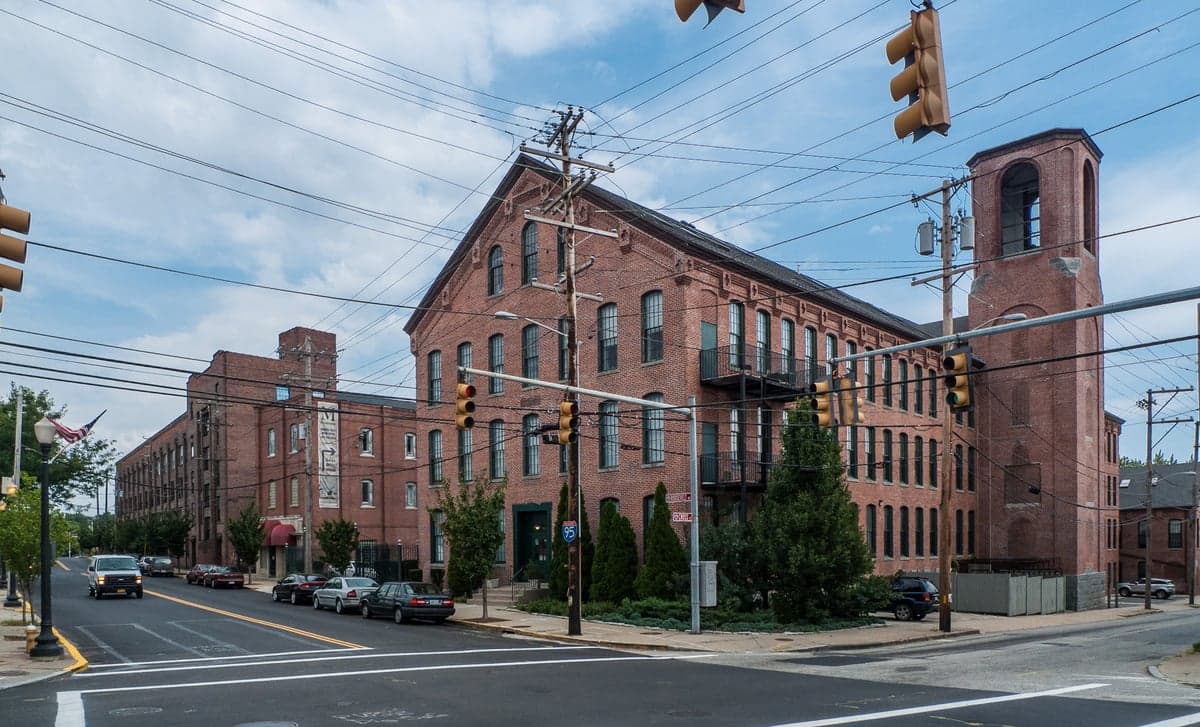
Photo: Wikipedia
Quality of Life in Central Falls, RI
A high quality of life with strong walkability, manageable living costs, healthy neighborhood signals, and solid amenity access.
What does Quality of Life tell us?
Quality of Life blends cost of living, nearby amenities, socioeconomic signals, and neighborhood character. City-level scores represent the whole municipality; individual neighborhoods can differ.
What does this tell us?
Quality of Life blends cost of living, nearby amenities, socioeconomic signals, and neighborhood character. City-level scores represent the whole municipality; individual neighborhoods can differ.
Cost of Living
The Real Cost of Living in Central Falls, RI for 2026
| Tier | Individual | Family (4) |
|---|---|---|
| Survival | $18k | $34k |
| Comfortable | $51k | $75k |
| Luxury | $75k+ | $117k+ |
| Elite (Top 5%) | $89k+ | $137k+ |
61%
The Area Signal
A metric tracking the socioeconomic signals of the area.
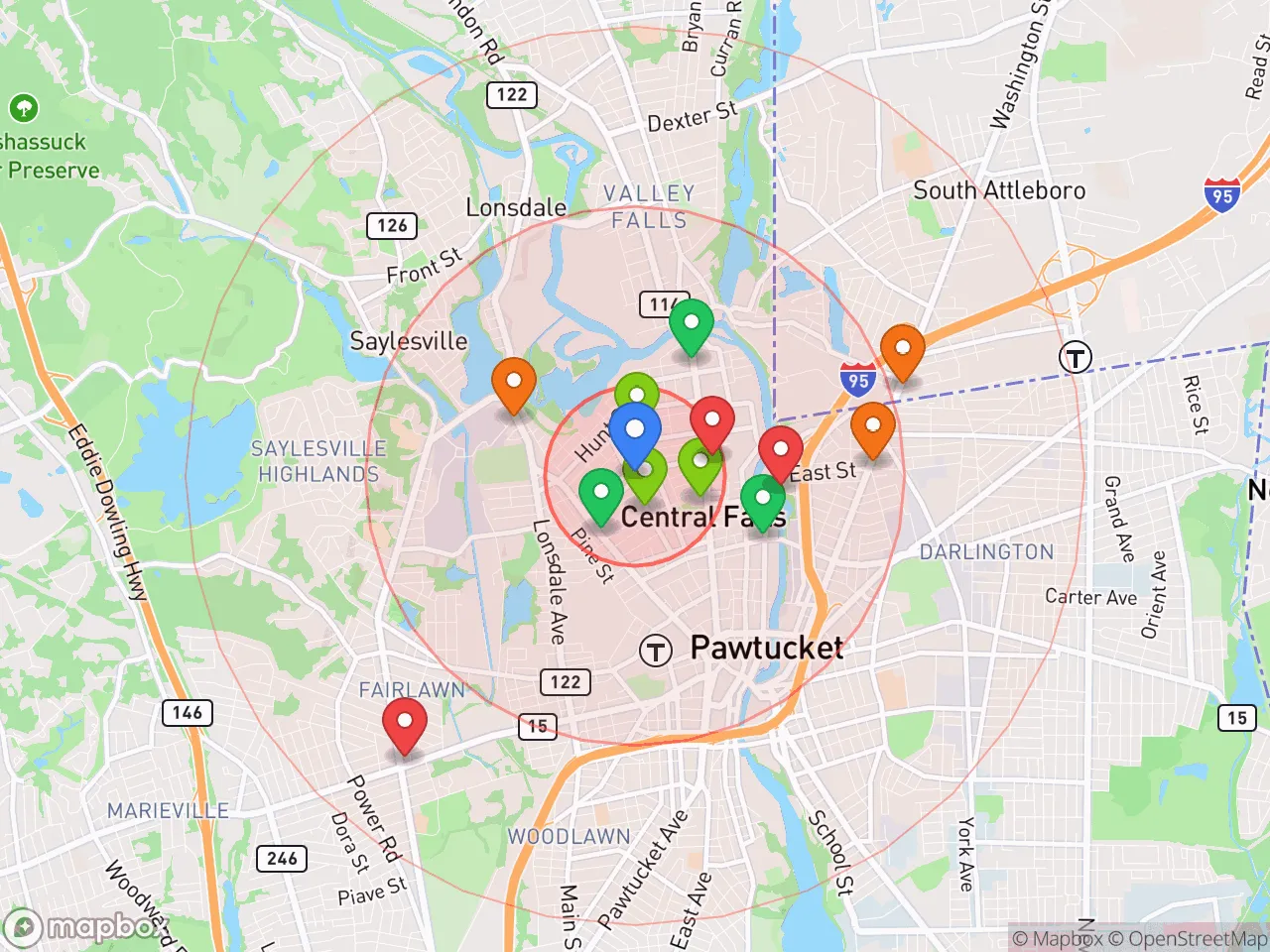
Hobbies
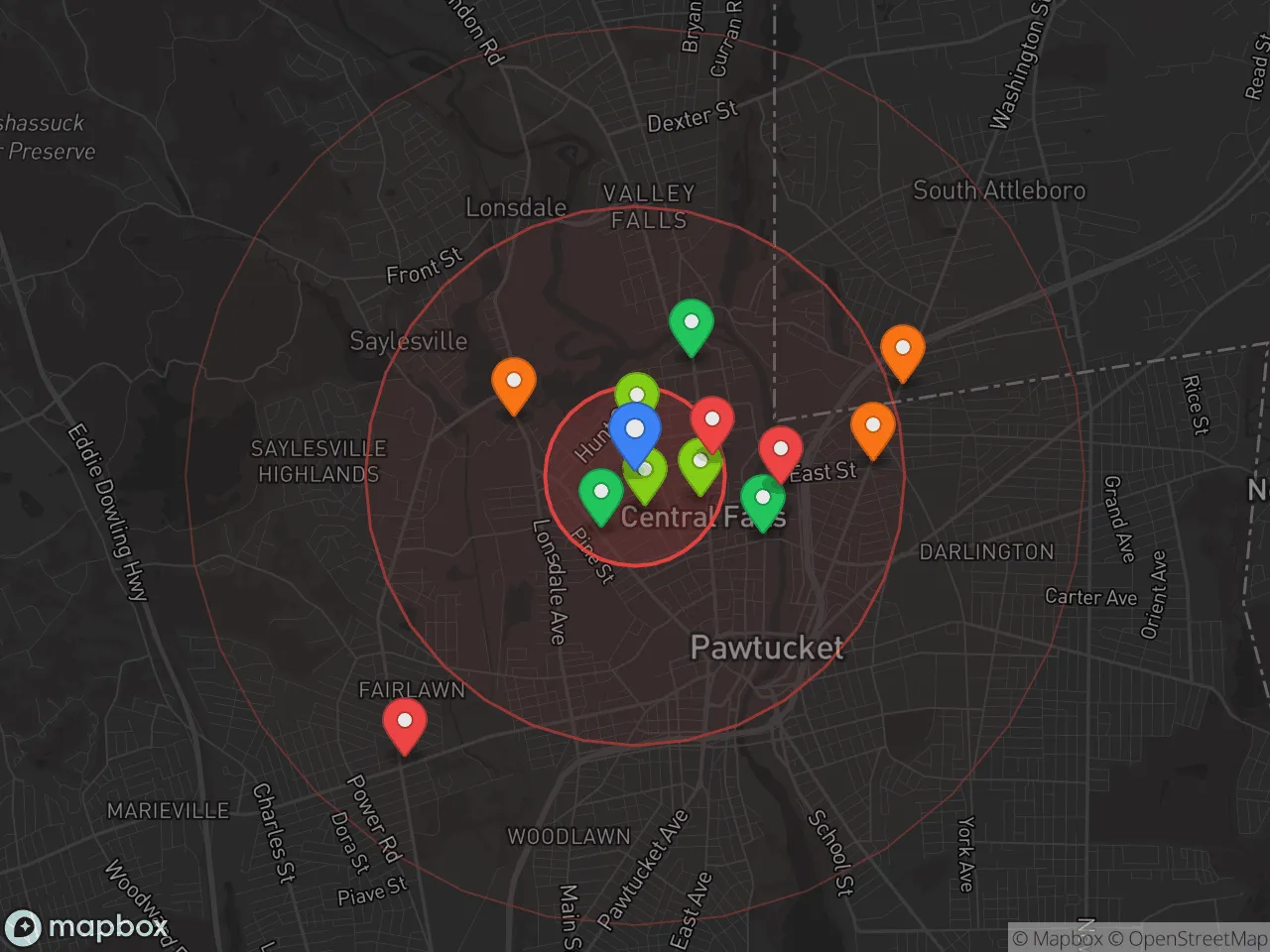
Explore the areaGroceries
7 within 10 miles
Gas
20 within 10 miles
Hospital
20 within 20 miles
Airport
PDX — Portland International Jetport
Post Office
USPS — Central Falls, RI
Critical Amenities
Quality-of-Life Analysis
Central Falls, Rhode Island, presents a unique quality-of-life profile as one of the state's most densely populated and economically modest cities, standing in stark contrast to the affluence of nearby coastal enclaves like Barrington or Newport. With a cost of living index at exactly 100 (matching the U.S. average), the city attracts a diverse, predominantly working-class population, including a large Hispanic community and recent immigrants drawn by affordable housing and proximity to Providence's job market. While the city lacks the high median incomes of its neighbors, it offers a gritty, urban authenticity and a tight-knit community fabric that appeals to those prioritizing budget-friendly living over suburban sprawl.
How housing costs and affordability compare to Providence and Pawtucket
Central Falls is one of the most affordable places to live in the Providence metropolitan area, with a median home value of $300,500—roughly 30% lower than the Rhode Island state median of about $430,000. This makes it a realistic entry point for first-time homebuyers priced out of Providence (median ~$415,000) or Pawtucket (~$350,000). Renters also benefit: the median rent of $1,118 is well below the state average of $1,400 and significantly cheaper than Providence's typical $1,600. However, the trade-off is clear: housing stock is older (much of it pre-1950), and the city's small 1.2-square-mile footprint means limited yard space and street parking. The average commute of 24.8 minutes is shorter than the national average (26.4 minutes), reflecting easy access to I-95 and the Providence/Pawtucket job corridor, though public transit via RIPTA buses is the primary option for car-free households.
What daily life is like for families: schools, parks, and local amenities
Daily life in Central Falls revolves around a dense, walkable core where residents can reach grocery stores, bodegas, and the city's main commercial strip along Broad Street on foot. The Central Falls School District operates four elementary schools, one middle school, and one high school, with Central Falls High School offering bilingual programs and a career academy track. For recreation, the city maintains several small parks—Jenks Park is the largest, featuring a historic clock tower and a splash pad for summer cooling. Healthcare access is bolstered by the nearby Blackstone Valley Community Health Center, a federally qualified health center providing sliding-scale services. The city's cultural rhythm is shaped by its Portuguese, Dominican, and Guatemalan communities, with annual events like the Central Falls Heritage Days and a vibrant array of Latin American bakeries and restaurants. For broader amenities, residents drive 10 minutes to the Providence Place Mall or the Pawtucket Red Sox minor-league stadium, though the city itself lacks a large supermarket or a hospital within its borders.
Central Falls is best suited for budget-conscious renters, first-time homebuyers, and immigrant families seeking an affordable urban base within commuting distance of Providence's hospitals, universities, and manufacturing jobs. It is less ideal for those seeking suburban quiet, large homes, or top-ranked public schools—the district's graduation rate hovers around 75%, below the state average. For residents who value community resilience, ethnic diversity, and a low cost of living over prestige or space, Central Falls offers a grounded, accessible quality of life that few other Rhode Island cities can match at this price point.

Crime in Central Falls, RI
Crime rates similar to the national median for U.S. locations.
Violent CrimeViolent Crime Analysis
Property CrimeProperty Crime Analysis
Crime Analysis
Central Falls, Rhode Island, reports a violent crime rate of 272.5 incidents per 100,000 residents and a property crime rate of 787.2 per 100,000, placing it in a concerning position relative to both state and national averages. While these figures are lower than those of many larger urban centers, the city's proximity to the Providence metro area and its status as a densely populated, economically challenged community create a safety environment that warrants careful consideration. The data reflects a community where property crime is a more frequent concern than violent crime, but the overall risk profile is elevated compared to safer suburban and rural areas in Rhode Island.
Crime in context
Central Falls' violent crime rate of 272.5 per 100,000 is roughly 30% higher than the national average of approximately 210 per 100,000, and significantly exceeds the Rhode Island state average of about 200 per 100,000. Property crime in the city, at 787.2 per 100,000, is nearly 40% above the national average of roughly 560 per 100,000. These numbers place Central Falls among the higher-crime municipalities in Rhode Island, though it remains less dangerous than the most violent cities in the region. A critical factor in this elevated risk is the influence of progressive criminal justice policies in Rhode Island's courts. Liberal and progressive district attorneys and judges in the Providence County system, which oversees Central Falls cases, have been associated with lighter sentencing and reduced pretrial detention. This approach, while intended to reduce incarceration, directly contributes to more offenders remaining on the street, undermining public safety and diminishing justice for victims.
What residents experience
For residents, the daily reality involves a heightened vigilance against theft, burglary, and vehicle break-ins, which are the most common property crimes. The city's dense, walkable layout means that street-level interactions are frequent, and areas with lower lighting or less foot traffic can feel less secure after dark. Violent incidents, while less common, are often concentrated in specific hotspots and can involve disputes among individuals known to one another. The progressive judicial environment in Rhode Island means that even when arrests are made, the likelihood of swift, meaningful consequences is reduced, which can erode trust in the system and embolden repeat offenders. This dynamic is a significant negative for families and individuals seeking a stable, low-crime environment.
Neighborhood-level variation in Central Falls is limited by the city's small geographic size—just 1.2 square miles—but pockets of higher risk exist. Areas near the commuter rail station and along Broad Street, the main commercial corridor, tend to see more property crime and public disorder. Residential streets further from these hubs, particularly those with stronger neighborhood watch presence, may offer slightly lower risk. However, the city's overall density and the systemic impact of lenient justice policies mean that no area is fully insulated from the elevated crime rates. Prospective residents should weigh these factors heavily, especially if considering Central Falls as a more affordable alternative to safer, higher-cost communities in northern Rhode Island or Massachusetts.
* Values derived from national, state, county, city and local statistics and may differ in a specific area. Last updated: 2026-04-29T20:46:08.000Z
Narrative content on this page is AI-generated and may contain mistakes. Verify any details that matter before acting on them.
ReloMaps may earn a commission from affiliate links at no extra cost to you.

