Photo: Wikipedia
Political ClimatePolitical Climate in Central Falls, RI
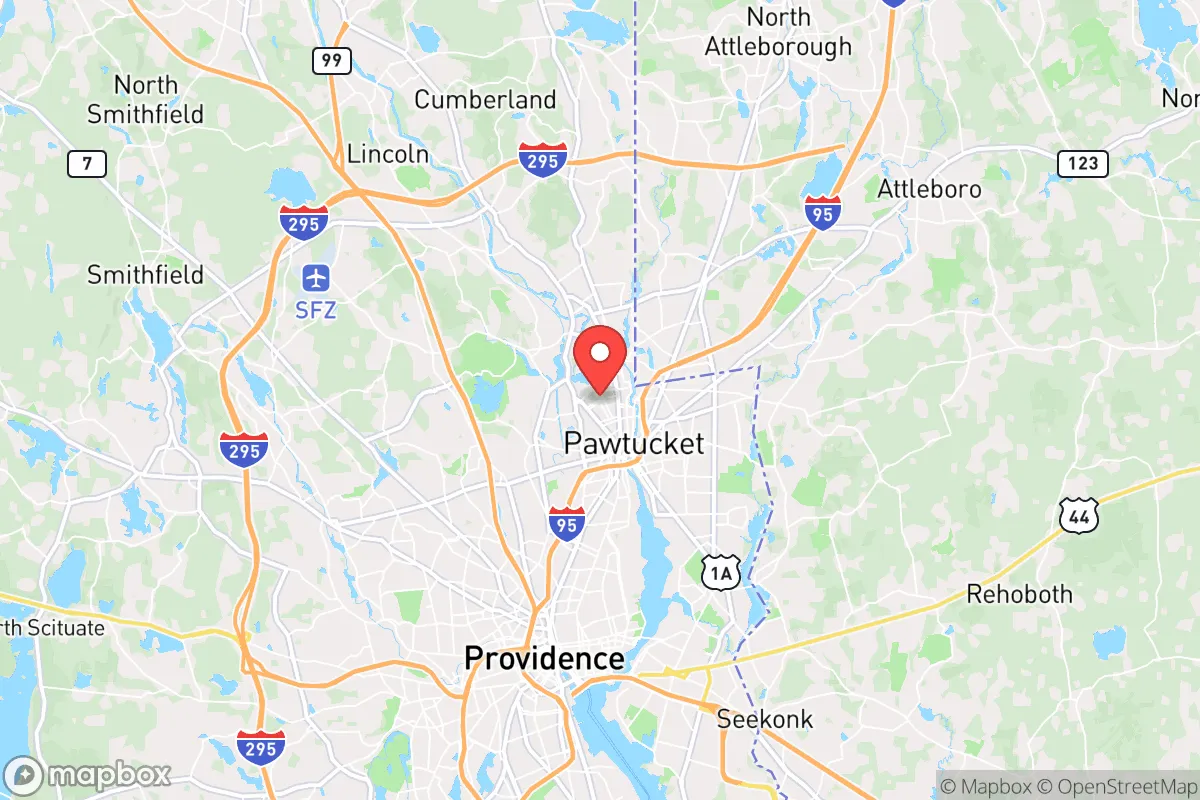
District shown is the primary district for this city’s centroid. Cities may span multiple districts.
Local Political AnalysisPolitical Analysis of Central Falls, RI
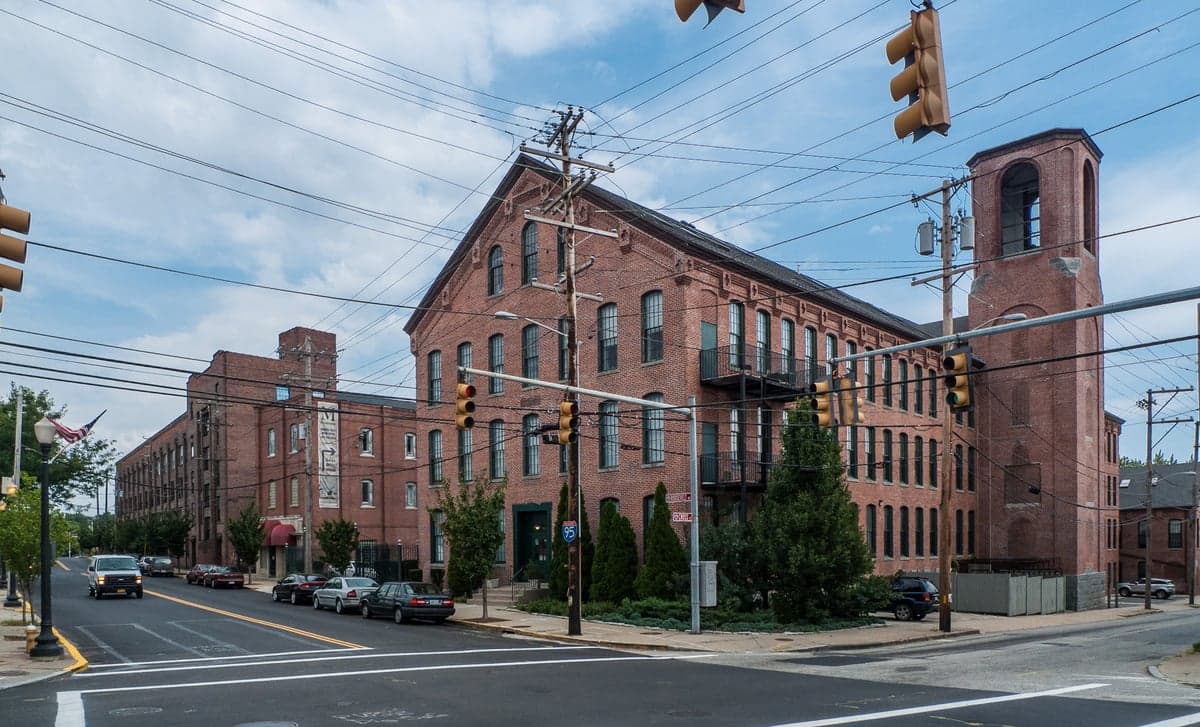
Look, I’ve lived in Central Falls my whole life, and I’ve watched this town change in ways that would make my grandfather roll over in his grave. Politically, we’re deep blue—Cook PVI of D+12—and it’s not just a label. That means every election cycle, Democrats win by a landslide here, often by 20 points or more. But the real story isn’t the voting numbers; it’s what that lockstep loyalty has done to our daily lives. We’ve gone from a working-class mill town where neighbors looked out for each other to a place where the city council and state government seem to think they know better than you do about everything from your backyard to your business.
How it compares
If you drive ten minutes north to Cumberland or Lincoln, you’ll feel like you’ve crossed into a different country. Those towns lean more moderate or even Republican in parts—Cumberland voted for Trump in 2020 by a slim margin. Here in Central Falls, we’re surrounded by that contrast. Pawtucket to the south is also blue, but not as deep as us. The difference is stark: in Central Falls, the local government has embraced every progressive trend that comes down the pike—sanctuary city policies, heavy-handed zoning rules, and a school board that’s more focused on equity training than reading scores. Meanwhile, in Lincoln, they’re still letting people build decks without three layers of permits. It’s like we’re living in a laboratory for ideas that sound good on paper but fall apart when you’re trying to get a contractor to fix your roof.
What this means for residents
For the average person here, the political climate translates into a lot of red tape and a feeling that your voice doesn’t matter. Want to open a small business? Good luck. The city has added so many fees and inspections in the name of “equity” that a lot of folks just give up or work under the table. Property taxes have crept up faster than inflation, and there’s a constant push for new taxes—like a proposed local income tax a few years back that only failed because the state stepped in. The real kicker is the school system. We’ve got one of the highest per-pupil spending rates in Rhode Island, but test scores are still among the lowest. That’s not a coincidence; it’s what happens when policy is driven by ideology instead of results. If you’re a parent who wants your kid to have a traditional education without political indoctrination, you’re either homeschooling or looking at private options outside the city.
What this means for residents
On the cultural side, Central Falls has become a place where the old-school values of self-reliance and neighborly help are being replaced by government programs. We’ve got more social service offices per square mile than almost any other city in the state, and while that helps some people, it also creates a dependency that’s hard to break. The city council has passed resolutions supporting things like defunding the police (though it never fully happened), and there’s a general vibe that if you’re not on board with the progressive agenda, you’re part of the problem. I’ve seen long-time residents move to Attleboro or North Smithfield just to get away from the constant political pressure. Looking ahead, I don’t see it getting better. The demographics are shifting younger and more liberal, and the old guard of moderate Democrats is fading. If you value personal freedom—the right to run your life without a bureaucrat’s permission—Central Falls is probably not your long-term home. It’s a shame, because the bones of this town are still good. But the politics are squeezing the life out of it.

State Political ClimatePolitical Climate in Rhode Island
State Political AnalysisPolitical Environment in the State
Rhode Island has long been a deep blue state, with Democrats holding a supermajority in the General Assembly and every statewide office for decades. In the 2024 presidential election, the state voted for the Democratic candidate by roughly 14 points, a margin that has narrowed slightly from the 20-point blowouts of the Obama era but remains solidly left-leaning. The real story, however, is the growing tension between the progressive coastal enclaves and the more moderate, working-class interior, a divide that has widened significantly since 2020 and is reshaping local politics in ways a conservative transplant would want to understand.
Urban vs. rural divide
The political map of Rhode Island is essentially a battle between the urban core of Providence and the rest of the state. Providence, along with Pawtucket and Central Falls, drives the state’s blue vote with overwhelming margins—often 70-80% Democratic. These cities are home to a dense population of public-sector unions, university faculty, and a growing immigrant community, making them the engine of progressive policy. In contrast, the rural and suburban areas tell a different story. East Greenwich, North Kingstown, and South Kingstown in Washington County have become increasingly competitive, with Republican candidates often winning town council seats and even flipping some state House districts. The most dramatic shift is in Burrillville and Glocester in the northwest, where Trump improved his margins by 10-15 points between 2016 and 2024, driven by a backlash against COVID-era mandates and school closures. The rural-urban split is stark: drive 20 minutes west of Providence, and you go from a city where "defund the police" was a serious debate to towns where the biggest political issue is preserving local control over zoning and school boards.
Policy environment
Rhode Island’s policy environment is a mixed bag for conservatives, but the trend is unmistakably toward bigger government. The state has one of the highest combined state and local tax burdens in the nation, with a progressive income tax topping out at 5.99% and property taxes that vary wildly—Barrington and East Providence have some of the highest rates, while Foster and Scituate are more moderate. The regulatory climate is heavy, especially for small businesses, with a minimum wage that hit $15 an hour in 2025 and a paid family leave program funded by a payroll tax. On education, the state has embraced "equity" initiatives that have led to the elimination of gifted programs in some districts and a focus on DEI training in teacher professional development. Healthcare is dominated by the state-run RIte Care program and a strong push for Medicaid expansion, which has strained budgets. Election laws are among the most permissive in the country: no-excuse mail voting, same-day registration, and automatic voter registration are all law, which critics argue undermines election integrity. The state also has a "sanctuary" policy that limits cooperation with federal immigration enforcement, a point of tension in communities like Cranston and Warwick where residents have pushed back.
Trajectory & freedom
On the freedom front, Rhode Island has been moving in a concerning direction for conservatives, especially since 2020. The state’s response to COVID was among the most aggressive in the nation, with Governor Dan McKee (a Democrat) imposing some of the longest-lasting mask mandates and vaccine requirements for state employees. That overreach sparked a backlash that is still playing out. In 2023, the legislature passed a sweeping gun control package that included a ban on "ghost guns," a 10-day waiting period for all firearm purchases, and a "red flag" law that allows courts to temporarily seize guns without a criminal conviction. Parental rights took a hit in 2024 when the state passed a law allowing minors as young as 14 to consent to certain mental health treatments without parental notification. On property rights, the state has been aggressive in using eminent domain for development projects, most notably in Providence’s I-195 redevelopment district. The one bright spot for liberty advocates was the 2024 repeal of the state’s "master lever" voting system, which had allowed straight-ticket voting and was seen as a barrier to competitive races. But overall, the trajectory is toward more regulation, higher taxes, and less individual autonomy.
Civil unrest & political movements
Rhode Island has seen its share of political flashpoints, though they tend to be more bureaucratic than violent. The most visible movement on the left is the Rhode Island Political Cooperative, a progressive activist group that has successfully primaried moderate Democrats and pushed for rent control, free college, and defunding the police. On the right, the Rhode Island Republican Party remains weak but has seen a resurgence in local races, particularly around school board elections in North Providence and Johnston, where parents organized against critical race theory and mask mandates. The state’s sanctuary policy has led to periodic protests, most notably in 2023 when a group of activists blocked a bus carrying ICE detainees in Providence. Election integrity has been a hot-button issue since 2020, with the state’s use of mail-in ballots and drop boxes drawing scrutiny from conservative groups, though no major fraud has been proven. The most visible flashpoint for a new resident would be the constant tension between the state’s progressive leadership and the more libertarian-leaning rural towns, where "Don't Tread on Me" flags are common and town hall meetings often feature heated debates over state mandates.
Projection
Looking ahead 5-10 years, Rhode Island is likely to become even more polarized, with the urban core pulling left and the suburbs and rural areas pushing back. Demographic trends favor the Democrats: the state’s population is aging, but the growth is concentrated in Providence and its inner suburbs, driven by immigration and young professionals. The Republican Party has a real opportunity in the outer suburbs and exurbs, where families are fleeing the city for lower taxes and more local control, but they need to build a ground game. The state’s fiscal situation is precarious—pension liabilities are massive, and the tax base is shrinking as high earners leave for Florida and Texas. A conservative moving in now should expect a state that will continue to have high taxes, heavy regulation, and a progressive cultural agenda, but also one where local activism can make a difference. The school board and town council races in places like Coventry and West Greenwich are where the real fights are happening, and those are winnable for conservatives who are willing to show up.
For a conservative considering a move to Rhode Island, the bottom line is this: you’ll be living in a state where the government is often your adversary, not your ally. The taxes are high, the regulations are thick, and the cultural tide is against you. But the state is small enough that your vote and your voice can actually matter, especially in the suburbs and rural towns. If you value local control and are willing to fight for it, places like Foster, Scituate, or Burrillville offer a quality of life that’s hard to beat—good schools, low crime, and a community that shares your values. Just don’t expect the state government to make it easy.
* Values derived from national, state, county, city and local statistics and may differ in a specific area. Last updated: 2026-04-29T20:46:08.000Z
Narrative content on this page is AI-generated and may contain mistakes. Verify any details that matter before acting on them.
ReloMaps may earn a commission from affiliate links at no extra cost to you.

