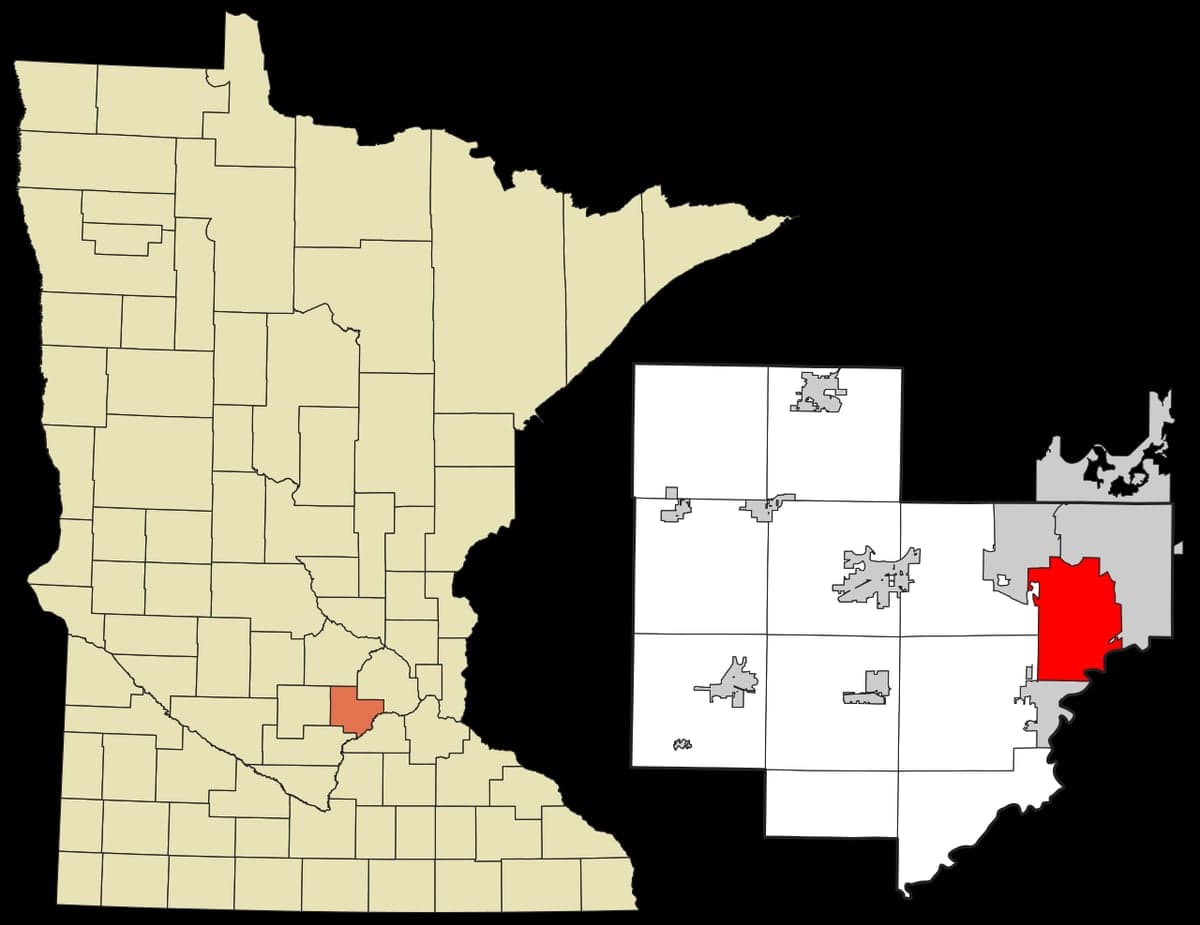
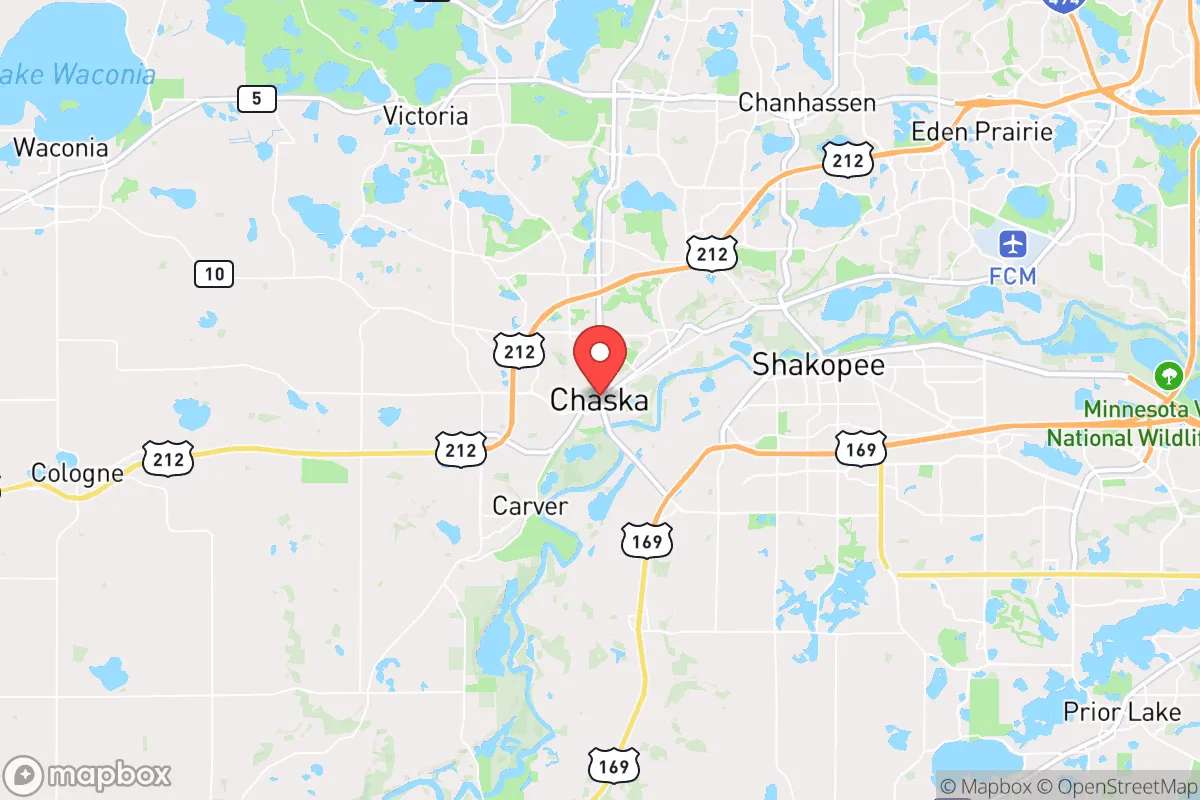
Photo: Wikipedia
Quality of Life in Chaska, MN
Above-average quality of iife. The area offers a reasonable cost of living, decent mobility, and a mix of neighborhood amenities.
What does Quality of Life tell us?
Quality of Life blends cost of living, nearby amenities, socioeconomic signals, and neighborhood character. City-level scores represent the whole municipality; individual neighborhoods can differ.
What does this tell us?
Quality of Life blends cost of living, nearby amenities, socioeconomic signals, and neighborhood character. City-level scores represent the whole municipality; individual neighborhoods can differ.
Cost of Living
28% above national average
The Real Cost of Living in Chaska, MN for 2026
| Tier | Individual | Family (4) |
|---|---|---|
| Survival | $23k | $43k |
| Comfortable | $74k | $108k |
| Luxury | $176k+ | $272k+ |
| Elite (Top 5%) | $207k+ | $321k+ |
102%
The Area Signal
A metric tracking the socioeconomic signals of the area.


Hobbies
Explore the areaGroceries
2 within 10 miles
Gas
0 within 10 miles
Hospital
3 within 20 miles
Airport
MSP — Minneapolis-St Paul International Airport (Terminal 1) MN
Post Office
USPS — Hopkins, MN
Critical Amenities
Quality-of-Life Analysis
Chaska, Minnesota, presents a quality of life defined by suburban affluence, strong community ties, and easy access to the Twin Cities metro. With a cost of living index of 128 (28% above the U.S. average), the city attracts professionals, families, and executives who prioritize top-tier schools, low crime, and a slower pace than Minneapolis or St. Paul. The population skews toward married couples with children, and the median household income significantly exceeds state and national averages, reflecting a community built around stability and investment in local amenities.
Cost of living, housing, and affordability compared to the Twin Cities
Chaska’s cost of living is notably higher than the U.S. norm, driven primarily by housing. The median home value sits at $379,400, which is roughly 30% above the national median but still below the most expensive western suburbs like Edina or Wayzata. Median rent is $1,436, a figure that undercuts Minneapolis proper (where one-bedroom averages exceed $1,500) and offers more space per dollar. For buyers, the premium over neighboring Shakopee or Waconia is justified by Chaska’s lower property tax rates relative to Carver County peers and its access to the Minnesota River valley. The average commute of 23.8 minutes is shorter than the metro-wide average of 26 minutes, a direct benefit of Chaska’s position along U.S. Highway 212 and proximity to major employers like Entegris and Beckman Coulter. While housing costs are a barrier for lower-income households, the trade-off is consistent appreciation: home values in Chaska have risen 8-10% annually since 2020, outpacing inflation and most neighboring suburbs.
Schools, parks, and the daily rhythm of life in Chaska
Daily life in Chaska revolves around the Eastern Carver County School District, which consistently ranks among Minnesota’s top 10 districts for test scores and college readiness. Chaska High School and Chaska Middle School West both hold National Blue Ribbon designations, and the district’s per-pupil spending exceeds $12,000 annually. Beyond academics, the city’s park system—anchored by Lake Hazeltine and the Minnesota River Bluffs Regional Trail—offers year-round recreation: sailing, fishing, and golf in summer; cross-country skiing and fat-tire biking in winter. The Chaska Community Center functions as a de facto town square, hosting youth sports leagues, senior programs, and a public aquatic center. Retail and dining cluster along Highway 41 and the historic downtown, where the Chaska Historical Society and the Chaska Arts Center provide cultural anchors. The rhythm is distinctly suburban: mornings see a steady flow of commuters heading east toward Eden Prairie or Minneapolis, while evenings and weekends fill with school events, farmers’ markets, and neighborhood gatherings. The city’s 2024 population of roughly 28,000 keeps it large enough for amenities but small enough that residents frequently encounter neighbors at the Chaska Curling Center or the Chaska Farmers Market.
Chaska is best suited for families and professionals who value high-performing schools, low crime rates, and a strong sense of place over urban nightlife or ultra-low housing costs. Empty-nesters and retirees also thrive here, drawn to the walkable downtown and the proximity to Carver Park Reserve’s hiking trails. The city’s demographic homogeneity—over 85% white, with a median age of 37—means it may feel less diverse than the core metro, but its deliberate growth policies have preserved green space and kept commercial sprawl in check. For those who can afford the premium, Chaska offers a rare combination: small-town safety with big-city job access, all within a 30-minute drive of Minneapolis-St. Paul International Airport.

Crime in Chaska, MN
Lower crime rates than 90% of comparable U.S. locations.
Violent CrimeViolent Crime Analysis
Property CrimeProperty Crime Analysis
Crime Analysis
Chaska, Minnesota, reports a violent crime rate of 104 incidents per 100,000 residents and a property crime rate of 539.5 per 100,000, placing it well below both state and national averages for overall safety. These figures, drawn from recent law enforcement data, indicate that Chaska is a statistically low-crime community within the Minneapolis-Saint Paul metropolitan area. However, as a suburb of a large metro region, Chaska is subject to the broader criminal justice policies of Carver County and the state, which can influence public safety outcomes.
Crime in context
Chaska's violent crime rate is roughly 70% lower than the national average of approximately 380 per 100,000, and its property crime rate is about 45% below the U.S. median of roughly 1,950 per 100,000. Compared to Minnesota's statewide violent crime rate of around 280 per 100,000, Chaska is significantly safer. Property crime in Chaska is also lower than the state average of approximately 1,800 per 100,000. These numbers reflect a community where serious offenses like homicide, robbery, and aggravated assault are rare. However, the proximity to the Twin Cities metro area means that regional crime trends—including those influenced by progressive prosecutorial policies in Hennepin and Ramsey counties—can indirectly affect Chaska through transient criminal activity, such as vehicle thefts and burglaries.
What residents experience
Residents of Chaska generally report feeling safe in their neighborhoods, with most crime being non-violent and opportunistic. The most common property crimes are theft from motor vehicles and bicycle theft, particularly near the downtown area and parks. Violent crime is sporadic and often tied to domestic incidents or isolated disputes, not random attacks. The Chaska Police Department maintains a visible presence and engages in community policing, which helps keep clearance rates for serious crimes above the national average. That said, the broader metro area's liberal judicial environment—where district attorneys in nearby counties often prioritize diversion programs and reduced sentencing for property and drug offenses—can lead to repeat offenders cycling through the system. This dynamic means that while Chaska itself is safe, residents should remain vigilant about securing property and reporting suspicious activity, as regional policies may not deter recidivism as effectively as in more conservative jurisdictions.
Neighborhood-level variation in Chaska is modest. The safest areas tend to be the newer subdivisions on the city's west side and the gated communities near the Chaska Golf Course. Older sections near downtown and the Minnesota River, particularly around the intersection of Highway 41 and 212, see slightly higher rates of property crime due to easier access for transients. The Clover Ridge and Laketown neighborhoods report the lowest incident rates, with violent crime virtually absent. Overall, Chaska's crime profile is favorable, but the city's location within a progressive metro area means that regional justice policies can undermine long-term safety by prioritizing offender rehabilitation over public protection.
* Values derived from national, state, county, city and local statistics and may differ in a specific area. Last updated: 2026-04-19T21:25:04.000Z
Narrative content on this page is AI-generated and may contain mistakes. Verify any details that matter before acting on them.
ReloMaps may earn a commission from affiliate links at no extra cost to you.

