Photo: Wikipedia
Quality of Life in Cheyenne, WY
A high quality of life with strong walkability, manageable living costs, healthy neighborhood signals, and solid amenity access.
What does Quality of Life tell us?
Quality of Life blends cost of living, nearby amenities, socioeconomic signals, and neighborhood character. City-level scores represent the whole municipality; individual neighborhoods can differ.
What does this tell us?
Quality of Life blends cost of living, nearby amenities, socioeconomic signals, and neighborhood character. City-level scores represent the whole municipality; individual neighborhoods can differ.
Cost of Living
2% below national average
The Real Cost of Living in Cheyenne, WY for 2026
| Tier | Individual | Family (4) |
|---|---|---|
| Survival | $17k | $31k |
| Comfortable | $60k | $89k |
| Luxury | $123k+ | $190k+ |
| Elite (Top 5%) | $145k+ | $224k+ |
87%
The Area Signal
A metric tracking the socioeconomic signals of the area.
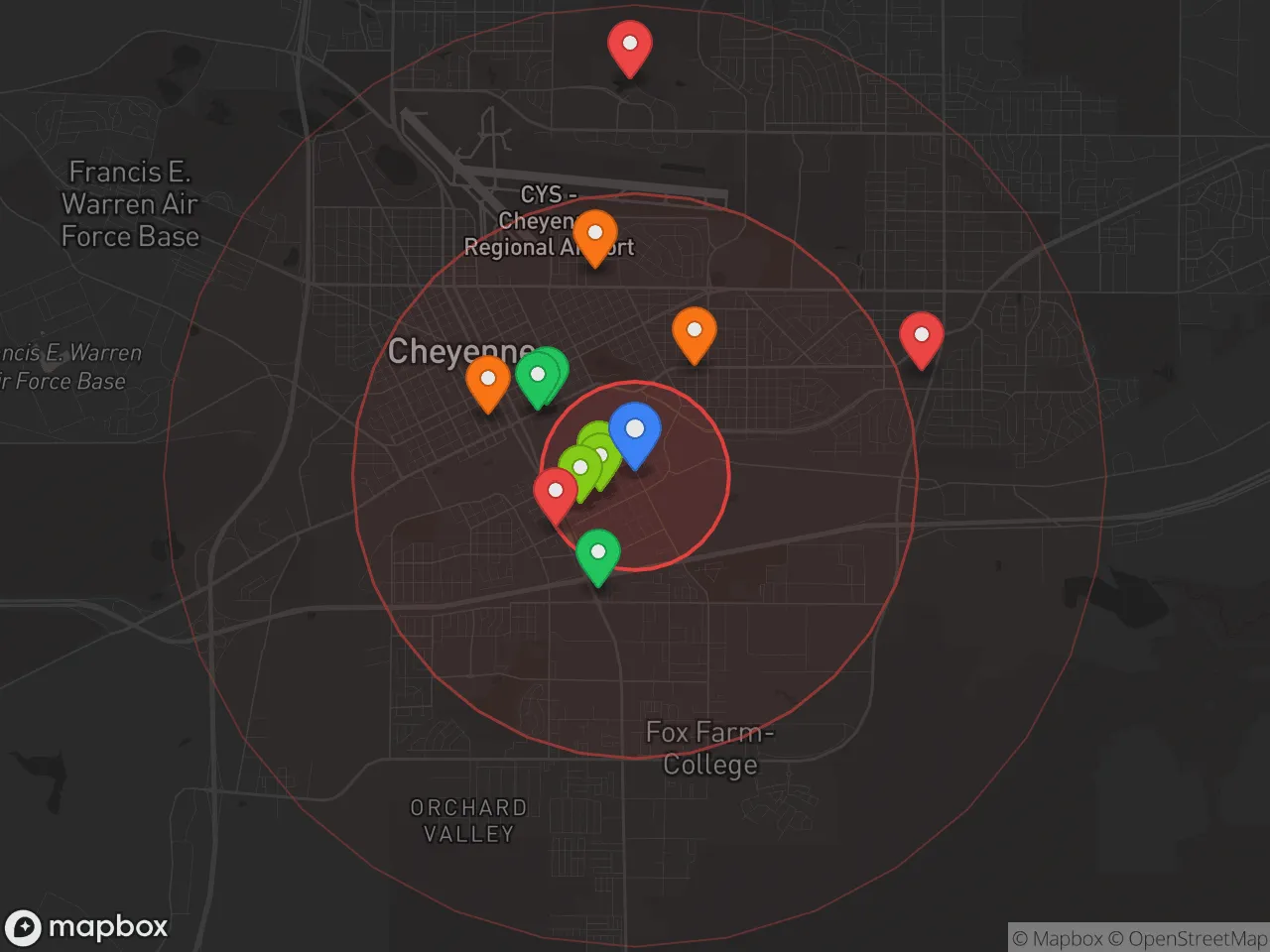
Hobbies
Explore the areaGroceries
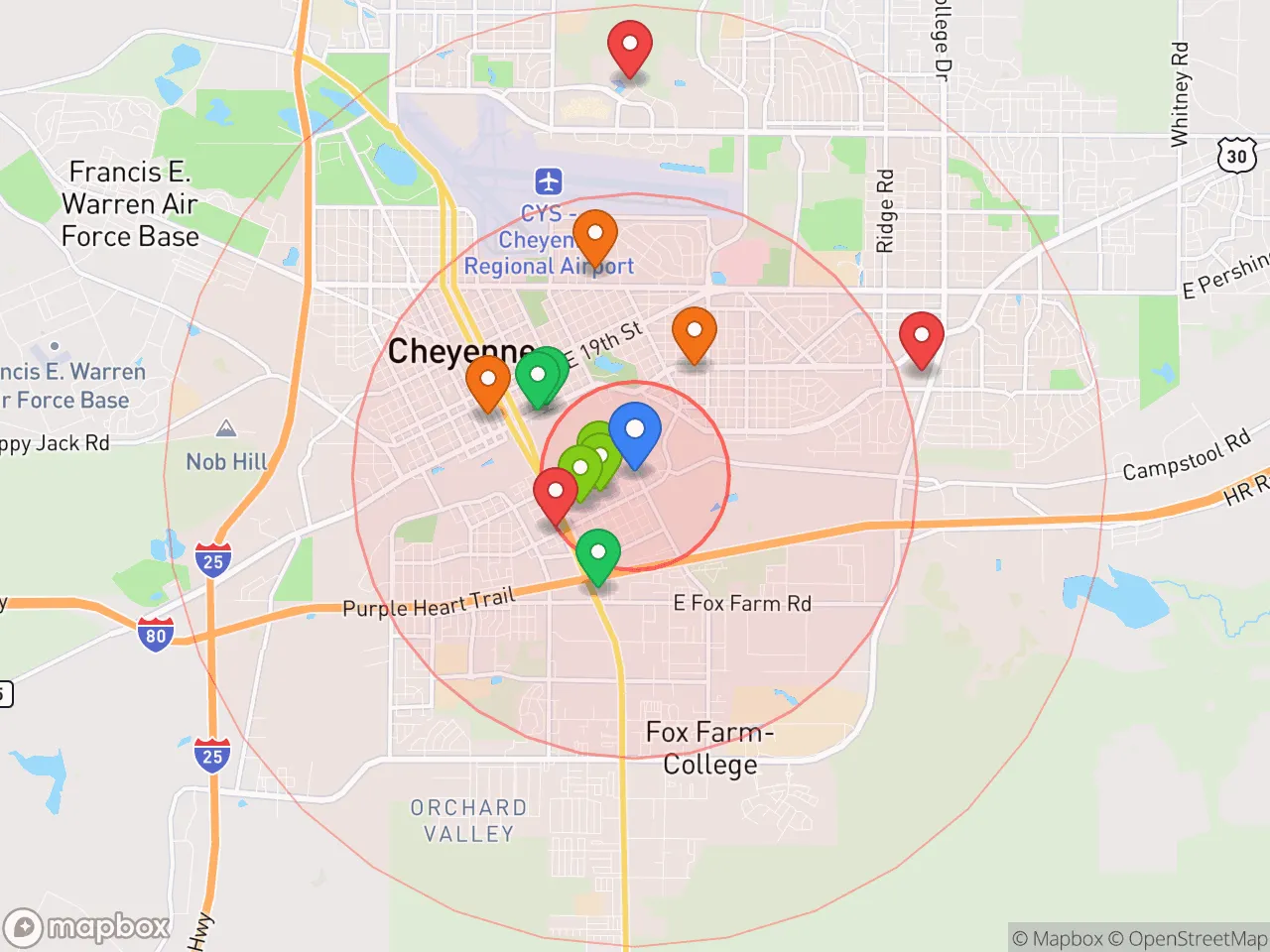
7 within 10 miles
Gas
20 within 10 miles
Hospital
6 within 20 miles
Airport
DEN — Denver International
Post Office
USPS — Cheyenne, WY
Critical Amenities
Quality-of-Life Analysis
Cheyenne, Wyoming, offers a quality of life defined by a lower cost of living than the national average, a strong sense of community, and a slower pace of life that appeals to families, outdoor enthusiasts, and those seeking a reprieve from urban congestion. The city’s affluence is modest compared to the Front Range boomtowns to the south, with a median household income of roughly $65,000 and a population that skews toward government employees, military personnel at F.E. Warren Air Force Base, and workers in the energy and transportation sectors. Residents here tend to value stability, space, and access to the outdoors over the fast-paced, high-cost lifestyle found in nearby Denver or Fort Collins.
Cost of living, housing affordability, and how Cheyenne compares to the Front Range
Cheyenne’s overall cost of living index sits at 98, slightly below the U.S. average of 100, making it one of the more affordable cities in the Rocky Mountain region. The median home value is $311,200, which is dramatically lower than Denver’s median of roughly $580,000 or Fort Collins’ $530,000, allowing buyers to secure a single-family home on a typical salary. Renters also benefit, with a median rent of $1,035 — about $400 less per month than the Colorado average. The average commute time is a brisk 16 minutes, far below the national average of 26 minutes, meaning less time in traffic and more time at home or outdoors. For those working in Colorado but living in Wyoming to save on housing and state income tax (Wyoming has none), the drive to Fort Collins takes about 45 minutes and to Denver about 90 minutes, a trade-off many find worthwhile.
What daily life is like: amenities, schools, and the local rhythm
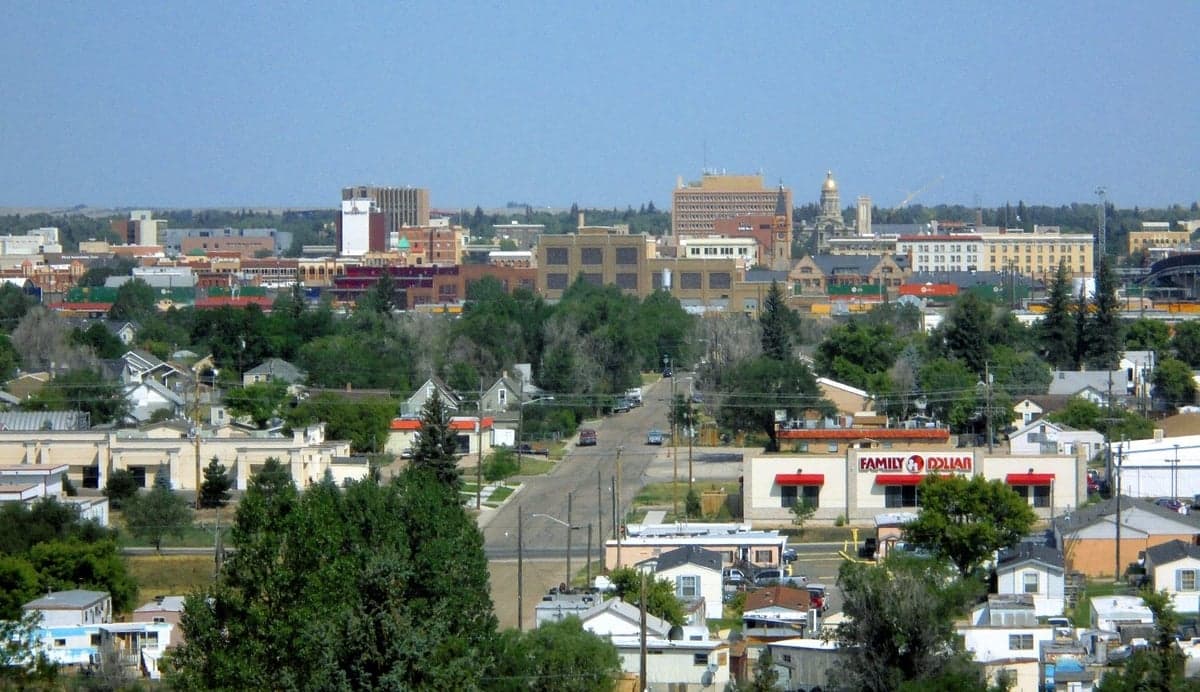
Daily life in Cheyenne revolves around a compact downtown with local restaurants, the historic Wyoming State Capitol, and a calendar of events like the world-famous Cheyenne Frontier Days rodeo each July. The city’s school system, Laramie County School District 1, serves roughly 14,000 students and includes several schools rated above the state average, such as McCormick Junior High and Central High School. For outdoor recreation, residents have immediate access to the 3,000-acre Curt Gowdy State Park for hiking and fishing, and the Medicine Bow National Forest is a 45-minute drive west. The local rhythm is unhurried: most errands can be done within a 10-minute drive, and weekend traffic is virtually nonexistent. Healthcare is anchored by Cheyenne Regional Medical Center, a 218-bed facility that also serves as a regional trauma center for southeastern Wyoming and western Nebraska.
Cheyenne is best suited for those who prioritize affordability, short commutes, and a quiet, family-oriented lifestyle over the cultural density and career velocity of a major metro. Remote workers, military families, and retirees will find the low taxes and reasonable housing particularly attractive. However, those seeking vibrant nightlife, diverse dining, or rapid career advancement in tech or finance may find the city limiting. For anyone who values space, safety, and a four-season outdoor playground within a 90-minute drive of Denver’s airport, Cheyenne delivers a quality of life that is hard to match at this price point.

Crime in Cheyenne, WY
Crime rates similar to the national median for U.S. locations.
Violent CrimeViolent Crime Analysis
Property CrimeProperty Crime Analysis
Crime Analysis
Cheyenne, Wyoming, presents a mixed safety profile that demands careful consideration from potential residents. The city’s violent crime rate of 296.3 per 100,000 residents is notably higher than the national average, while its property crime rate of 2,669.8 per 100,000 significantly exceeds both state and national benchmarks. These figures place Cheyenne as the most crime-prone city in Wyoming, a distinction that warrants scrutiny, particularly given the broader regional context of conservative governance and law-and-order policies.
Crime in context
Cheyenne’s violent crime rate is roughly 20% above the national average, and its property crime rate is nearly 50% higher than the U.S. median. Compared to the rest of Wyoming, where statewide violent crime sits at approximately 230 per 100,000, Cheyenne’s numbers stand out sharply. The city’s property crime rate is more than double the state average, driven largely by theft and burglary. Unlike many large metro areas with progressive district attorneys who deprioritize certain offenses, Laramie County (which encompasses Cheyenne) operates under a more traditional prosecutorial approach. However, the elevated crime rates suggest that even a conservative legal environment has not fully contained criminal activity, particularly property offenses.
What residents experience
For daily life, the property crime rate translates into tangible risks. Residents report frequent vehicle break-ins, package thefts, and burglaries, especially in areas near the interstate and downtown. The violent crime category includes aggravated assault as the most common offense, with robbery and rape occurring at lower but still concerning frequencies. While Cheyenne does not face the same level of gang-related violence as larger metro areas, the per capita rates are high enough to affect community perception. Local law enforcement maintains a visible presence, but staffing levels have not kept pace with population growth, leading to slower response times in outlying neighborhoods. The city’s reliance on a county sheriff’s office for unincorporated areas can create gaps in coverage.
Neighborhood-level variation is significant. The southwest quadrant (near the airport and newer subdivisions) generally reports lower crime, while central and east-side neighborhoods near the Union Pacific rail yard and older commercial corridors see elevated property crime. Areas around the Capitol and downtown have mixed safety records, with daytime foot traffic improving security but nighttime incidents rising. Prospective residents should consult Laramie County’s online crime mapping tool and consider specific block-level data rather than relying solely on citywide averages. The absence of a progressive justice system in Cheyenne is a relative positive, but the raw numbers still demand caution, particularly for those moving from safer rural or suburban environments.
* Values derived from national, state, county, city and local statistics and may differ in a specific area. Last updated: 2026-04-21T11:37:47.000Z
Narrative content on this page is AI-generated and may contain mistakes. Verify any details that matter before acting on them.
ReloMaps may earn a commission from affiliate links at no extra cost to you.

