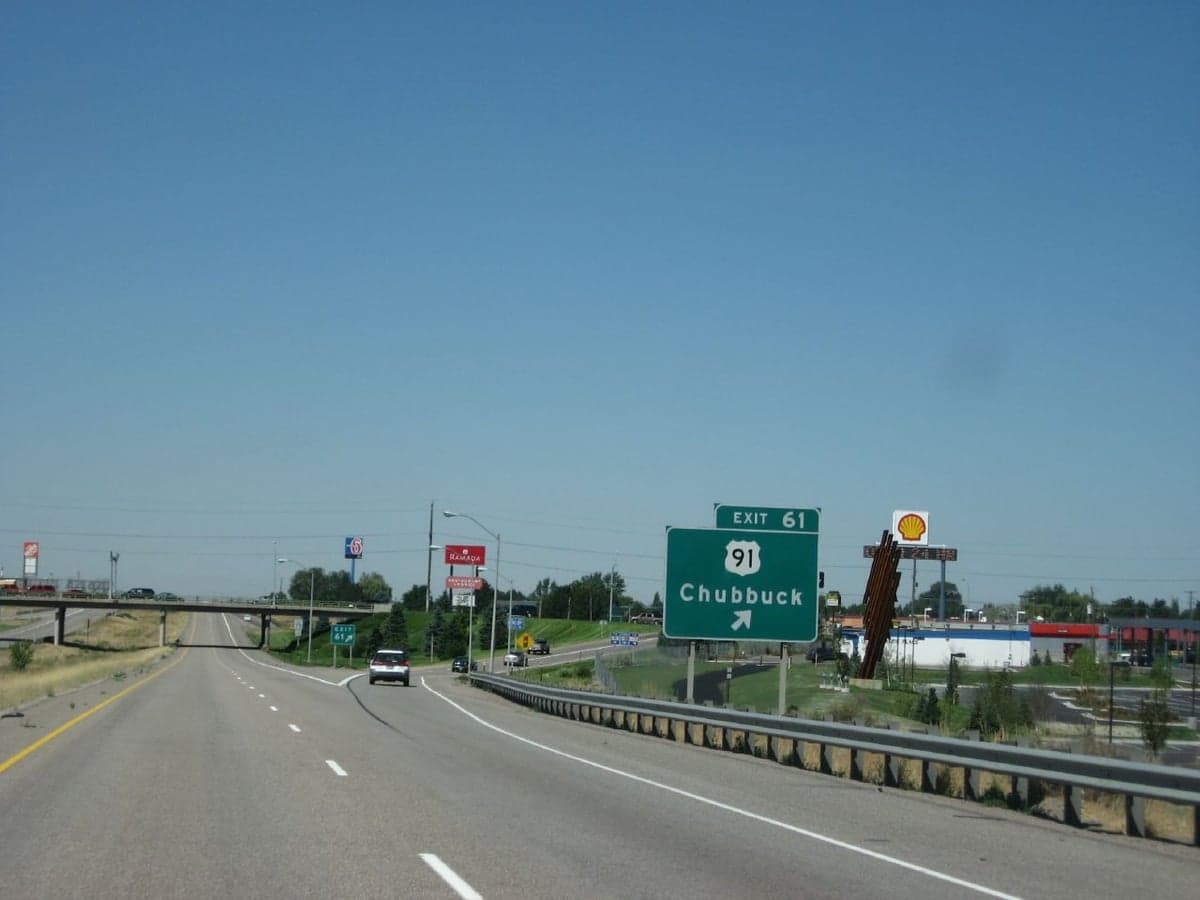
Photo: Wikipedia
Political ClimatePolitical Climate in Chubbuck, ID
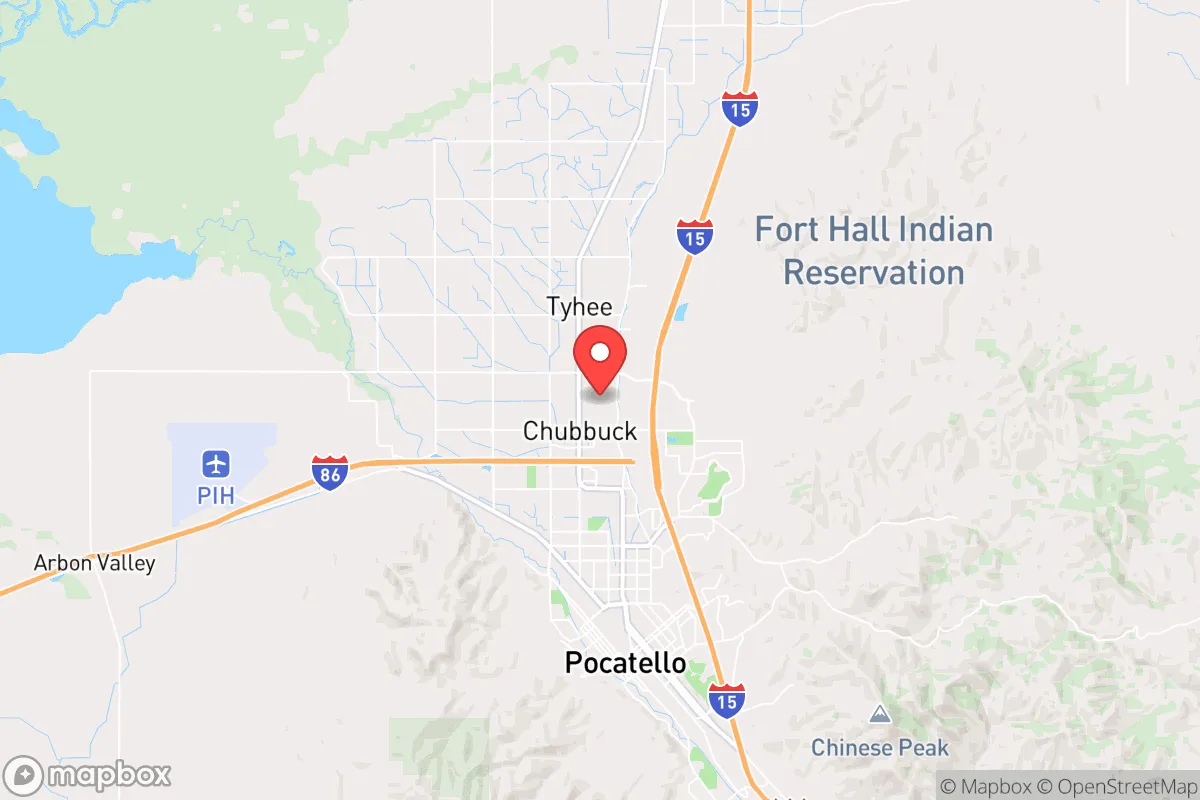
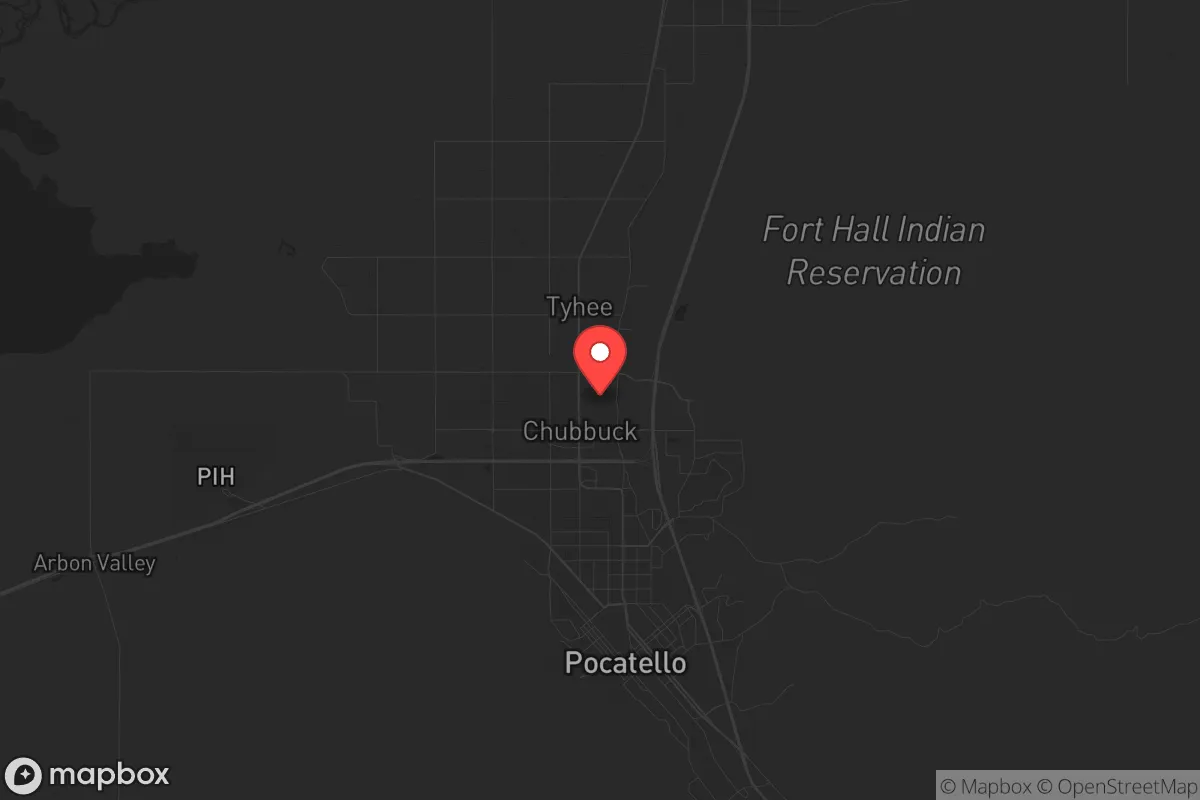
District shown is the primary district for this city’s centroid. Cities may span multiple districts.
Local Political AnalysisPolitical Analysis of Chubbuck, ID
Chubbuck, Idaho, sits squarely in deep-red territory, with a Cook PVI of R+13 that reflects decades of consistent conservative voting. The city itself leans even more Republican than the surrounding Bannock County, which has shown slight shifts toward the center in recent cycles, particularly in Pocatello just to the south. Longtime residents will tell you that Chubbuck has always been the steadier, more traditional anchor in this part of southeastern Idaho, and while the area hasn't flipped, there's a growing unease about creeping progressive influence from the state capital and national trends.
How it compares
Drive five miles south into Pocatello, and you'll notice a different political energy—more college-town vibes from Idaho State University, a younger demographic, and a city council that's flirted with progressive policies like housing density overhauls and climate resolutions. Chubbuck, by contrast, has held the line. The city council here rarely entertains what locals call "Boise-style" ideas: no talk of sanctuary city ordinances, no push for ranked-choice voting, and a firm commitment to Second Amendment rights that's backed by the Bannock County Sheriff's Office. Compared to nearby Ammon or Idaho Falls to the north, Chubbuck is less affluent but more reliably conservative in its voting patterns. The real contrast, though, is with the state's growing purple pockets—places like Ketchum or Moscow—where progressive activism has gained a foothold. Chubbuck remains a place where a Republican primary win is still the general election.
What this means for residents
For folks living here, the political climate translates into a government that mostly stays out of your business. Property taxes are low relative to the national average, zoning is minimal, and there's no city income tax. The local school board has resisted curriculum battles that have erupted in other parts of the state, keeping things focused on basics rather than social experiments. But there's a quiet concern among residents that the state legislature's recent moves—like expanding Medicaid and allowing some local-option taxes—signal a slow drift toward bigger government. The real worry is that national progressive money will eventually target this region, funding local candidates who push for "equity" policies or stricter land-use regulations. For now, Chubbuck's political culture still rewards self-reliance: if you want to build a shop on your property or homeschool your kids, nobody's going to stop you.
Culturally, Chubbuck is a place where the LDS Church's influence is felt but not overbearing—more about community potlucks and volunteer fire departments than political endorsements. The annual Eastern Idaho State Fair, held right in town, is a gathering that still feels like old Idaho: 4-H projects, rodeo, and local candidates handing out flyers. The biggest policy distinction from nearby progressive enclaves is the city's approach to growth: Chubbuck has annexed aggressively to keep development within city limits, but it's done so without the kind of impact fees or affordable housing mandates that Pocatello has debated. That hands-off approach is exactly what most residents want, and as long as the political winds don't shift too hard, it's likely to stay that way. If you're looking for a place where your vote actually counts for something and the government remembers it works for you, Chubbuck still delivers.

State Political ClimatePolitical Climate in Idaho
State Political AnalysisPolitical Environment in the State
Idaho is one of the most reliably Republican states in the nation, with a deep-red partisan lean that has only intensified over the past two decades. The GOP holds a supermajority in both chambers of the state legislature, and no Democrat has won a statewide election since 2006. In the 2024 presidential election, Donald Trump carried Idaho by over 30 points, a margin that has grown steadily since 2000. The dominant coalition is a blend of rural conservatives, Mormon cultural conservatives in the southeast, and an influx of out-of-state transplants—many from California and the Pacific Northwest—who are fleeing progressive policies and seeking a more traditional, liberty-minded environment.
Urban vs. rural divide
The political map of Idaho is starkly divided between its few urban islands and the vast rural expanse. The Treasure Valley, anchored by Boise, Meridian, and Nampa, is the state’s population center and the only region where Democrats are competitive. Ada County (Boise) has trended purple in recent cycles, with Biden winning it in 2020 by a narrow margin, though Trump flipped it back in 2024. Blaine County, home to the ski resort town of Ketchum and Sun Valley, is a deep-blue outlier, voting Democratic by 30 points or more. Meanwhile, the rest of the state—from the conservative Mormon strongholds of Rexburg and Idaho Falls in the east, to the timber and mining counties of the north like Boundary County and Bonner County—votes Republican by 70-80% margins. The rural-urban split is widening as Boise’s growth brings more moderate and left-leaning voters, but the sheer geographic and population weight of the countryside keeps the state firmly red.
Policy environment
Idaho’s policy environment is aggressively conservative, with a strong emphasis on limited government and low taxation. The state has a flat income tax rate of 5.8%, which was cut from 6% in 2023, and no corporate income tax on pass-through entities. Property taxes are relatively low, though they vary by county. The legislature has passed numerous school choice measures, including the 2023 expansion of the state’s tax-credit scholarship program, and has resisted federal mandates on education, such as Common Core. On healthcare, Idaho has not expanded Medicaid under the Affordable Care Act, though voters approved a ballot initiative in 2018 to do so; the legislature has since imposed work requirements and other restrictions. Election laws are among the most secure in the nation: voter ID is required, same-day registration is not allowed, and the state uses paper ballots audited by hand. The legislature has also passed laws banning ranked-choice voting and limiting ballot initiatives, ensuring that policy changes remain in the hands of elected representatives rather than out-of-state-funded activist groups.
Trajectory & freedom
Idaho is moving in a decidedly more freedom-oriented direction, particularly on gun rights, parental rights, and medical autonomy. In 2023, the legislature passed the Second Amendment Preservation Act, which prohibits state and local law enforcement from enforcing any federal gun laws that infringe on the right to keep and bear arms—a direct challenge to federal overreach. The same year, the Parental Rights in Education Act was signed, requiring schools to notify parents of any curriculum involving sexual orientation or gender identity and allowing parents to opt their children out. On medical freedom, Idaho passed a law in 2024 banning the enforcement of any federal vaccine mandate within the state, and it has one of the strongest medical freedom laws in the country, allowing healthcare providers to refuse treatments they object to on moral or religious grounds. Property rights have been bolstered by the Private Property Protection Act, which limits eminent domain abuse. However, there are concerns: the state’s rapid growth is driving up housing costs and straining infrastructure, which could lead to future zoning and land-use restrictions that infringe on property rights.
Civil unrest & political movements
Idaho has seen relatively little civil unrest compared to coastal states, but there are active political movements on both sides. The Idaho Freedom Foundation is a powerful conservative advocacy group that pushes for tax cuts, school choice, and limited government, and it has significant influence in the legislature. On the left, the Idaho Democratic Party is small but vocal, with protests in Boise over abortion rights and LGBTQ issues, particularly after the 2023 passage of a near-total abortion ban (the Idaho Abortion Human Life Protection Act). Immigration politics are a flashpoint: the legislature passed a law in 2024 requiring local law enforcement to cooperate with federal immigration authorities, and there have been high-profile incidents of human trafficking along I-84. Election integrity controversies are minimal, as Idaho’s system is widely trusted, though some far-right groups have pushed for hand-counting of ballots, which was rejected by the legislature. A new resident would notice a general sense of civic peace, but with a palpable tension between the growing progressive minority in Boise and the conservative majority everywhere else.
Projection
Over the next 5-10 years, Idaho is likely to become even more conservative, but with a more nuanced political landscape. The influx of conservative-leaning transplants from California, Oregon, and Washington is accelerating, particularly in the Treasure Valley and the northern panhandle around Coeur d’Alene. These newcomers are often more libertarian than traditional Republicans, favoring low taxes and gun rights but also supporting some environmental protections and legalized marijuana (which remains illegal in Idaho). This could create a tension between the old-guard social conservatives and the new libertarian-leaning arrivals. The Boise area will continue to trend purple, but the state legislature will remain deeply red due to gerrymandering and the rural weighting of districts. Expect more preemption laws that strip local governments of the ability to pass progressive ordinances, such as the 2024 law banning local sanctuary city policies. A new resident moving in now should expect a state that is fiercely protective of individual liberties, but with a growing debate over how to balance growth with the preservation of the rural, conservative character that makes Idaho attractive.
For a new resident, the bottom line is this: Idaho offers a high degree of personal freedom, low taxes, and a government that is generally on your side when it comes to gun rights, parental control, and resisting federal overreach. The trade-off is a rapidly growing population that is driving up housing costs and changing the character of the Treasure Valley. If you’re looking for a place where your rights are respected and your voice matters in local elections, Idaho is one of the best bets in the country—just be prepared for the growing pains that come with being a destination for freedom-seekers.
* Values derived from national, state, county, city and local statistics and may differ in a specific area. Last updated: 2026-05-03T20:23:39.000Z
Narrative content on this page is AI-generated and may contain mistakes. Verify any details that matter before acting on them.
ReloMaps may earn a commission from affiliate links at no extra cost to you.

