Photo: Wikipedia
Find The Best Places To Live
in Idaho Falls
PRO TIP! You can paste a Zillow or Redfin link to get info on that property.
What It's Like Living in Idaho Falls, ID
If you picture Idaho Falls as just a pit stop on the way to Jackson Hole or Yellowstone, you’re missing the point. This is a city of about 66,000 people that feels like a small town with a surprising amount of momentum—think young families, a strong LDS cultural backbone, and a river running right through downtown that actually gets used. It’s not flashy, but it’s the kind of place where people stay because the daily rhythm works for them.
The Daily Rhythm: Work, Commute, and What People Actually Do
Most mornings here start early. The average commute clocks in at just over 18 minutes, which means you can live on the outskirts and still get to work in the time it takes to finish a podcast episode. The big employers are INL (Idaho National Laboratory) and the regional hospital system, so you get a mix of engineers, scientists, and healthcare workers alongside the usual retail and service jobs. Median household income sits around $69,630—slightly below the national average, but the cost of living index of 94 means your dollar stretches further. After work, people head to the river. The Greenbelt trail along the Snake River is the unofficial town living room; you’ll see runners, bikers, and families pushing strollers from the falls all the way to the Tautphaus Park Zoo. Grocery shopping tends toward Broulim’s (a local chain with decent produce) or WinCo if you’re bulk-buying. Friday nights in fall mean high school football—Skyline and Idaho Falls High have a genuine rivalry that packs stands—and Saturday mornings are for the farmers market on Memorial Drive, where the sweet corn and huckleberry jam are the real draws.
Sports, Community, and the Weekend Vibe
There’s no pro sports team in town, but that doesn’t mean sports are small here. The Idaho Falls Chukars (a collegiate summer baseball team in the Pioneer League) draw decent crowds at Melaleuca Field—it’s cheap, the beer is cold, and the fireworks on July 3rd are a tradition. High school sports are the main event: basketball and football games are genuinely well-attended, and the community treats state championships like a big deal. For college sports, most people drive an hour to BYU-Idaho in Rexburg or two hours to Boise State. On weekends, the outdoors take over. Within 30 minutes you’ve got the South Fork of the Snake River for fly fishing, Kelly Canyon for skiing (small but functional), and Mesa Falls for a quick hike. The real local quirk is how much the LDS Church shapes the calendar—wards organize activities, Sunday is genuinely quiet, and you’ll notice a lot of community events are dry (no alcohol). That said, the bar scene exists: The Celt Pub & Grill on Broadway is the go-to for a pint and live music, and The Frosty Gator is a divey spot with pool tables and a loyal local crowd.
What’s There to Do: Festivals, Food, and the Cultural Quirks
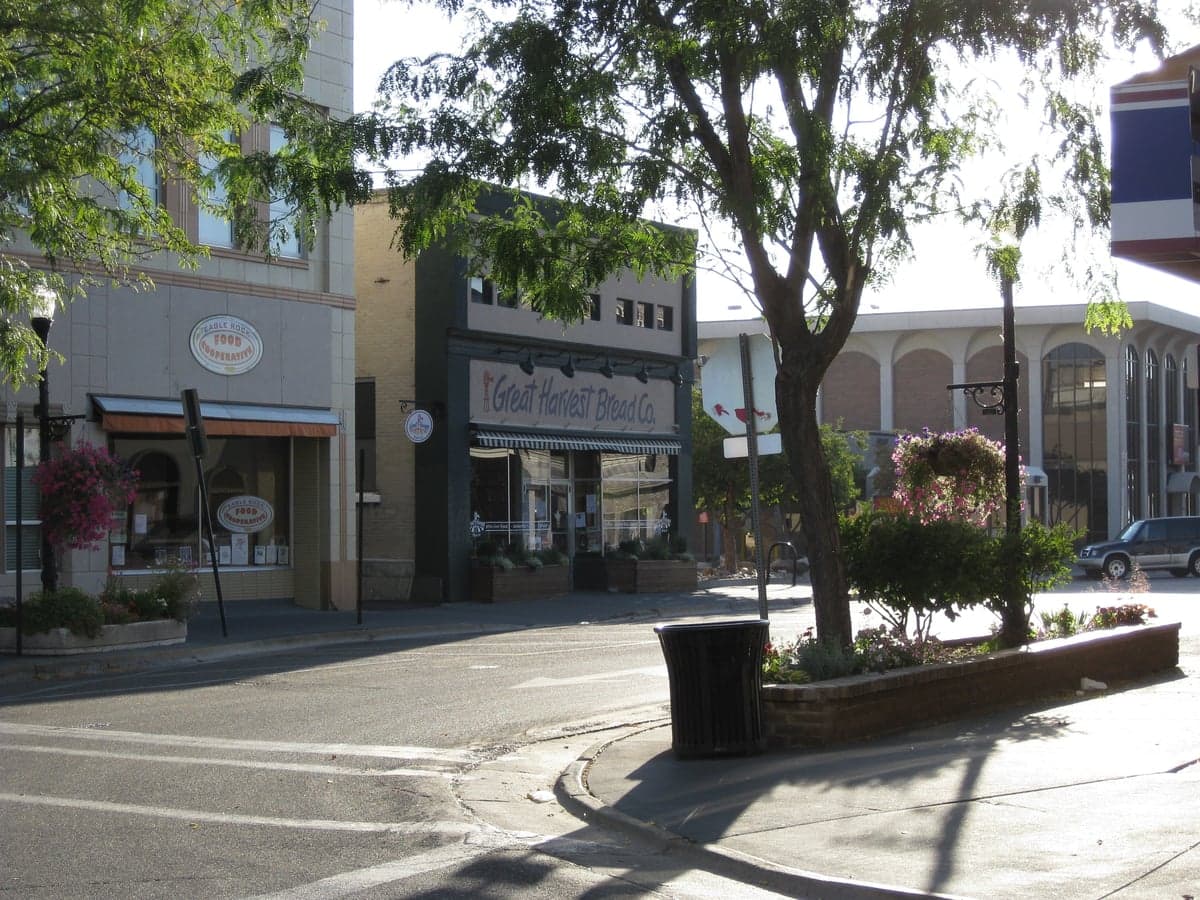
The biggest annual event is the War Bonnet Round Up, a rodeo that’s been running for decades and draws competitors from across the region. It’s not a tourist trap—it’s a genuine slice of Idaho ranch culture. The Idaho Falls Arts Council puts on a solid lineup of concerts and plays at the Colonial Theater, a restored 1919 venue downtown. For food, you’ve got a few standouts: The Snake Bite (for burgers and a beer list that surprises you), Sushi Ya (the locals’ pick for reliable Japanese), and Great Harvest Bread Co. for cinnamon rolls that justify the line. A cultural quirk you’ll notice fast: people wave. Not just in neighborhoods, but in parking lots and on trails. It’s not performative friendliness—it’s just how it works here. The downside is that the food scene is still catching up to the population growth; if you’re used to a city with 20 different ethnic cuisines within a mile, you’ll find the options limited. Another quirk: the Idaho Falls Temple of the LDS Church is the visual anchor of the city, lit up at night and visible from the interstate. It’s not a tourist attraction per se, but it’s the landmark everyone uses for directions.
Pros and Cons of Living Here
- Pro: The cost of living is genuinely manageable. With a median home value of $298,600, you can still buy a decent three-bedroom house on a single income—something that’s becoming rare in the West. The median age of 33.5 means you’re surrounded by other young families and early-career professionals, not retirees.
- Pro: The commute is a gift. An 18-minute average drive means you actually have time for dinner with your kids or a workout after work. Traffic jams are almost nonexistent, though Broadway can get sluggish during school pickup.
- Con: The violent crime rate of 293.8 per 100,000 is above the national average. Most of it is concentrated in specific areas (near the interstate and some older apartment complexes), and property crime is the bigger nuisance—lock your car and don’t leave bikes out overnight. Longtime residents will tell you it’s gotten worse since 2020, but it’s still not a place where most people feel unsafe walking downtown after dark.
- Con: The weather is a commitment. Winters are cold (average January highs around 28°F) and inversions can trap smog in the valley for days. Summers are hot and dry (July highs near 90°F), with wildfire smoke becoming a regular August visitor. The seasonal rhythm is real: you’ll learn to love the first 60-degree day in April like it’s a holiday.
- Con: The social scene can feel insular. If you’re not LDS or didn’t grow up here, breaking into established friend groups takes effort. The 31% college-educated rate is decent, but the intellectual and cultural scene is thin compared to Boise or Salt Lake. You have to make your own fun.

Similar small cities to Idaho Falls
* Values derived from national, state, county, city and local statistics and may differ in a specific area. Last updated: 2026-04-19T08:08:27.000Z
Narrative content on this page is AI-generated and may contain mistakes. Verify any details that matter before acting on them.
ReloMaps may earn a commission from affiliate links at no extra cost to you.

