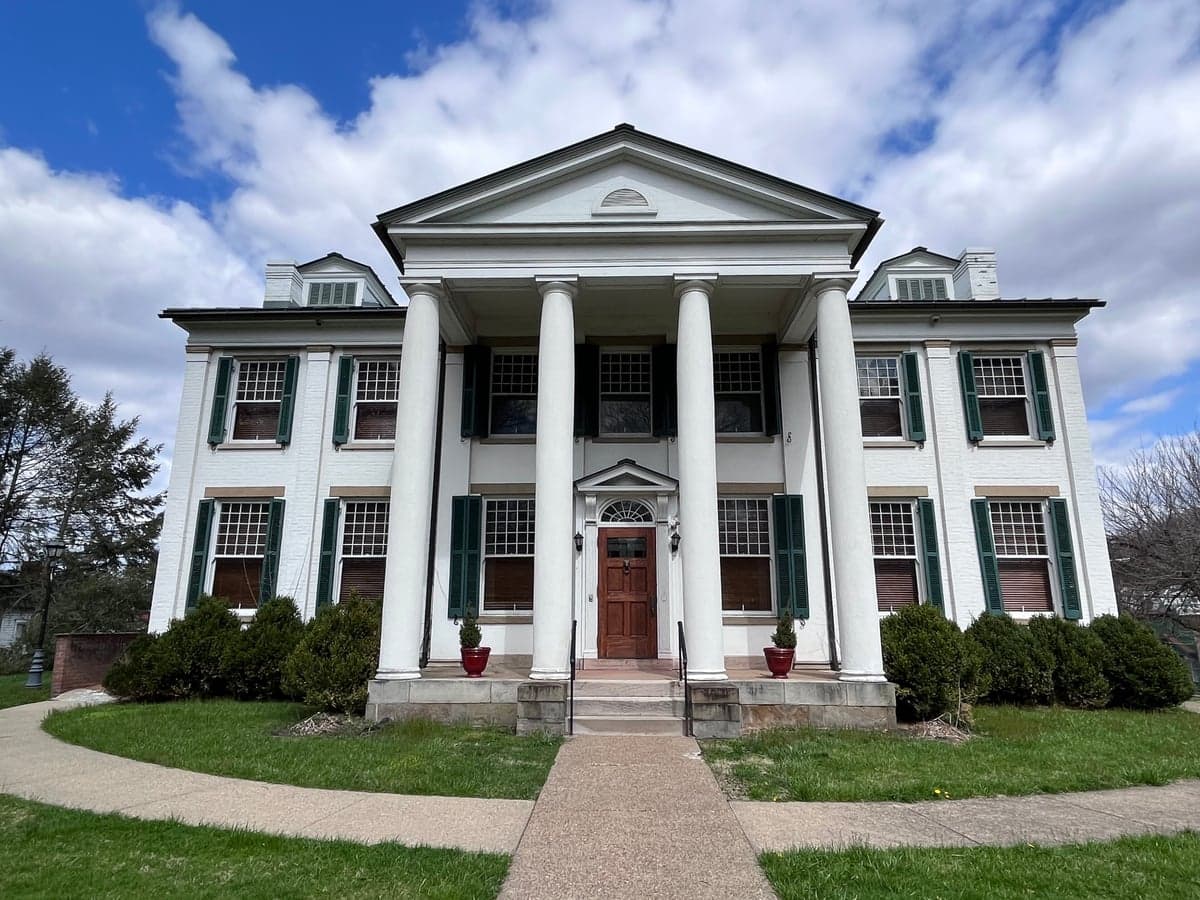
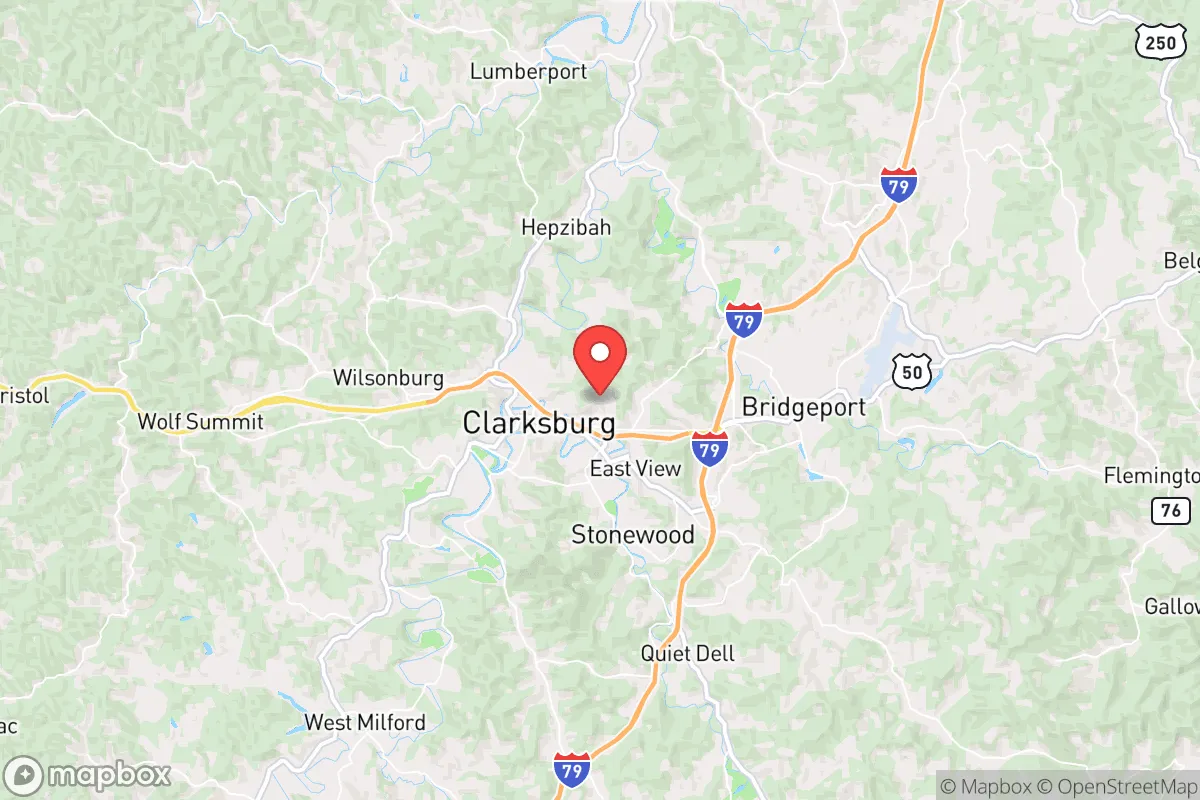
Photo: Wikipedia
Quality of Life in Clarksburg, WV
A high quality of life with strong walkability, manageable living costs, healthy neighborhood signals, and solid amenity access.
What does Quality of Life tell us?
Quality of Life blends cost of living, nearby amenities, socioeconomic signals, and neighborhood character. City-level scores represent the whole municipality; individual neighborhoods can differ.
What does this tell us?
Quality of Life blends cost of living, nearby amenities, socioeconomic signals, and neighborhood character. City-level scores represent the whole municipality; individual neighborhoods can differ.
Cost of Living
44% below national average
The Real Cost of Living in Clarksburg, WV for 2026
| Tier | Individual | Family (4) |
|---|---|---|
| Survival | $12k | $23k |
| Comfortable | $22k | $33k |
| Luxury | $77k+ | $120k+ |
| Elite (Top 5%) | $91k+ | $141k+ |
143%
The Area Signal
A metric tracking the socioeconomic signals of the area.
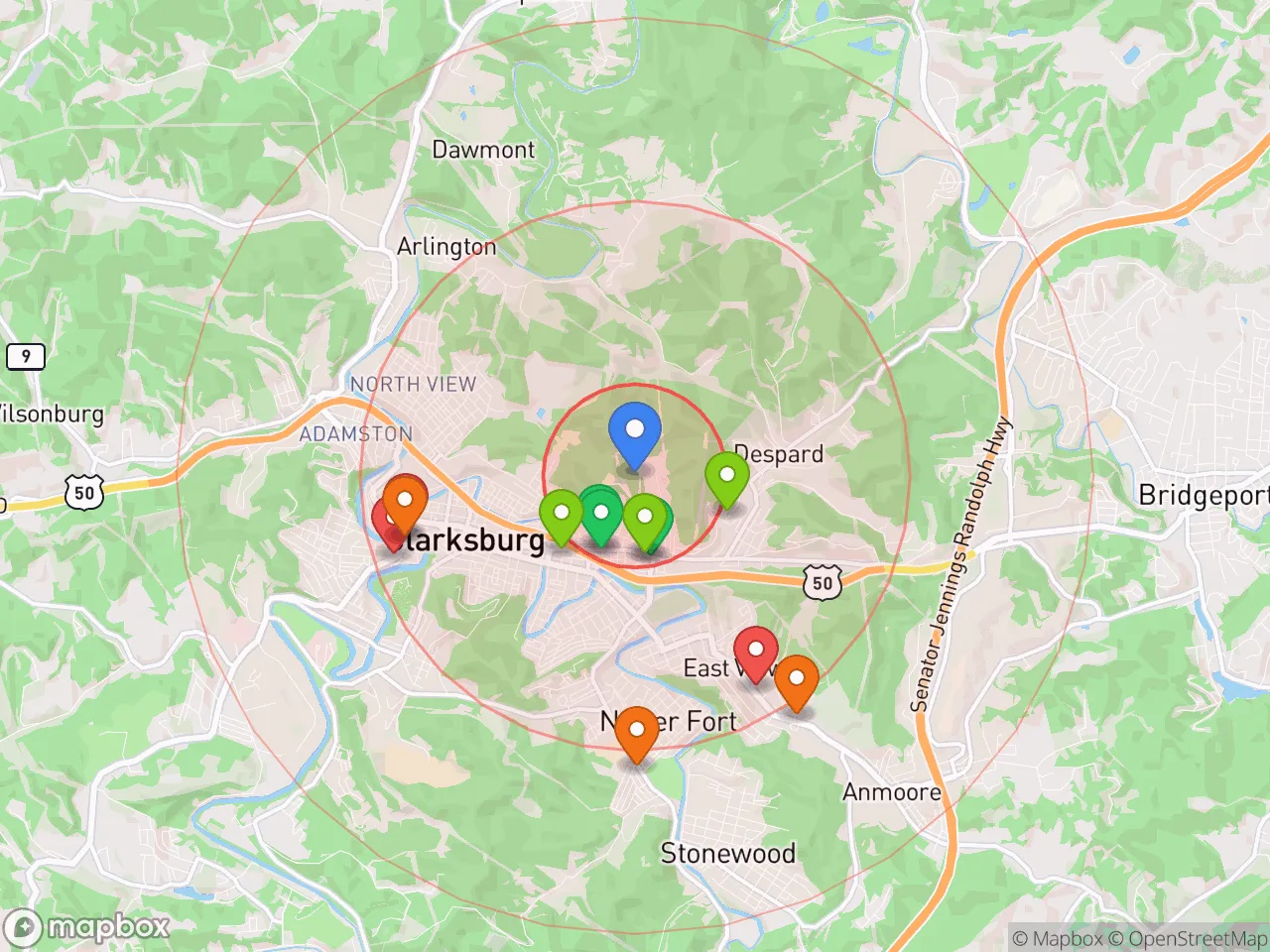
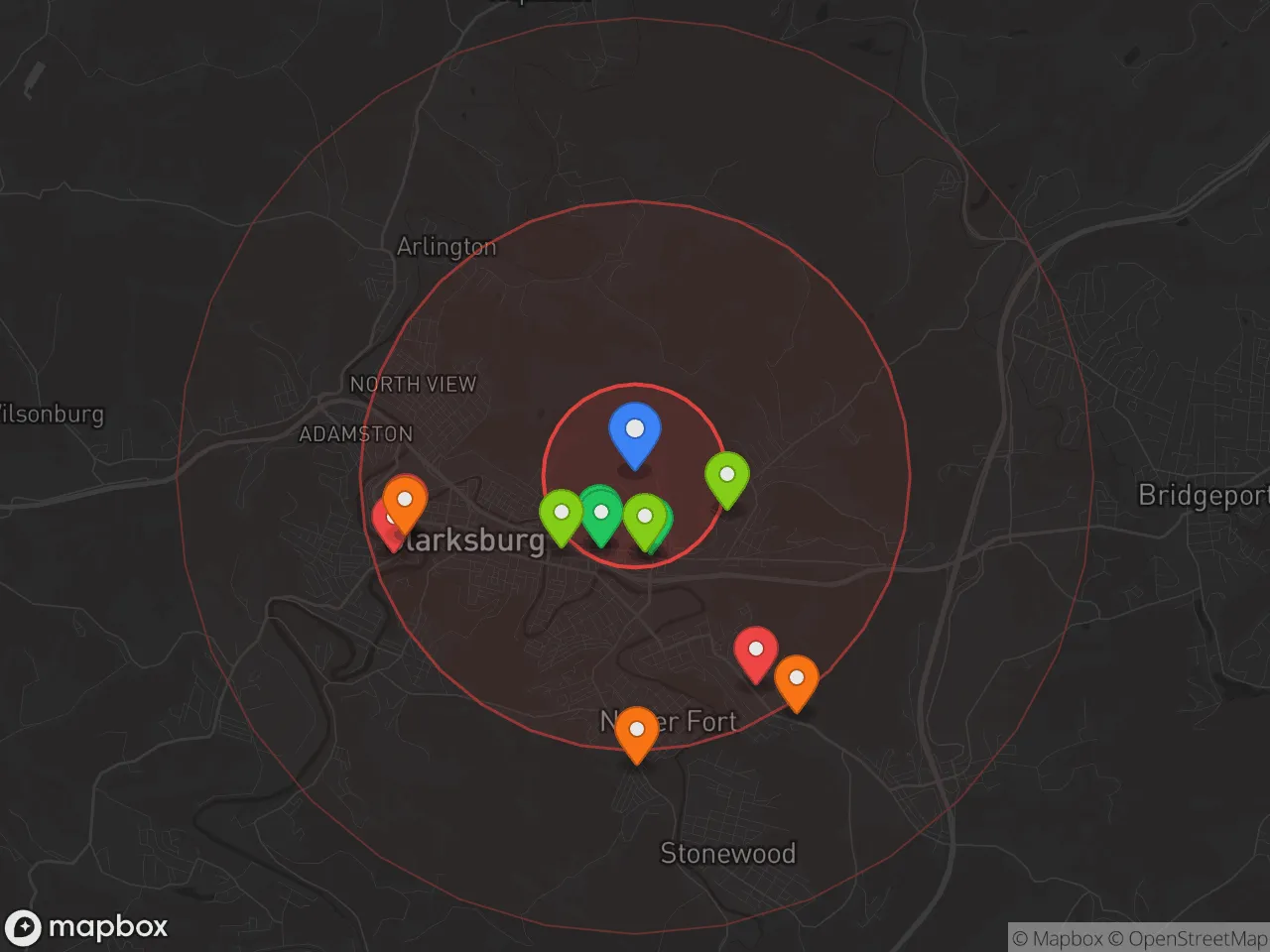
Hobbies
Explore the areaGroceries
6 within 10 miles
Gas
18 within 10 miles
Hospital
9 within 20 miles
Airport
Pittsburgh International Airport
Post Office
USPS — Clarksburg, WV
Critical Amenities
Quality-of-Life Analysis
Clarksburg, West Virginia, offers a quality of life defined by exceptional affordability and a slower, community-oriented pace, attracting a mix of retirees, remote workers, and families seeking financial breathing room. With a cost of living index of just 56—44% below the national average—residents enjoy a standard of living that stretches dollars significantly further than in most U.S. metro areas. The city’s population of roughly 16,000 is predominantly older and long-established, though an influx of out-of-state buyers, particularly from the Washington D.C. and Pittsburgh corridors, has begun to reshape the local housing market.
How housing costs and daily expenses compare to nearby cities
Clarksburg’s housing market is among the most affordable in the Mid-Atlantic region, with a median home value of $114,600 and a median rent of $775—roughly half the cost of comparable homes in Morgantown or Bridgeport. For context, a buyer earning the local median household income can afford a mortgage on a median-priced home with a standard 20% down payment, a scenario increasingly rare in most of the country. The average commute of 22.5 minutes is notably shorter than the national average of 26 minutes, reflecting the region’s limited traffic congestion and the prevalence of local employment in healthcare, education, and government. Utility costs, particularly natural gas for heating, run about 15% below the national average, while grocery prices are roughly 10% lower than in nearby Fairmont or Buckhannon. Property taxes in Harrison County are also low, with effective rates around 0.6% of assessed value, further reducing the long-term cost of homeownership.
What daily life is like for families, retirees, and remote workers
Daily life in Clarksburg centers on a compact downtown with a historic core, anchored by the Robinson Grand Performing Arts Center and a growing number of locally owned cafes and breweries. The Harrison County School District serves the area, with Bridgeport High School and Robert C. Byrd High School both earning above-average state ratings, though private and parochial options are limited. For families, the city’s parks system—including the 200-acre Veterans Memorial Park and the North View Park—provides ample green space, while the nearby West Fork River Trail offers a paved 14-mile route for cycling and walking. Retirees benefit from the presence of the Louis A. Johnson VA Medical Center, a major employer and healthcare hub, and the city’s walkable downtown with a pharmacy, grocery, and post office within a few blocks. Remote workers, drawn by fiber-optic internet availability from Frontier and Xfinity, find that the low cost of living allows for a higher quality of life on a modest income, though the local dining and entertainment scene is limited compared to Morgantown or Pittsburgh.
Clarksburg is best suited for those who prioritize financial stability and a quiet, low-stress environment over urban amenities and career diversity. Families seeking affordable homeownership, retirees on fixed incomes, and remote workers who can earn a national salary while paying local prices will find the city particularly attractive. However, those seeking a vibrant nightlife, diverse job market, or extensive cultural offerings may find the pace too slow, as the city’s economy remains heavily tied to government, healthcare, and energy sectors. For the right resident, Clarksburg offers a rare combination of low cost, short commutes, and a tight-knit community that is increasingly hard to find in the eastern United States.

Crime in Clarksburg, WV
Crime rates similar to the national median for U.S. locations.
Violent CrimeViolent Crime Analysis
Property CrimeProperty Crime Analysis
Crime Analysis
Clarksburg, West Virginia, presents a mixed safety profile for potential residents. While the city's violent crime rate of 278.1 per 100,000 residents is notably lower than the national average, its property crime rate of 2,204.7 per 100,000 is significantly higher, creating a situation where theft and burglary are more pressing concerns than physical assault. This divergence means that newcomers should focus their security planning on securing homes and vehicles rather than fearing street violence.
Crime in context
Clarksburg's violent crime rate sits well below the U.S. average of roughly 380 per 100,000, and is also lower than the West Virginia state average. This is a meaningful positive for a small city in a region often stereotyped as dangerous. However, the property crime rate is a clear outlier: it is nearly double the national average of approximately 1,954 per 100,000 and substantially higher than the West Virginia state average. This pattern—low violence but high property crime—is common in smaller cities with economic challenges and limited police resources. The city's location along I-79 also makes it a corridor for transient property crime, as offenders can easily move through the area.
What residents experience
For daily life in Clarksburg, the practical risk is property-related. Residents report that vehicle break-ins, package theft from porches, and burglaries of unoccupied homes are the most common incidents. The city's police department has responded with targeted patrols and community watch programs, but the sheer volume of property crime strains resources. Violent incidents, while less frequent, are not absent—they tend to be concentrated in specific areas and often involve individuals who know each other, rather than random attacks on strangers. Visitors and new residents are far more likely to experience a stolen bicycle or a smashed car window than a physical assault.
It is important to note that Harrison County, which includes Clarksburg, does not operate under the kind of progressive prosecutorial policies seen in many large metropolitan areas. The local judiciary and district attorney's office generally take a traditional, law-and-order approach to crime. This means that offenders in Clarksburg are more likely to face meaningful consequences for their actions, which can act as a deterrent and provide a greater sense of justice for victims. In contrast, large metro areas with liberal judges and district attorneys who prioritize offender rehabilitation over punishment often see higher recidivism and more criminals on the street, a dynamic that Clarksburg largely avoids.
Neighborhood-level variation
Safety in Clarksburg is not uniform. The downtown core and areas near the interstate exchanges see the highest concentration of property crime, particularly around commercial districts and older apartment complexes. In contrast, the residential neighborhoods on the city's north and east sides—such as those near the Veterans Memorial Park and the areas around Stealey and Nutter Fort—report significantly fewer incidents. Prospective renters and homebuyers should prioritize properties in these quieter, established neighborhoods and avoid ground-floor units or homes with easy street access in the central corridor. A quick review of the city's crime mapping tool will reveal clear hot spots that are best avoided for long-term residence.
* Values derived from national, state, county, city and local statistics and may differ in a specific area. Last updated: 2026-04-23T06:06:02.000Z
Narrative content on this page is AI-generated and may contain mistakes. Verify any details that matter before acting on them.
ReloMaps may earn a commission from affiliate links at no extra cost to you.

