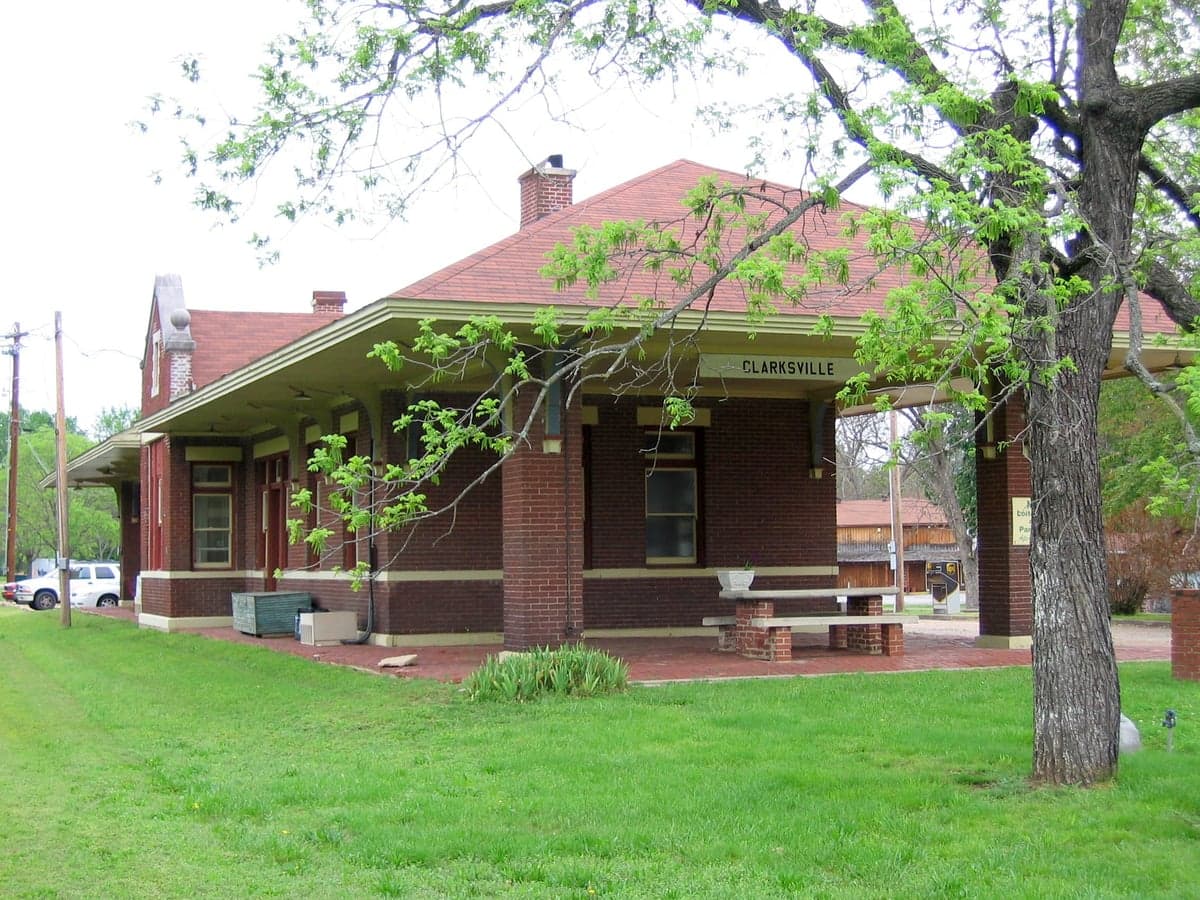
Photo: Wikipedia
Quality of Life in Clarksville, AR
Above-average quality of iife. The area offers a reasonable cost of living, decent mobility, and a mix of neighborhood amenities.
What does Quality of Life tell us?
Quality of Life blends cost of living, nearby amenities, socioeconomic signals, and neighborhood character. City-level scores represent the whole municipality; individual neighborhoods can differ.
What does this tell us?
Quality of Life blends cost of living, nearby amenities, socioeconomic signals, and neighborhood character. City-level scores represent the whole municipality; individual neighborhoods can differ.
Cost of Living
38% below national average
The Real Cost of Living in Clarksville, AR for 2026
| Tier | Individual | Family (4) |
|---|---|---|
| Survival | $12k | $23k |
| Comfortable | $31k | $46k |
| Luxury | $68k+ | $106k+ |
| Elite (Top 5%) | $94k+ | $145k+ |
83%
The Area Signal
A metric tracking the socioeconomic signals of the area.
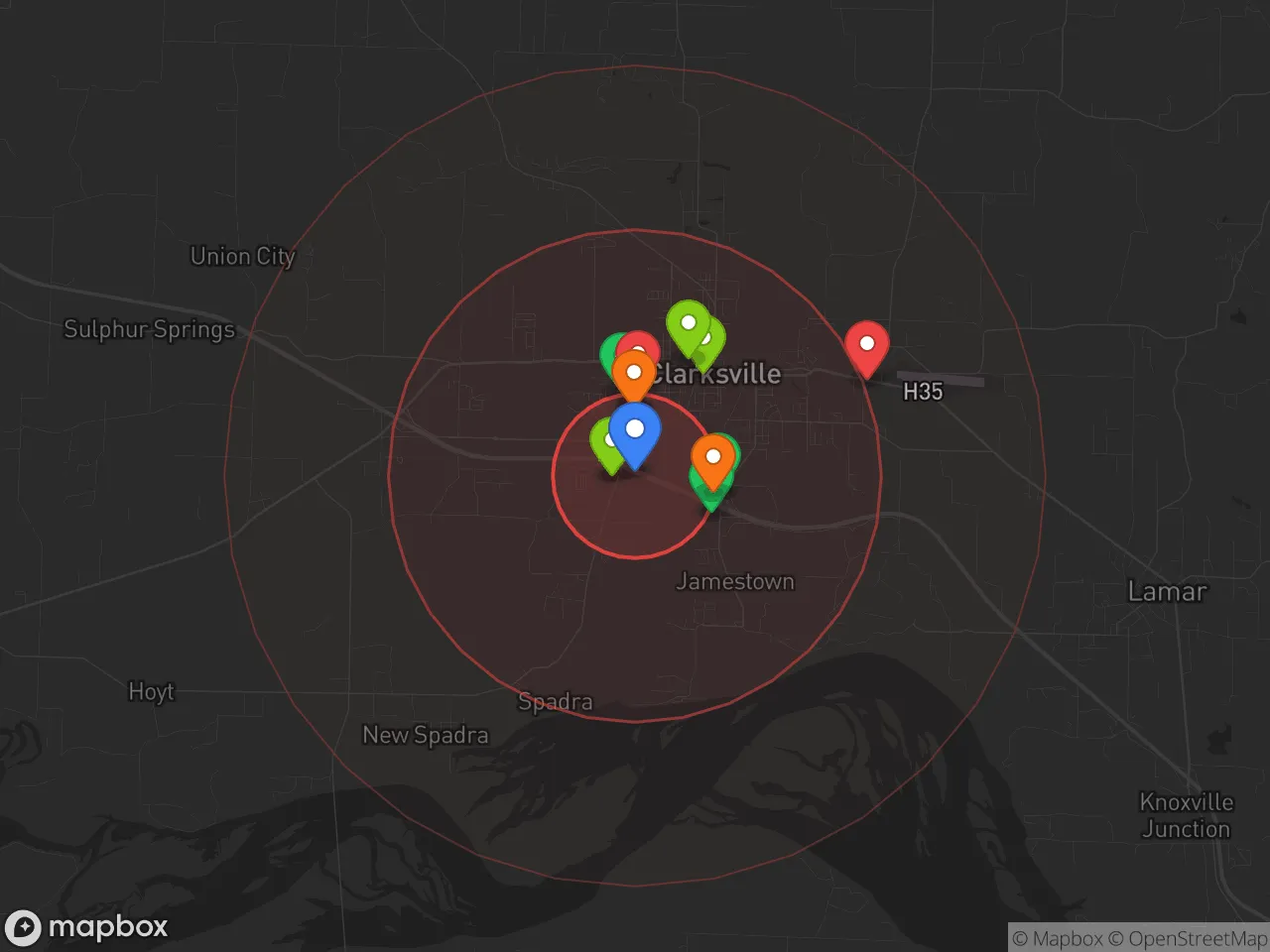
Hobbies
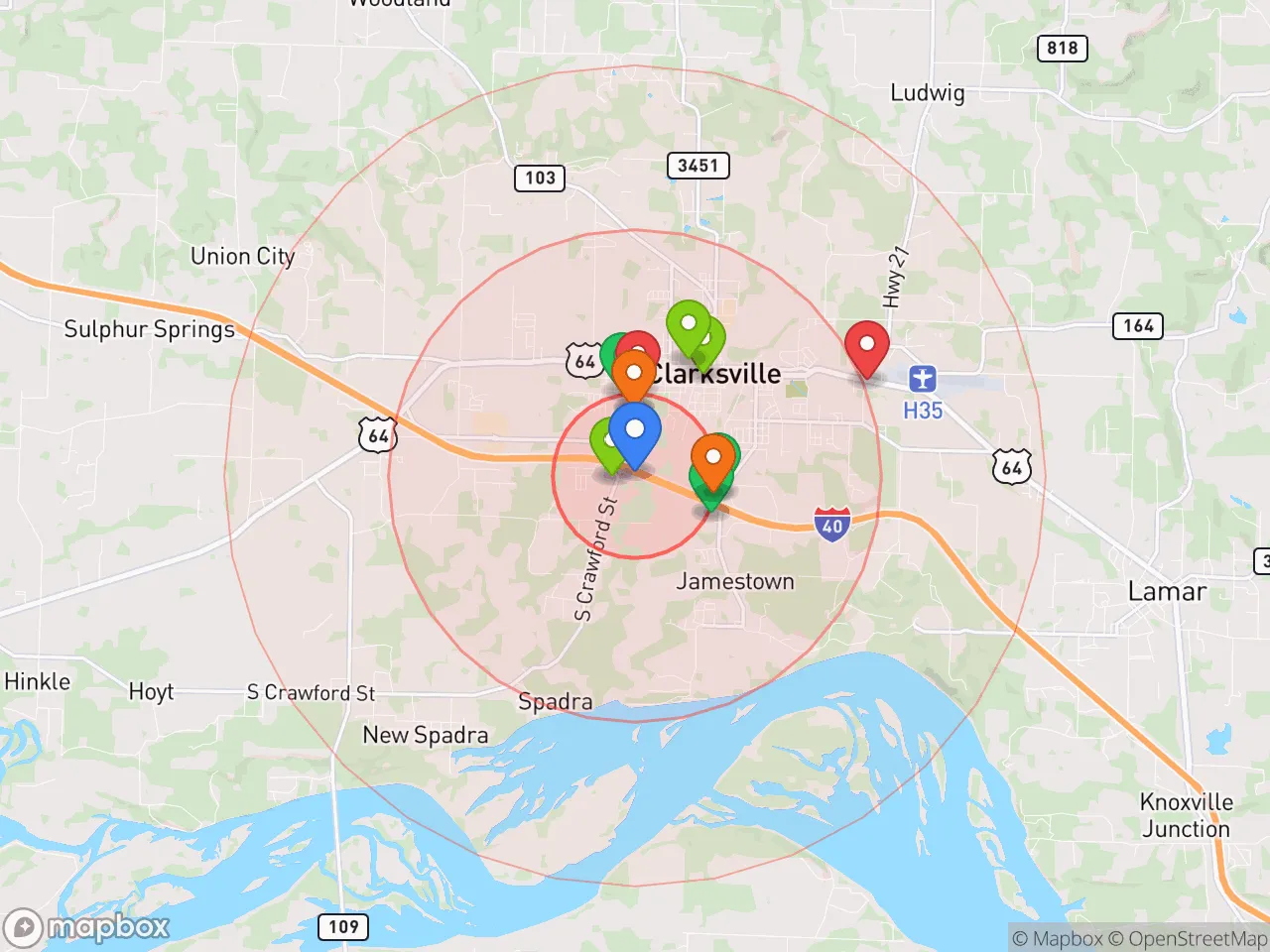
Explore the areaGroceries
1 within 10 miles
Gas
8 within 10 miles
Hospital
3 within 20 miles
Airport
DFW — Dallas/Fort Worth International
Post Office
USPS — Clarksville, AR
Critical Amenities
Quality-of-Life Analysis
Clarksville, Arkansas, offers a notably affordable quality of life that attracts a mix of families, retirees, and remote workers seeking a slower pace without sacrificing access to outdoor recreation. With a cost of living index of 62 (well below the U.S. average of 100), the Johnson County seat provides a financial cushion that allows residents to stretch their incomes further than in nearby Fayetteville or Fort Smith. The population skews slightly older than the state median, and the community is characterized by a strong sense of local pride, anchored by the University of the Ozarks and a growing number of small businesses along the historic downtown square.
How housing costs and daily expenses compare to nearby towns
Clarksville’s housing market is a primary draw for newcomers. The median home value sits at $159,700, roughly half the median in Fayetteville (around $320,000) and significantly less than in Springdale or Rogers. Median rent is $754, making it one of the most affordable rental markets in the Arkansas River Valley. Utility costs and grocery prices also track below state averages, contributing to the overall low COL index. The average commute of 15.6 minutes is notably short, reflecting the town’s compact layout and limited traffic congestion — a stark contrast to the 25- to 30-minute commutes common in the Northwest Arkansas metro. Property taxes in Johnson County are moderate, and while sales tax is 9.5% (among the higher rates in the state), the low housing burden offsets this for most households.
What daily life is like for families and retirees
Daily life in Clarksville revolves around a walkable downtown core, the University of the Ozarks campus, and the nearby Ozark National Forest. The Clarksville School District serves roughly 2,000 students and maintains above-average graduation rates, while private and parochial options are limited. For groceries and errands, residents rely on a mix of local markets and chain retailers along U.S. Highway 64. Dining leans toward family-owned diners and Mexican restaurants, with no national fast-casual chains dominating the scene. Outdoor amenities include the Spadra Creek Greenway, Lake Ludwig Park, and easy access to the Mulberry River for canoeing and fishing. Healthcare is provided by Johnson Regional Medical Center, a critical-access hospital with a 24-hour emergency department. The town’s rhythm is quiet — most businesses close by 6 p.m., and weekend evenings center on high school sports, church events, or university performances.
Clarksville is best suited for those who prioritize low housing costs, short commutes, and proximity to nature over urban nightlife or high-end retail. Remote workers and retirees will find the affordability especially attractive, while families benefit from the safe streets and community-oriented schools. Professionals seeking career growth in larger industries may find the local job market limited — the largest employers are the school district, the university, and a few manufacturing plants — but the low cost of living makes it feasible to commute to Russellville (30 minutes east) or Fayetteville (45 minutes north) for work. For anyone willing to trade metropolitan amenities for financial breathing room and a tight-knit community, Clarksville delivers a stable, low-stress foundation.

Crime in Clarksville, AR
Generally safer than 74% of comparable U.S. locations.
Violent CrimeViolent Crime Analysis
Property CrimeProperty Crime Analysis
Crime Analysis
Clarksville, Arkansas, reports a violent crime rate of 331 per 100,000 residents and a property crime rate of 1,210.3 per 100,000, placing it above national averages for both categories. While not among the most dangerous cities in the state, these figures indicate a safety environment that requires careful consideration, particularly for families and individuals relocating from lower-crime areas. The overall safety picture is mixed, with property offenses being the more prevalent concern for daily life.
Crime in context
Clarksville’s violent crime rate of 331 per 100,000 is roughly 15% higher than the national average of approximately 287 per 100,000, and significantly above Arkansas’s state average of around 290 per 100,000. Property crime in Clarksville, at 1,210.3 per 100,000, also exceeds the national benchmark of about 1,100 per 100,000 and is notably higher than the Arkansas state average of roughly 1,050 per 100,000. These comparisons place Clarksville in a higher-risk tier relative to both the state and the country, suggesting that residents face elevated odds of experiencing theft, burglary, or vandalism. The data does not break down by specific offense types, but the elevated property crime rate is a clear signal for proactive home security measures.
What residents experience
For those living in Clarksville, the most tangible safety concern is property crime. Residents commonly report incidents of vehicle break-ins, package theft, and occasional residential burglaries, particularly in areas with lower street lighting or less foot traffic. Violent crime, while less frequent, does occur and often involves disputes among acquaintances rather than random attacks on strangers. The presence of progressive judicial philosophies in Johnson County, which can prioritize rehabilitation over incarceration, may contribute to a revolving-door effect for repeat property offenders. This approach, while well-intentioned, can undermine public confidence in the justice system and lead to higher recidivism rates, directly impacting victims who see little accountability. Daily life in Clarksville requires vigilance: locking doors, securing valuables, and staying aware of surroundings, especially after dark.
Neighborhood-level variation is notable. Areas closer to the University of the Ozarks campus and newer subdivisions near Highway 64 tend to report lower crime rates, while older rental-heavy zones near the downtown core and along the railroad tracks see more frequent police calls. The eastern side of town, near the industrial park, has intermittent property crime spikes. Prospective residents should research specific blocks and talk to local police or long-term neighbors, as safety can shift dramatically within a few streets. Overall, Clarksville demands a cautious approach, with property crime being the primary risk and progressive justice policies potentially exacerbating repeat offenses.
* Values derived from national, state, county, city and local statistics and may differ in a specific area. Last updated: 2026-04-30T01:06:46.000Z
Narrative content on this page is AI-generated and may contain mistakes. Verify any details that matter before acting on them.
ReloMaps may earn a commission from affiliate links at no extra cost to you.

