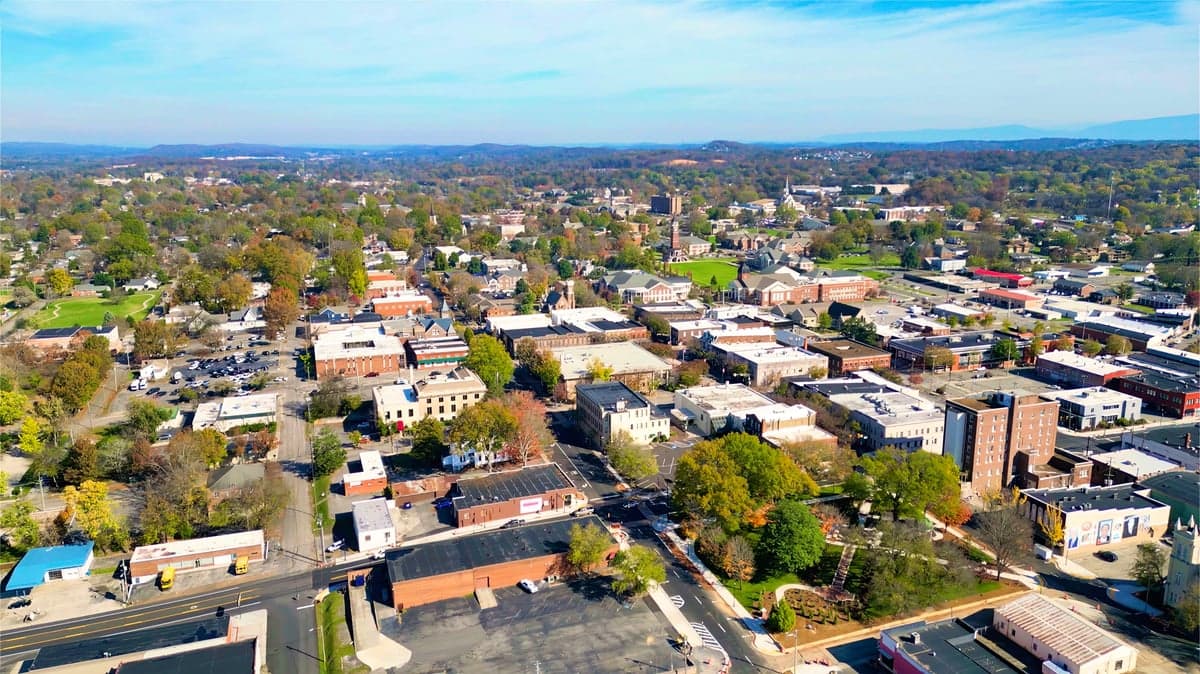
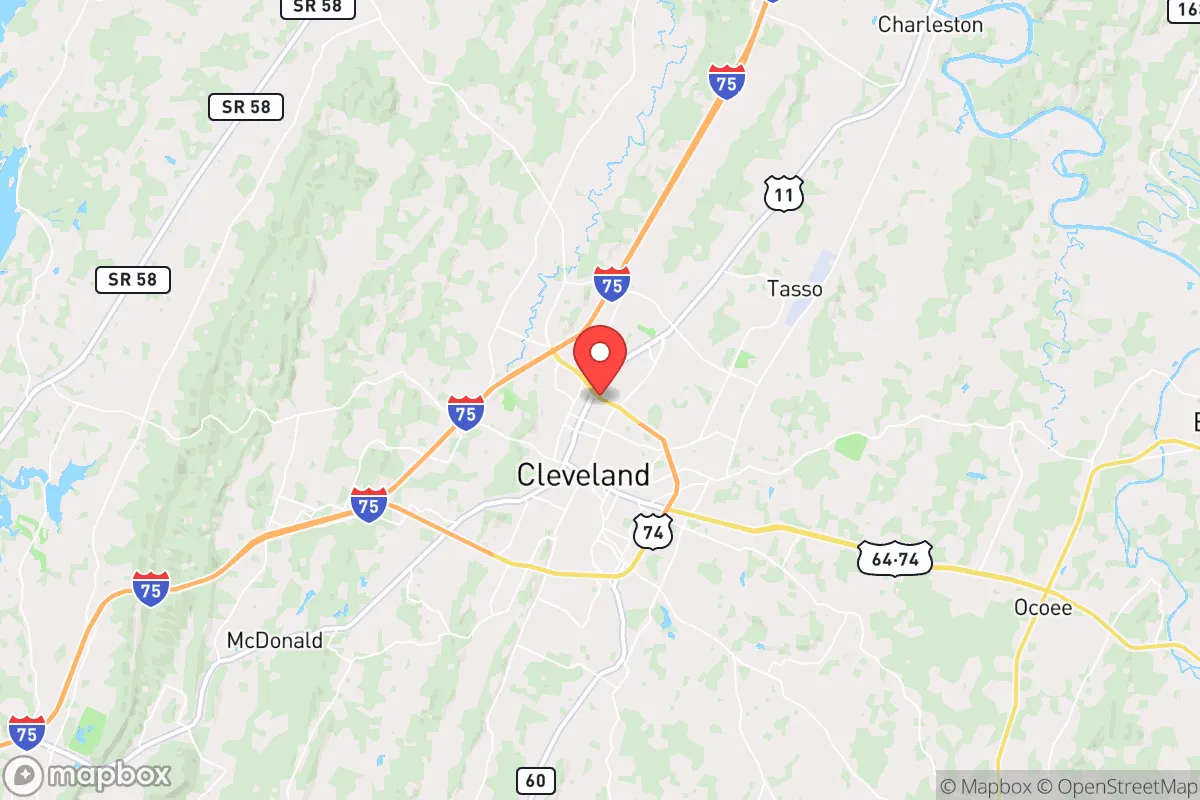
Photo: Wikipedia
Quality of Life in Cleveland, TN
A high quality of life with strong walkability, manageable living costs, healthy neighborhood signals, and solid amenity access.
What does Quality of Life tell us?
Quality of Life blends cost of living, nearby amenities, socioeconomic signals, and neighborhood character. City-level scores represent the whole municipality; individual neighborhoods can differ.
What does this tell us?
Quality of Life blends cost of living, nearby amenities, socioeconomic signals, and neighborhood character. City-level scores represent the whole municipality; individual neighborhoods can differ.
Cost of Living
16% below national average
The Real Cost of Living in Cleveland, TN for 2026
| Tier | Individual | Family (4) |
|---|---|---|
| Survival | $15k | $29k |
| Comfortable | $47k | $69k |
| Luxury | $101k+ | $157k+ |
| Elite (Top 5%) | $129k+ | $199k+ |
81%
The Area Signal
A metric tracking the socioeconomic signals of the area.
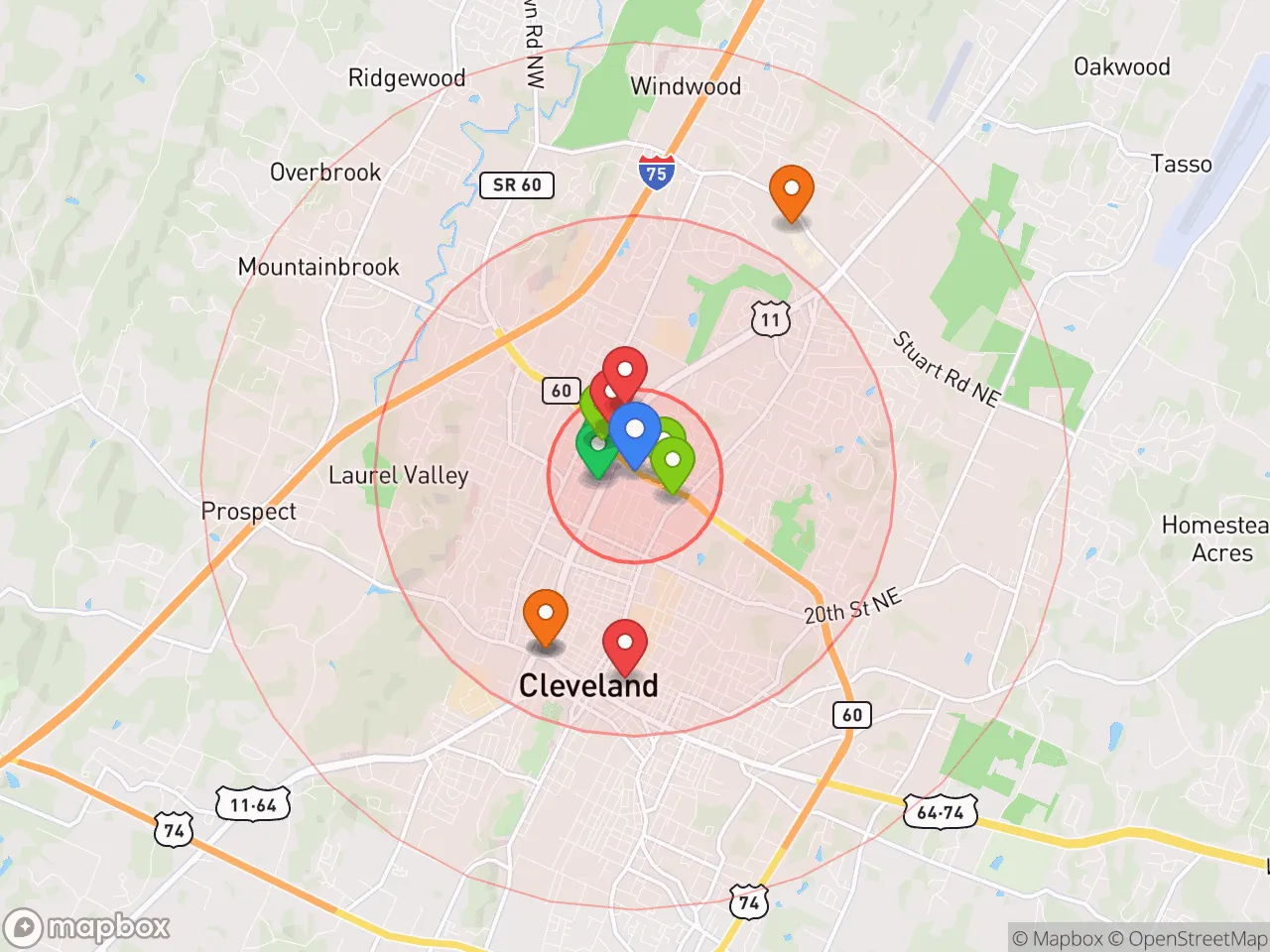
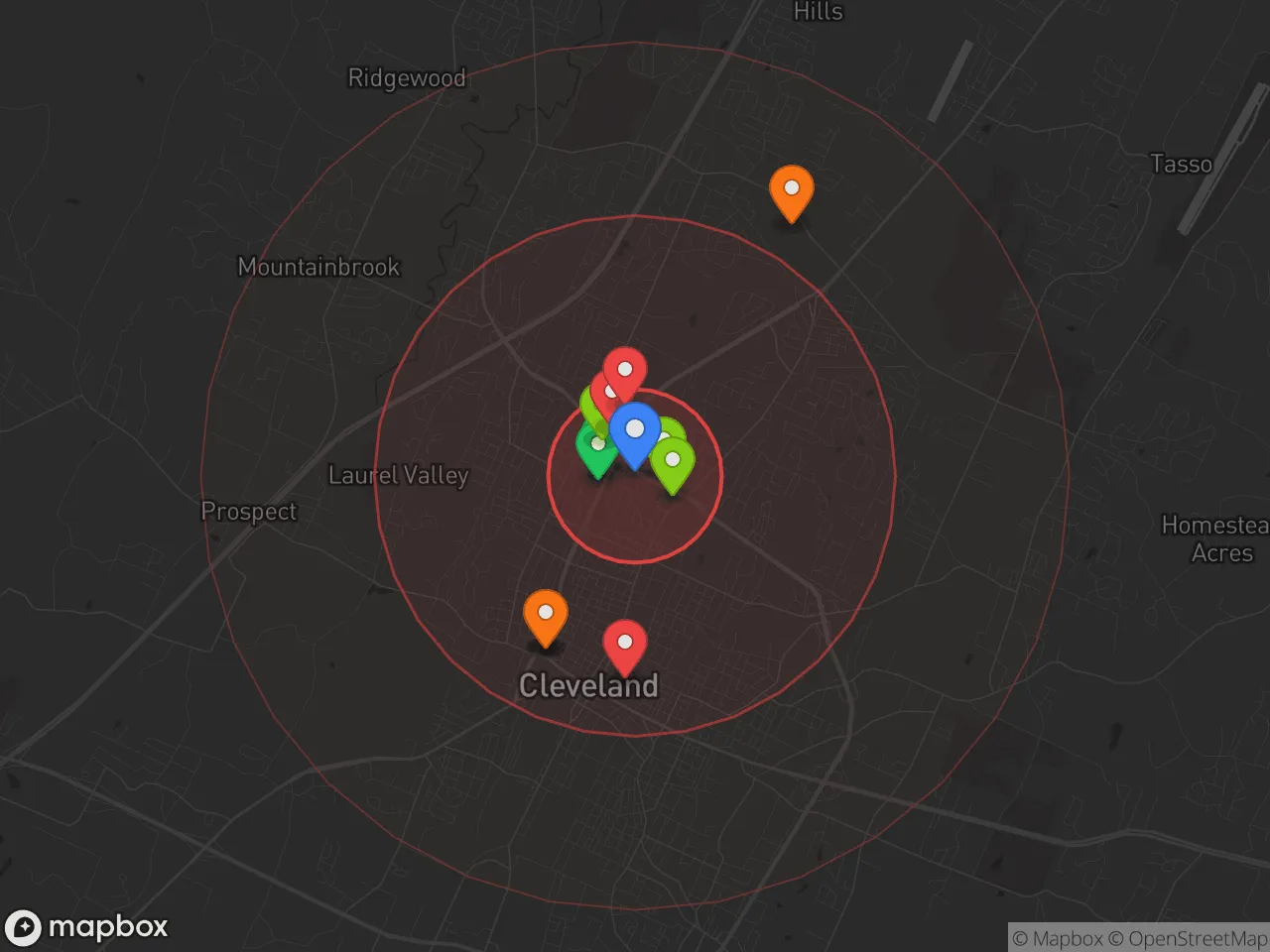
Hobbies
Explore the areaGroceries
6 within 10 miles
Gas
20 within 10 miles
Hospital
3 within 20 miles
Airport
ATL — Hartsfield–Jackson Atlanta International
Post Office
USPS — Cleveland, TN
Critical Amenities
Quality-of-Life Analysis
Cleveland, Tennessee, presents a quality of life defined by a lower cost of living and a steady, family-oriented pace, attracting a mix of young professionals, growing families, and retirees from higher-cost regions. The city’s median household income of roughly $55,000 supports a comfortable lifestyle, with the population skewing slightly younger than the national average due to the presence of Lee University and Cleveland State Community College. This blend of college-town energy and traditional Southern community values creates a distinct, grounded atmosphere.
Cost of living, housing, and affordability compared to Chattanooga and Knoxville
Cleveland’s overall cost of living index stands at 84, a full 16 points below the U.S. average, making it one of the more affordable cities in Tennessee’s southeastern corridor. The median home value of $241,800 is roughly $60,000 less than the median in Chattanooga (about 30 miles west) and nearly $100,000 below Knoxville’s median, offering significant equity-building potential for first-time buyers. Median rent of $966 undercuts both Chattanooga’s average ($1,250) and the national median, allowing renters to allocate more income to savings or discretionary spending. The average commute of just 20.9 minutes is notably shorter than the national average of 26 minutes, reducing transportation costs and daily stress. Property taxes in Bradley County remain low, typically around 0.6% of assessed value, further stretching household budgets compared to neighboring Hamilton County.
Everyday amenities, schools, and the rhythm of daily life
Daily life in Cleveland centers on a walkable downtown core along Ocoee Street, anchored by the Museum Center at Five Points and a growing roster of locally owned restaurants and breweries. The Bradley County School System serves most residents, with Walker Valley High School and Cleveland High School both offering dual-enrollment programs with Cleveland State Community College. For higher education, Lee University provides cultural events, concerts, and a steady influx of young adults that keeps the local economy vibrant. Outdoor recreation is a major draw: the Hiwassee River and Ocoee River (site of the 1996 Olympic whitewater events) are within a 20-minute drive, offering rafting, kayaking, and hiking. The city’s retail corridor along Paul Huff Parkway contains big-box stores and national chains, while the Cleveland Farmers Market (April–October) supplies fresh local produce. Healthcare access is solid, with Tennova Healthcare Cleveland providing a 251-bed hospital and multiple urgent-care clinics.
This quality of life best suits families and professionals who prioritize affordability, short commutes, and outdoor access over urban nightlife or high-end cultural amenities. Remote workers and retirees from higher-cost states like California or New York will find their dollars stretch significantly further here, while young families benefit from the low crime rate relative to larger Tennessee cities and the strong public school options. Those seeking a slower, community-focused lifestyle with easy weekend access to Chattanooga’s dining scene or the Great Smoky Mountains will find Cleveland a practical, welcoming base.

Crime in Cleveland, TN
Higher crime rates than 57% of comparable U.S. locations.
Violent CrimeViolent Crime Analysis
Property CrimeProperty Crime Analysis
Crime Analysis
Cleveland, Tennessee, reports a violent crime rate of 545 incidents per 100,000 residents and a property crime rate of 1,784.4 per 100,000, placing it above both state and national averages for communities of its size. While not among the most dangerous cities in the Southeast, these figures indicate a safety environment that requires careful neighborhood selection and routine precautions. The city’s proximity to the Chattanooga metropolitan area introduces additional dynamics, as larger urban crime patterns can spill into surrounding communities.
Crime in context
Cleveland’s violent crime rate is roughly 40% higher than the national average of approximately 380 per 100,000, while its property crime rate exceeds the U.S. median of about 1,950 per 100,000 by a narrower margin. Compared to Tennessee’s statewide violent crime rate of roughly 620 per 100,000, Cleveland sits slightly below that benchmark, but the gap is small. The city’s property crime rate, however, is notably lower than the Tennessee average of around 2,200 per 100,000. These numbers place Cleveland in a middle tier among Tennessee municipalities—safer than Memphis or Chattanooga proper, but riskier than suburban communities like Ooltewah or Collegedale. Readers should be aware that Cleveland falls within Bradley County, which is part of the broader Chattanooga metro statistical area. Large metro areas, particularly those with liberal and progressive judges and district attorneys, often experience elevated crime due to lenient sentencing and reduced accountability for repeat offenders. While Bradley County’s judicial philosophy is more conservative than Hamilton County’s, the regional influence of progressive prosecution policies in Chattanooga can still affect crime patterns in surrounding cities like Cleveland.
What residents experience
Property crime—including theft, burglary, and vehicle break-ins—is the most common safety concern for Cleveland residents. Vehicle-related thefts and package thefts are frequently reported near retail corridors like Paul Huff Parkway and the Keith Street area. Violent crime, while less frequent, is concentrated in specific pockets, particularly around apartment complexes near the U.S. 64/74 bypass and older neighborhoods east of the downtown square. Aggravated assault accounts for the majority of violent incidents, with robbery and rape occurring at lower rates. Residents in single-family home subdivisions on the city’s north and west sides generally report fewer safety incidents than those in denser, mixed-use areas closer to the city center. The presence of Lee University and Cleveland State Community College contributes to a transient population that can affect crime patterns, particularly during academic breaks.
Neighborhood-level variation is significant. The area around the Cleveland Mall and the intersection of 25th Street and Keith Street sees elevated property crime, while the historic downtown district and newer developments along Mouse Creek Road tend to be quieter. South Cleveland, near the Bradley County line, and the Spring Place Road corridor are generally considered safer, with lower incident rates. Prospective residents should consult the Cleveland Police Department’s online crime mapping tool and drive through target neighborhoods at different times of day to assess real-world conditions. Overall, Cleveland offers a manageable safety profile for those who choose their location carefully and practice standard urban precautions.
* Values derived from national, state, county, city and local statistics and may differ in a specific area. Last updated: 2026-05-01T08:07:25.000Z
Narrative content on this page is AI-generated and may contain mistakes. Verify any details that matter before acting on them.
ReloMaps may earn a commission from affiliate links at no extra cost to you.

