Political ClimatePolitical Climate in Clifton, NJ
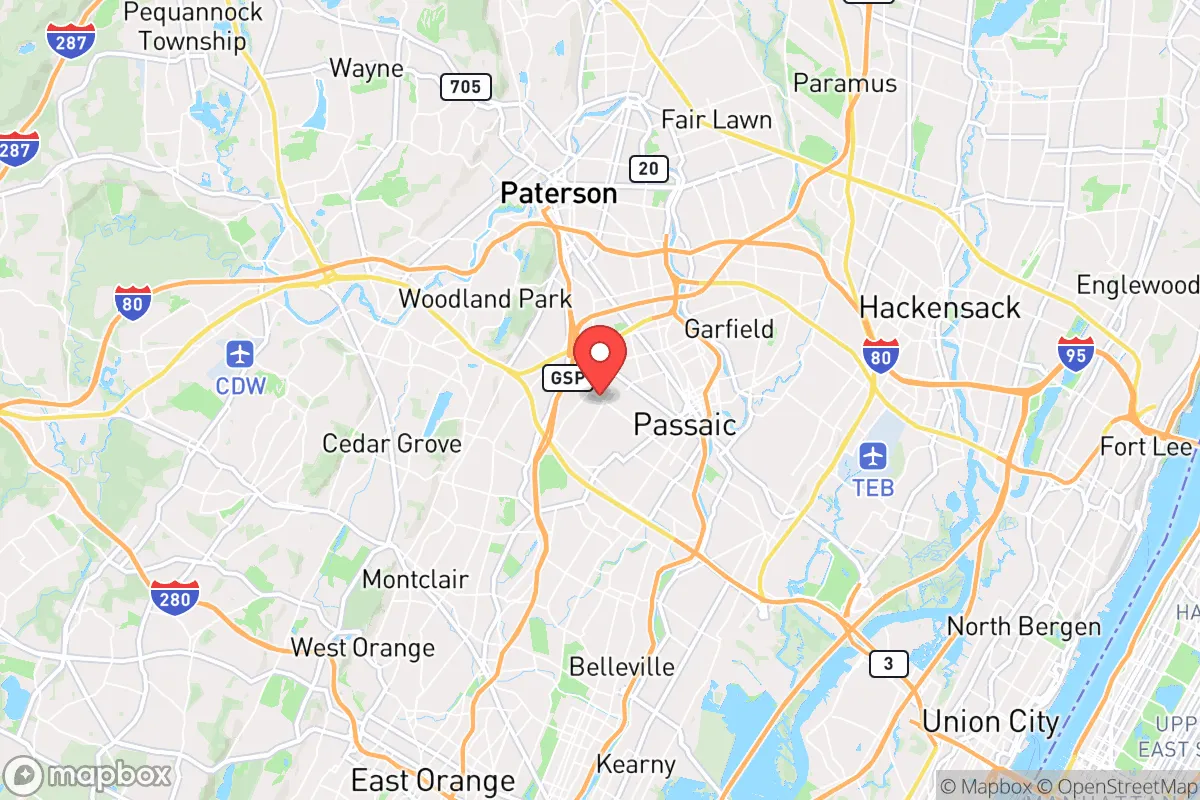
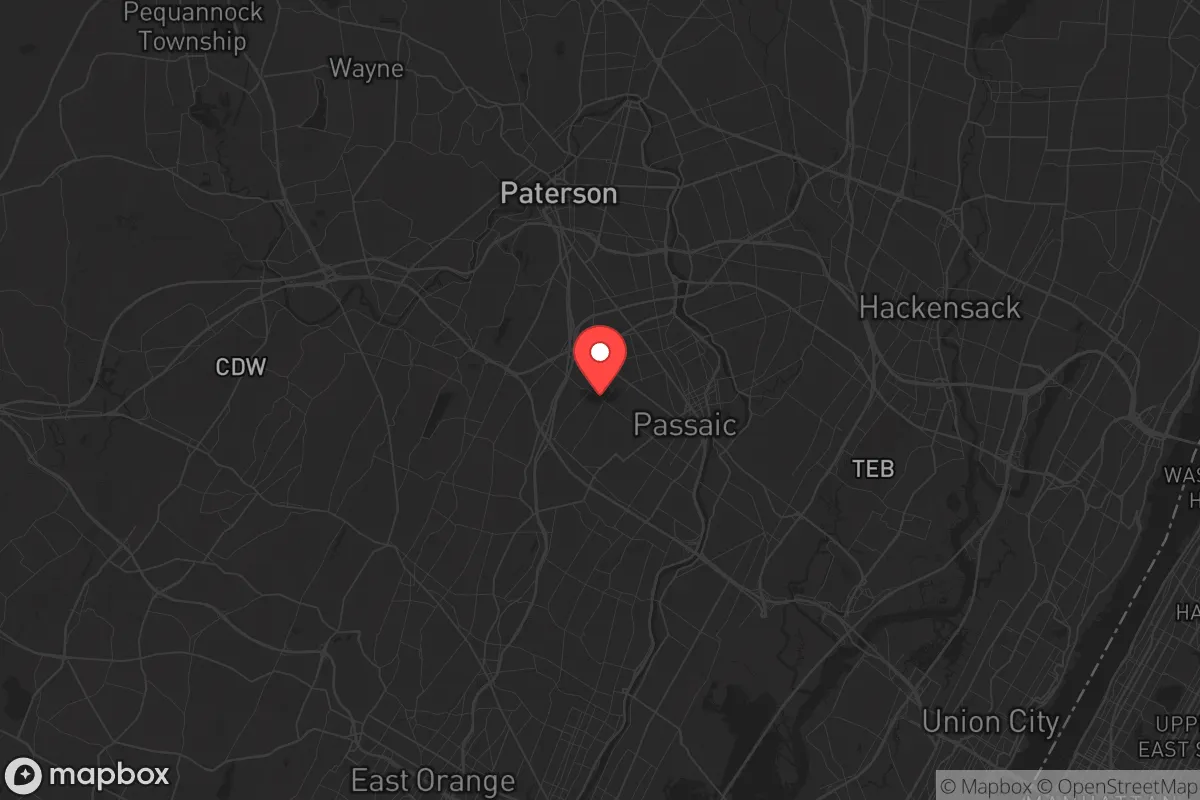
District shown is the primary district for this city’s centroid. Cities may span multiple districts.
Local Political AnalysisPolitical Analysis of Clifton, NJ
Clifton, New Jersey, sits in a tricky spot politically, and if you’ve lived here as long as I have, you’ve watched it shift from a reliably moderate, common-sense town to something that’s starting to lean a little too far left for comfort. The Cook PVI clocks it at D+2, which sounds mild, but that number hides a lot of the real story. In practice, that D+2 means the local machine has been steadily pushing progressive policies that chip away at personal freedoms—higher taxes, more zoning overreach, and a school board that’s gotten tangled up in ideology instead of sticking to reading, writing, and arithmetic. The trajectory isn’t good: each election cycle brings a tighter grip on local governance, and the old guard of fiscal conservatives who kept things balanced are getting squeezed out.
How it compares
Drive ten minutes west to Wayne or north to Woodland Park, and you’ll feel the difference immediately. Those towns still vote more Republican, and their local councils tend to push back on state-level mandates that Clifton just swallows whole. Wayne, for example, has a stronger homeowners’ association culture and a tax base that fights harder against wasteful spending. Clifton, by contrast, has become a bit of a rubber stamp for progressive county and state policies—think strict rent control ordinances that discourage small landlords, or zoning changes that prioritize high-density development over single-family neighborhoods. Even neighboring Passaic, which is more Democratic, has a grittier, hands-off attitude that lets people live their lives without as much bureaucratic meddling. Clifton’s problem is that it’s caught between the old-school, live-and-let-live ethos of North Jersey and the new wave of activist governance coming out of Trenton and Essex County.
What this means for residents
For the average family or small business owner, the political tilt here means you’re dealing with more government overreach than you’d expect from a town that still has a decent number of union workers and veterans. Property taxes are already among the highest in the nation, and the local council’s appetite for new fees and regulations—like plastic bag bans, energy mandates, and “equity” training requirements for contractors—adds layers of cost and hassle without making life better. If you value personal freedom, like the right to run a home-based business without a dozen permits or to send your kid to school without them being taught that America is fundamentally broken, Clifton’s direction is concerning. The school board has started pushing DEI initiatives that crowd out core academics, and the police department, while still professional, faces increasing pressure to “reform” in ways that make officers hesitant to actually enforce laws. Long-term, if the trend holds, expect more of the same: higher taxes, more red tape, and a local government that sees itself as a social engineering project rather than a service provider.
Culturally, Clifton still has its charms—great diners, a strong immigrant community, and that no-nonsense Jersey attitude—but the policy distinctions are becoming sharper. The town was one of the first in Passaic County to adopt a “sanctuary” resolution, which sounds noble but effectively ties local police’s hands when dealing with federal immigration enforcement. That kind of move might sit well with activists, but for residents who want a safe, orderly community where the law is applied evenly, it’s a red flag. The bottom line: Clifton is still a decent place to raise a family if you keep your head down, but the political winds are blowing toward more government control, less personal liberty, and a future that looks a lot more like Newark than the Clifton I grew up in. Keep an eye on the next few local elections—if the progressive slate wins again, it might be time to consider a move to Wayne or even further west.

State Political ClimatePolitical Climate in New Jersey
State Political AnalysisPolitical Environment in the State
New Jersey has shifted from a classic swing state to a reliably blue stronghold over the past two decades, with Democrats now holding every statewide office and commanding supermajorities in both legislative chambers. The state hasn't voted for a Republican presidential candidate since George H.W. Bush in 1988, and the partisan lean has only deepened — Joe Biden carried the state by 16 points in 2020, while Hillary Clinton won by 14 in 2016. What was once a battleground defined by moderate Republican governors like Christie Whitman and Chris Christie has become a one-party state where progressive policy agendas advance with little organized resistance, driven by dense urban populations in the northeast corridor and a rapidly suburbanizing electorate that has moved left on social and economic issues alike.
Urban vs. rural divide
The political map of New Jersey is a study in extremes. The entire northern half of the state, anchored by Newark, Jersey City, and Paterson, votes overwhelmingly Democratic — Essex County gave Biden 76% of the vote in 2020, while Hudson County hit 70%. These urban centers are densely populated, heavily unionized, and home to large minority and immigrant communities that reliably turn out for Democrats. The suburbs immediately surrounding them — places like Montclair, Maplewood, and South Orange — have become some of the most progressive enclaves in the country, with school boards and town councils pushing equity-focused policies and high property taxes to fund expansive public services. Meanwhile, the southern and western portions of the state tell a different story. Ocean County, anchored by Toms River, voted +24 for Trump in 2020, making it one of the most Republican counties in the Northeast. Rural Sussex County and Hunterdon County also lean red, but their populations are too small to offset the urban vote. The Princeton and New Brunswick corridors, home to elite universities and research hospitals, are deep blue and growing. The net effect is a state where Republicans can win local offices in the exurbs and shore towns but have zero realistic path to statewide power.
Policy environment
New Jersey's policy environment is defined by high taxes, heavy regulation, and an expansive welfare state that leaves little room for personal or economic freedom. The state has the highest property taxes in the nation, with the average effective rate hovering around 2.5% — meaning a $400,000 home carries a $10,000 annual tax bill. Income taxes are progressive and steep, topping out at 10.75% for earners over $1 million. The state also imposes a sales tax of 6.625%, with no exemptions for groceries or clothing. On education, New Jersey spends more per pupil than almost any other state — over $25,000 annually — yet test scores remain mediocre, and the state's powerful teachers union (NJEA) blocks most reform efforts. Healthcare is dominated by the state's Medicaid expansion and the Affordable Care Act marketplace, with the state running its own exchange. Election laws are among the most liberal in the country: no-excuse mail-in voting, automatic voter registration, and same-day registration are all in place. The state also has some of the strictest gun laws in America, including a 2018 "red flag" law and a 2022 carry-killer law that effectively ended public carry by requiring a "justifiable need" standard — a policy that was struck down by the Supreme Court in NYSRPA v. Bruen but has been re-implemented through a "sensitive places" loophole that bans guns in most public spaces.
Trajectory & freedom
New Jersey is clearly trending less free across multiple dimensions. The 2022 "Freedom to Read" law, signed by Governor Phil Murphy, allows the state to override local school board decisions on book removals, effectively centralizing control over curriculum content. In 2023, the state passed a law requiring all public schools to adopt "inclusive" history standards that emphasize LGBTQ+ and racial justice narratives, with no opt-out for parents. On the medical autonomy front, New Jersey legalized assisted suicide in 2019 and has a broad medical marijuana program, but it also mandates COVID-19 vaccines for healthcare workers and has some of the strictest vaccine mandates for schoolchildren in the country — no philosophical exemptions allowed. Property rights have been eroded by the state's aggressive use of eminent domain for redevelopment projects, particularly in cities like Newark and Camden, where private land has been seized for corporate-backed developments. The state's 2020 "Clean Energy Act" effectively bans new gas stations and natural gas hookups in new construction, forcing homeowners toward expensive electric alternatives. On the positive side for conservatives, New Jersey has a strong right-to-carry movement that has successfully challenged the state's gun laws in court, and the 2023 election saw a slight uptick in Republican turnout in exurban counties, suggesting some pushback against the progressive agenda.
Civil unrest & political movements
New Jersey has seen its share of political flashpoints. The 2020 Black Lives Matter protests in Newark and Trenton were large and occasionally violent, with property damage and clashes with police. The state's sanctuary policy, codified in 2018 by Attorney General Gurbir Grewal's "Immigrant Trust Directive," prohibits state and local law enforcement from cooperating with federal immigration authorities — a policy that remains in place despite federal challenges. In 2021, a controversial "equity" curriculum mandate sparked heated school board meetings in Montclair and Maplewood, with parents on both sides clashing over critical race theory and LGBTQ+ content. The 2022 election integrity debate was muted compared to other states, but there were credible reports of mail-in ballot irregularities in Paterson during the 2020 primary, leading to a court-ordered redo of several city council races. The state's strong union presence means that labor protests are common — the NJEA regularly shuts down schools for "advocacy days" that are effectively political rallies. On the right, the New Jersey Firearms Coalition and the Garden State Gun Rights Coalition have been active in court battles and legislative testimony, but they lack the numbers to shift policy. The most visible political movement in recent years has been the "School Choice" push, with parents in Camden and Newark demanding charter school access, but the state's powerful teachers union has blocked most expansion.
Projection
Over the next 5-10 years, New Jersey will likely become more progressive and less free. Demographic trends are clear: the state's population is aging and shrinking in rural areas while growing in urban and dense suburban centers. In-migration from New York City is accelerating, bringing even more left-leaning voters to places like Jersey City and Hoboken. The state's high cost of living is driving out young families and middle-class conservatives to lower-tax states like Florida, Texas, and Tennessee — a trend that only reinforces the Democratic majority. The Republican Party in New Jersey is increasingly confined to the exurbs and shore towns, with no credible statewide candidate on the horizon. Expect more gun control, more centralized education mandates, and higher taxes as the state grapples with its massive unfunded pension liability — currently over $150 billion. The only wild card is a potential federal shift: if the Supreme Court continues to strike down state-level restrictions on guns, speech, or religious liberty, New Jersey may be forced to moderate. But for now, the trajectory is clear: New Jersey is a one-party state that will continue to expand government control over daily life.
For a conservative-leaning individual or family considering a move to New Jersey, the bottom line is sobering. You will pay the highest property taxes in the country, face some of the strictest gun laws, and send your children to schools where progressive ideology is baked into the curriculum. Your local school board may have less control over what your kids learn than the state Department of Education. Your ability to carry a firearm for self-defense is severely restricted. And your vote for statewide office will be effectively meaningless — the Democratic primary is the only election that matters. If you value low taxes, personal autonomy, and a government that stays out of your life, New Jersey is likely not the right fit. However, if you need to be in the Northeast for work or family, and you're willing to pay a premium for proximity to New York or Philadelphia, you can find conservative enclaves in Ocean County, Sussex County, or parts of Hunterdon County — just know that your vote will be a lonely one in a state that is moving decisively in the opposite direction.
* Values derived from national, state, county, city and local statistics and may differ in a specific area. Last updated: 2026-04-29T19:25:01.000Z
Narrative content on this page is AI-generated and may contain mistakes. Verify any details that matter before acting on them.
ReloMaps may earn a commission from affiliate links at no extra cost to you.

