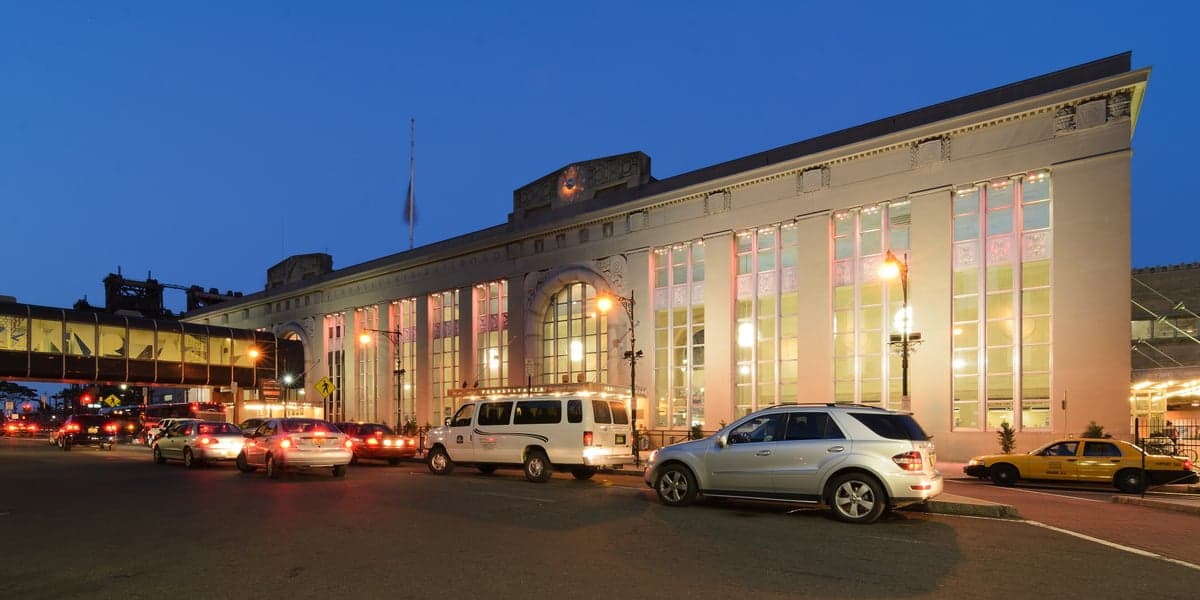
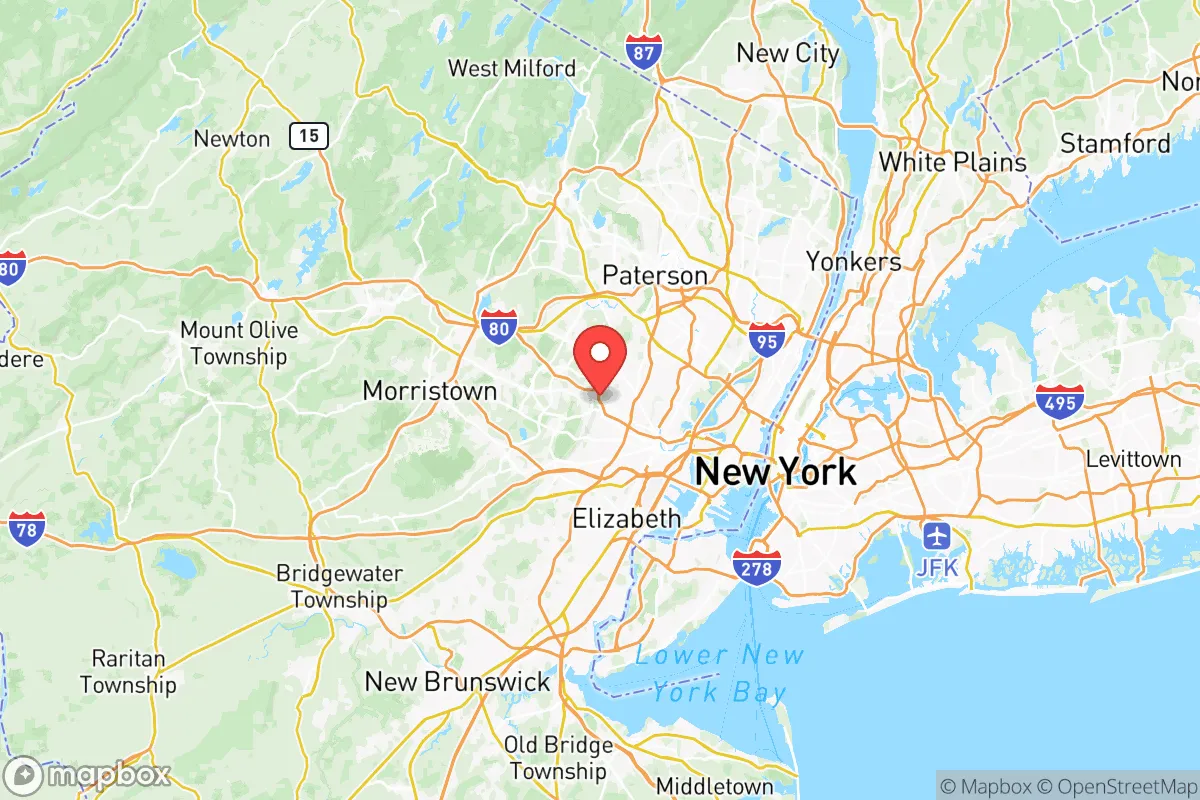
Photo: Wikipedia
Find The Best Places To Live in Essex County
PRO TIP! You can paste a Zillow or Redfin link to get info on that property.
Best Places to Live in Essex County


Cities & Towns in Essex County
Cities in Essex County
What It's Like Living in Essex County, NJ
Essex County is the kind of place where you can live in a bustling city like Newark, a quiet suburban enclave like Montclair, or a more rural-feeling corner like West Orange, all within a single county. It’s dense, diverse, and deeply layered — a mix of old industrial bones, leafy historic districts, and constant motion. Living here means accepting that you’re part of a region where nearly 854,000 people share the same roads, trains, and school districts, and where the vibe shifts block by block.
Daily Rhythm: Commutes, Coffee, and the Constant Hum
Most days in Essex County start early. The average commute clocks in at 34 minutes, and that number feels real whether you’re driving from Bloomfield into Manhattan or taking NJ Transit from Newark to Jersey City. The county’s proximity to New York City defines much of daily life — people who live in places like Maplewood or South Orange often work in finance, media, or tech across the Hudson, and they plan their evenings around train schedules. For those who work locally, the big employers are Newark’s hospitals (University Hospital, RWJBarnabas Health), Prudential Financial, and Seton Hall University in South Orange. Weekends are for errands at the ShopRite in Livingston, brunch at a spot like Raymond’s in Montclair, or a hike through the South Mountain Reservation in West Orange. The weather follows a classic Northeast rhythm — hot, humid summers, crisp falls, and winters that can dump snow but rarely shut things down for long.
Sports & Community: Friday Nights and Pro Pride
High school sports are a genuine social glue here, especially in towns like Nutley and Belleville, where Friday-night football draws parents, alumni, and local business owners. The county is also home to Seton Hall University’s Pirates (Big East basketball), and games at the Prudential Center in Newark bring a real energy — that arena is also where the New Jersey Devils play, so hockey fans have a home team. For a more low-key scene, local youth soccer leagues and Little League games fill parks on weekends. The sports culture here isn’t as obsessive as in Texas or the Midwest, but it’s steady — people care, but they don’t build their whole identity around it.
What’s There to Do: Parks, Festivals, and the Food Scene
Essex County punches above its weight for entertainment. The Newark Museum of Art and the Montclair Art Museum draw serious crowds, and the Wellmont Theater in Montclair books national touring acts. Outdoor life centers on the Branch Brook Park in Newark — famous for its cherry blossoms in spring — and the Eagle Rock Reservation in West Orange, which offers skyline views of Manhattan. The food scene is a genuine highlight: Portuguese barbecue in the Ironbound district of Newark, Italian delis in Belleville, and farm-to-table spots in Montclair. Annual events like the Montclair Film Festival and Newark’s Lincoln Park Music Festival give the county a cultural pulse that smaller suburbs lack. The kind of person who fits here is someone who values convenience and variety over space — you trade a big yard for a short walk to a train station or a great restaurant.
Pros and Cons of Living Here
The upsides are real: diversity that’s not just a statistic — you’ll hear Spanish, Portuguese, and Tagalog in the same grocery aisle — and a cost of living that, while high (index of 145), still undercuts Manhattan or Brooklyn. The median home value of $494,400 is steep, but it buys you a Victorian in Montclair or a brick colonial in Glen Ridge, not a shoebox. The downsides are equally tangible. Traffic on the Garden State Parkway and Route 280 is a daily grind, and the violent crime rate of 156.7 per 100,000 is a real concern in parts of Newark and Irvington, though most suburban towns feel safe. Schools are a mixed bag — districts like Millburn and Livingston are top-tier, but others struggle with funding and overcrowding. What frustrates longtime residents most is the property tax burden, which is among the highest in the nation, and the feeling that you’re always paying for amenities you barely have time to use. Still, for the single professional who wants city access without the city price tag, or the parent who wants their kid to grow up around real diversity, Essex County delivers a life that’s messy, vibrant, and rarely boring.

* Values derived from national, state, county, city and local statistics and may differ in a specific area. Last updated: 2026-05-12T00:42:13.000Z
Narrative content on this page is AI-generated and may contain mistakes. Verify any details that matter before acting on them.
ReloMaps may earn a commission from affiliate links at no extra cost to you.

