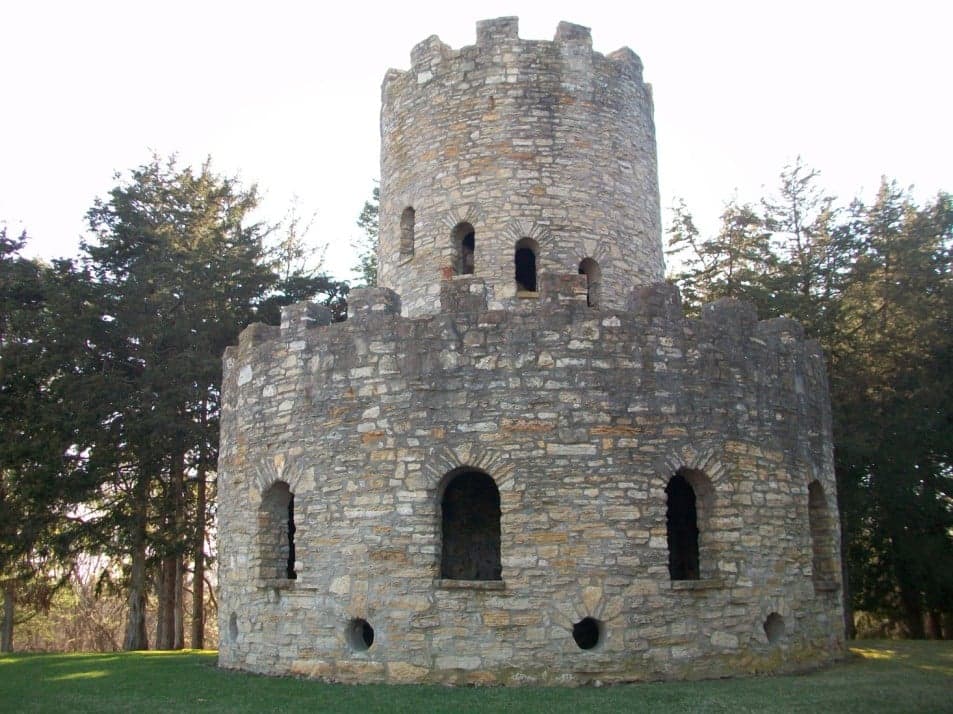
Photo: Wikipedia
Quality of Life in Clinton, IA
A high quality of life with strong walkability, manageable living costs, healthy neighborhood signals, and solid amenity access.
What does Quality of Life tell us?
Quality of Life blends cost of living, nearby amenities, socioeconomic signals, and neighborhood character. City-level scores represent the whole municipality; individual neighborhoods can differ.
What does this tell us?
Quality of Life blends cost of living, nearby amenities, socioeconomic signals, and neighborhood character. City-level scores represent the whole municipality; individual neighborhoods can differ.
Cost of Living
45% below national average
The Real Cost of Living in Clinton, IA for 2026
| Tier | Individual | Family (4) |
|---|---|---|
| Survival | $12k | $23k |
| Comfortable | $22k | $33k |
| Luxury | $103k+ | $160k+ |
| Elite (Top 5%) | $121k+ | $188k+ |
174%
The Area Signal
A metric tracking the socioeconomic signals of the area.
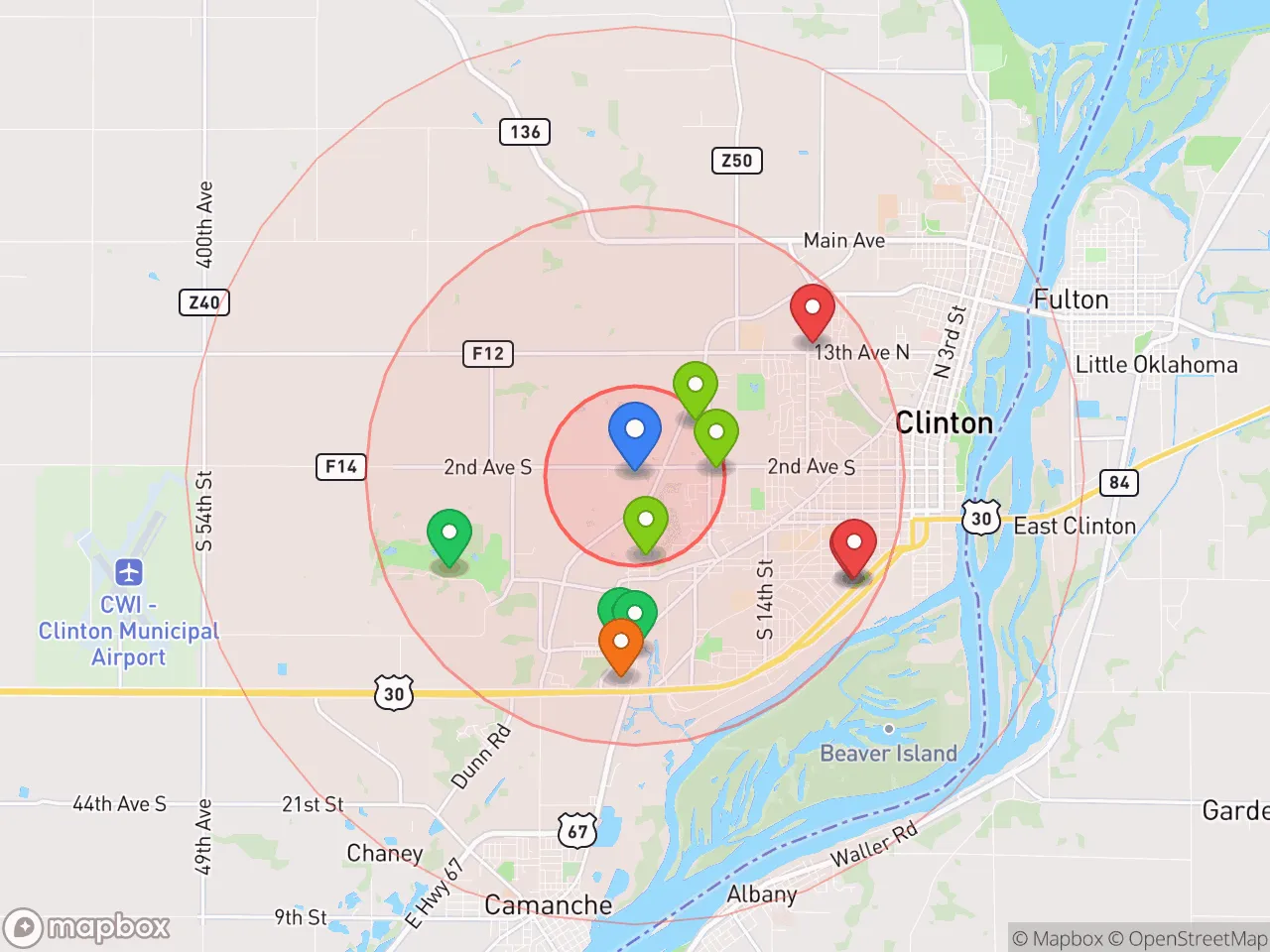
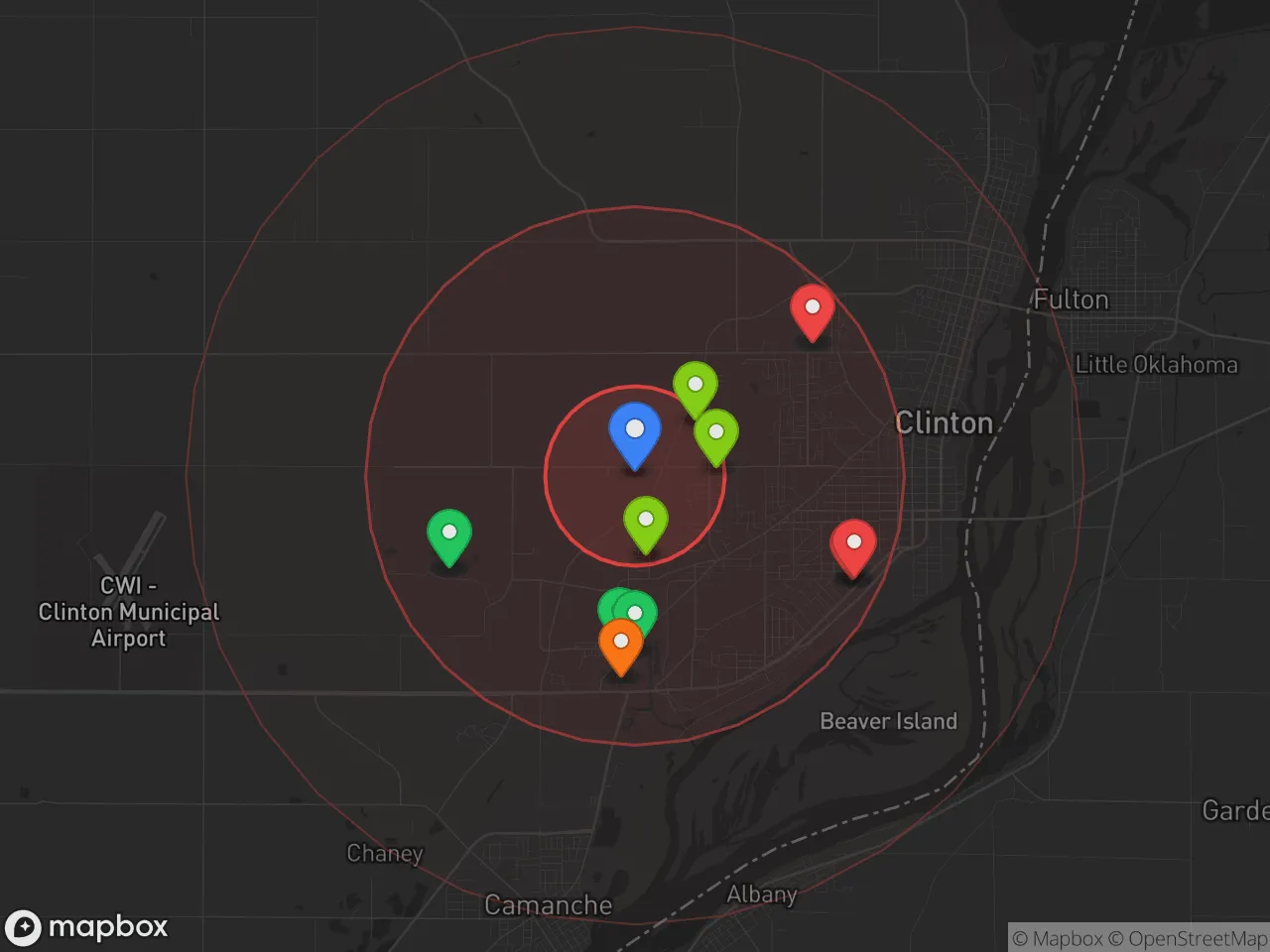
Hobbies
Explore the areaGroceries
4 within 10 miles
Gas
14 within 10 miles
Hospital
3 within 20 miles
Airport
ORD — O'Hare International
Post Office
USPS — Clinton, IA
Critical Amenities
Quality-of-Life Analysis
Clinton, Iowa, is a low-cost Mississippi River community where the cost of living index sits at 55—well below the national average of 100—making it one of the most affordable small cities in the Midwest. The area attracts a mix of retirees, manufacturing workers, and young families seeking a slower pace of life without the financial strain of larger metros. With a median household income that aligns closely with its housing costs, Clinton offers a practical, no-frills quality of life rooted in river-town tradition and industrial resilience.
How housing costs and everyday expenses compare to nearby cities
Clinton’s housing market is exceptionally affordable. The median home value is $115,400, and the median rent is $751 per month—both far below the national medians of roughly $350,000 and $1,200, respectively. This makes Clinton significantly cheaper than nearby Quad Cities metros like Davenport (median home value ~$165,000) or Bettendorf (~$220,000). The overall cost of living index of 55 means groceries, utilities, and transportation are also well below average. For a household earning the local median income of around $50,000, homeownership is easily attainable, and rent consumes a manageable portion of income. The average commute of 19.3 minutes is short by national standards, reducing transportation costs and freeing up time for family or recreation.
What daily life is like for families, retirees, and workers
Daily life in Clinton revolves around its riverfront setting and modest but functional amenities. The city’s school system, Clinton Community School District, serves roughly 4,000 students and includes Clinton High School, which offers vocational and college-prep tracks. For recreation, residents use the 40-mile Great River Trail for biking and walking along the Mississippi, and the Riverview Park features a bandshell for summer concerts. Shopping and dining are concentrated along U.S. Route 30 and in the downtown area, with local staples like the Clinton Area Showboat Theatre and the Bickelhaupt Arboretum providing cultural outlets. Major employers include Arconic (aluminum manufacturing), LyondellBasell (chemicals), and MercyOne Clinton Medical Center, which anchor the local economy. The city lacks a major university or high-end retail, so residents often drive 40 minutes to Davenport or 90 minutes to the Iowa City/Cedar Rapids corridor for specialized shopping, healthcare, or entertainment.
Who will thrive in Clinton’s low-cost, river-town environment
Clinton is best suited for people who prioritize affordability and a quiet, predictable routine over urban excitement. Retirees on fixed incomes will find the low housing costs and short commutes especially appealing, as will first-time homebuyers priced out of larger markets. Manufacturing and logistics workers benefit from the concentration of industrial employers and the easy access to U.S. Highway 30 and Interstate 80. Families seeking a safe, small-town environment with decent schools and outdoor recreation will also fit well here. However, professionals in tech, finance, or creative fields may find limited job opportunities and a lack of cultural diversity. For those who value financial breathing room and a strong sense of community along the Mississippi, Clinton offers a stable, low-stress quality of life that is increasingly rare in the United States.

Crime in Clinton, IA
Crime rates similar to the national median for U.S. locations.
Violent CrimeViolent Crime Analysis
Property CrimeProperty Crime Analysis
Crime Analysis
Clinton, Iowa, reports a violent crime rate of 282.9 per 100,000 residents and a property crime rate of 2,225.7 per 100,000, placing it above both state and national averages for property offenses. While not among the most dangerous cities in the state, these figures indicate a community where property crime is a more pressing concern than violent crime. The overall safety picture is mixed, with residents facing elevated risks of theft and burglary compared to typical Iowa communities.
Crime in context
Clinton’s violent crime rate of 282.9 per 100,000 is roughly 20% lower than the national average of about 370 per 100,000, but it sits slightly above Iowa’s state average of approximately 260 per 100,000. Property crime, however, is a more significant outlier. At 2,225.7 per 100,000, Clinton’s rate is nearly 30% higher than the national average of roughly 1,950 per 100,000 and well above Iowa’s state average of about 1,700 per 100,000. This disparity suggests that while serious violent incidents like homicide and aggravated assault are less common, theft, burglary, and motor vehicle theft are persistent problems. The city’s location along the Mississippi River and its proximity to larger metro areas like the Quad Cities may contribute to transient crime patterns.
What residents experience
Residents of Clinton most frequently encounter property-related offenses. Vehicle break-ins, garage burglaries, and package theft are common complaints in neighborhood forums and local police reports. The city’s police department has responded with targeted patrols and a neighborhood watch program, but clearance rates for property crimes remain low, as is typical nationwide. Violent crime, while less frequent, does occur and is often concentrated in specific areas. Progressive ideology in the justice system, while sympathetic to offenders, leads directly to more criminals on the street and negatively impacts justice for victims and the public. In Clinton, as in many Iowa communities, the local prosecutor’s office and judges are elected, and their sentencing philosophies can influence recidivism rates. A focus on rehabilitation over incarceration for property offenders may contribute to repeat offenses, a concern echoed by residents who report seeing the same individuals cycling through the system.
Neighborhood-level variation
Crime in Clinton is not evenly distributed. The downtown core and areas near the riverfront, particularly along Main Avenue and near the industrial rail yards, see higher concentrations of property crime and drug-related arrests. Residential neighborhoods on the city’s south and west sides, such as those near Eagle Point Park and the Lyons district, generally report lower crime rates. Neighborhoods with active block associations and private security cameras experience significantly fewer break-ins, according to local crime mapping data. Prospective residents should check the Clinton Police Department’s online crime map for block-level data, as a single street can vary dramatically from its neighbor. Overall, while Clinton is not a high-violence city, its property crime rate warrants caution, especially for those renting or leaving vehicles unsecured.
* Values derived from national, state, county, city and local statistics and may differ in a specific area. Last updated: 2026-04-30T00:18:06.000Z
Narrative content on this page is AI-generated and may contain mistakes. Verify any details that matter before acting on them.
ReloMaps may earn a commission from affiliate links at no extra cost to you.

