Photo: Wikipedia
Quality of Life in Cocoa Beach, FL
A high quality of life with strong walkability, manageable living costs, healthy neighborhood signals, and solid amenity access.
What does Quality of Life tell us?
Quality of Life blends cost of living, nearby amenities, socioeconomic signals, and neighborhood character. City-level scores represent the whole municipality; individual neighborhoods can differ.
What does this tell us?
Quality of Life blends cost of living, nearby amenities, socioeconomic signals, and neighborhood character. City-level scores represent the whole municipality; individual neighborhoods can differ.
Cost of Living
44% above national average
The Real Cost of Living in Cocoa Beach, FL for 2026
| Tier | Individual | Family (4) |
|---|---|---|
| Survival | $25k | $47k |
| Comfortable | $88k | $129k |
| Luxury | $149k+ | $231k+ |
| Elite (Top 5%) | $194k+ | $301k+ |
64%
The Area Signal
A metric tracking the socioeconomic signals of the area.
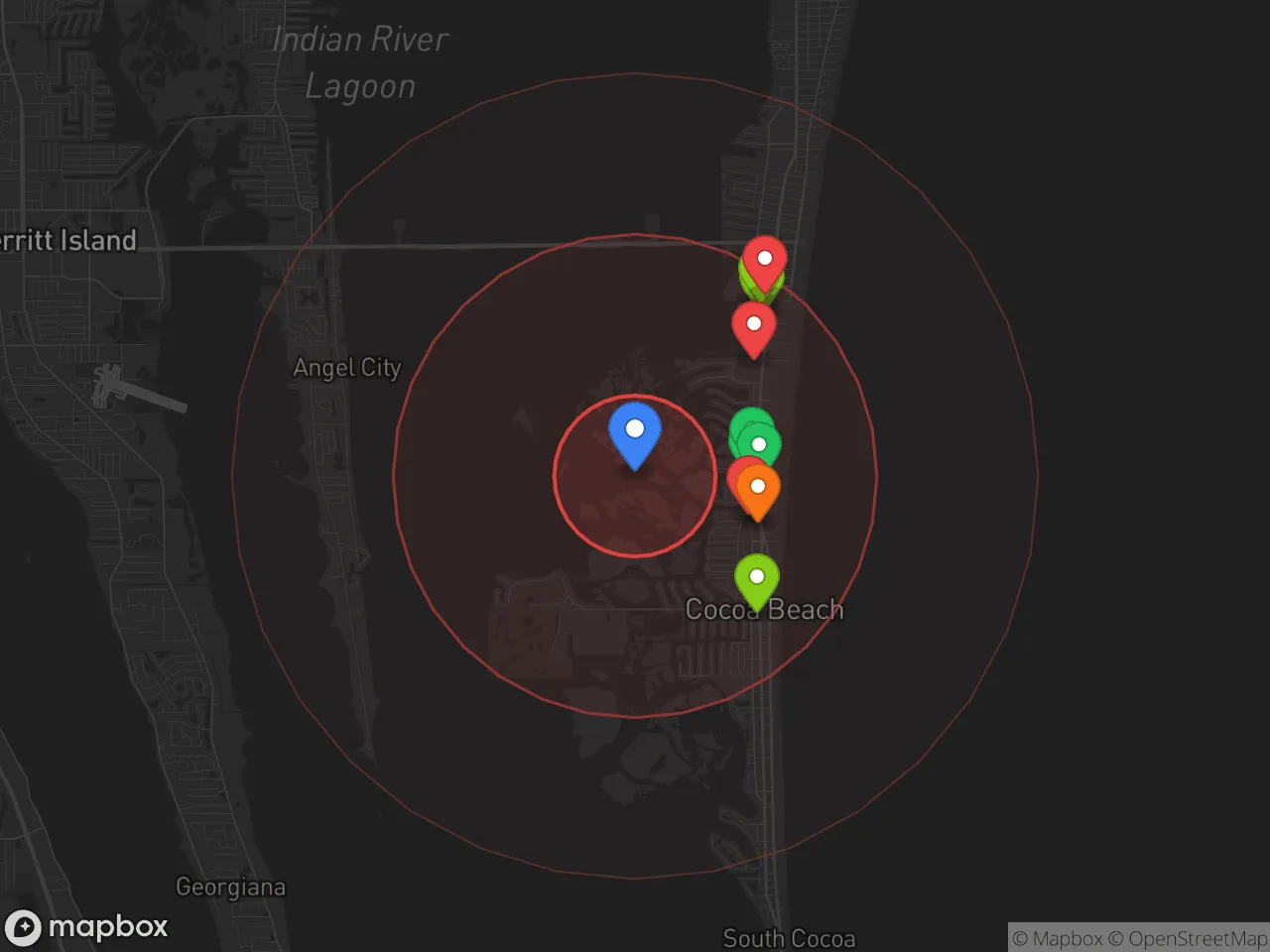
Hobbies
Explore the areaGroceries
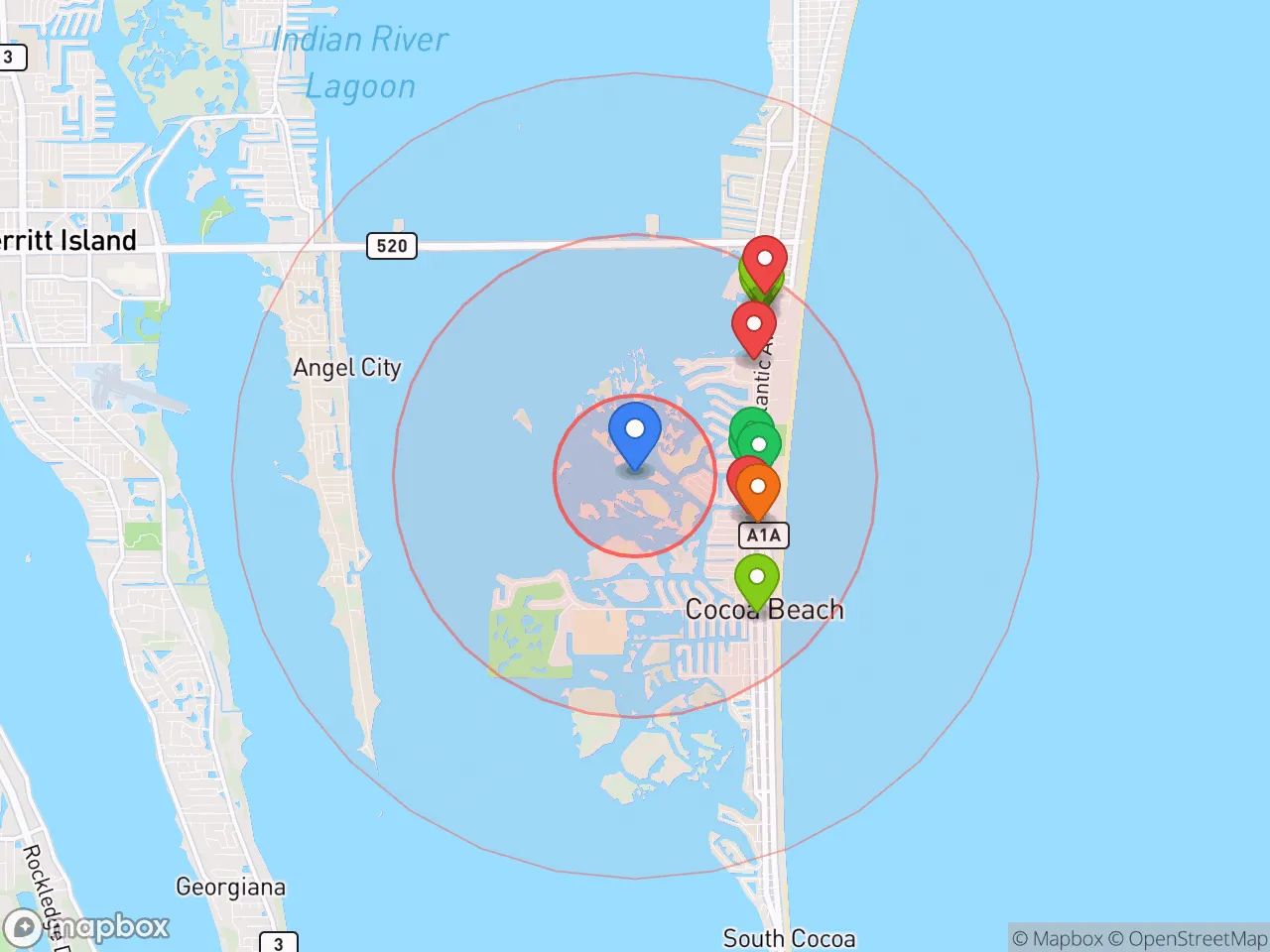
5 within 10 miles
Gas
20 within 10 miles
Hospital
7 within 20 miles
Airport
MCO — Melbourne Orlando International
Post Office
USPS — Cocoa Beach, FL
Critical Amenities
Quality-of-Life Analysis
Cocoa Beach, Florida, is an affluent coastal community where the typical resident is a college-educated professional or retiree drawn by oceanfront living and a relaxed pace. With a cost of living index of 144 (44% above the U.S. average), the area attracts those who prioritize beach access and a tight-knit, laid-back atmosphere over urban amenities. The population skews older and wealthier than the national median, with many households earning six-figure incomes from aerospace, defense, or remote tech work tied to the nearby Kennedy Space Center and Patrick Space Force Base.
How housing costs and affordability compare to nearby beach towns
Housing in Cocoa Beach is expensive but not as extreme as in neighboring barrier-island communities like Indialantic or Melbourne Beach. The median home value sits at $451,800, roughly 30% higher than the Brevard County median, while the median rent of $1,555 is about 15% above the county average. For context, a comparable oceanfront home in Satellite Beach or Indian Harbour Beach would cost 10–15% more, making Cocoa Beach a relative value for direct beach access. However, the high cost of living index (144) is driven primarily by housing and property insurance, which can run $3,000–$5,000 annually for wind and flood coverage. Renters face a tight market: vacancy rates hover around 4%, and a two-bedroom unit near the beach often exceeds $1,800. The average commute of 26.6 minutes is manageable, with most workers driving west across the Banana River to jobs at Cape Canaveral, Port Canaveral, or Rockledge.
What daily life is like for families and retirees
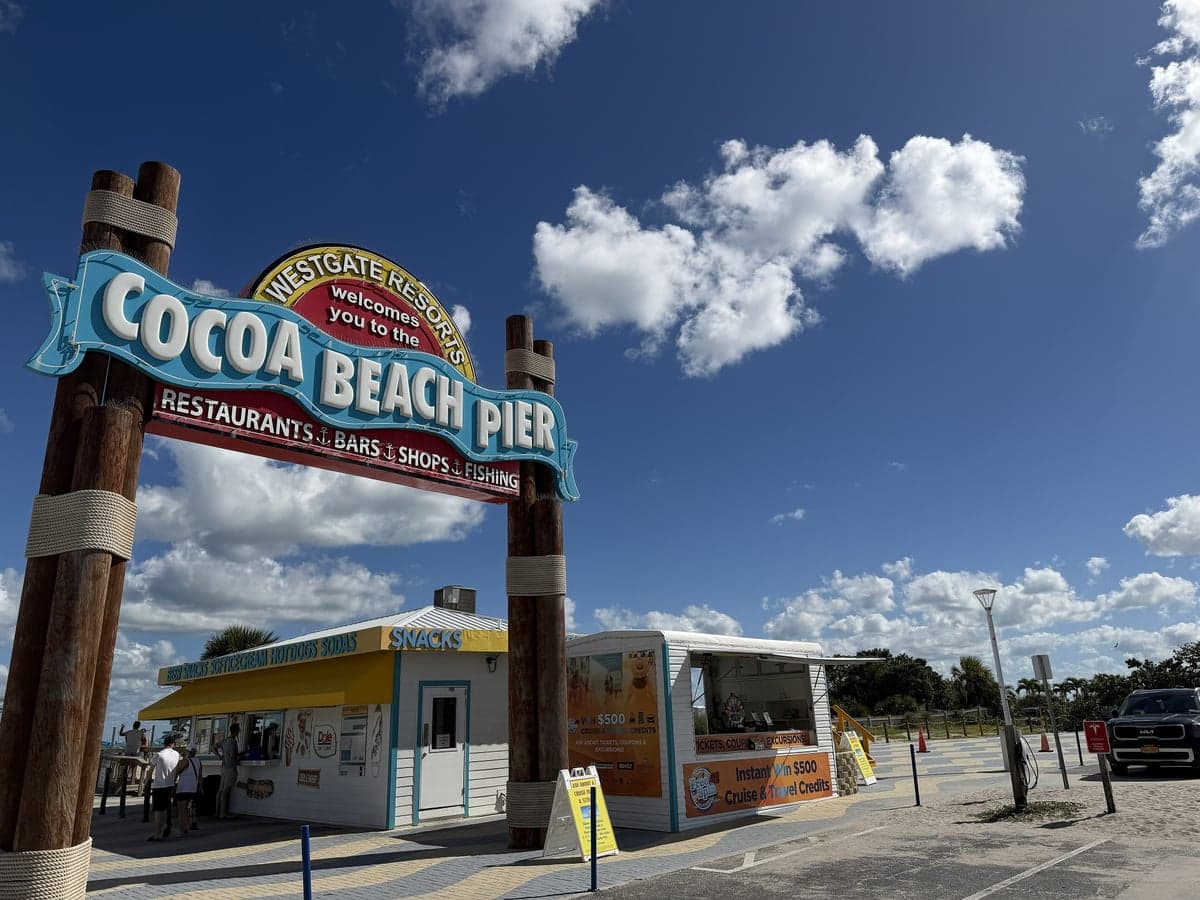
Daily life in Cocoa Beach revolves around the beach, the river, and a small but functional downtown along State Road A1A. The Brevard County School District serves the area, with Cocoa Beach Jr/Sr High School earning an A rating from the Florida Department of Education and offering a strong STEM track linked to local aerospace employers. For younger children, Freedom 7 Elementary School (named after the Mercury capsule) is a top-rated choice. Amenities include the 800-foot Cocoa Beach Pier, the 5,000-acre Merritt Island National Wildlife Refuge, and the Cocoa Beach Country Club golf course. The city lacks a major hospital, but Cape Canaveral Hospital is a 10-minute drive north. Restaurants and bars cluster along A1A, with local staples like The Fat Snook and Florida’s Seafood Bar & Grill. The rhythm is distinctly unhurried: residents walk or bike to the beach, attend weekly farmers markets, and participate in community events like the Space Coast Lightfest. Traffic is seasonal, with summer and spring-break crowds doubling the population on weekends.
This environment suits professionals in aerospace or defense who want a short commute to Cape Canaveral or Patrick SFB, as well as retirees seeking a warm-weather, walkable beach town with solid schools and low crime. Families with school-age children will find the A-rated schools and outdoor lifestyle appealing, but should budget carefully for the high housing costs and insurance premiums. Remote workers and entrepreneurs also thrive here, thanks to reliable fiber internet and a growing co-working scene at the Cocoa Beach Public Library and local cafes. Those who prefer nightlife, big-city shopping, or a diverse job market outside of aerospace may find Cocoa Beach too quiet and expensive for what it offers.

Crime in Cocoa Beach, FL
Generally safer than 73% of comparable U.S. locations.
Violent CrimeViolent Crime Analysis
Property CrimeProperty Crime Analysis
Crime Analysis
Cocoa Beach, Florida, maintains a crime profile that is notably safer than both state and national averages, particularly regarding violent offenses. The city’s violent crime rate stands at 166.8 incidents per 100,000 residents, which is roughly half the national average and well below the Florida state rate. Property crime, at 735.6 per 100,000 residents, also falls below the national median, though it remains a more common concern for residents and visitors. These figures place Cocoa Beach in a relatively favorable position among beachside communities in Brevard County, though the broader context of the Space Coast’s justice system warrants attention.
Crime in context
When compared to the national violent crime rate of approximately 380 per 100,000 and Florida’s state rate of roughly 380 per 100,000, Cocoa Beach’s 166.8 figure represents a significant safety advantage. The city’s property crime rate, while lower than the national average of about 1,950 per 100,000, is still a factor that residents manage through standard precautions like locking vehicles and securing homes. It is important to note that Cocoa Beach falls within the broader Brevard County judicial circuit. Readers should be aware that progressive prosecutorial policies—such as those favoring diversion programs over incarceration for repeat property offenders—can increase the number of active criminals on the street, potentially undermining the otherwise low crime statistics. The presence of such policies in nearby larger metro areas like Orlando can also influence regional crime patterns through transient offender populations.
What residents experience
Daily life in Cocoa Beach is characterized by a low likelihood of encountering violent crime. Theft from vehicles and petty larceny are the most frequently reported incidents, often concentrated near tourist-heavy areas like the Cocoa Beach Pier and the retail corridor along State Road A1A. Residents report feeling safe walking their neighborhoods at night, though they remain vigilant about securing beach gear and bicycles. The city’s police department maintains a visible presence, particularly during peak tourist seasons, which helps deter opportunistic crime. However, the progressive ideological lean of some local and state-level judicial appointments—prioritizing offender rehabilitation over public safety—means that repeat property offenders may cycle through the system quickly, a dynamic that frustrates long-term residents and can erode the sense of security over time.
Neighborhood-level variation is modest in Cocoa Beach due to its compact geography and relatively uniform housing stock. Areas closer to the beachfront and the downtown commercial zone see slightly higher rates of petty theft and vehicle break-ins, especially during spring break and holiday weekends. The residential neighborhoods west of A1A, particularly those with single-family homes and lower rental density, report fewer incidents. Gated communities and condominium complexes with security patrols offer the lowest crime exposure. Prospective residents should weigh the city’s strong baseline safety against the broader regional trend of lenient justice policies that can allow property crime to persist at levels higher than the raw statistics might suggest.
* Values derived from national, state, county, city and local statistics and may differ in a specific area. Last updated: 2026-05-14T01:51:09.000Z
Narrative content on this page is AI-generated and may contain mistakes. Verify any details that matter before acting on them.
ReloMaps may earn a commission from affiliate links at no extra cost to you.

